
10-Day Great Migration Itinerary: Serengeti and Maasai Mara (Complete Safari Guide 2026)
A 10-day safari across Serengeti National Park and Maasai Mara National Reserve is widely regarded as one of the most comprehensive ways to experience the Great Migration. This is not just a wildlife trip—it is a carefully structured journey through one of the most dynamic ecosystems on Earth, where millions of animals move in response to seasonal rainfall, and predators follow in a constant cycle of survival.
Unlike shorter safaris that limit you to a single location, a 10-day itinerary allows you to track the migration across different ecological zones, observe varied predator behavior, and experience both the Tanzanian and Kenyan sides of this shared ecosystem. It provides the time needed to adapt to wildlife movement, increasing your chances of witnessing key events such as river crossings, coordinated hunts, and large-scale herd movement.
This guide outlines a detailed, experience-driven itinerary that balances logistics, wildlife density, and seasonal positioning.
Understanding the Serengeti–Mara Ecosystem
Before diving into the itinerary, it is important to understand how the ecosystem functions. The Serengeti–Mara system is not divided by wildlife—it is only divided by political borders. Animals move freely between Tanzania and Kenya in search of fresh grazing.
The migration typically follows a clockwise pattern. From December to March, herds concentrate in the southern Serengeti. Between April and June, they move northwest. From July to October, they occupy northern Serengeti and cross into the Maasai Mara. Then they gradually move south again.
Because of this continuous movement, the success of your safari depends on aligning your itinerary with the migration’s location during your travel period.
Day 1: Arrival in Arusha – Gateway to Northern Tanzania
Your journey begins in Arusha, a strategic entry point for safaris into northern Tanzania. After arrival, you transfer to your lodge for rest and briefing.
This day is important for acclimatization. Depending on your arrival time, you may explore the town lightly or simply prepare for the days ahead. A well-paced start ensures you begin the safari rested rather than fatigued.
Day 2: Flight into Central Serengeti (Seronera Region)
A scheduled bush flight takes you directly into central Serengeti National Park, typically landing at Seronera airstrip. Flying instead of driving saves an entire day and immediately places you in prime wildlife territory.
Upon arrival, your first game drive begins. Central Serengeti is known for its consistent predator population. Lions, leopards, and cheetahs are frequently seen here due to permanent water sources and stable prey availability.
Even if the migration is not concentrated here during your visit, this region provides a strong introduction to the ecosystem.
Day 3: Central Serengeti – Predator Ecology and Territory Dynamics
A full day in central Serengeti allows you to focus on predator behavior rather than migration movement. This is where you begin to understand the ecological relationships that define the safari experience.
Lions operate in prides and often dominate open plains. Leopards prefer riverine areas and acacia trees, making them more elusive but highly rewarding sightings. Cheetahs favor open grasslands where speed gives them an advantage.
By dedicating time here, you build a strong wildlife foundation before moving toward migration-heavy regions.
Day 4: Transition to Northern Serengeti (Kogatende Zone)
You either fly or drive to northern Serengeti, depending on your itinerary design. This region becomes the focal point of the migration between July and October.
The landscape changes noticeably. The terrain becomes more rugged, with river systems such as the Mara River cutting through the ecosystem.
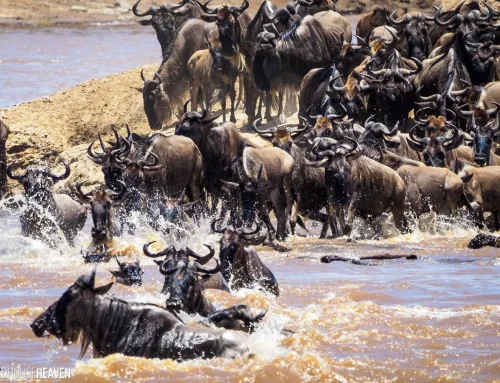
Your afternoon game drive focuses on locating herds and understanding their movement patterns. Guides monitor crossing points where wildebeest gather before attempting river crossings.
Day 5: Northern Serengeti – Following the Migration
This is your first full day dedicated to the migration itself within Serengeti National Park.
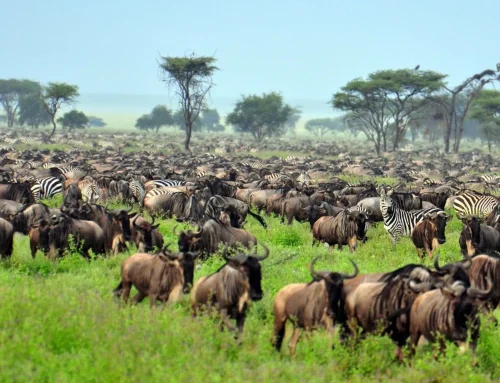
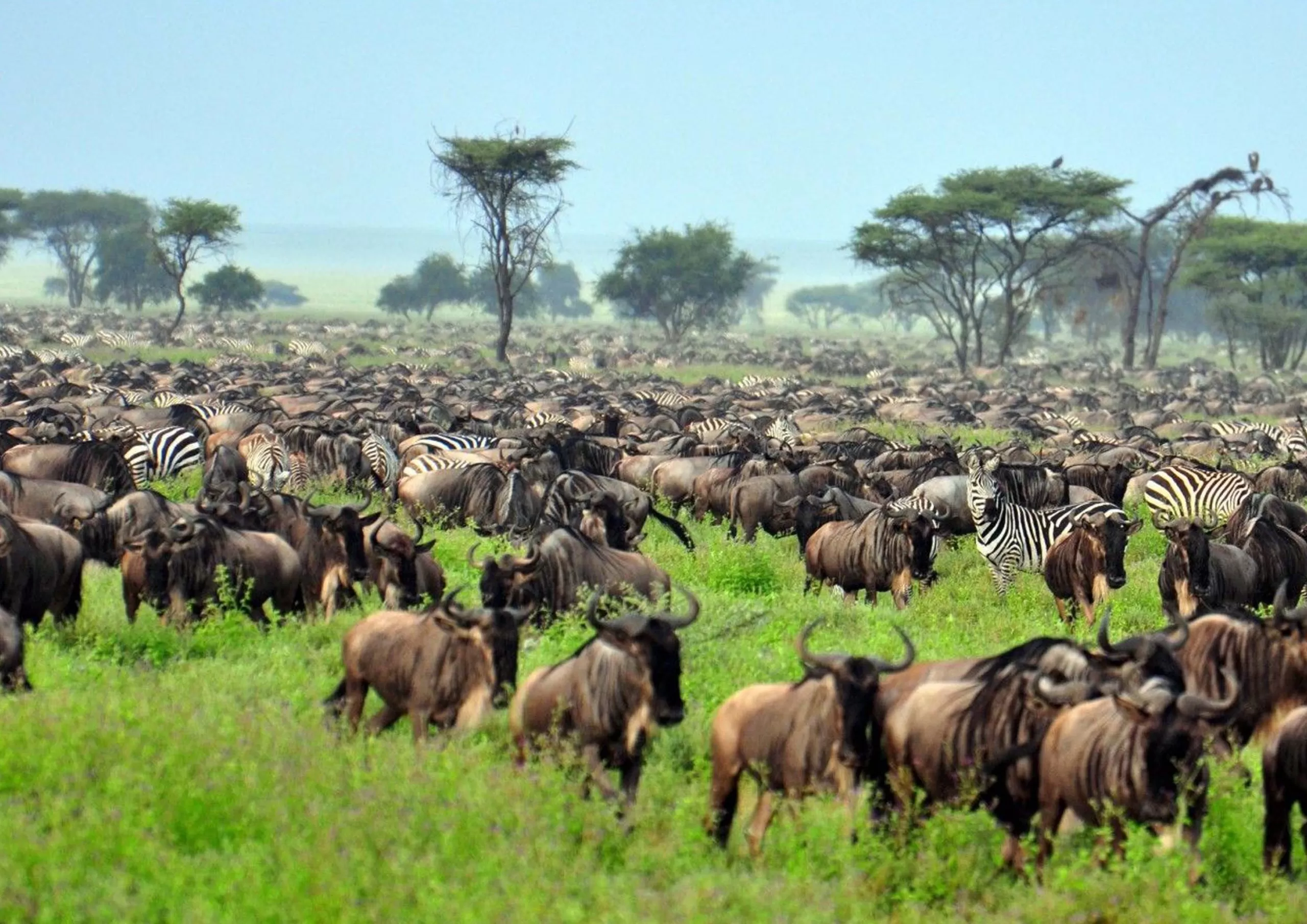
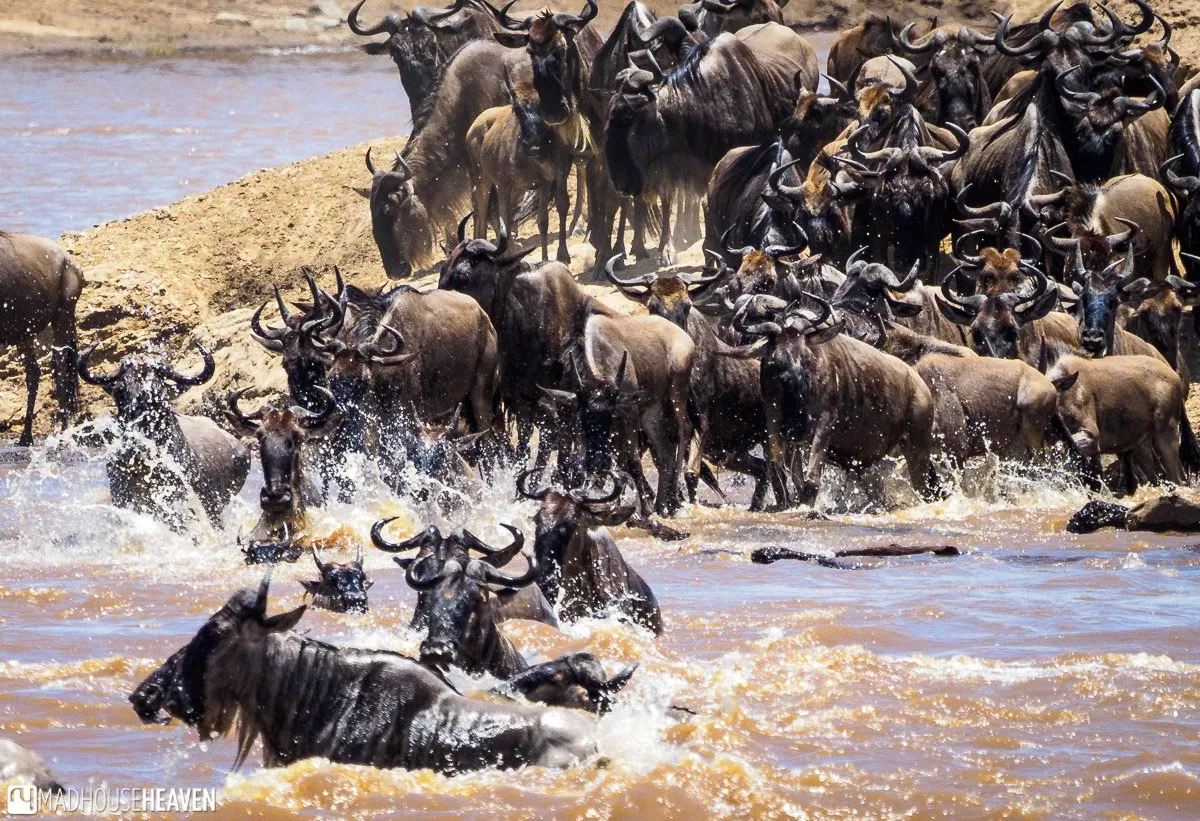
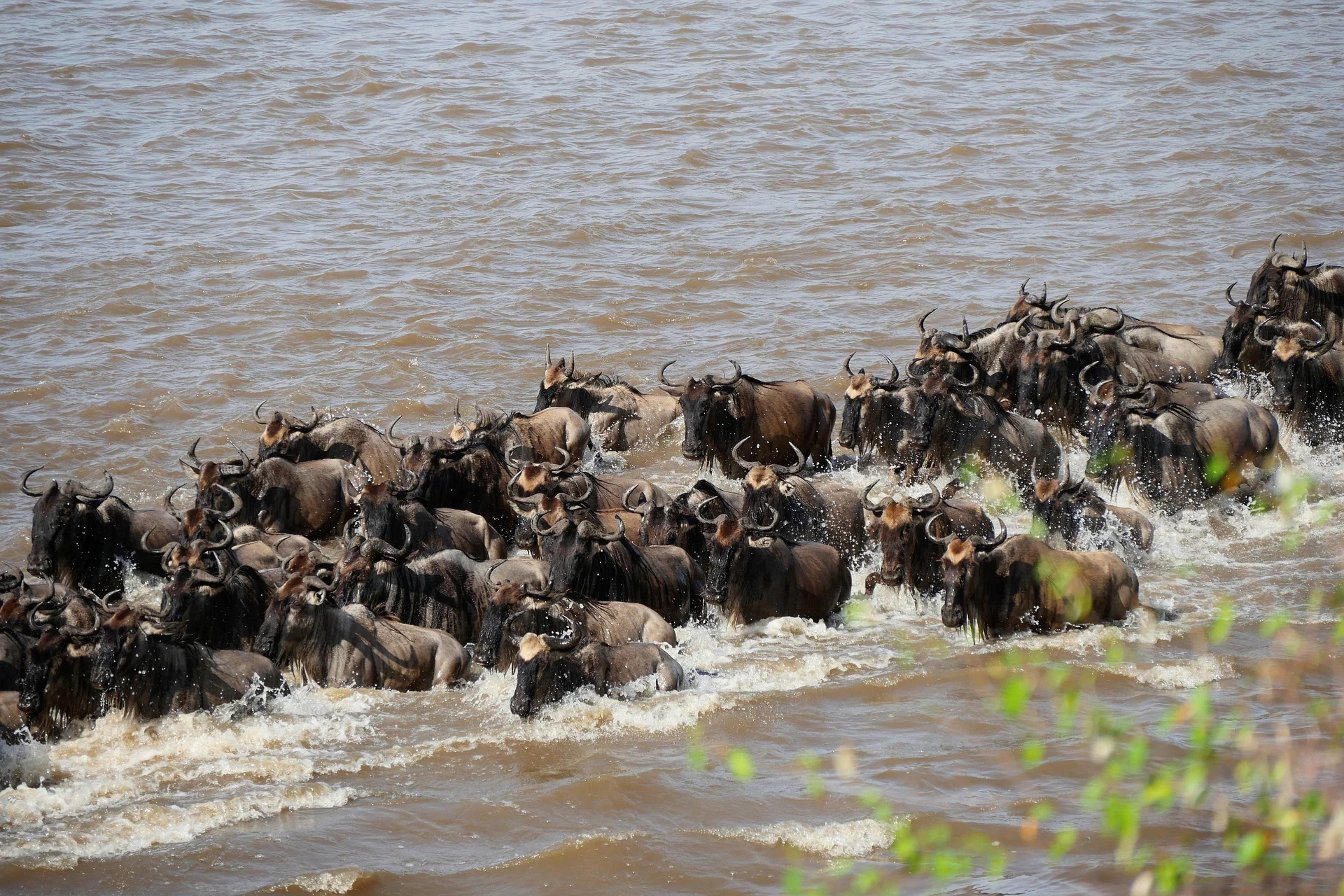
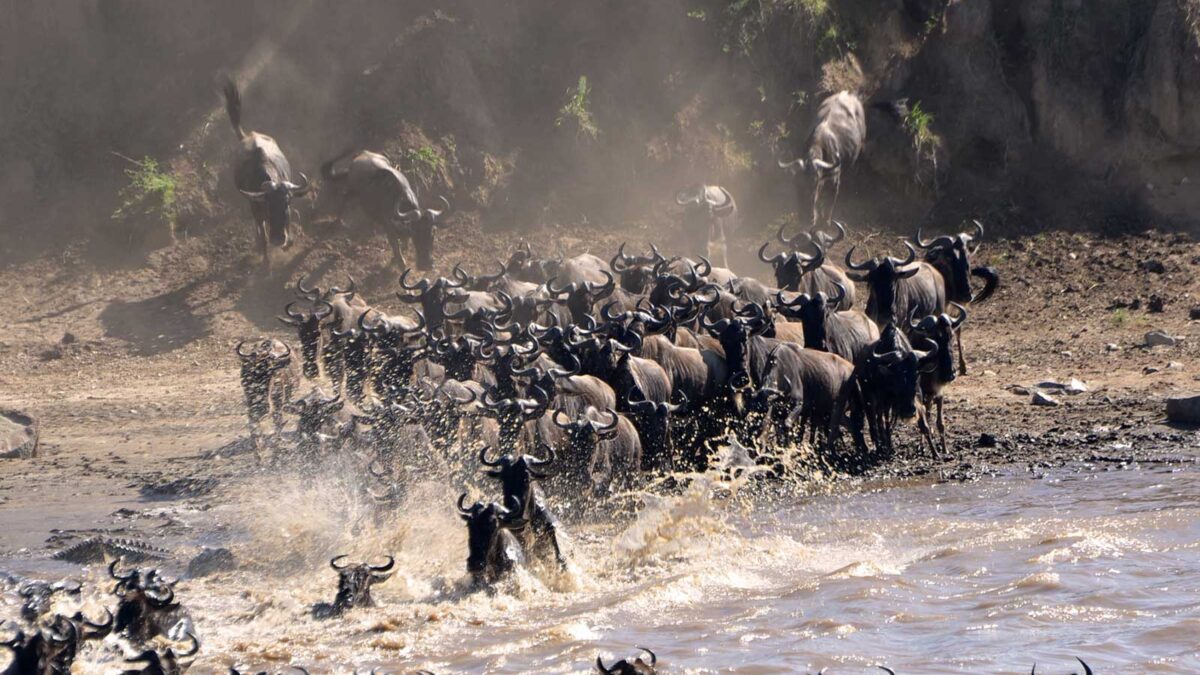
The scale of the herds becomes apparent. Thousands of wildebeest move together, often hesitating at riverbanks before crossing. These crossings are unpredictable and may require patience, but when they happen, they are among the most dramatic wildlife events in the world.
Predators are never far behind. Crocodiles wait in the water, while lions and hyenas track weaker individuals on land.
10-Day Great Migration Itinerary
Day 6: Northern Serengeti – Deep Migration Experience
A second full day in the north increases your chances of witnessing key migration events. Because crossings are not guaranteed on a single day, this additional time is critical.
You may also observe quieter moments—grazing herds, calves staying close to mothers, and subtle behavioral patterns that define herd survival.
By now, you are fully immersed in the rhythm of the migration.
Day 7: Transition to Maasai Mara – Crossing Ecosystems
You cross into Kenya and enter Maasai Mara National Reserve. This transition can be done by road through the Isebania border or via flight connection, depending on your logistics.
The Maasai Mara offers a slightly different landscape—more open plains and shorter grass, which improves visibility for wildlife viewing.
An afternoon game drive introduces you to the Mara’s ecosystem, where predator density is particularly high during migration season.
Day 8: Maasai Mara – River Crossings and Predator Concentration
A full day in the Maasai Mara focuses on the Mara River zones. This is one of the best locations to witness river crossings, especially during peak migration months.
The open terrain makes it easier to track movement and observe predator interactions. Lion prides are particularly active here, often positioning themselves strategically near crossing points.
The Mara provides a different perspective on the same migration, allowing you to compare how animals behave across regions.
Day 9: Maasai Mara – Exploration and Flexibility
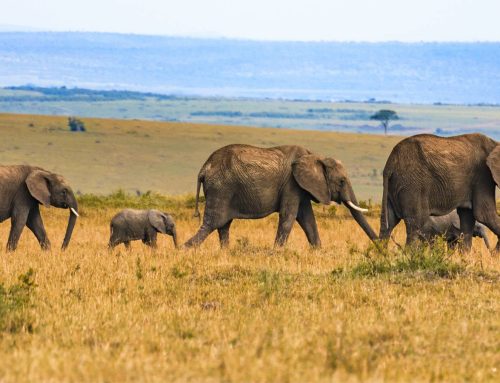
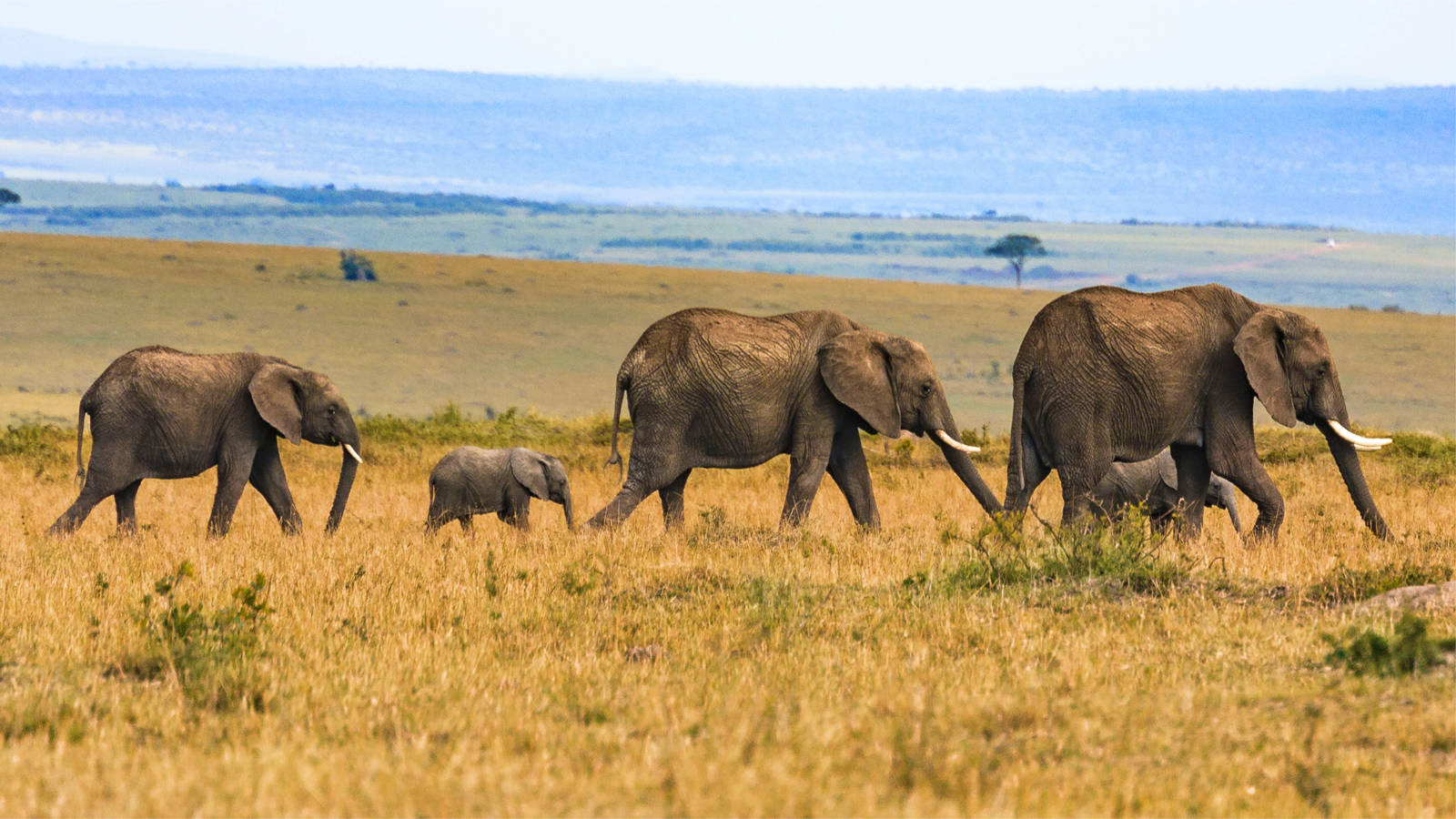
Your final full day allows flexibility. You may revisit active migration areas, explore new sections of the reserve, or focus on specific wildlife such as elephants or leopards.
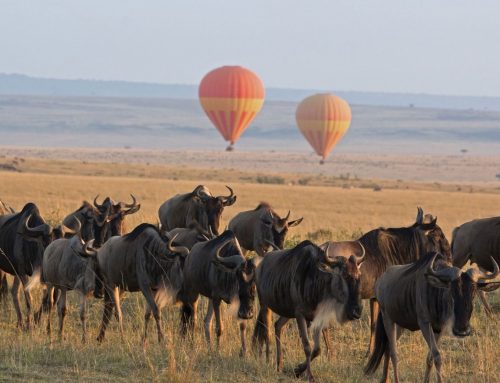
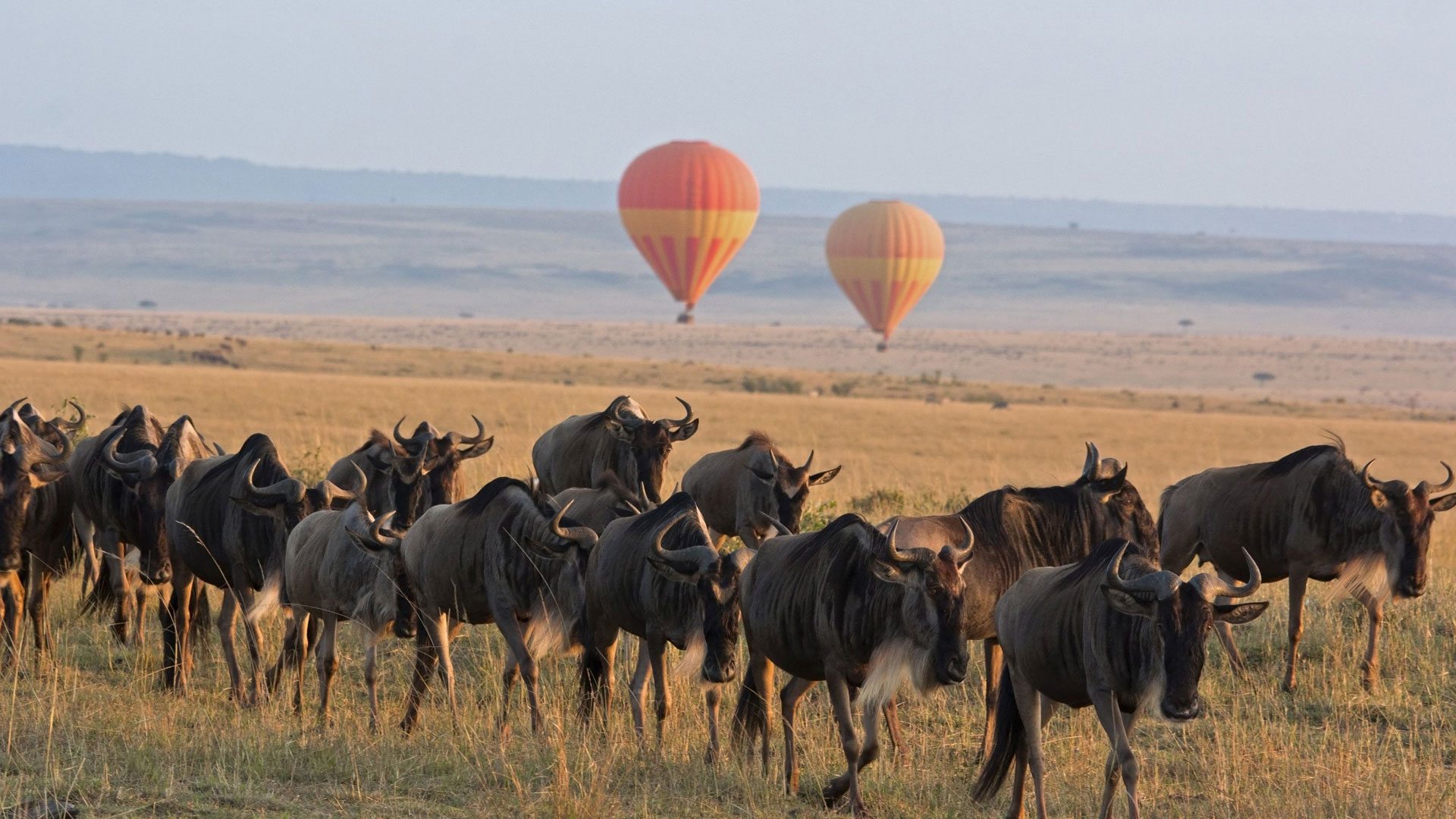
Optional experiences like hot air balloon safaris provide aerial views of the plains, offering a broader understanding of herd movement patterns.
By this stage, you have experienced both intensity and scale, giving you a well-rounded safari perspective.
Day 10: Departure via Nairobi
After a final morning game drive, you transfer to the airstrip and fly to Nairobi for departure.
This marks the end of a journey that has covered two countries, multiple ecosystems, and one of the greatest wildlife spectacles on Earth.
Why This Itinerary Works
The strength of this itinerary lies in its structure. It does not rely on a single location but instead follows the migration’s natural path.
Central Serengeti provides consistent predator sightings. Northern Serengeti positions you for river crossings. Maasai Mara extends your exposure while offering different terrain and visibility.
This layered approach ensures that even if one element is unpredictable, the overall experience remains rich and rewarding.
Best Time to Travel
This specific routing is most effective between July and October, when the migration is concentrated in northern Serengeti and Maasai Mara.
For travel between January and March, the itinerary would shift to southern Serengeti instead of the north, focusing on calving season.
Practical Considerations
Flights are essential for maximizing time. Overland travel, while scenic, reduces game viewing opportunities.
Accommodation should be selected based on migration location, not just comfort level.
Flexibility is important. Wildlife movement cannot be controlled, so having extra days in key areas increases success rates.
Final Thoughts
A 10-day safari across Serengeti National Park and Maasai Mara National Reserve offers one of the most complete wildlife experiences available anywhere in the world.
It combines scale, diversity, and intensity in a way that few other journeys can match. From predator encounters in central Serengeti to dramatic river crossings in the north and open savannah exploration in the Maasai Mara, every stage adds a new dimension to the experience.
This is not just about seeing animals. It is about understanding movement, survival, and the interconnected systems that sustain life across one of Africa’s most iconic landscapes.