
7-Day Great Migration Safari Itinerary from Nairobi
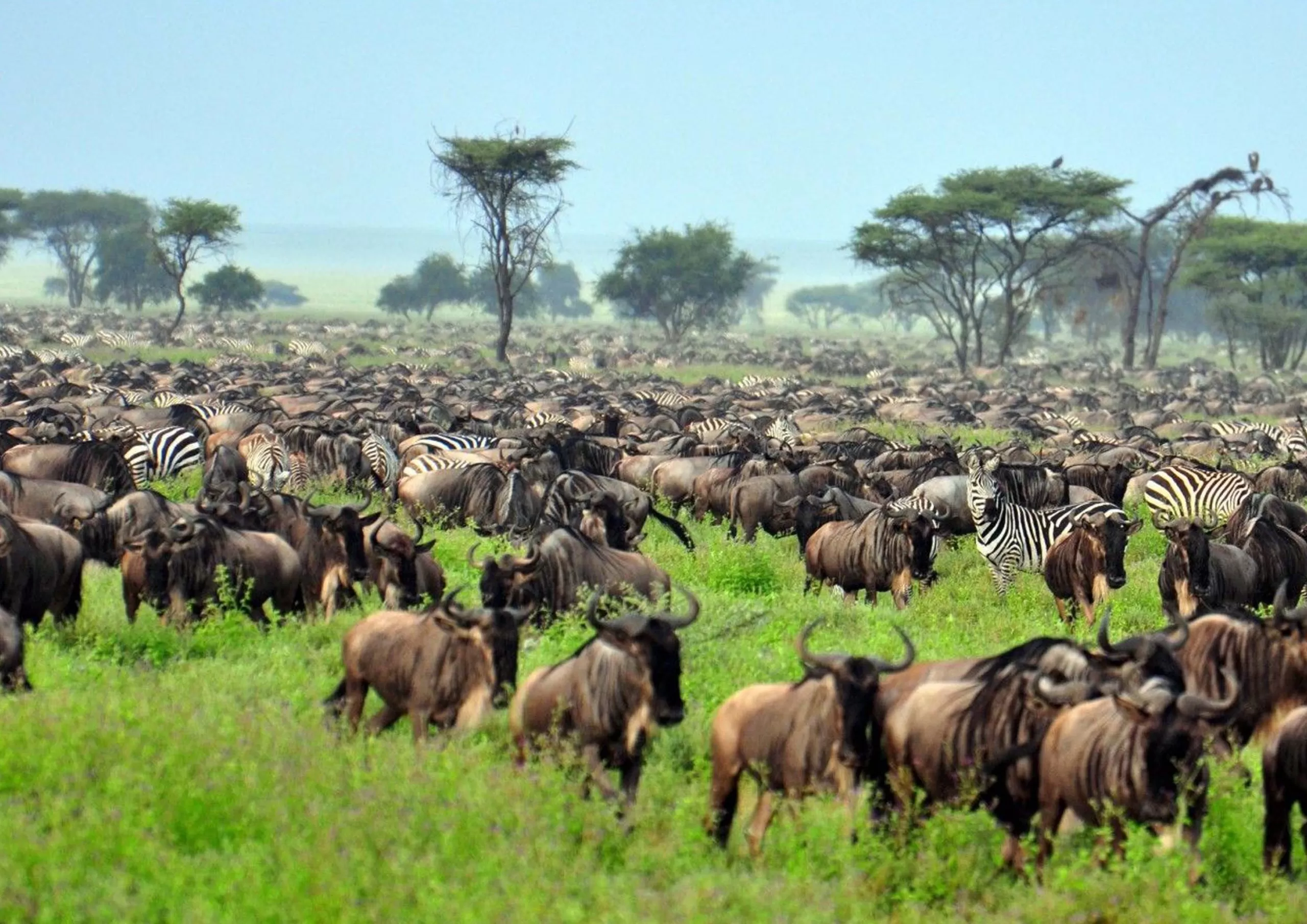
A 7-day Great Migration safari starting from Nairobi is one of the most efficient ways to experience the movement of millions of wildebeest and zebras within a limited timeframe. By focusing primarily on Maasai Mara National Reserve and structuring the itinerary carefully, you can witness dramatic herd movements, predator interactions, and classic savannah landscapes without unnecessary transit time.
This itinerary is designed for maximum wildlife exposure, minimal travel fatigue, and strategic positioning near migration routes, especially during peak months between July and October when the herds occupy the Maasai Mara.
Overview of the Safari Strategy
Starting in Nairobi gives you direct access to the Maasai Mara ecosystem. Unlike longer cross-border itineraries, this plan focuses on depth rather than distance, allowing you to spend more time in the field tracking the migration rather than moving between parks.
The key principle is simple: stay close to the herds and allow enough time to follow their movement patterns.
Day 1: Arrival in Nairobi
Arrive in Nairobi, East Africa’s primary safari gateway. Upon arrival, transfer to your hotel for rest and briefing.
Depending on your arrival time, you may visit nearby attractions or simply prepare for your safari. This day ensures you begin the journey well-rested.
Day 2: Transfer to Maasai Mara
After breakfast, transfer to Maasai Mara National Reserve either by road (approximately 5–6 hours) or by a short domestic flight (about 45 minutes).
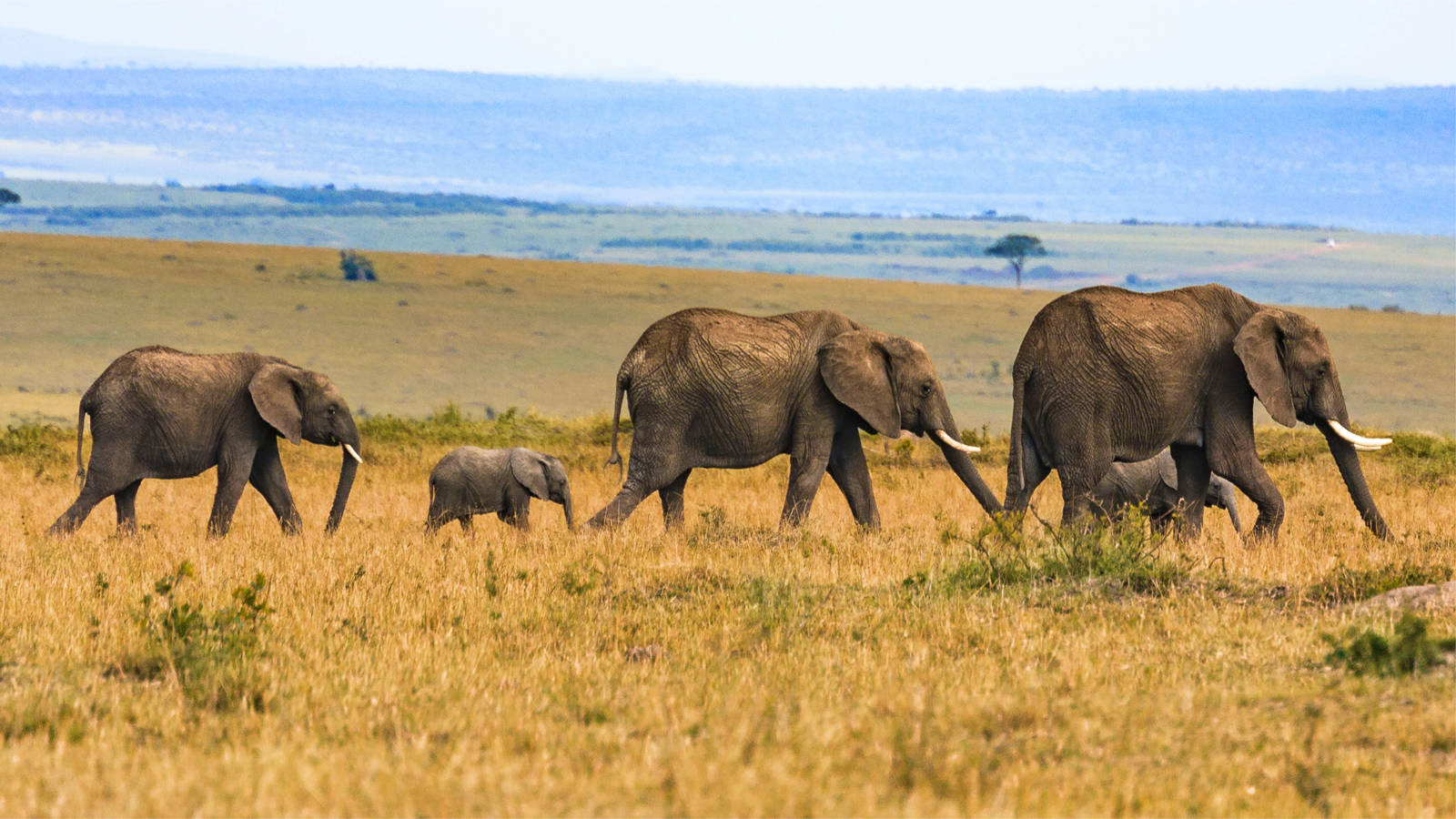
Arrive in time for lunch, followed by your first afternoon game drive. Even on day one in the Mara, it is common to encounter herds, elephants, giraffes, and predators.
Overnight in a lodge or tented camp located near migration zones.
Day 3: Maasai Mara – Full-Day Migration Tracking
Spend a full day exploring the Maasai Mara. Early morning and late afternoon game drives maximize wildlife activity.
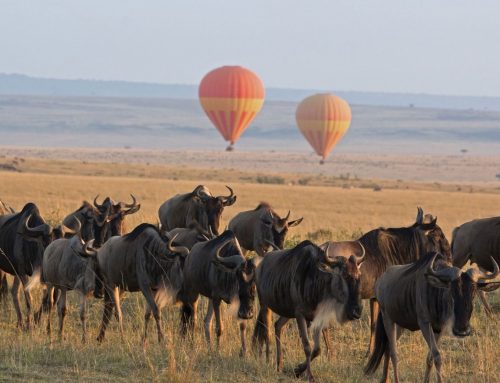
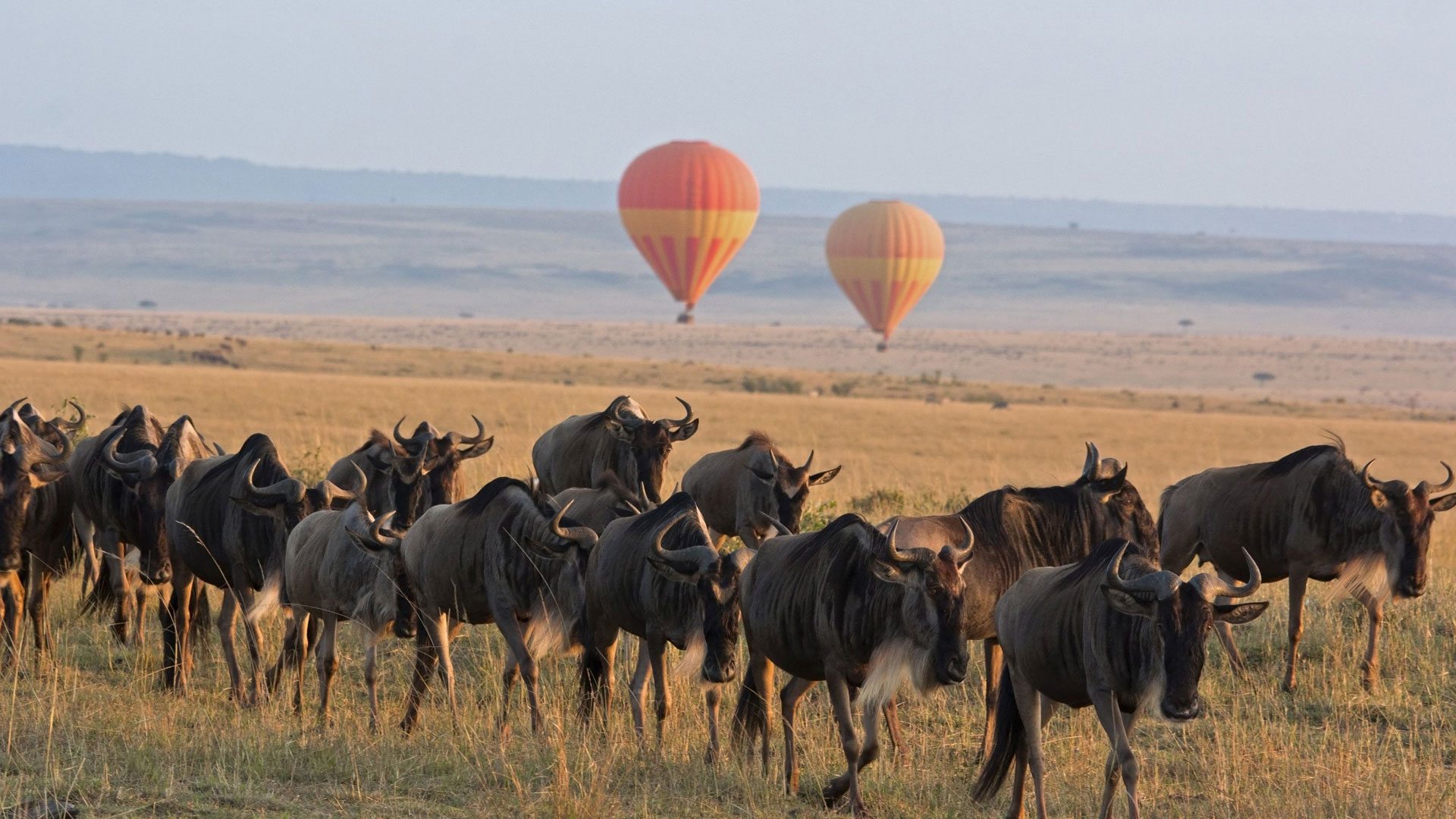
Focus on locating migration herds, which may stretch across vast plains. Guides track movement patterns and position you near potential river crossing points.
Predators such as lions and hyenas are often active around the herds, creating intense wildlife interactions.
Day 4: Maasai Mara – Mara River Experience
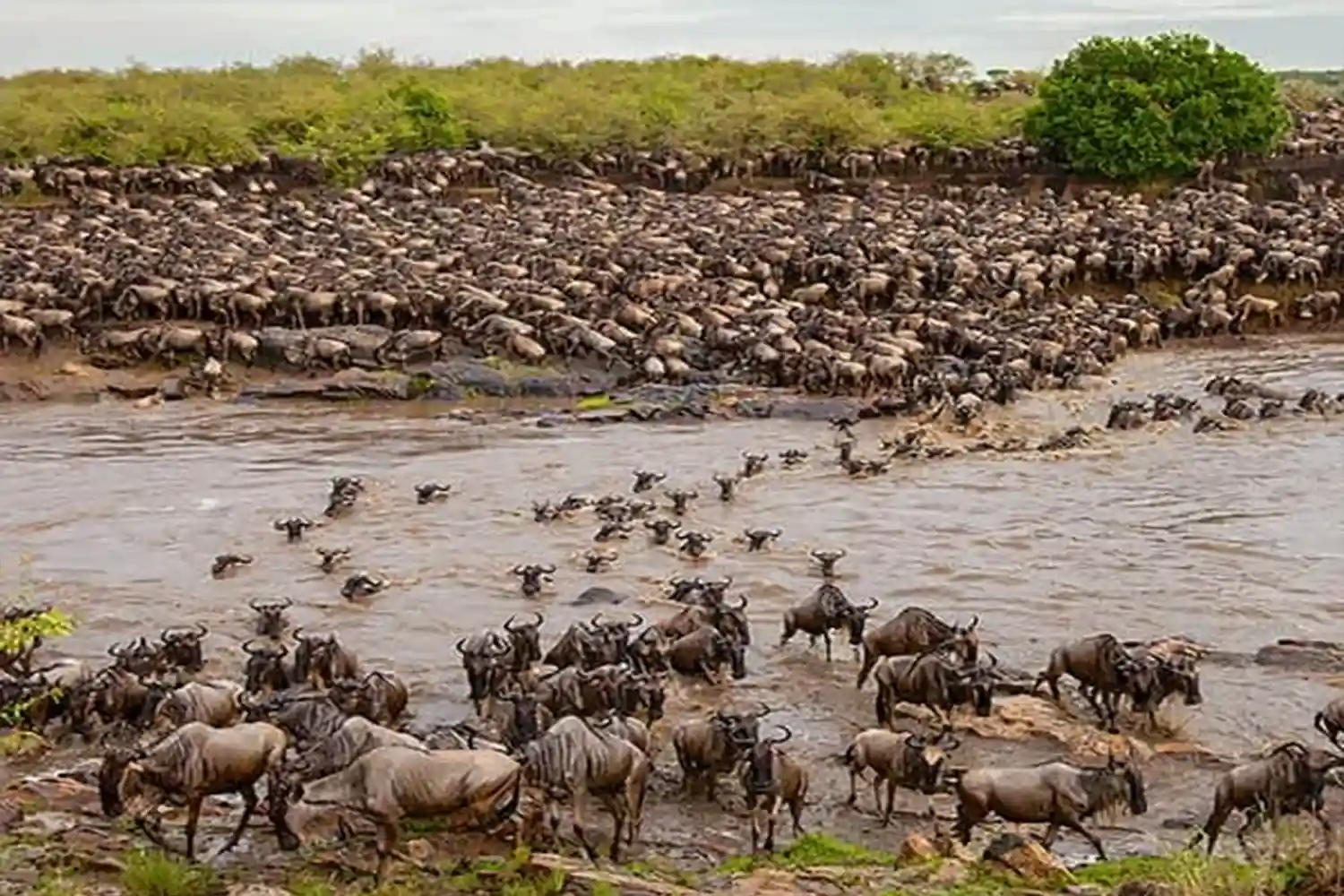
This day focuses on the Mara River, one of the most iconic locations within Maasai Mara National Reserve.
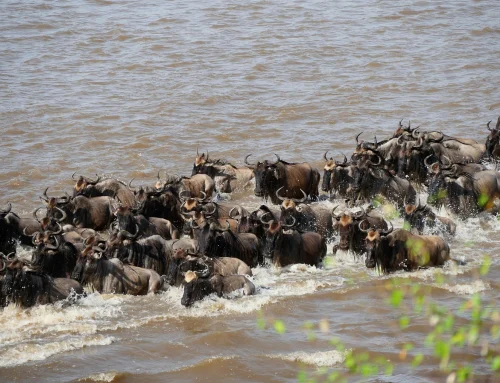
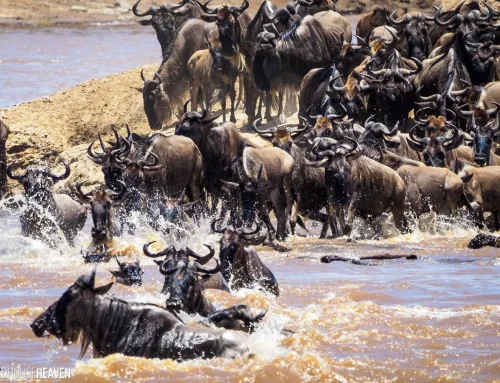
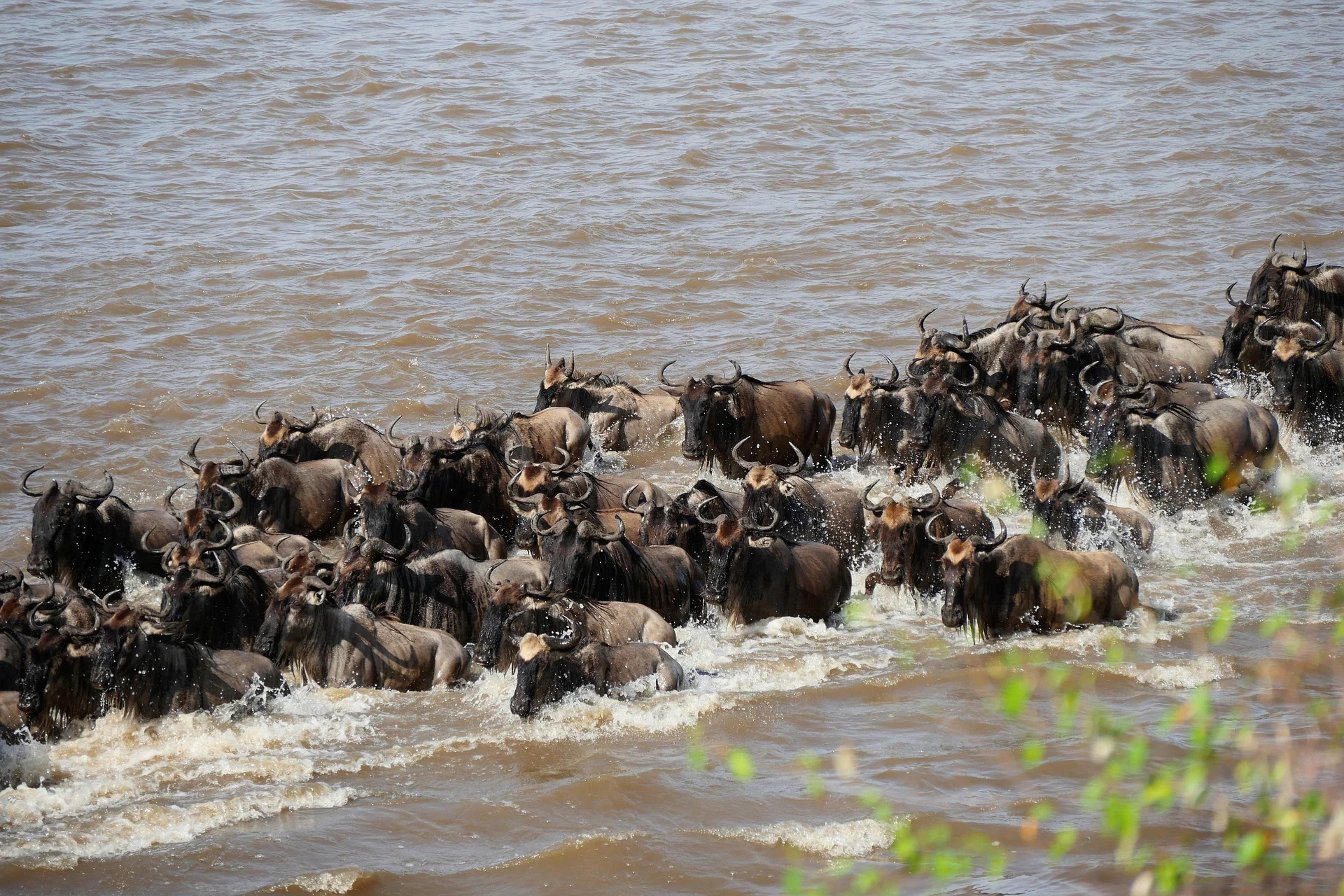
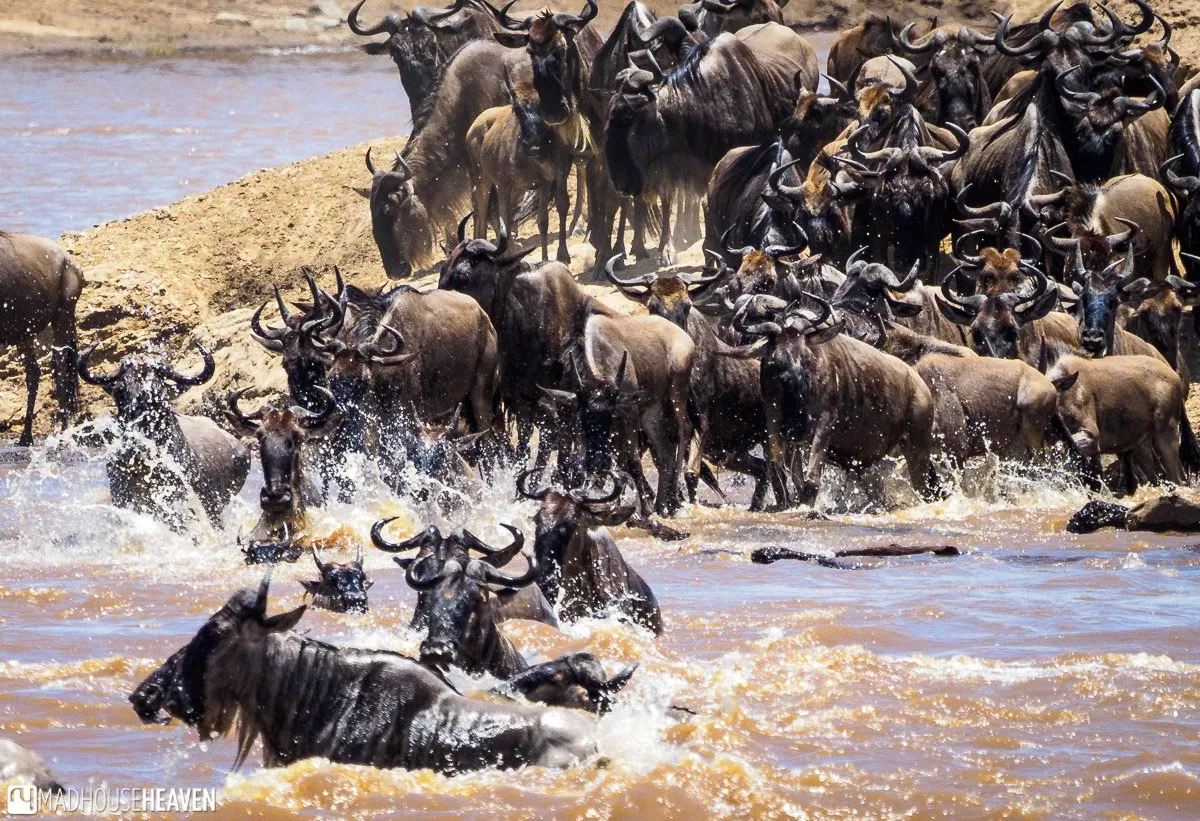
Here, wildebeest gather before attempting crossings. These moments can be unpredictable, but when they occur, they are among the most dramatic scenes in nature.
Large crocodiles, fast currents, and chaotic herd behavior define this experience. Even without crossings, the buildup itself is fascinating.
7-Day Great Migration Safari Itinerary from Nairobi
Day 5: Maasai Mara – Predator and Plains Exploration
Dedicate this day to exploring different sections of the reserve. Move beyond the river to open plains where predators hunt.
The Maasai Mara is particularly strong for lion sightings, with large prides often following the migration. Leopards may be spotted in riverine trees, while cheetahs hunt in open grasslands.
This day balances migration viewing with broader ecosystem exploration.
Day 6: Maasai Mara – Flexible Safari Day
Your final full day in the Mara allows flexibility. You may return to active migration zones, revisit river crossings, or explore quieter areas with fewer vehicles.
Optional experiences such as a hot air balloon safari can provide aerial views of the migration landscape, offering a different perspective on herd movement.
By this stage, you have experienced multiple aspects of the migration, from herd dynamics to predator interactions.
Day 7: Return to Nairobi and Departure
After an early morning game drive, transfer back to Nairobi by road or flight.
Depending on your departure schedule, you may connect directly to your international flight or spend additional time in the city.
Why This Itinerary Works
This 7-day structure is effective because it prioritizes time in the Maasai Mara, where the migration is most accessible during peak season.
Instead of dividing time between multiple parks, it allows for deeper exploration of one ecosystem. This increases your chances of witnessing key events such as river crossings and predator hunts.
Best Time to Travel
This itinerary is best between July and October, when the migration is present in the Maasai Mara.
Outside this period, the migration may not be in Kenya, and a Tanzania-based itinerary would be more appropriate.
What You Can Expect to See
During this safari, you can realistically expect:
Large herds of wildebeest and zebras
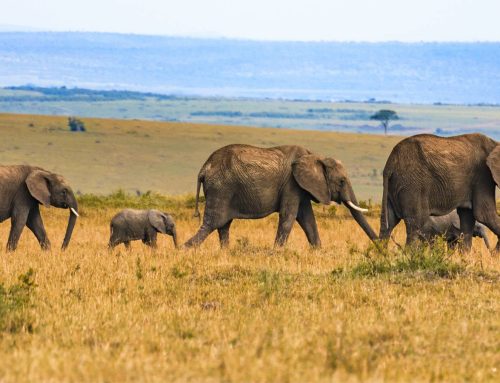
Lions, elephants, buffalo, and possibly leopards
Hyenas and cheetahs interacting with the migration
River crossing attempts depending on timing
Classic African savannah landscapes
Rhinos are rare in the Maasai Mara, so this itinerary focuses primarily on migration and predator dynamics rather than completing the Big Five.
Final Thoughts
A 7-day safari from Nairobi to Maasai Mara National Reserve offers one of the most efficient ways to experience the Great Migration without crossing borders.
By minimizing travel time and maximizing days in the field, this itinerary delivers a concentrated, high-impact wildlife experience. With the right timing and positioning, even a single week can reveal the scale, intensity, and beauty of one of nature’s greatest spectacles.