
Great Migration and Big Five: Can You See Both on One Safari?
For many travelers planning an African safari, two experiences dominate the bucket list: witnessing the dramatic movement of millions of wildebeest and zebras across the plains, and spotting the legendary Big Five—lion, leopard, elephant, buffalo, and rhino. These are not just wildlife sightings; they represent the essence of Africa’s wilderness. The natural question that follows is simple but important: can you realistically experience both on a single safari?
The answer is yes—but only with the right strategy, timing, and destination planning. This is not something that happens by chance. It requires an understanding of how ecosystems function, how wildlife moves, and how safari logistics are structured across East Africa.
Understanding the Great Migration
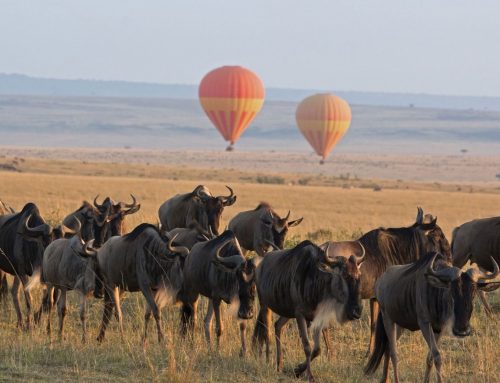
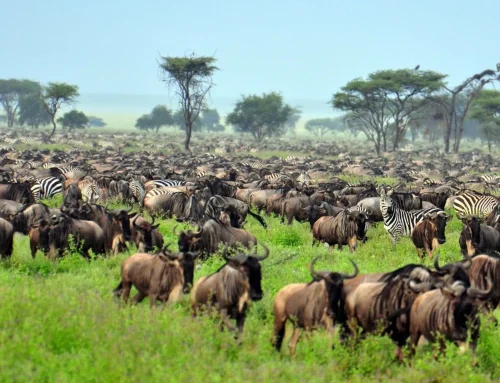
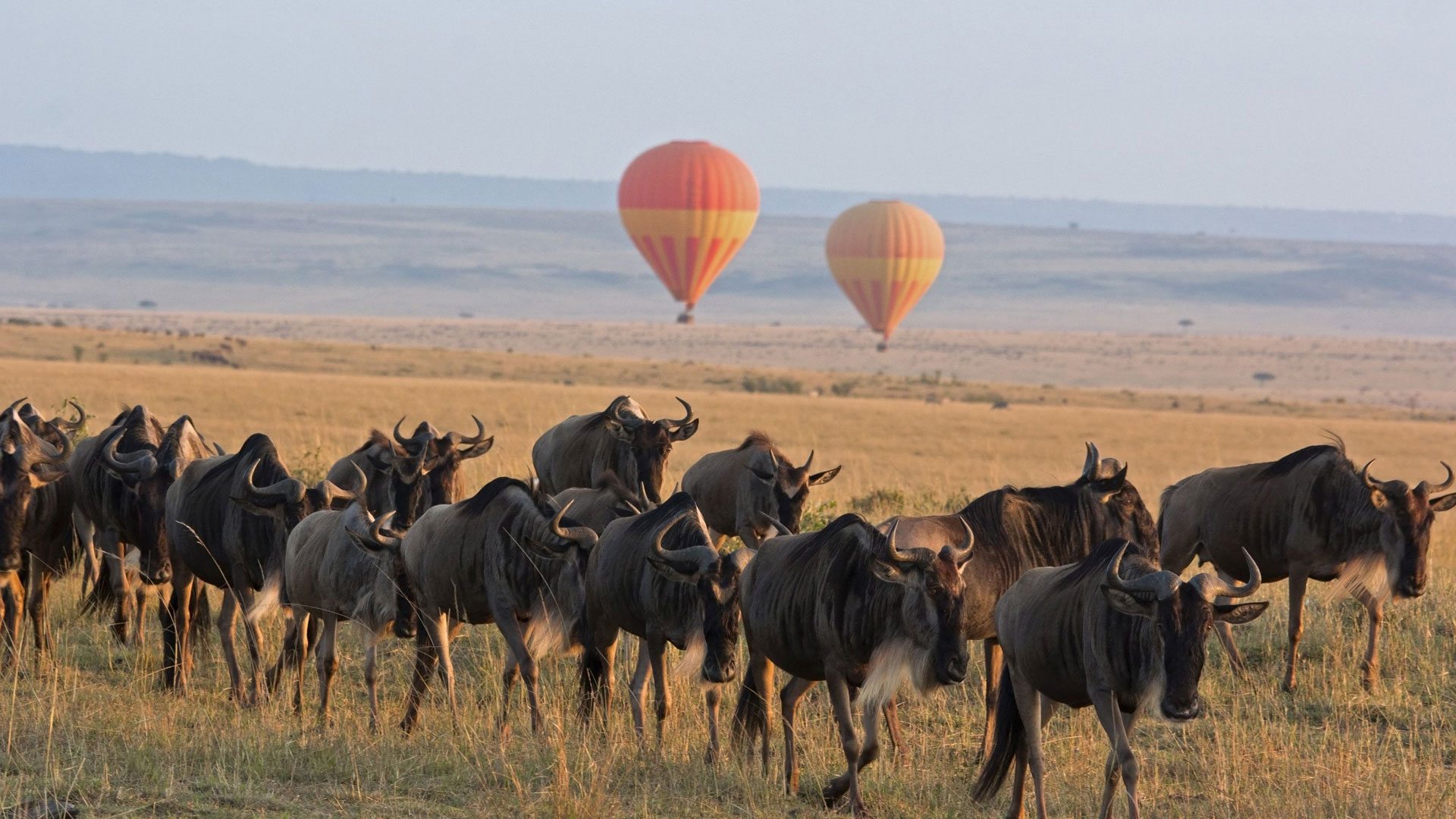
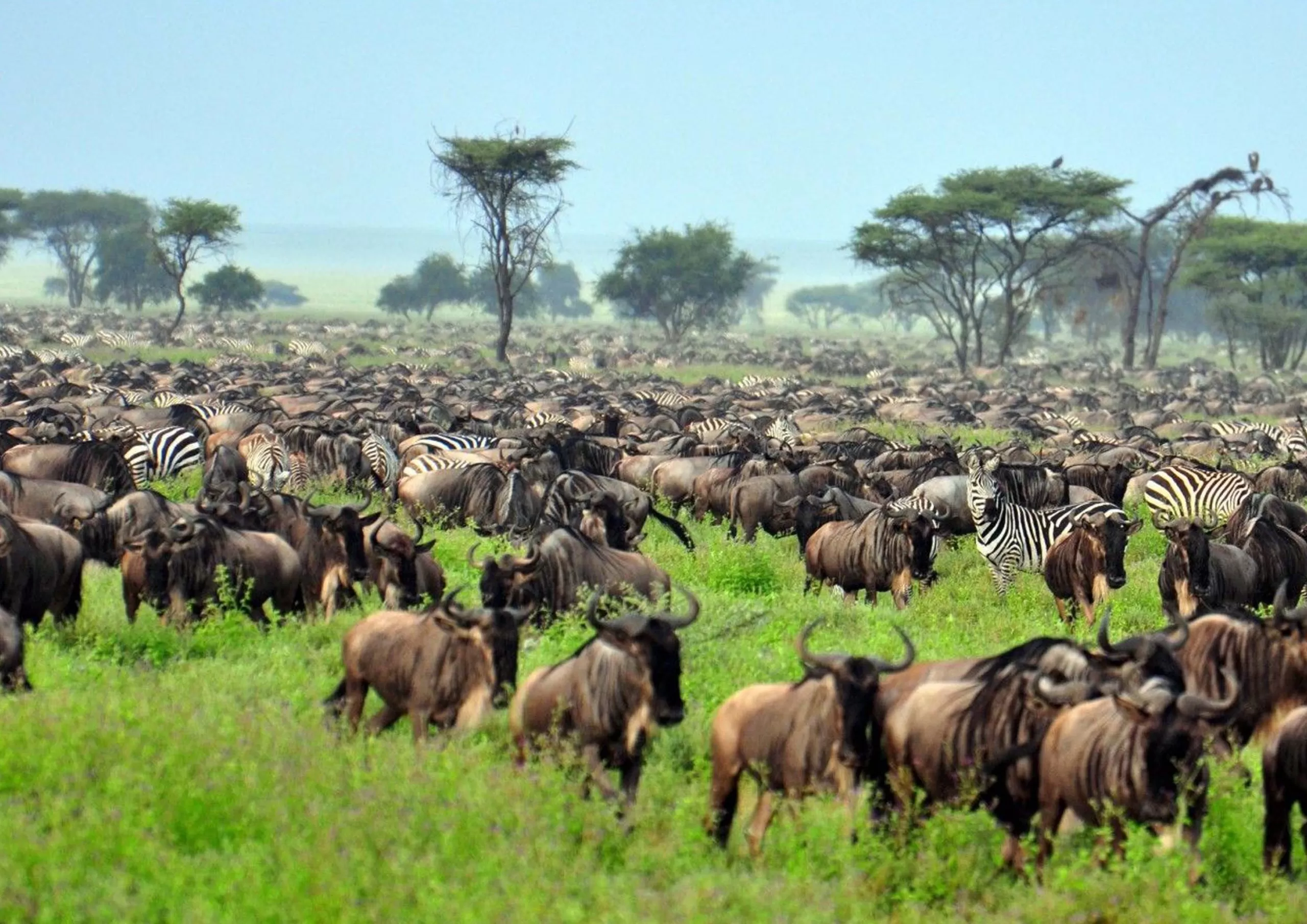
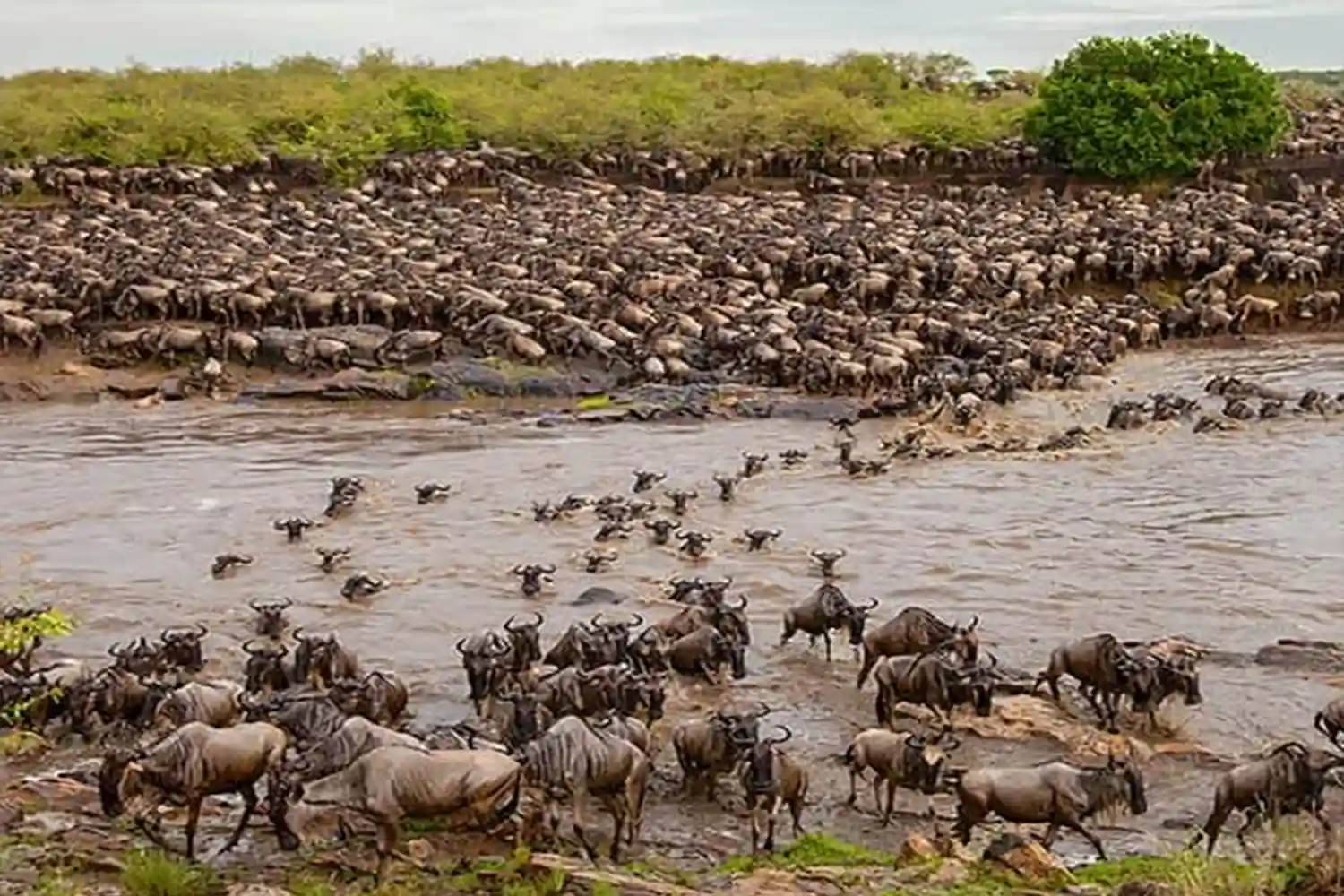
The Great Migration is one of the most extraordinary wildlife events on Earth. It involves over 1.5 million wildebeest, accompanied by hundreds of thousands of zebras and gazelles, moving in a continuous cycle across the Serengeti–Mara ecosystem in search of fresh grazing and water.
This movement is not random. It is driven by rainfall patterns and seasonal grass growth. The herds move through Serengeti National Park and cross into Maasai Mara National Reserve at different times of the year, creating varying opportunities for viewing.
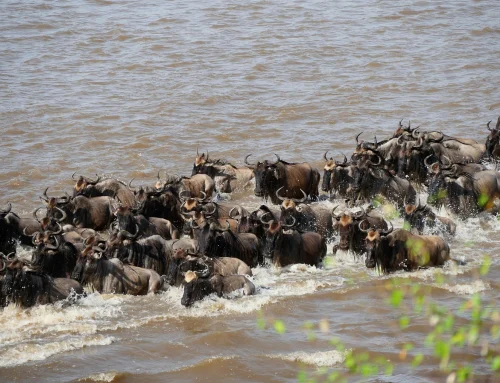
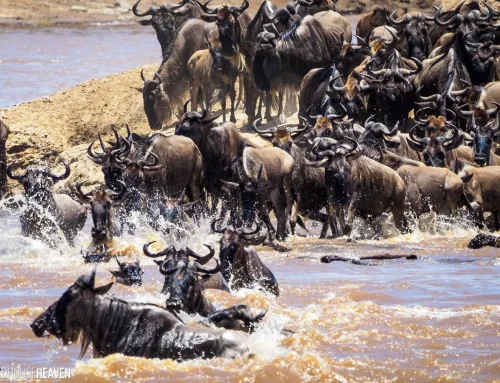
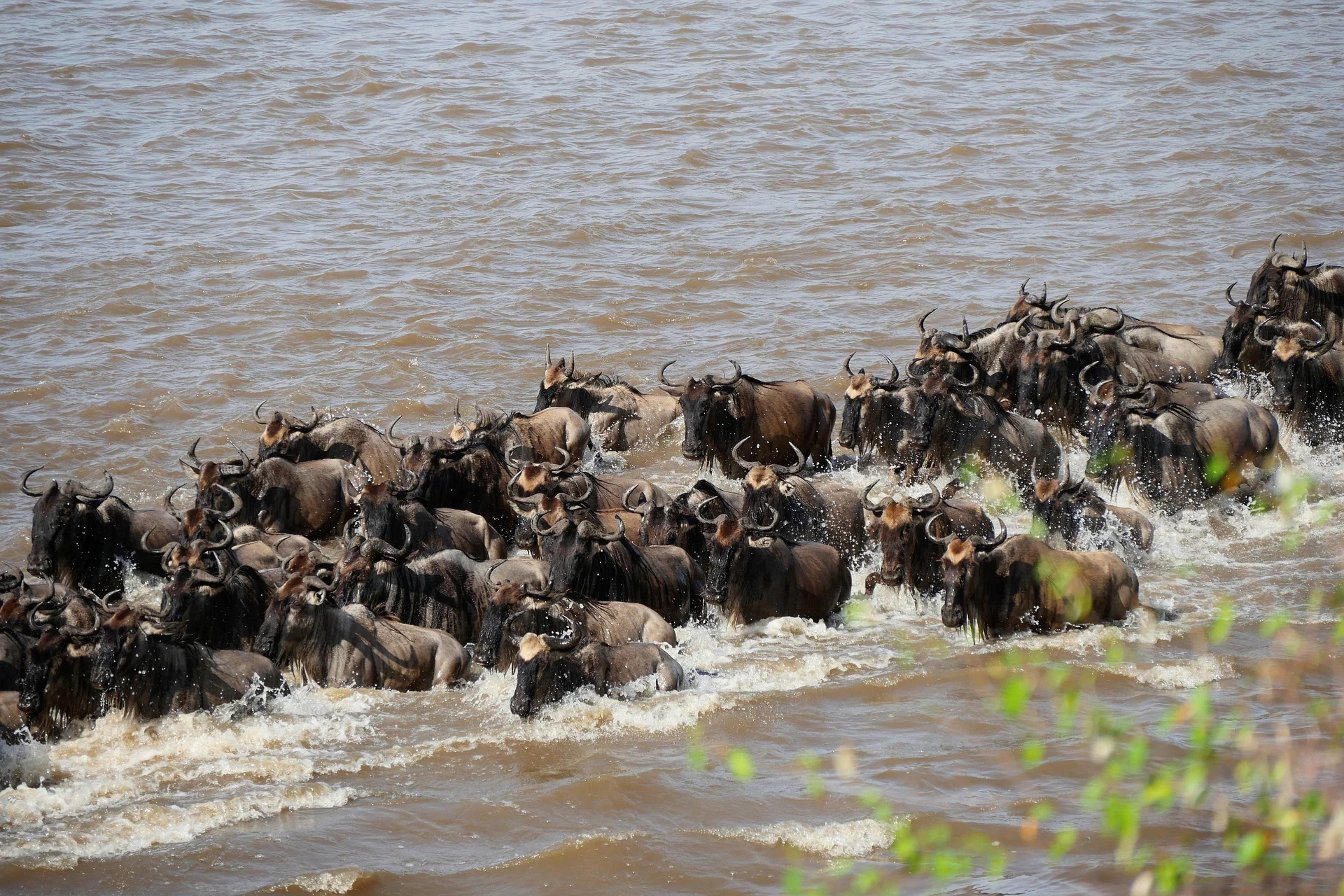
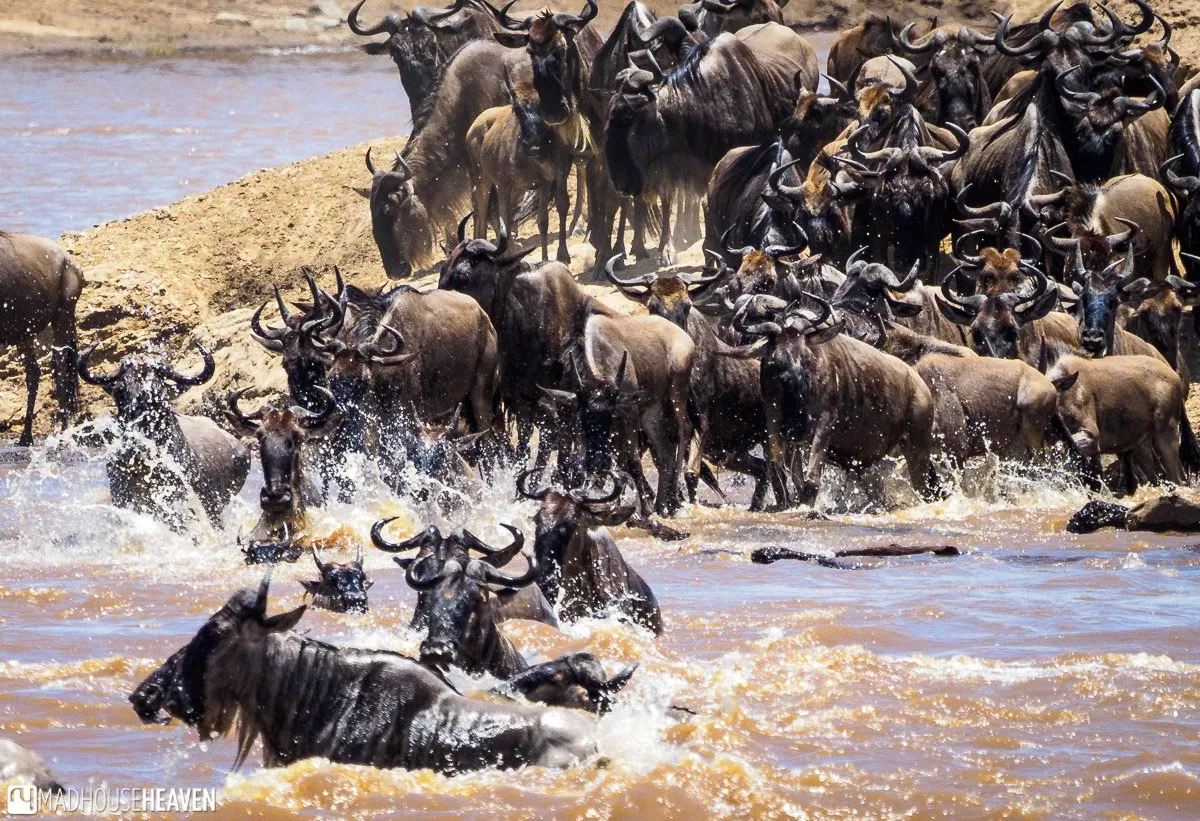
At certain points—especially during river crossings—the migration becomes intensely dramatic. Crocodiles wait in ambush, predators follow closely, and survival becomes a daily struggle. It is this raw, unscripted spectacle that draws travelers from around the world.
However, the migration is not static. It is constantly moving, which means your chances of seeing it depend entirely on when and where you travel.
What Defines the Big Five
The Big Five—lion, leopard, elephant, buffalo, and rhino—were originally classified by hunters as the most difficult and dangerous animals to hunt on foot. Today, they represent the most sought-after wildlife sightings for safari travelers.
Unlike the migration, the Big Five are not migratory as a group. They are resident species, but their visibility varies depending on habitat, population density, and conservation protection.
Lions, elephants, and buffalo are relatively common in many East African parks. Leopards are more elusive but still regularly seen in the right areas. Rhinos, however, are the most difficult to find, as their populations are limited and heavily protected.
This difference—between a moving migration and a mostly resident but unevenly distributed Big Five—is what makes combining both experiences more complex than it first appears.
The Best Region to Combine Both Experiences
The only region where it is realistically possible to combine the Great Migration and the Big Five within one safari circuit is the Serengeti–Mara ecosystem. This includes Serengeti National Park and Maasai Mara National Reserve.
These two protected areas form a continuous wildlife system, allowing animals to move freely across borders. This is where the migration takes place, and where predator density is high due to the abundance of prey.
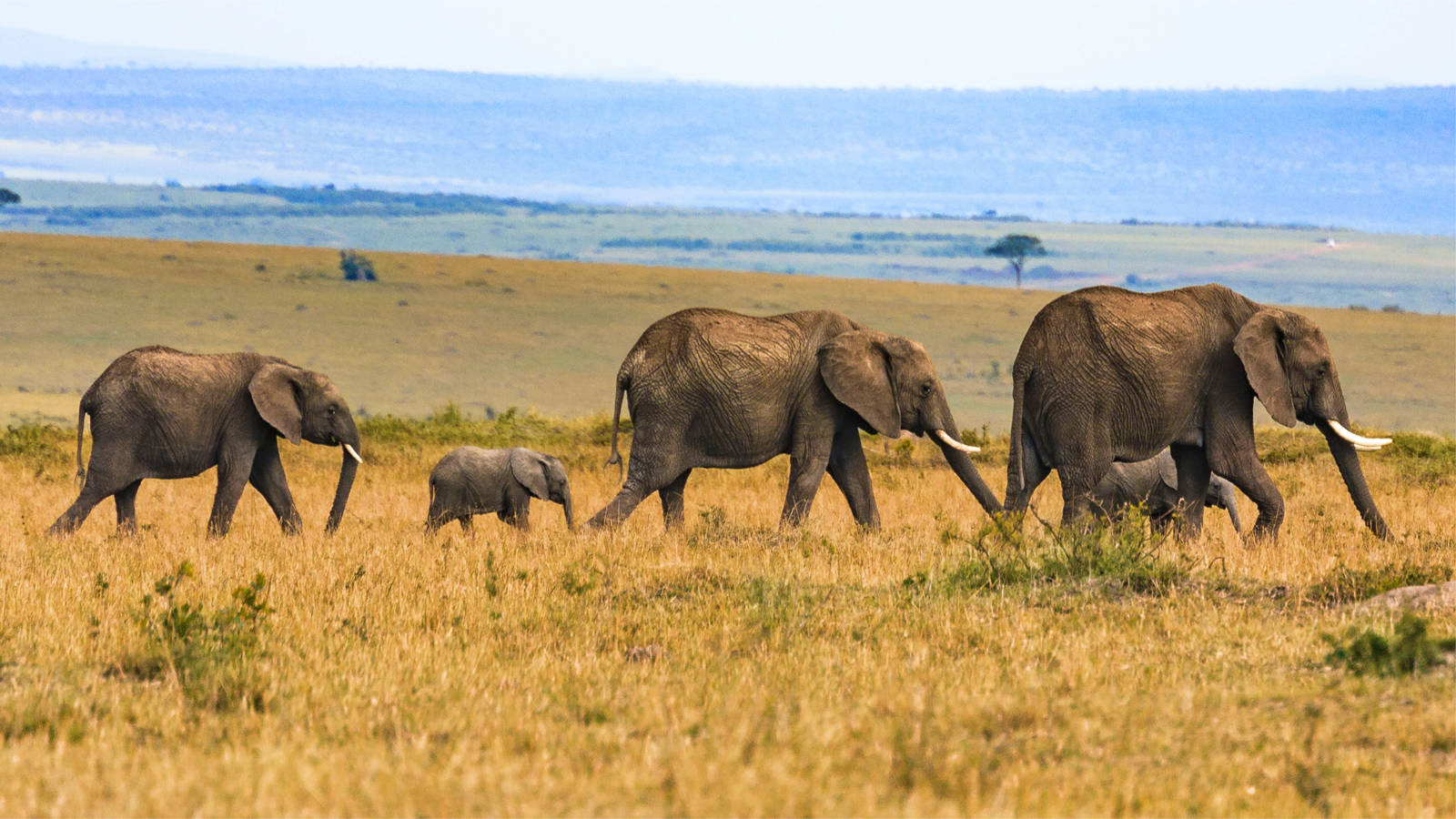
In these areas, you are almost guaranteed to see large numbers of wildebeest during the right season, along with lions, elephants, and buffalo. Leopards are also present, especially in riverine and wooded areas.
The main challenge, once again, is the rhino.
Great Migration and Big Five
The Rhino Factor: The Missing Piece
Rhinos are the limiting factor in achieving the full Big Five during a migration-focused safari. While they exist in parts of the Serengeti and Maasai Mara, sightings are rare due to low population numbers and conservation sensitivity.
This is why many experienced safari planners recommend adding a secondary destination known for higher rhino density. The most reliable option is Ngorongoro Crater.
Ngorongoro Crater is a unique ecosystem with a high concentration of wildlife in a relatively small area. It is one of the best places in East Africa to see black rhinos in the wild. By combining the Serengeti with Ngorongoro, travelers significantly increase their chances of completing the Big Five.
Timing Your Safari for Maximum Impact
Timing is the most critical factor when trying to combine these two experiences.
From July to October, the migration typically reaches the northern Serengeti and Maasai Mara. This is when river crossings occur, and predator activity is at its peak. During this period, you can see massive herds along with lions, crocodiles, and other predators in action.
This is widely considered the best window for combining migration viewing with Big Five sightings, especially if you include the Maasai Mara or add Ngorongoro to your itinerary.
From January to March, the migration moves to the southern Serengeti for calving season. This is another excellent time to visit, as thousands of calves are born within a short period, attracting predators and creating intense wildlife interactions.
However, during this period, the migration is more concentrated in one area, and you will still need an additional destination like Ngorongoro to reliably see rhinos.
Structuring a Safari That Works
A well-designed safari itinerary does not rely on a single destination. Instead, it combines locations that complement each other.
A typical structure might begin in Serengeti National Park, where you track the migration based on the season. You then continue to Ngorongoro Crater to increase your chances of seeing rhinos and completing the Big Five.
Alternatively, you could combine the Serengeti with Maasai Mara National Reserve for a cross-border safari that follows the migration while maximizing predator sightings.
This layered approach ensures that you are not relying on luck, but rather building a safari with high-probability outcomes.
Can You Do It in One Country?
Yes, but it depends on how you plan.
In Tanzania, combining Serengeti National Park with Ngorongoro Crater offers one of the most reliable ways to see both the migration and the Big Five within a single country.
In Kenya, combining Maasai Mara National Reserve with nearby conservancies or rhino sanctuaries can also achieve similar results, although rhino sightings are generally less predictable than in Ngorongoro.
The Reality of Safari Planning
It is important to approach this question with realistic expectations. Wildlife is not staged, and no safari operator can guarantee specific sightings. However, with the right destinations and timing, your chances can be significantly increased.
The biggest mistake travelers make is assuming that visiting a single park will deliver both experiences. In reality, the migration is seasonal and mobile, while the Big Five—especially rhinos—require targeted locations.
A successful safari is therefore not about visiting one place, but about understanding how different ecosystems work together.
Final Thoughts: One Safari, Two Icons
Seeing both the Great Migration and the Big Five on one safari is not only possible—it is one of the most rewarding wildlife experiences you can have. It combines large-scale ecological drama with intimate encounters with Africa’s most iconic animals.
But it requires planning with intent. Choosing the right time of year, selecting the right parks, and structuring your itinerary strategically are all essential steps.
When done correctly, a safari through Serengeti National Park, Maasai Mara National Reserve, and Ngorongoro Crater can deliver both the sweeping spectacle of the migration and the full checklist of the Big Five.
This is not just a safari—it is a complete immersion into the rhythms of the wild, where movement, survival, and biodiversity come together in one unforgettable journey.