


Shimba Hills Reserve: Kenya’s Coastal Forest and Sable Antelope
Kenya is known for its open spaces, amazing animal migrations, and tall mountains. There is a special place that is really different from the rest. Shimba Hills Reserve is a place to see a new kind of safari. It has hills, thick forests, waterfalls, and a special kind of antelope that is very rare. This place is about 33 kilometers from the ocean, near Diani Beach. It is a mix of tropical beauty and lots of different kinds of animals and plants.
When you visit Shimba Hills Reserve, it feels different from a safari. From seeing big open fields, you see hills with mist on them and big trees, flowers, butterflies, and birds. The weather is cooler it is very quiet. There are not as many people. This makes Shimba Hills Reserve a great place to visit if you want to see something
Shimba Hills Reserve is a place to see animals go for walks, take scenic drives, watch birds, and relax near the ocean. If you spend one day here, you will see why this forest is so important for keeping animals and plants safe.
A Special Forest Near the Ocean
The Shimba Hills are near the ocean in Kenya. They make a kind of environment that is not found anywhere else in the country. The wind from the ocean brings rain, which helps keep the forest healthy and full of life. This forest is part of an area called the Eastern Arc and Coastal Forest. Scientists think this is one of the most important places in Africa for animals and plants because many of them are found only here.
When you walk or drive through the reserve, you see trees with vines on them, thick ferns, colorful flowers, and dense undergrowth. The sunlight filters through the trees, making patterns on the ground. During the season, the streams get stronger, the waterfalls get bigger, and the whole forest looks fresh and green.
The weather in Shimba Hills Reserve is nice all year round because it is higher up. This makes it a great place to walk around and explore.
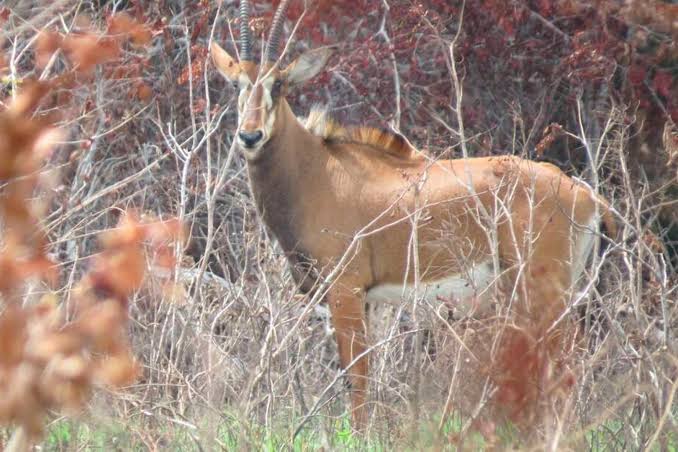
Shimba Hills forest landscape with rare sable antelope grazing peacefully beneath towering indigenous trees
Home of the Sable Antelope
The best thing to see in Shimba Hills Reserve is the antelope. This is the place in Kenya where you can see these amazing animals in the wild. The sable antelope has a black coat, white markings on its face, and big horns that curve backwards. The males are black, and the females and younger ones are brown.
Sable antelope are strong. Can defend themselves, but they like to eat grass in peaceful areas with trees around. They are always looking out for danger.
A time ago, the sable antelope were in trouble because their home was being destroyed, and there were not many of them left.. People have worked hard to protect them, and now you can see these beautiful animals in Shimba Hills Reserve.
Seeing a group of sable antelope eating grass in the morning is one of the best things you can experience in the reserve.
Other Animals in the Reserve
Even though the sable antelope is the attraction, Shimba Hills Reserve has many other kinds of animals.
You can see elephants in the forest. In the open fields. These elephants are smaller than the ones in the savannah because the trees and bushes make it hard for them to move around. It is amazing to see elephants come out of the forest quietly.
Buffalo like to gather in areas, especially when it is cooler. You can also see bushbucks, waterbucks, bush pigs, warthogs, and giraffes in parts of the reserve.
Leopards live in the forest. They are hard to see because they are shy. Smaller animals like civets, genets, mongooses, and servals are more active at night.
Monkeys add energy to the forest. You can see Sykes monkeys jumping from tree to tree and vervet monkeys looking for food, near picnic areas. Sometimes you can see baboons crossing roads or eating near the forest.
Every time you drive through the reserve, you see something because there are so many different kinds of animals and plants.
Birdwatching in Every Direction
People who love birds like this reserve. They think it is one of the places to see birds in Kenya’s coastal area.
Than 250 kinds of birds live in the forests, grasslands, wetlands, and river valleys. The types of birds change with the seasons. Migratory birds come to visit the birds that live here all the time.
Colorful turacos fly between trees. Hornbills make noises from high branches. Sunbirds visit flowers. Show off their shiny feathers.
Eagles and hawks fly over valleys looking for food. Kingfishers watch streams for fish. Bee-eaters sit on roadside perches. Show off their bright colors.
The best time to see birds is early in the morning. Many birds become active after sunrise when it is still cool.
Photographers like the light in the forest. It helps them take pictures of birds in their natural homes.
Scenic Landscapes Worth Exploring
Visitors like this reserve because the scenery is always changing.
Rolling hills stretch across the landscape. You can see forests, grasslands, and the ocean from viewpoints.
During the weather, the blue ocean is a beautiful backdrop for the green hills.
Open areas in the forest are places to see animals. You can spot grazing animals easily.
Wildflowers bloom in these areas. Attract many butterflies.
The reserve roads wind through environments. You can see habitats on a single game drive.
Mist often covers the hills in the morning. This creates scenes that photographers love.
Sheldrick Falls Adds Adventure
Hiking to Sheldrick Falls is an experience.
The trail goes through the forest. You see butterflies, birds, tall trees, and interesting plants.
Rangers go with hikers to ensure safety and protect the environment.
The waterfall drops about 21 meters into a pool. You can cool your feet in designated areas on certain days.
The hike teaches you about plants, forest ecology, and conservation.
Many travelers think this hike is one of the parts of their visit. It combines exercise, wildlife observation, and beautiful scenery.
Conservation: Protecting a Fragile Environment
Shimba Hills Reserve is more than a tourist attraction. It protects habitats that are disappearing elsewhere.
Development along Kenya’s coastline is hurting forests. Protected areas like this reserve provide habitats for wildlife.
Conservation organizations work with wildlife authorities and local communities to reduce habitat destruction.
Research programs monitor elephant populations, sable antelope numbers, bird diversity, and forest health.
Visitors help by paying park entrance fees. This supports habitat management, ranger patrols and wildlife protection.
Time to Visit
You can visit the reserve all year round. Each season offers experiences.
Dry months make it easier to see wildlife. Vegetation is less dense, and animals gather around water sources.
Roads are also easier to navigate during the months.
Rainy seasons make the landscape green. Waterfalls flow strongly. Flowers bloom.
Morning game drives are best for seeing wildlife. Late afternoon drives also produce sightings.
Photographers like the morning and evening light. It helps them take pictures.
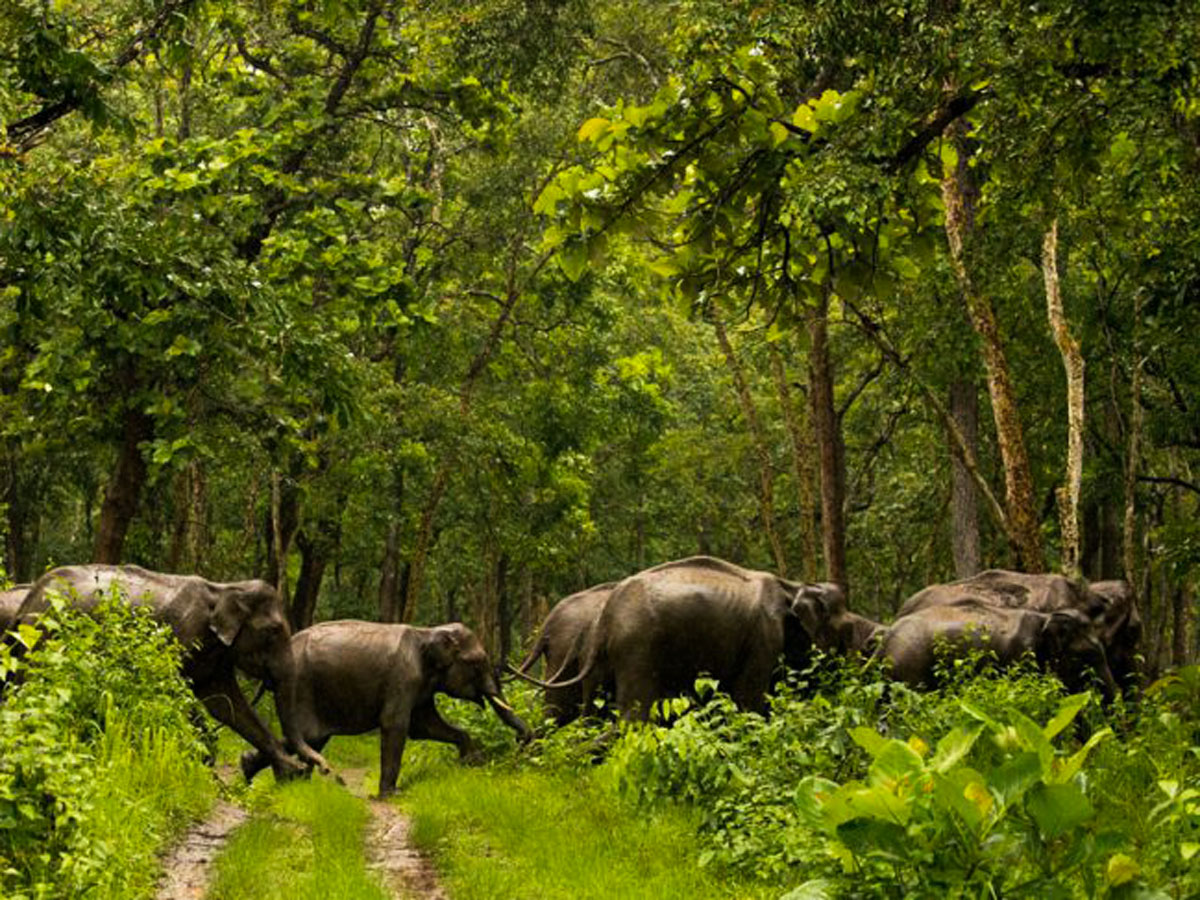
Elephants walking through Shimba Hills coastal forest surrounded by lush green indigenous vegetation peacefully
Combining the Reserve with Kenya’s Coast
One advantage of visiting Shimba Hills Reserve is its location near Kenya’s beaches.
Many travelers spend days relaxing on Diani Beach before visiting the reserve.
The short travel distance allows visitors to experience two environments.
You can watch antelope in misty forests and walk on white sandy beaches.
This combination appeals to families, honeymoon couples, photographers, and nature lovers.
Practical Tips for Your Visit
Wear walking shoes. You may take walks on uneven ground.
Bring drinking water, sunscreen, insect repellent, binoculars, and a camera.
Hiring a guide improves wildlife sightings. Guides know where to find antelope and can identify birds.
Be patient. Wildlife appears naturally. Quiet observation produces unforgettable encounters.
An Inspiring Safari Beyond
Many visitors arrive expecting a short excursion but leave with a deeper appreciation for Kenya’s natural heritage.
Shimba Hills Reserve proves that unforgettable safaris are not limited to open plains.
Its ancient forests, rolling hills, rare wildlife, spectacular waterfalls, and thriving birdlife create experiences.
Whether you are planning your Kenyan adventure or returning to discover new destinations, this reserve offers a refreshing perspective on Africa’s natural beauty.


