


Arabuko Sokoke Forest: Kenya’s Biodiversity Hotspot Near Malindi
Kenya is famous for its savannahs and amazing wildlife migrations. There is a special place near the coast that a lot of people do not know about. It is called Arabuko Sokoke Forest. This forest is near the beaches of Malindi and Watamu. It is an old forest with many rare animals and plants. There are also walking trails where you can be peaceful.
This forest is different from places where you can see animals. In those places, you have to look for animals like lions or elephants in open spaces.. In Arabuko Sokoke Forest, you have to slow down and look carefully. Every sound, every bird, and every tree has a story to tell. It is a place where you can have experiences.
Arabuko Sokoke Forest is very big. It covers more than 420 square kilometers. It is the largest forest of its kind in East Africa. Many people who take care of the environment think it is one of the most important places in Kenya. This is because many of the plants and animals that live there cannot be found elsewhere.
A Forest with Ancient Origins
A time ago, before people knew about Kenya’s wildlife, there were forests all along the coast. Because of changes in the weather, farming, and people building houses, many of these forests disappeared. Arabuko Sokoke Forest is one of the few that is still left. It is like a museum of nature. It shows us what the environment was like a long time ago.
When you walk in the forest, it feels very different from places in Kenya. The trees are very tall. They block out the sun. This makes the forest cool and comfortable. There are also vines and old trees that make the forest very interesting.
Scientists are still learning about the forest. They are finding things about the animals and plants that live there. This shows how important it is to protect the forest.
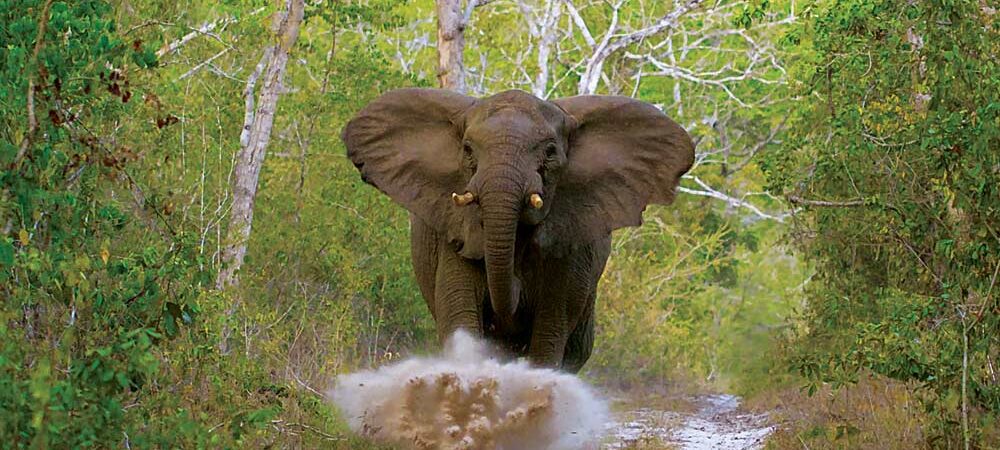
Elephant walking near Arabuko Sokoke Forest with Kenya’s coastal trees and wildlife
Three Distinct Forest Habitats
One of the reasons Arabuko Sokoke Forest’s so special is that it has many different kinds of habitats. The mixed forest has tall trees that provide a lot of shade. This is a place for many animals and birds to live.
The Cynometra woodland is different. The trees are shorter. The plants are thicker. This is a place for animals that like to live in dense forests.
The Open Brachystegia woodland is brighter. The sun can reach the ground. This is a place for animals that like to live in open spaces.
You can see all of these habitats when you walk in the forest. It is very interesting to see how the animals and plants adapt to their environments.
A Paradise for Birdwatchers
Arabuko Sokoke Forest is a place for people who like birds.
There are more than 260 kinds of birds in the forest. This makes it one of the places in East Africa to see birds. Both beginners and experienced birdwatchers love to come. They can see colorful birds that they cannot see anywhere else.
Some of the birds that live in the forest are very rare. The Sokoke Scops Owl is one of them. It is very small. It can blend in with the trees. The Clark’s weaver is another bird that’s hard to find. It depends on the forest to survive.
Other birds that you can see in the forest include the Amani Sunbird, the East Coast Akalat, and the Narina Trogon. There are also kingfishers, hornbills, and woodpeckers.
The best time to see birds is early in the morning. This is when the forest is most alive. The birds are. It is a great time to see them.
Home to Rare Mammals
The forest is home to the Golden-rumped Elephant Shrew. This animal is very famous. The Golden-rumped Elephant Shrew is not actually related to elephants. It is a mammal with a long nose, and it can run very fast.
The forest is also home to the Sokoke-tailed Mongoose. This is a rare animal that you can hardly find anywhere else.
You can see other animals in the forest. These include:
Blue monkeys that jump from tree to tree.
Yellow baboons that look for food near the forest.
African civets that search for food at night.
Genets that climb trees quietly.
Bush babies with eyes that shine in the dark.
Different kinds of bats that help plants grow.
It is not always easy to see these animals. When you do, it is very exciting. This is because you are seeing them in their home. There are no crowds of people.
Butterflies, Reptiles, and Tiny Wonders
People often go on safari to see animals. The forest is also home to many smaller creatures. These are just as interesting.
There are many kinds of butterflies in the forest. They come in colors and are very beautiful. The kind of butterflies you see depends on the time of year.
The forest is also home to reptiles. These include chameleons, snakes, geckos, and lizards. These animals are very good at hiding.
Insects are also very important. They help plants grow and provide food for animals.
All these small creatures show us how many different kinds of life there are in the forest.
Indigenous. Remarkable Plant Life
The forest is home to many kinds of trees and plants. These plants are very important. They help keep the forest healthy.
The big trees in the forest provide shade. Keep the air cool. Their roots help keep the soil from washing
There are also various kinds of flowering plants. These provide food for insects and birds.
Some of the trees in the forest are very old. They have been alive for hundreds of years.
Scientists are still learning about the kinds of plants in the forest. They want to know more about how these plants help the forest ecosystem.
Walking Trails That Encourage Discovery
The way to see the forest is to walk through it. You can walk on trails with a guide. The guide will tell you about the animals and plants you see.
Walking is better than driving because you can see more. You can hear the birds singing and see the insects crawling on leaves.
The guides are very knowledgeable. They can tell you about the animals. How they live.
People who like taking pictures love walking in the forest. The light filtering through the trees is very beautiful.
Conservation Success Through Community Support
The forest is very important. We need to protect it.
The people who live near the forest are helping to protect it. They are doing things like farming butterflies and bees. They are also helping with tourism.
Schools are teaching children about the importance of protecting the forest.
Scientists are studying the forest to see how it is doing. They want to make sure the forest is healthy.
Everyone is working together to protect the forest. This is good news.
Nearby Attractions Worth Exploring
There are other interesting places to visit near the forest.
You can go to the beach. See the coral reefs. You can also visit towns and learn about history.
There are things to do near the forest. You can go snorkeling or diving. You can also visit ruins and learn about the past.
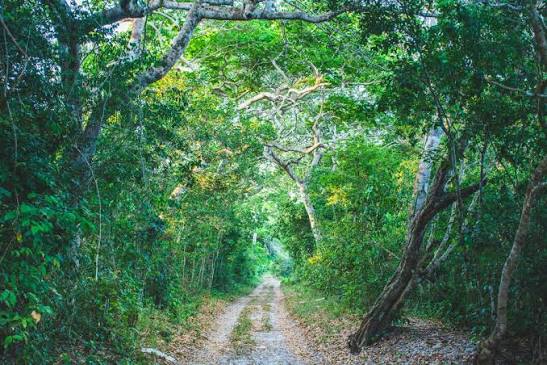
Woodlands of Arabuko Sokoke Forest showing Kenya’s coastal trees and natural biodiversity
Time to Visit
You can visit the forest at any time of year. The best time is when it is dry.
The dry seasons are from January to March and June to October. These are the times to walk in the forest.
After it rains, the forest is very beautiful. The flowers are. The animals are very active.
If you like birds, the time to visit is when the birds are migrating. You can see different kinds of birds.
The best time of day to visit the forest is early in the morning. This is when the animals are most active.
Tips for an Enjoyable Visit
You should wear walking shoes when you explore the trails. This makes it much easier to walk. It is also a good idea to wear lightweight clothing with long sleeves. This helps protect you against insects and thorny vegetation.
If you like birdwatching, you should bring binoculars. This will help you see birds better. If you like taking pictures, you should bring a camera with a telephoto lens. This allows you to take pictures of animals that’re far away without disturbing them.
You should also bring water, sunscreen, and insect repellent. These things will make your outing more comfortable. When you are on the trails, you should talk quietly. This will help you see animals that’re hard to find.
It is a good idea to hire a guide who knows a lot about the area. This will make your experience more enjoyable. The guide can help you see animals that you might not see otherwise.
You should stay on the trails. Do not disturb the animals. This will help keep the ecosystem healthy for generations.
An Experience That Reveals Kenya’s Hidden Natural Riches
A lot of people visit Kenya to go on safari and see animals. These experiences are really cool.. Kenya has a lot more to offer than just savannahs. Arabuko Sokoke Forest: Kenya’s Biodiversity Hotspot Near Malindi is a place to visit if you want to see a different side of Kenya. This forest is one of the diverse ecosystems in Africa. Every step you take will reveal a layer of life.
When you visit this forest, you will start to think about conservation in a way. You will realize that it is not about seeing big animals. The forest is home to a lot of insects, birds, plants, fungi, and small mammals. All of these things are important for the ecosystem.
If you choose to visit Arabuko Sokoke Forest: Kenyas Biodiversity Hotspot Near Malindi, you will be supporting conservation efforts. This will help protect species and preserve one of the last remaining coastal forests in East Africa. This forest is a place that will reward you if you are curious, patient, and respectful of nature. You will leave with lasting memories of a landscape that’s unlike anywhere else in Kenya.


