



Ruma National Park: Kenya’s Last Wild Roan Antelope
Ruma National Park is a place in Kenya where you can see the last wild Roan Antelope. It is located in the Lambwe Valley near Lake Victoria. This park is the place in Kenya where you can still see these animals living free and grazing on open grassland as they have for a long time.
If you like stories about animals that feel real and not staged, then Ruma National Park is the place to go. You can see the Roan Antelope in its habitat, and it is a really special experience.
Ruma National Park is 120 square kilometers big and has different types of landscapes like savanna, forest, and escarpment. It is located in Homa Bay County, which’s about 425 kilometers from Nairobi. The park is far from the tourist route, which means it is not as crowded as other parks like the Maasai Mara or Amboseli. This is good for the animals because they are not as scared of people, and you can see them behaving naturally.
WHERE RUMA NATIONAL PARK SITS AND WHY IT MATTERS
The park was created in 1966 to protect the Roan Antelope. The people who made the park wanted to give these animals a place to live without being hurt by cattle or hunters. This decision has shaped how the park is managed. It is still the main goal today.
Ruma National Park is different from parks in Kenya because it was created to protect just one type of animal: the Roan Antelope. In the past, cattle grazing and tsetse fly control programs hurt the Roan Antelope population. By the time people tried to help, there were not many left. The park was made to protect the breeding population of Roan Antelope in Kenya, and it has been successful.
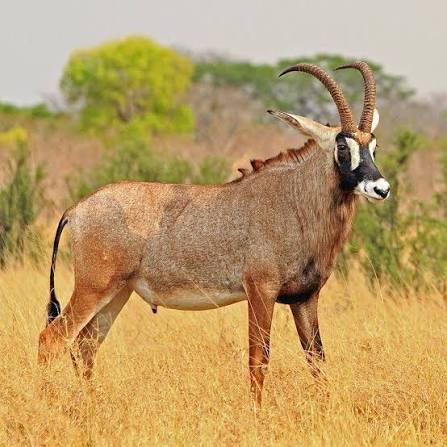
The Roan Antelope is a special animal. It is one of the antelope species in Africa, and it has a unique appearance. It has a brown or grayish coat, and both males and females have curved horns. The black and white markings on its face make it look like it is wearing a mask.
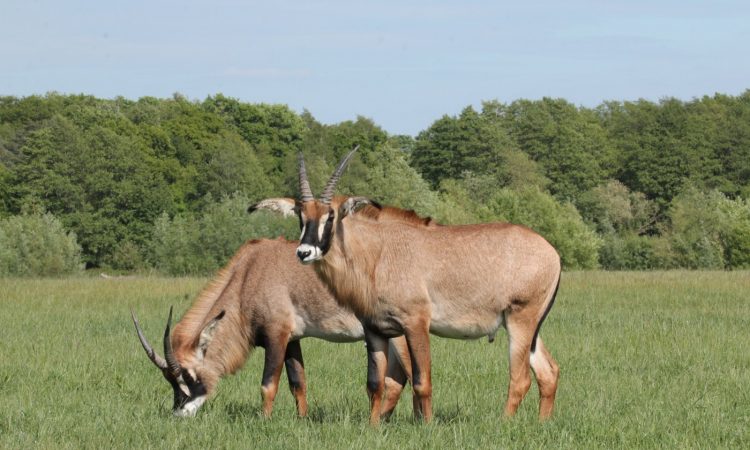
Wild roan antelope grazing on open grassland inside Ruma National Park, Kenya
A Park Built Around One Species
What makes the Roan Antelope really rare is that there are not many left in Kenya. There are more than 50 individuals living in the wild, and most of them live in Ruma National Park. This is a small number, and it is because the Roan Antelope needs specific conditions to survive. They need grass to graze on, and they do not like areas with heavy tree cover. They also need a lot of space to live in groups.
The Roan Antelope population has been hurt by habitat loss and disease transmitted by cattle. They also do not reproduce quickly, which makes it hard for them to recover when their numbers fall. All these factors have contributed to the Roan Antelope being on the edge of extinction. In Kenya, Ruma National Park is the place where they are still safe.
Genetic diversity is a problem for the roan antelope. A small population like this is at risk of inbreeding, which can weaken the animals and lower the number of calves that survive. The Kenya Wildlife Service has worked with countries to keep the bloodlines of the roan antelope healthy. They do this by moving some of the animals to other places. This is careful work. It does not make news, but it is the reason the roan antelope still lives in this part of the country.
LIFE INSIDE THE PARK BEYOND THE ROAN
The roan antelope gets a lot of attention. The Ruma Park is home to many other animals. There are 445 types of birds in the park. This makes it a great place for people who like to watch birds. One of the birds you can see is the swallow. This bird is very rare. Ruma is one of the last places it can be found.
You can also see Rothschild’s giraffe in the park. This animal is disappearing in parts of Kenya. There are also buffalo, hippos and leopards. The oribi, topi, and Jackson’s hartebeest are some of the animals that live in the park. Each of these animals has its special place in the park.
Birds, Hippos, and the Lambwe Valley
The Lambwe River runs through the park. Fills a wetland that many animals need. During the season, the river is the center of activity. Hippos, waterbuck, and many types of birds come to the river. If you visit the park early in the morning, you can see animals. This is the time to visit.
CONSERVATION CHALLENGES FACING THE HERDS
It has not been easy to protect the wild roan antelope. In the 1990s and early 2000s, many of the animals were killed by poachers. The Kenya Wildlife Service and the community worked together to stop this. They also put up fences to keep the animals from getting into trouble with the people who live near the park. The fences also keep the animals from moving freely.
The park does not get a lot of money from tourists. This means they do not have the money to pay the rangers to take care of the animals and fix the park. The Kenya Wildlife Service and other groups have worked together to get money to help the roan antelope. They move some of the animals to parks to keep the bloodlines healthy. Every new calf that is born is very important for the future of the species.
Poaching, Fencing, and Genetic Bottlenecks
The rangers at Ruma keep an eye on the roan antelope. They watch them for years to learn about their habits and how they move. This is possible because the park is small. The rangers know the park and the animals well. They can respond quickly if there is a problem. This close relationship between the rangers and the animals is one of the park’s strengths.
All of this work is connected to one goal: keeping the roan antelope alive. The rangers, the fences, and the moving of animals all work together to help the species. Every new calf that is born is a win.
Ranger observing roan antelope herd near Lambwe River in Ruma National Park
VISITING RUMA NATIONAL PARK: KENYA’S LAST WILD ROAN ANTELOPE SANCTUARY
If you want to visit the park, you should plan to stay for at least two days. The park is open all year. The best time to visit is during the dry season. You will need a four-wheel drive vehicle to get around the park. The roads can be very slippery during the season.
The cost to get into the park is not very high. You can stay in a campsite or a guesthouse in Homa Bay town. It is a good idea to hire a guide who knows the park. They can help you find the roan antelope. You should bring binoculars, a camera, and be patient. You may not see the roan antelope every time you go on a game drive.
WHY THIS PARK DESERVES YOUR ATTENTION
Visiting Ruma National Park is an experience. You can see the roan antelope in a setting. You will not find other tourists. You will see the animals in a peaceful place. The money you spend to visit the park helps to pay the rangers and take care of the animals. Your visit is important for the survival of the roan antelope. It is a way to help protect the species and the park.


