

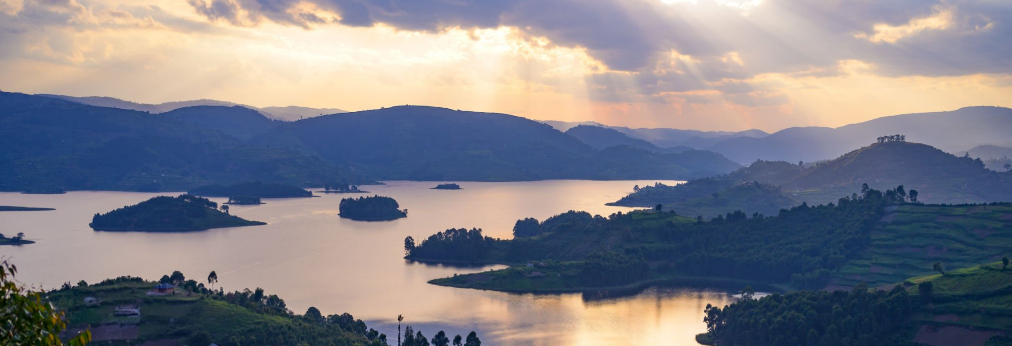
Rwanda’s Lakes Worth Visiting? Discover the Hidden Gems of the Land of a Thousand Hills
So, are Rwanda’s lakes worth visiting? The answer is a resounding yes. These serene bodies of water offer stunning landscapes, rich biodiversity, cultural significance, and thrilling adventures. Whether you’re a nature lover, an adventure seeker, or someone looking for tranquility, Rwanda’s lakes provide unforgettable experiences that will leave you inspired and rejuvenated.
In this article, we’ll explore the beauty, significance, and unique offerings of Rwanda’s lakes, proving why they deserve a spot on your travel bucket list.
The Allure of Rwanda’s Lakes: A Natural Paradise
Rwanda, often called the “Land of a Thousand Hills,” is blessed with numerous lakes that enhance its picturesque scenery. These lakes vary in size, ecological importance, and recreational opportunities, making each one a unique destination.
1. Lake Kivu: Rwanda’s Lakes Worth Visiting Crown Jewel
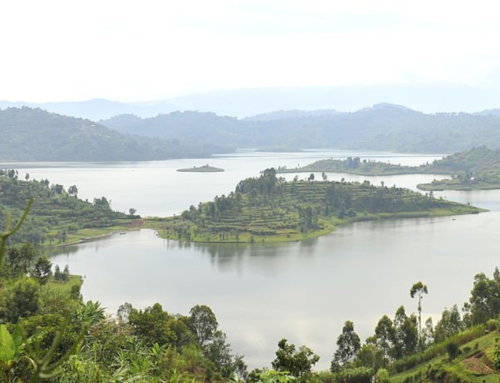
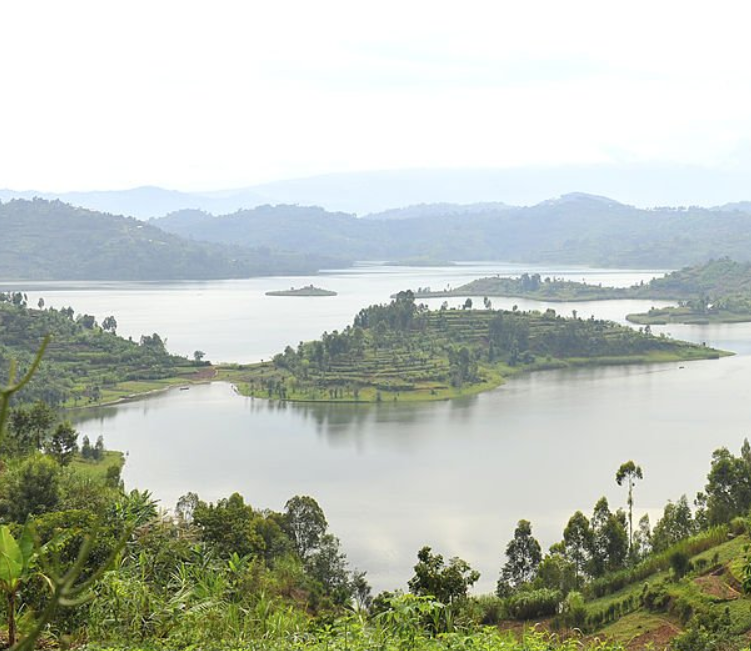
Lake Kivu is the largest and most famous lake in Rwanda, stretching along the country’s western border with the Democratic Republic of Congo. Its shimmering blue waters, surrounded by rolling hills and charming towns, create a postcard-perfect setting.
Why Visit Lake Kivu?
-
Stunning Sunsets: Few experiences compare to watching the sun dip below the horizon over Lake Kivu, painting the sky in hues of orange, pink, and gold.
-
Water Activities: From kayaking and boat rides to swimming in the lake’s safe, bilharzia-free waters, adventure awaits.
-
Island Exploration: Visit Napoleon Island, home to a colony of fruit bats, or Amahoro Island for a peaceful retreat.
-
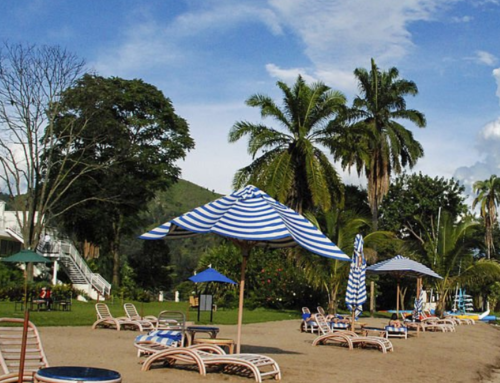
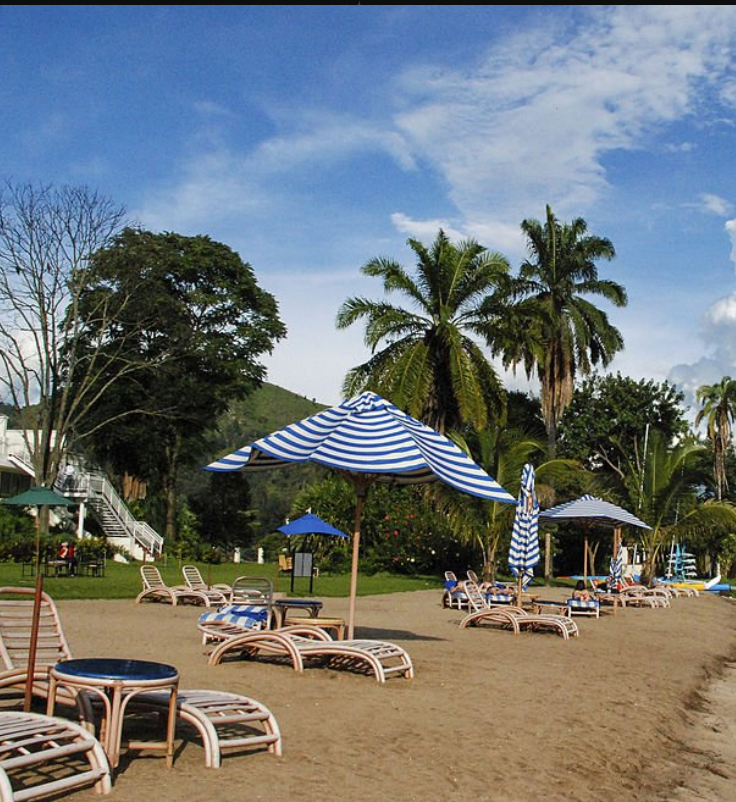
Relaxation & Luxury: Resorts like Lake Kivu Serena Hotel and Cormoran Lodge offer world-class relaxation with breathtaking views.
Lake Kivu is more than just a body of water—it’s a place where you can unwind, explore, and connect with nature.
2. Lake Burera & Lake Ruhondo: The Twin Lakes of Northern Rwanda’s Lakes Worth Visiting
Nestled near Volcanoes National Park, Lake Burera and Lake Ruhondo are twin lakes known for their dramatic volcanic backdrops and tranquil beauty.
Why Visit the Twin Lakes?
-
Gorilla Trekking Extension: Combine your gorilla trekking adventure with a visit to these lakes for a complete Rwandan experience.
-
Cultural Encounters: Engage with local fishermen and learn about their traditional ways of life.
-
Boat Tours & Birdwatching: Glide across the calm waters while spotting rare bird species like the grey crowned crane.
These lakes offer a peaceful escape from the hustle and bustle, making them perfect for reflection and relaxation.
3. Lake Muhazi: A Serene Retreat Near Kigali
Just an hour’s drive from Rwanda’s capital, Lake Muhazi is a long, narrow lake surrounded by lush greenery.
Why Visit Lake Muhazi?
-
Easy Accessibility: Ideal for a quick getaway from Kigali.
-
Fishing & Kayaking: Enjoy a quiet day on the water, soaking in the peaceful atmosphere.
-
Lakeside Lodges: Stay at eco-friendly lodges like Rwiza Village for a rustic yet comfortable experience.
Lake Muhazi is proof that you don’t need to travel far to find serenity in Rwanda.
4. Lake Ihema: A Wildlife Haven in Akagera National Park
Located in Akagera National Park, Lake Ihema is Rwanda’s second-largest lake and a hotspot for wildlife enthusiasts.
Why Visit Lake Ihema?
-
Boat Safaris: Spot hippos, crocodiles, and hundreds of bird species, including the rare shoebill stork.
-
Game Drives: Combine your lake visit with a safari to see elephants, giraffes, and lions.
-
Conservation Success Story: Akagera’s revival is a testament to Rwanda’s commitment to wildlife preservation.
For those who love nature and wildlife, Lake Ihema is a must-visit.
Why Rwanda’s Lakes Worth Visiting Are More Than Just Scenic Spots
Beyond their beauty, Rwanda’s lakes play a crucial role in the country’s ecosystem, economy, and culture.
1. Ecological Importance
-
Biodiversity Hotspots: These lakes support diverse aquatic life, birds, and surrounding flora.
-
Freshwater Resources: They provide water for drinking, agriculture, and hydropower.
2. Economic Impact
-
Tourism Revenue: Lakes like Kivu and Ihema attract tourists, boosting local businesses.
-
Fishing Industry: Many communities depend on fishing for their livelihoods.
3. Cultural Significance
-
Traditional Fishing Practices: Witness age-old fishing techniques passed down through generations.
-
Local Legends: Some lakes hold spiritual and historical importance in Rwandan folklore.
How Visiting Rwanda’s Lakes Can Inspire You
Travel is more than just sightseeing—it’s about transformation. Here’s how Rwanda’s lakes can motivate and inspire you:
1. A Reminder of Nature’s Beauty
In a fast-paced world, these lakes offer a chance to slow down, breathe, and appreciate the simple wonders of nature.
2. A Lesson in Resilience
Rwanda’s journey from tragedy to triumph is mirrored in its pristine lakes—symbols of renewal and hope.
3. An Invitation to Adventure
Whether it’s kayaking on Lake Kivu or spotting wildlife on Lake Ihema, these lakes push you out of your comfort zone.
4. A Call for Conservation
Seeing these natural treasures firsthand inspires a deeper commitment to protecting our planet.
Rwanda’s Lakes Are Absolutely Worth Visiting
So, are Rwanda’s lakes worth visiting? Without a doubt. They offer a perfect blend of adventure, relaxation, culture, and natural beauty. Whether you’re gazing at Lake Kivu’s sunset, exploring the twin lakes, or embarking on a boat safari in Akagera, these experiences will stay with you long after you leave.
Rwanda’s lakes are not just destinations—they are gateways to inspiration, reflection, and unforgettable memories. Pack your bags, set your spirit free, and discover the magic of Rwanda’s hidden aquatic gems.
The question isn’t if you should visit—it’s when.
Plan Your Trip Today!
Ready to explore Rwanda’s stunning lakes? Start planning your journey and prepare to be amazed by the beauty, adventure, and tranquility that await.
Rwanda’s lakes are calling—will you answer?