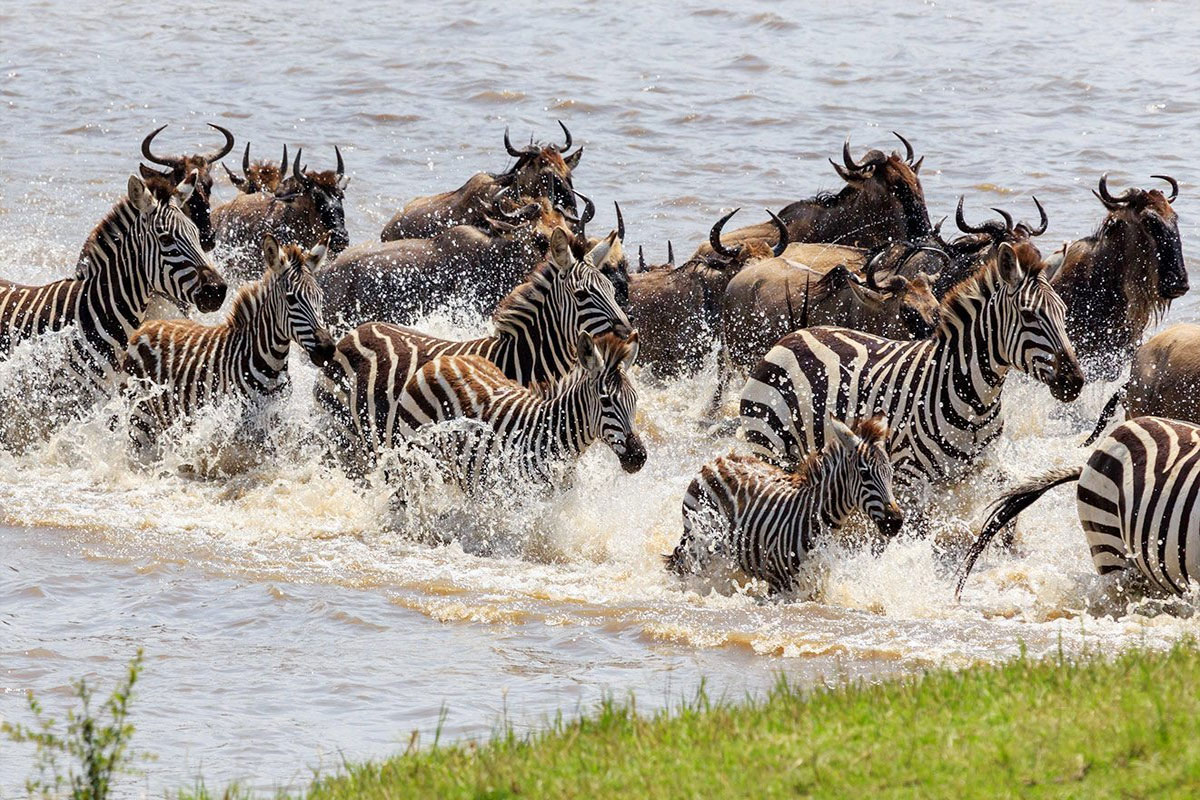
Zebra Migration vs Wildebeest: Are They Really Together?
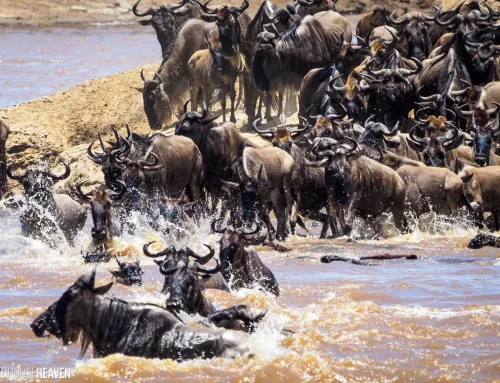
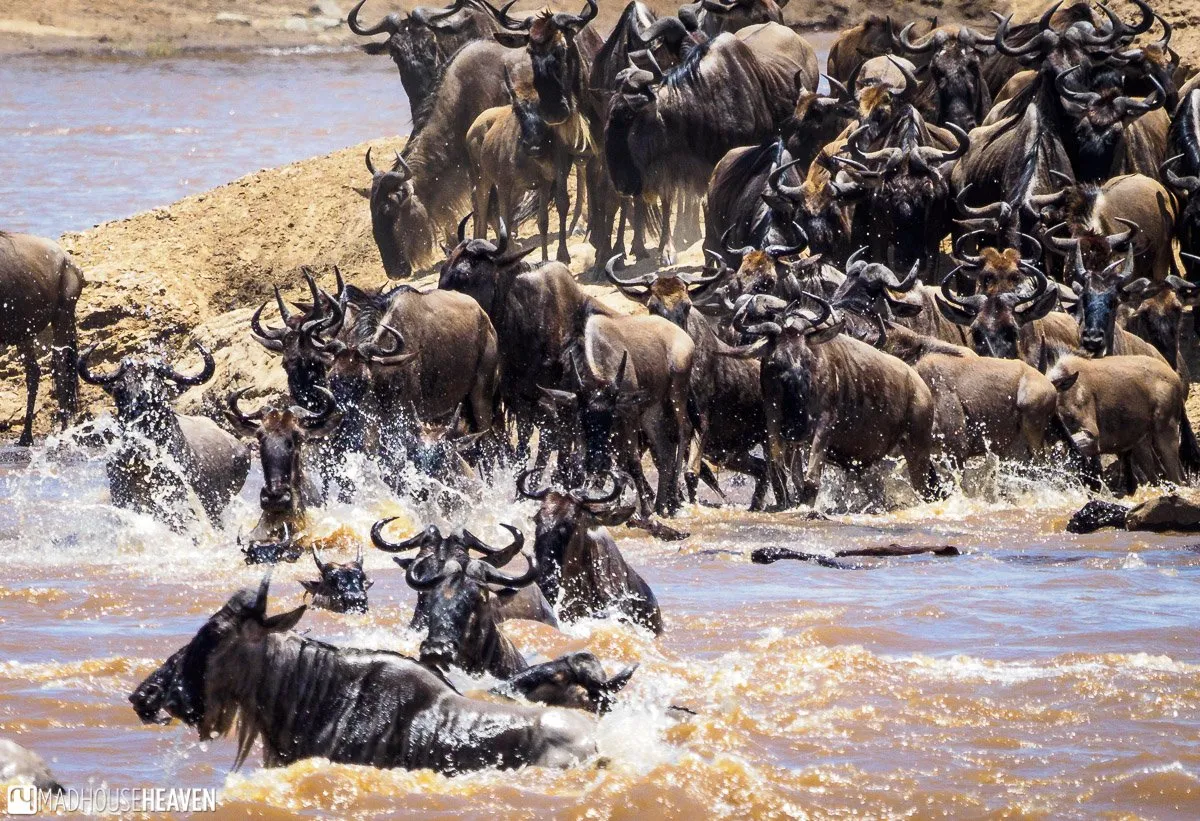
Zebra and wildebeest migration is one of the most misunderstood relationships in the Great Migration, often described as “together,” but in reality, it is a coordinated ecological overlap rather than a single unified herd movement. Both species participate in the same seasonal journey across East Africa, but they do so with slightly different timing, feeding strategies, and movement patterns.
This massive ecological system unfolds across the plains of the Serengeti National Park and extends into the Masai Mara National Reserve, driven by rainfall and fresh grass availability.
The key truth is that zebras and wildebeest are not inseparable companions, but they are strongly interconnected travelers within the same migration ecosystem.
Do Zebras and Wildebeest Actually Move Together?
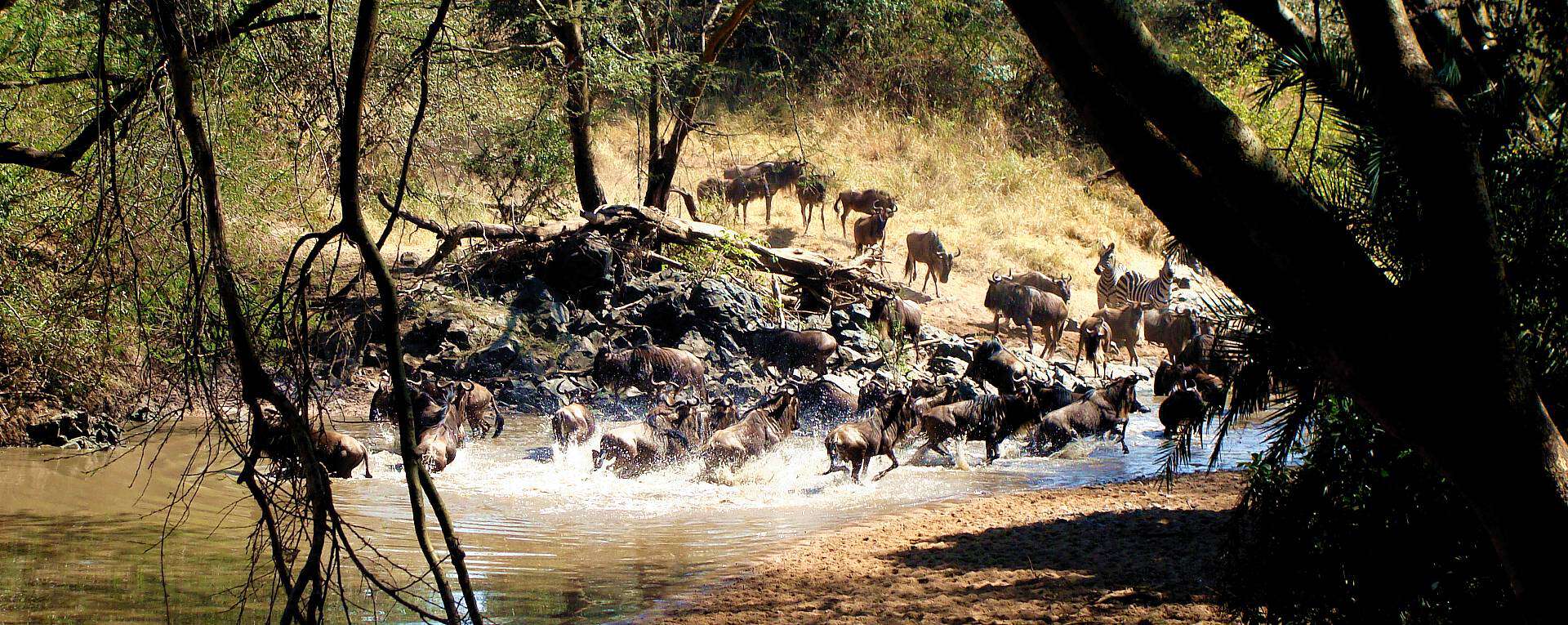
Zebras and wildebeest do not form a single unified herd, but they often travel in loosely associated groups that overlap in space and time during migration. Zebras tend to migrate slightly ahead of wildebeest, while wildebeest follow the progression of fresh grazing grass more precisely.
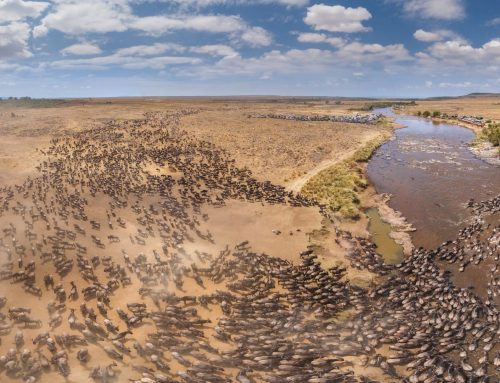
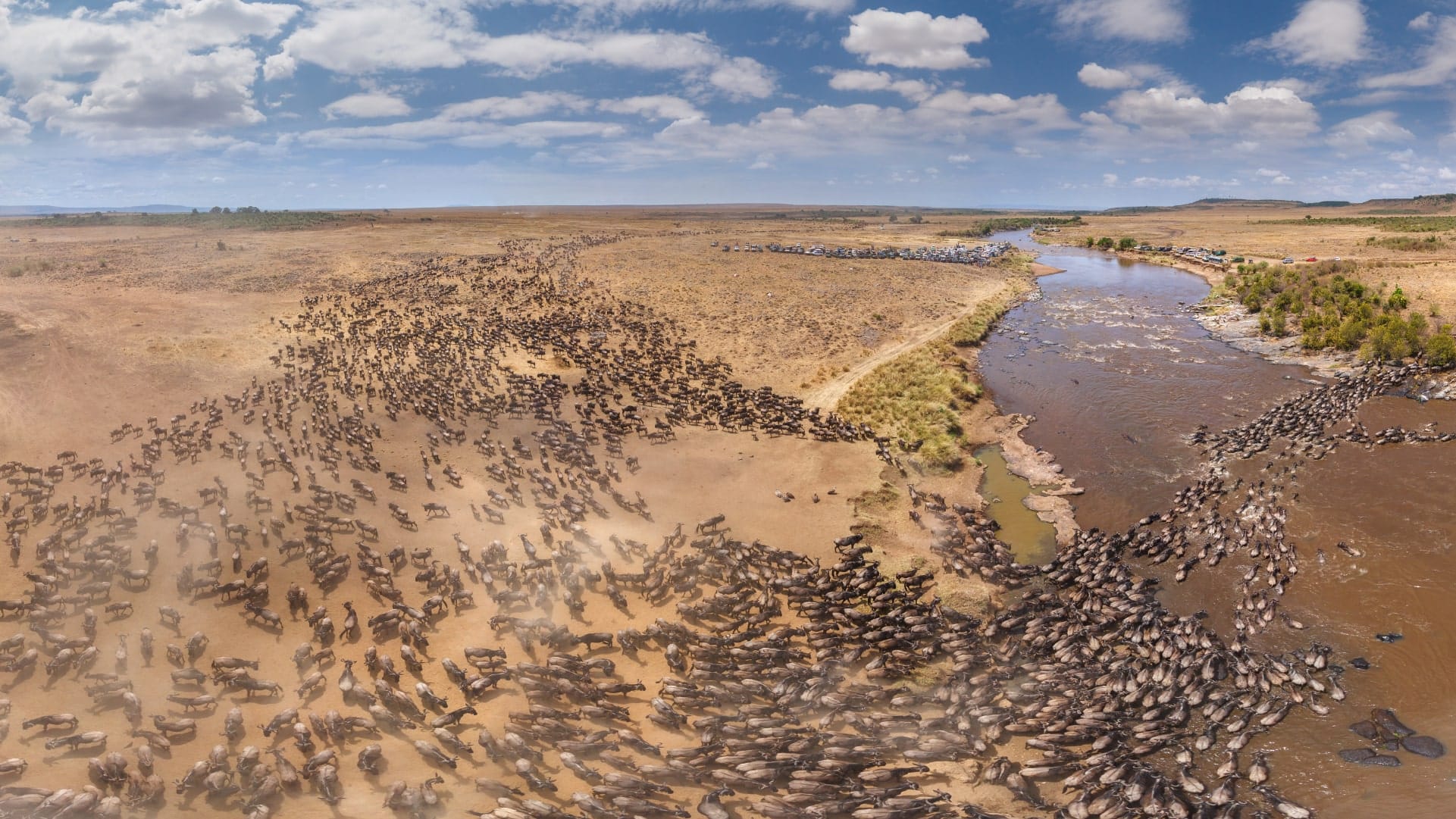
Within the ecosystem of the Serengeti National Park, this staggered movement creates the appearance of a combined migration, especially when viewed across vast open plains where thousands of animals move in the same general direction.
In reality, it is two parallel migrations responding to the same environmental signals rather than one synchronized herd.
Why Zebras Lead and Wildebeest Follow
The difference in grazing behavior is the main reason zebras often appear to lead the migration while wildebeest follow behind. Zebras are primarily bulk grazers that consume taller, tougher grasses, which helps clear the way for wildebeest.
Within the grasslands of the Serengeti National Park, zebras are able to digest lower-quality forage more efficiently, allowing them to move earlier into fresh grazing zones. Wildebeest, on the other hand, depend more heavily on short, nutrient-rich grass that appears after zebras have grazed through an area.
This feeding sequence creates a natural ecological relay system between the two species.
The Role of Rainfall in Synchronizing Movement
Rainfall patterns are the primary driver that indirectly synchronizes zebra and wildebeest migration timing. Both species follow the “green wave” of fresh grass that appears after seasonal rains across the Serengeti ecosystem.
In the Serengeti National Park, short rains trigger rapid grass growth in the southern plains, attracting wildebeest and zebras simultaneously, even if their internal movement strategies differ.
This shared response to environmental change is what keeps both species aligned within the same migratory system.
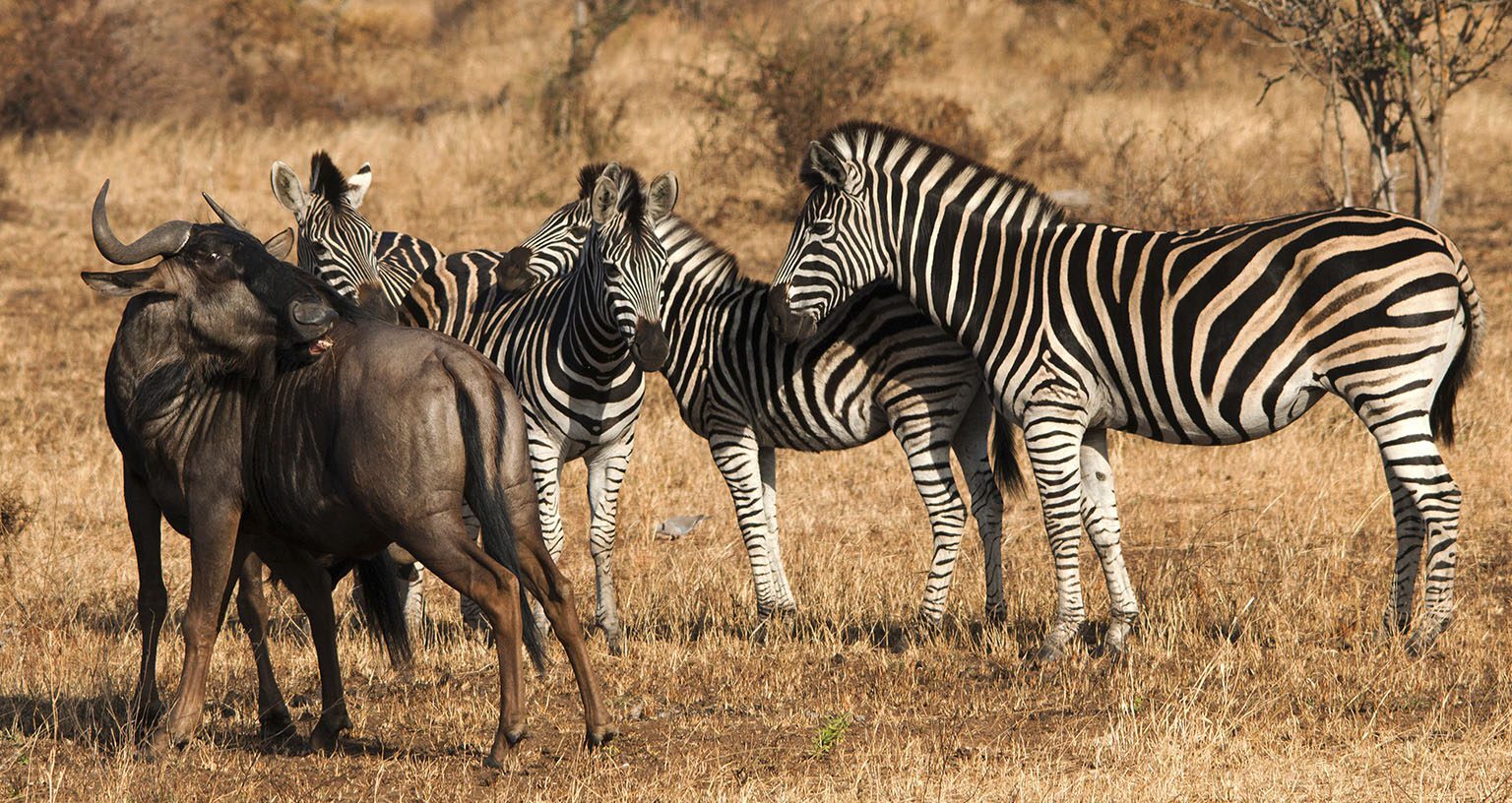
Zebra Migration vs Wildebeest
How Zebras and Wildebeest Benefit From Each Other
Despite not being a single herd, zebras and wildebeest benefit significantly from each other’s presence during migration. Their mixed grazing reduces competition and increases survival efficiency.
Within the ecosystem of the Serengeti National Park, zebras help expose fresh grass shoots by grazing on taller vegetation, while wildebeest selectively feed on the most nutritious regrowth.
This complementary feeding behavior allows both species to thrive in the same environment without directly competing for the same food resources.
Predator Pressure and the Illusion of Unity
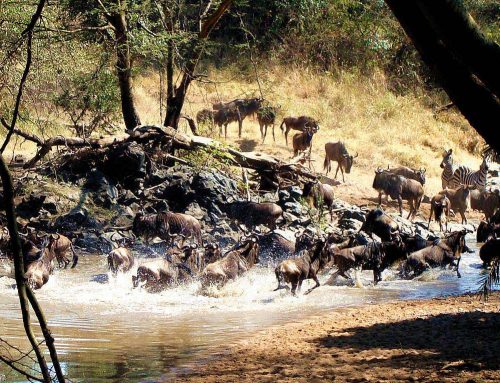
One of the main reasons zebras and wildebeest appear to migrate together is shared predator pressure from lions, hyenas, and cheetahs. Moving in large mixed herds reduces individual risk through safety in numbers.
Across the plains of the Serengeti National Park, predators often track both species simultaneously, creating the impression of a unified migration front.
However, predator avoidance is a shared survival strategy rather than a cause of true herd integration.
Differences in Calving and Foaling Behavior
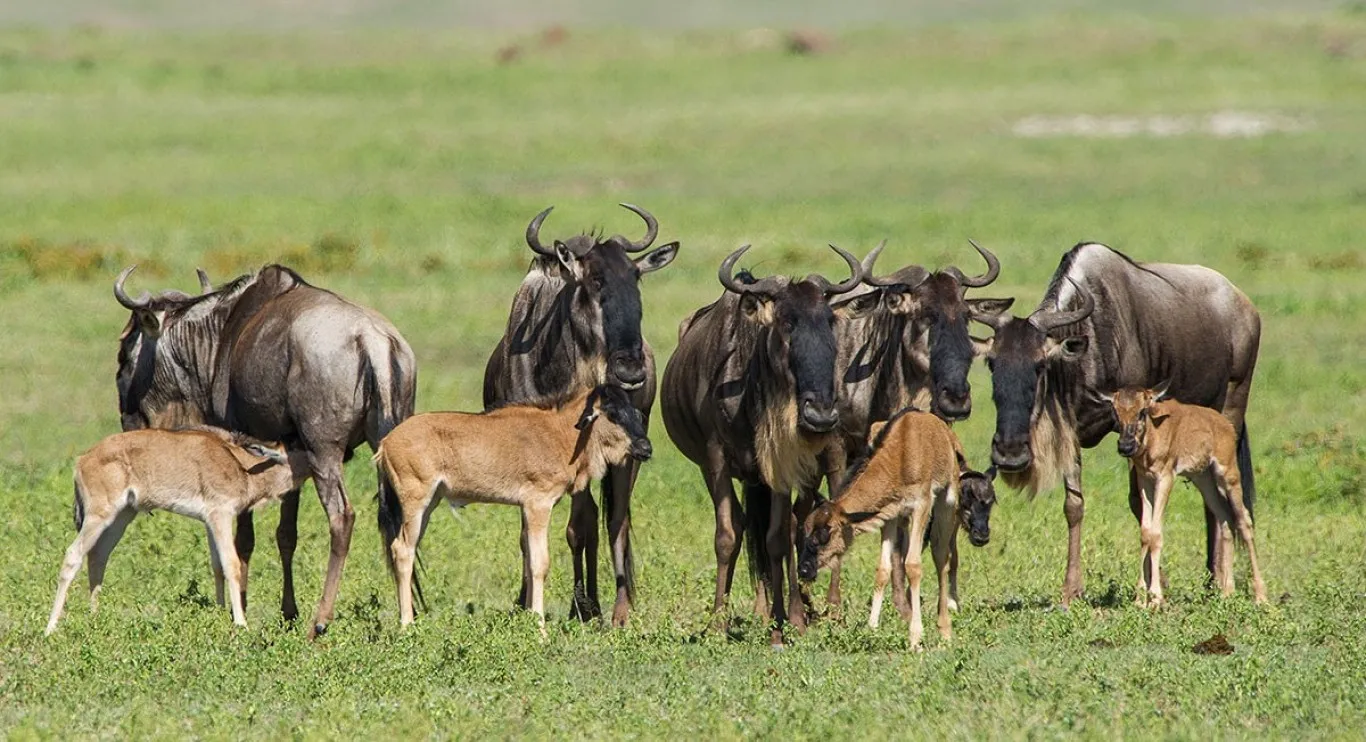
Wildebeest and zebras differ significantly in reproductive timing, which further highlights their distinct migration patterns. Wildebeest calving is highly synchronized, while zebra foaling is more spread out across time.
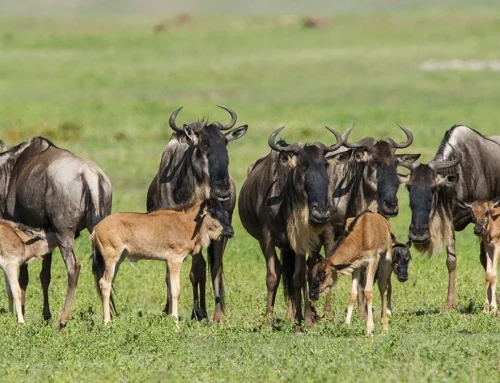
Within the Masai Mara National Reserve and Serengeti ecosystem, wildebeest give birth in massive synchronized bursts, overwhelming predators with sheer numbers. Zebras, however, rely more on individual vigilance and less on synchronized birthing.
This difference reinforces the idea that they are aligned travelers, not identical biological systems.
Movement Speed and Migration Rhythm Differences
Zebras generally move at a steadier, less urgent pace compared to wildebeest, which tend to move more directly in response to fresh grazing conditions. This creates subtle separation within the broader migration flow.
In the Serengeti National Park, zebras may linger longer in certain grazing areas, while wildebeest continue moving in search of optimal grass quality.
These differences ensure that the two species rarely move in perfectly synchronized patterns.
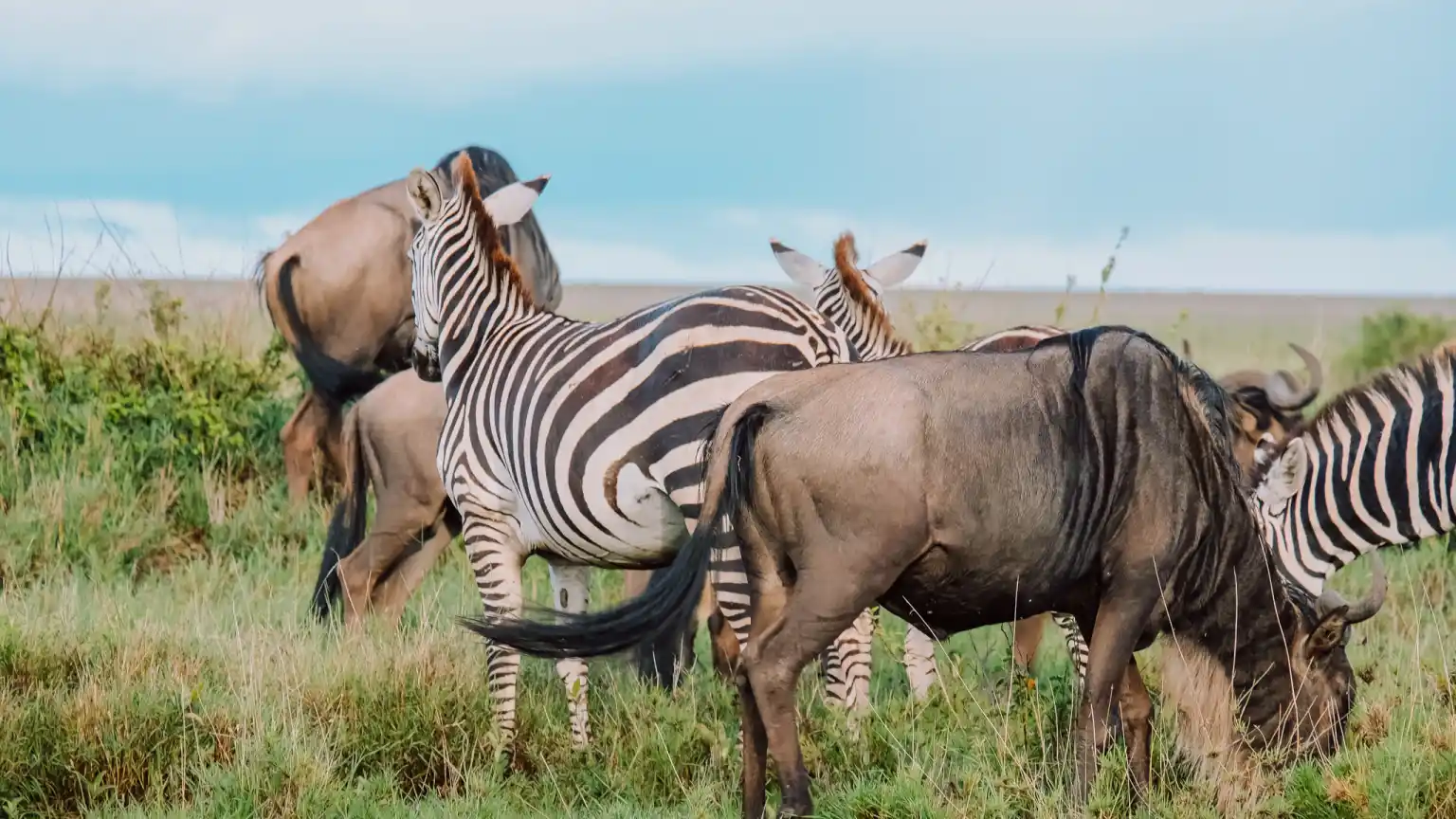
Zebra Migration vs Wildebeest
Social Structure Differences Between the Species
Zebras and wildebeest also differ in social organization, which influences how they migrate across landscapes. Zebras form stable family-based harems, while wildebeest live in more fluid and constantly shifting group structures.
Within the Serengeti ecosystem of the Serengeti National Park, zebra family groups tend to stay more consistent over time, whereas wildebeest herds continuously merge and split depending on environmental conditions.
This difference in social behavior further explains why their migration appears connected but not unified.
Are They Really Together or Just Sharing Space?
The most accurate answer is that zebras and wildebeest are not truly “together” in a strict biological sense, but they share the same migratory ecosystem and often occupy the same space at the same time.
Across the vast plains of the Serengeti National Park, their movement overlaps because both species are responding to identical ecological signals such as rainfall, grass quality, and water availability.
They are parallel travelers on the same journey rather than members of the same unified herd.
Final Thoughts on Zebra and Wildebeest Migration
Zebra and wildebeest migration represents one of nature’s most elegant examples of ecological synchronization without biological uniformity. Their movements overlap, complement each other, and create the illusion of unity across the Serengeti landscape.
Within the ecosystems of the Serengeti National Park and the Masai Mara National Reserve, this relationship is essential for maintaining grazing balance and supporting predator populations.
They are not the same journey—but they are inseparable parts of the same living system.