



Zanzibar Travel in Ramadan: What to Know and How to Respect It
Planning a holiday during Ramadan in Zanzibar is a way to see a different side of the island. Many visitors don’t get to experience this quieter, peaceful atmosphere shaped by faith, family, and tradition. For travelers who love cultural experiences, Ramadan in Zanzibar offers a chance to learn about local customs.
Zanzibar has a Muslim population. During Ramadan, Muslims fast from dawn till sunset. They use this month for prayer, charity, and spending time with family. Daily routines change and evenings become lively as families gather to break their fast.
Visiting Zanzibar during Ramadan does not mean your holiday will be boring. Most hotels, resorts, tour operators, and tourist attractions are still open.
You can have an experience if you understand the significance of Ramadan and show respect to local people.
Understanding Ramadan in Zanzibar
Ramadan follows the calendar. This means its dates change every year. During Ramadan, Muslims do not. Drink between sunrise and sunset. They break their fast with Iftar, a meal shared with family and friends.
In Zanzibar, Ramadan changes life. Shops may open later. Government offices may have shorter hours. Some local restaurants may be closed during the day. Hotel restaurants stay open.
Visitors who know about these changes are less likely to be surprised. They can enjoy the rhythm of island life.
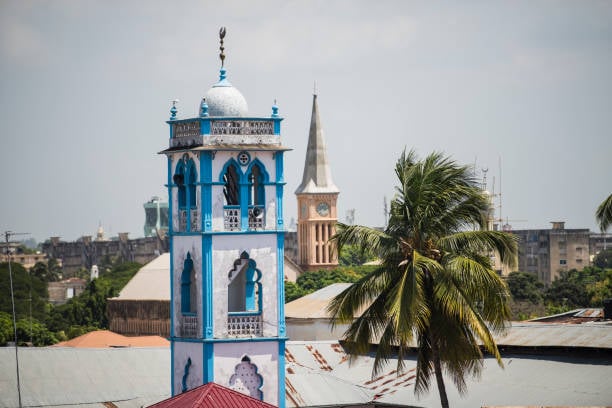
Peaceful Zanzibar street during Ramadan with locals gathering for evening Iftar after sunset prayers.
A Different Atmosphere Across the Island
One difference is the peaceful pace. Streets are quieter during the afternoon because people are conserving energy while fasting. Markets get busier before sunset as families buy food for Iftar.
Stone Town is especially interesting in the evening. The call to prayer echoes through the streets, and families gather to share meals.
The atmosphere changes from calm to lively, filled with conversation and food.
For travelers, this is an authentic glimpse into daily life. It can’t be experienced at certain times of the year.
Respecting Local Customs
Showing respect is easy. Most residents understand that visitors don’t have to fast.. Avoiding eating or drinking openly in local areas during the day is a thoughtful gesture.
If you get thirsty in Stone Town, step into a café or hotel rather than drinking while walking through crowded areas.
Dress modestly when visiting villages or mosques. Cover your shoulders and knees when leaving hotel areas.
These practices are appreciated throughout the year. Are especially meaningful during Ramadan.
Dining During Ramadan
Many visitors wonder if finding food will be hard. Fortunately, most hotels and larger restaurants serve meals throughout the day.
Some local cafés may be closed until sunset. Planning ahead can help avoid inconvenience.
The evening offers a culinary experience. Many hotels have Iftar buffets, and restaurants prepare Zanzibari dishes.
Trying these meals gives you an appreciation of the island’s food culture.
Experiencing Iftar
I will never forget the time I experienced Iftar during my trip to Zanzibar. It was during the month of Ramadan. Even if you are not fasting, you can still join in on an Iftar meal. This is a way to see an important part of the culture.
Many hotels have dinners for their guests during Ramadan. Some local communities and tour operators also have events where you can try traditional foods and learn about Ramadan from local families.
You can expect to eat foods such as dates and drink fruit juices. They also have soups and samosas. You can even try cassava snacks and grilled seafood. They also have biryani and pilau rice. Coconut curries are also very popular. Of course, they have freshly baked bread.
The meal usually starts after the sunset prayer. Then it is an evening with family and friends.
Visiting Stone Town During Ramadan
Stone Town is a place to visit any time of the year. During Ramadan, it is even more special.
The streets are quieter in the afternoon. After sunset, they come alive. You can smell the spices and grilled seafood. You can even smell the pastries. Families are preparing for the evening meal.
If you walk through Stone Town after Iftar, you can enjoy the atmosphere. You can also respect the traditions. The coffee shops are open again. The markets are busy. People are out socializing into the night.
The photographers love the evening light. They also love the lanterns and the decorated streets.
Mosque Etiquette
Many travelers love the mosques in Zanzibar. You have to remember that these are places of worship.
You should not go into the prayer areas unless you are invited or it is an hour. You should dress conservatively when you are near the mosque. Do not interrupt the people who are praying. Do not ask them for photos.
During prayer times, you should keep a distance. This is a sign of respect.
If a local guide is telling you about the mosque, you can ask them questions. Many people are happy to share information about their culture.
Beach Holidays Continue Normally
The resorts in Nungwi, Kendwa, Paje, Matemwe, and Jambiani are open as usual. The swimming pools are open. You can still do beach activities. You can even go on excursions like snorkeling and diving.
The hotels usually have buffet meals all day. The staff may not be. Drinking during the day.. They are still working.
You should be patient and kind to the hotel staff during this time. They are working hard.
Tours and Activities
Trips go ahead as planned. You can still visit spice farms, go on forest tours, snorkel, hop from one island to another, take walking tours, and go on wildlife excursions.
Morning activities are usually great because it’s cooler and guides have energy.
If you book tours, it’s nice to ask your guide if adjusting the schedule slightly would make their fasting day easier. They really appreciate it.
Being flexible makes the experience better for everyone.
Shopping During Ramadan
Markets are still open. Some small shops might change their hours.
The busiest time for shopping is before sunset when people buy food for Iftar. It’s exciting to explore markets then, but they can get crowded.
Shopping in the evening is also enjoyable. Many businesses reopen after sunset. Stay open late.
You have plenty of chances to buy spices, fabrics, crafts, jewelry, paintings, and souvenirs.
Photography with Respect
Ramadan has photo opportunities, but you need to be sensitive.
Always ask permission before taking someone’s photo, especially when they’re praying, preparing food for Iftar, or with family.
Instead of just focusing on religious ceremonies, try to capture the atmosphere of markets, buildings, streets, boats, and sunsets.
Taking photos creates better memories and helps you connect with local communities.
Hearing the Call to Prayer
During Ramadan, the call to prayer becomes a part of daily life.
If you’re staying in Stone Town or near villages, you’ll hear prayers several times a day. Many travelers find that it becomes one of the highlights of their trip.
The call to prayer reminds you that Zanzibar is more than a beach destination. Its history is shaped by heritage, Swahili traditions, and trade.
Understanding this history helps you connect deeply with the island.
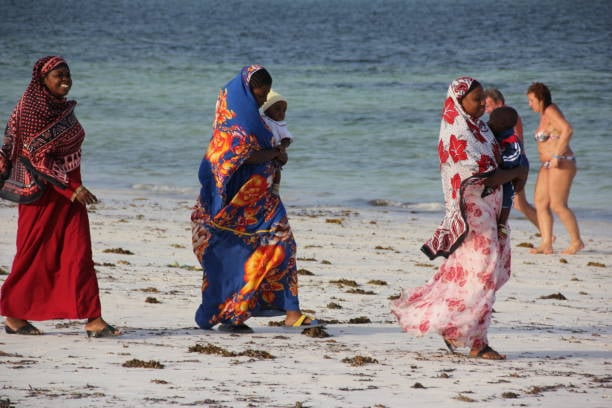
Beautiful Zanzibar beach resort guests are enjoying a peaceful Ramadan evening atmosphere together respectfully.
Practical Travel Tips
Planning makes your visit smoother during Ramadan. Bring water when traveling. Drink it discreetly in public during fasting hours. Check restaurant opening times before heading out.
Wear clothing that covers your shoulders and knees when visiting cultural sites. Schedule walking tours for the morning or late afternoon to avoid the heat.
Be patient if things take a little longer than expected. Many employees work without food or water until sunset.
Importantly, approach every interaction with curiosity.
A Meaningful Way to Experience Zanzibar
Many travelers choose to visit during Ramadan because they want more than beaches and luxury resorts. They want conversations, authentic traditions, and a glimpse into daily life.
Zanzibar Travel in Ramadan encourages visitors to slow down, respect customs, and join in respectfully during this important time.
Simple acts like dressing, being patient with schedules, eating discreetly, and accepting invitations to learn about local traditions create lasting memories for both visitors and residents.
By being open and aware of the culture, your holiday becomes more than sightseeing. You return home with an understanding of Zanzibar’s people, values, hospitality, and rich heritage. For those seeking cultural connections, visiting during Ramadan offers an experience that combines respect, discovery, and unforgettable moments.


