



Zanzibar Malaria Risk: Do You Need Tablets for the Island?
Planning a trip to Zanzibar is super exciting. The island has white sandy beaches, amazing turquoise waters, historic streets of Stone Town, and a rich Swahili culture. This makes Zanzibar one of Africa’s popular holiday destinations. Before you pack, though, you might wonder: Should you take malaria tablets before traveling to Zanzibar?
Zanzibar Malaria Risk: Do You Need Tablets for the Island? is a question that needs an answer. No recommendation fits every traveler. Your destination, how long you stay, your history, the season, and what you plan to do all affect the decision.
The good news is that malaria cases on Zanzibar have decreased a lot over the past twenty years. This is thanks to mosquito control programs, better healthcare, and people using insecticide-treated nets. Malaria has not been eliminated, though. Visitors should still take precautions to avoid bites. It’s a good idea to talk to a healthcare professional about preventive medication before you leave.
Understanding Malaria in Zanzibar
Malaria is caused by parasites that mosquitoes spread. These mosquitoes are most active from dusk until dawn. This means evenings and nights are the times.
Zanzibar is made up of Unguja and Pemba islands, off Tanzania’s coast. The islands have seen a drop in malaria cases compared to many areas on the mainland. However, occasional infections still happen. Travelers should know that “low risk” does not mean “no risk.”
Health authorities are working hard to eliminate malaria. Some cases come from mainland Tanzania, and local mosquitoes still spread the disease. So prevention is still important. For visitors, staying informed and taking basic protective measures can greatly reduce the chances of getting infected.
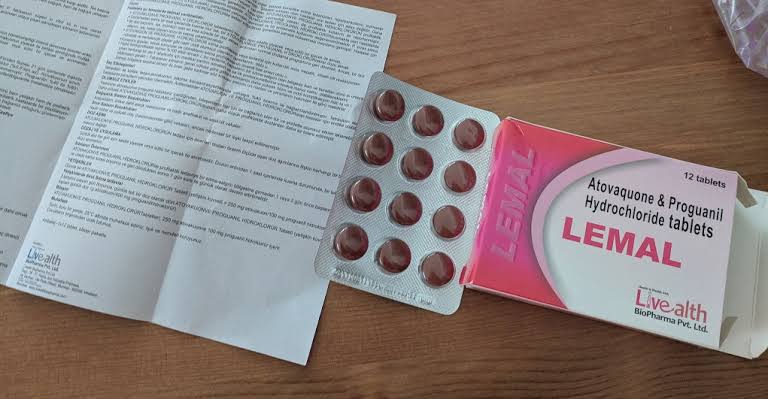
Mosquito tablets, protective clothing, and bed nets reduce malaria risk across Zanzibar Island safely.
Why Malaria Risk Has Decreased
Many public health efforts have helped Zanzibar. The government has given out a lot of insecticide-treated nets. This has protected communities when they sleep. They have also sprayed homes and accommodations to reduce populations.
Diagnosis and treatment mean infected people get medical care quickly. This reduces transmission. Public awareness campaigns have encouraged residents to recognize symptoms and seek treatment.
Tourism operators, hotels, and resorts have also invested in control. They do fumigation and make sure standing water does not collect. This discourages mosquitoes from breeding.
These efforts have helped make Zanzibar one of the malaria-risk destinations in East Africa.
Should Every Traveler Take Malaria Tablets?
The answer depends on your situation.
Many travel medicine specialists recommend taking malaria medication. This is especially true if you will spend a lot of time outdoors in the evenings, stay in villages, visit Pemba Island, or go on safaris on the mainland.
Others might decide that preventing bites is enough. This is especially true for stays in well-managed beach resorts where exposure is limited.
The decision is more important if you plan to visit places like Serengeti National Park, Ngorongoro Conservation Area or other mainland locations. These areas have a higher malaria transmission risk than Zanzibar.
When assuming, schedule a travel health consultation four to six weeks before you leave. A medical professional can recommend the preventive approach based on your health history and travel plans.
Common Malaria Tablets for Travelers
Doctors often recommend one of the medicines to prevent malaria. The commonly prescribed options are:
Atovaquone-proguanil
Doxycycline
Mefloquine
Each medicine has its advantages, possible side effects, and schedules for when to start and stop taking the tablets. Some medicines are started one or two days before arrival, while others require weeks of preparation.
Not every medicine is suitable for every traveler. Certain medical conditions, allergies, pregnancy, age or previous reactions may influence which medicine is recommended.
Never borrow someone Malaria tablets or buy medicine without medical guidance.
Who Should Be Especially Careful?
Some travelers should pay attention when planning for malaria prevention.
Pregnant women should discuss travel plans with their healthcare provider because malaria can be more severe during pregnancy.
Families traveling with children should seek pediatric medical advice before departure, as children can become seriously ill if infected.
Older travelers and individuals with weakened systems should also consider professional medical recommendations carefully.
Business travelers spending weeks on the islands may require a different prevention strategy than tourists staying for only a few days.
Protecting Yourself from Mosquito Bites
Whether. Even if you decide to take preventive medicine, avoiding mosquito bites remains your first line of defense.
Apply insect repellent containing recommended ingredients to exposed skin, especially during evenings. Reapply according to the product instructions.
Wear long-sleeved shirts, long trousers, and closed shoes after sunset whenever practical. Light-colored clothing may make mosquitoes easier to spot.
Choose accommodation with screened windows, air conditioning, or mosquito nets over the beds. Many hotels and resorts already provide these features.
When is Malaria Risk Highest?
Mosquito activity generally increases after rainfall because more breeding sites become available.
Zanzibar experiences two seasons, typically from March to May and another shorter rainy period around November and December. Mosquito populations may increase during these months, although malaria transmission depends on environmental and public health factors.
Recognizing Malaria Symptoms
One reason malaria remains a concern is that symptoms can resemble viral illnesses during the early stages.
Typical symptoms include fever, chills, headache, muscle aches, fatigue, sweating, nausea, and vomiting.
If you develop a fever during your trip or within months after visiting Zanzibar, seek medical attention immediately and inform healthcare providers about your recent travel history.
Combining Zanzibar with a Mainland Safari
Many visitors spend days relaxing on Zanzibar after completing a safari across mainland Tanzania.
This combination changes your malaria risk profile considerably.
Food, Water, and General Health Precautions
Malaria is one aspect of staying healthy while visiting Zanzibar.
Drink. Properly treat water when necessary, especially if you are uncertain about local water quality.
Can You Enjoy Zanzibar Safely?
Absolutely. Millions of travelers visit Zanzibar every year. Return home with wonderful memories. Careful planning simply helps reduce health risks.
The island offers experiences from watching traditional dhow boats sail across the Indian Ocean to exploring centuries of history in Stone Town. You can swim in crystal-clear waters, visit spice farms, enjoy fresh seafood, and discover marine life while taking sensible precautions against mosquitoes.
Understanding Zanzibar Malaria Risk: Do You Need Tablets for the Island? helps you make decisions instead of relying on rumors or outdated advice. Some travelers benefit from medication, while others may be advised that careful bite prevention is appropriate based on their individual circumstances.
Preparation should never create anxiety. Instead, it should give you confidence that you have taken steps to protect your health before departure.
Before traveling, consult your healthcare provider or a travel medicine clinic well in advance of your trip. Review your vaccination status, discuss malaria prevention options, and ask questions based on your itinerary.
With preparation, protective clothing, quality insect repellent, suitable accommodation, and medical advice tailored to your situation, you can focus on enjoying the beaches, culture, cuisine, and unforgettable sunsets that make Zanzibar such a rewarding destination. Zanzibar Malaria Risk: Do You Need Tablets for the Island? is a question to ask before your journey, but it should not discourage you from experiencing one of East Africa’s most beautiful island destinations.
By understanding the level of risk, following practical preventive measures, and seeking prompt medical attention if symptoms develop, you can travel with greater confidence. Every journey begins with preparation. Informed health decisions are an essential part of creating a safe, memorable, and enjoyable Zanzibar adventure. Finally, Zanzibar Malaria Risk: Do You Need Tablets for the Island? remains a reminder that responsible travel starts long before you arrive at the shore.


