Why Is Niassa Reserve Untouched?
In a world where untouched wilderness is becoming increasingly rare, the Niassa Reserve stands as a remarkable exception. Spanning over 42,000 square kilometers in northern Mozambique, this vast and pristine landscape remains one of Africa’s last great wilderness areas. But what makes the Niassa Reserve untouched when so many other natural habitats have been altered by human activity? The answer lies in its remote location, conservation efforts, ecological significance, and the delicate balance between development and preservation.
The Remote and Untouched Beauty of Niassa
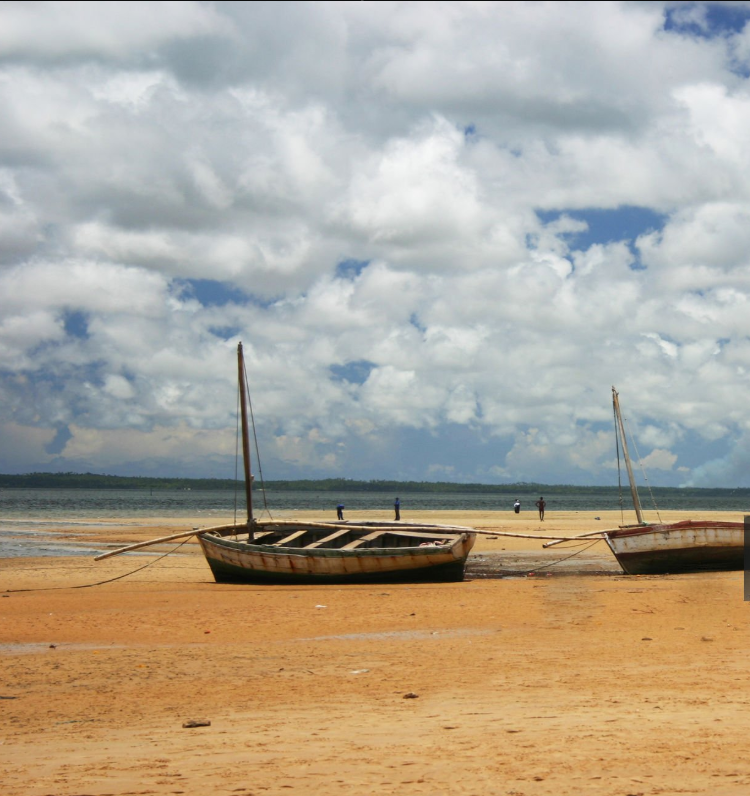
One of the primary reasons the Niassa Reserve remains untouched is its sheer remoteness. Unlike more accessible parks such as the Serengeti or Kruger, Niassa is far from major cities and infrastructure. The reserve is bordered by Tanzania to the north and the Lugenda River to the south, creating natural barriers that have limited human encroachment. The lack of roads and modern amenities has kept mass tourism at bay, allowing wildlife to thrive undisturbed.
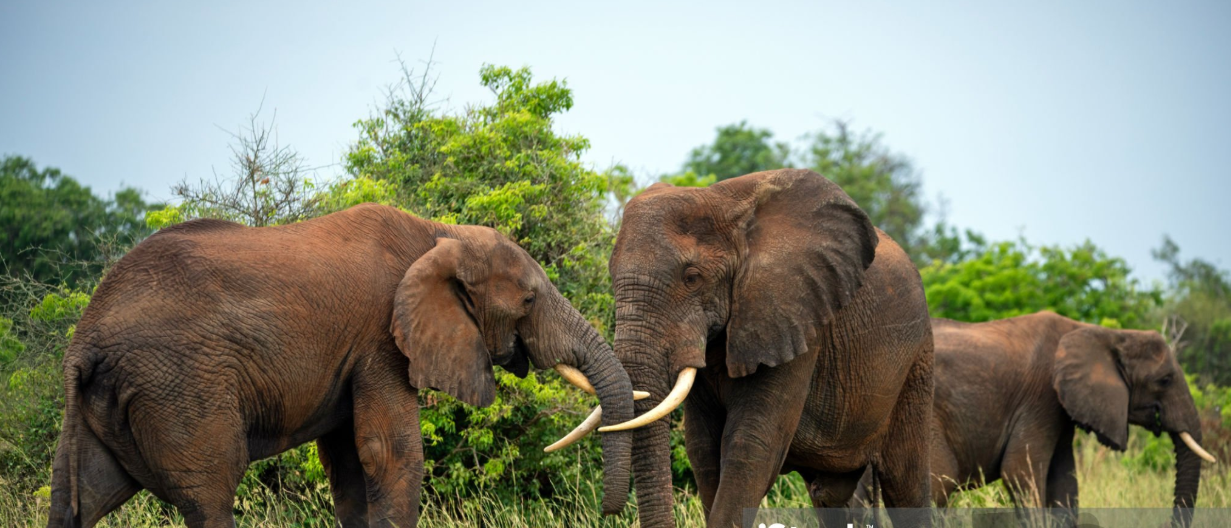
This isolation has preserved ecosystems that have disappeared elsewhere. Elephants roam freely, lions hunt without fear of poachers, and rare bird species fill the skies—all because the Niassa Reserve untouched status has shielded it from the pressures of urbanization. The absence of large-scale agriculture and mining has also played a crucial role in maintaining its pristine condition.
Conservation Efforts: Protecting the Untouched Wilderness
Another key factor in keeping the Reserve is the dedicated conservation work by local and international organizations. The Wildlife Conservation Society (WCS) and the Mozambican government have implemented anti-poaching patrols, community engagement programs, and sustainable tourism initiatives to protect the reserve’s biodiversity.
Poaching, particularly for ivory, has been a significant threat to African wildlife. However, in Niassa, rigorous enforcement and community involvement have drastically reduced illegal hunting. By training and employing local people as rangers, conservationists have created a sense of ownership and pride in preserving the Niassa Reserve untouched. This approach ensures that wildlife protection aligns with the economic needs of nearby communities.
Ecological Significance: A Sanctuary for Endangered Species
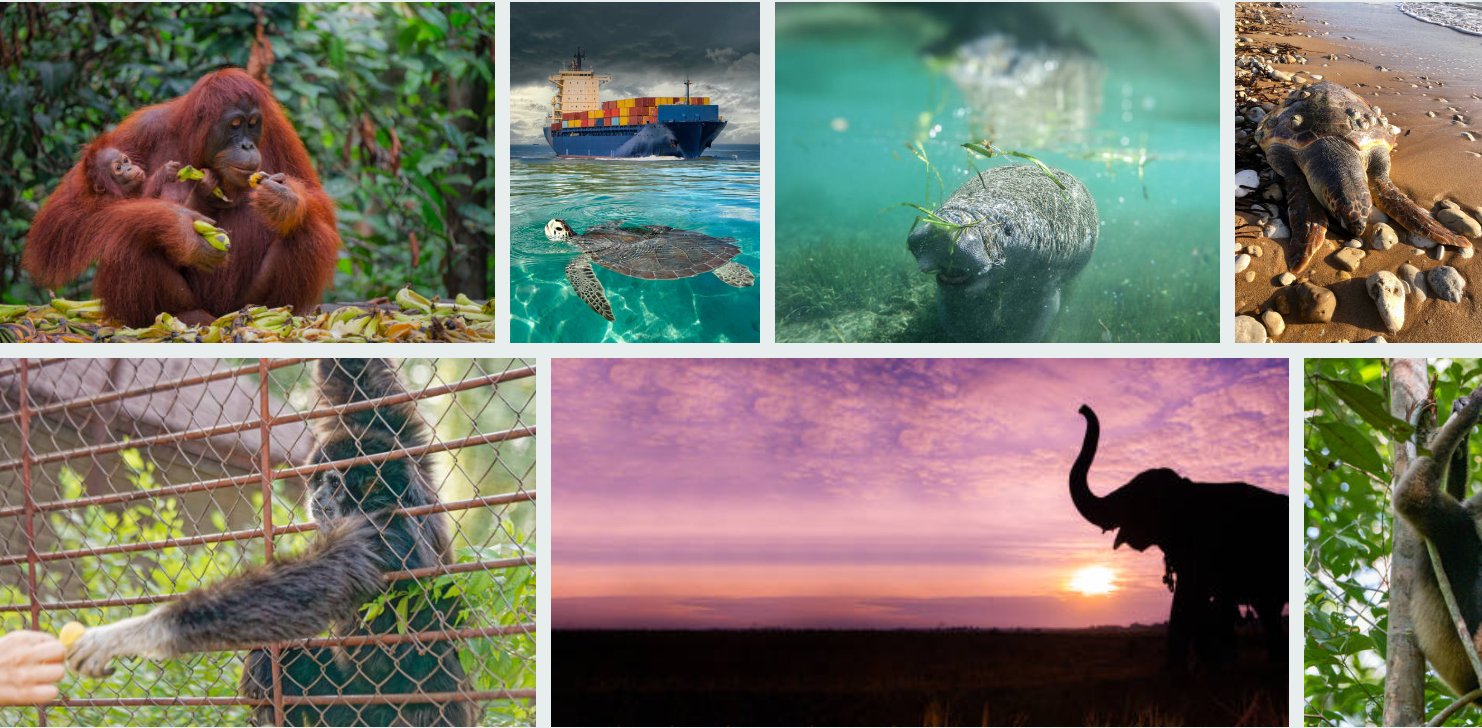
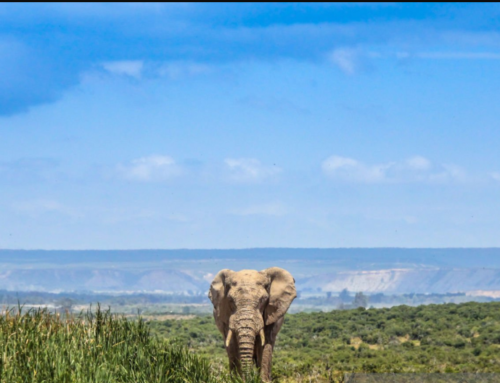
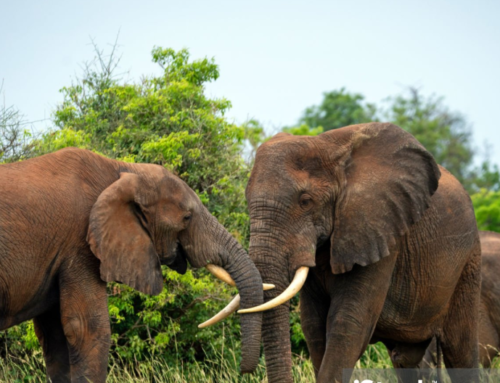
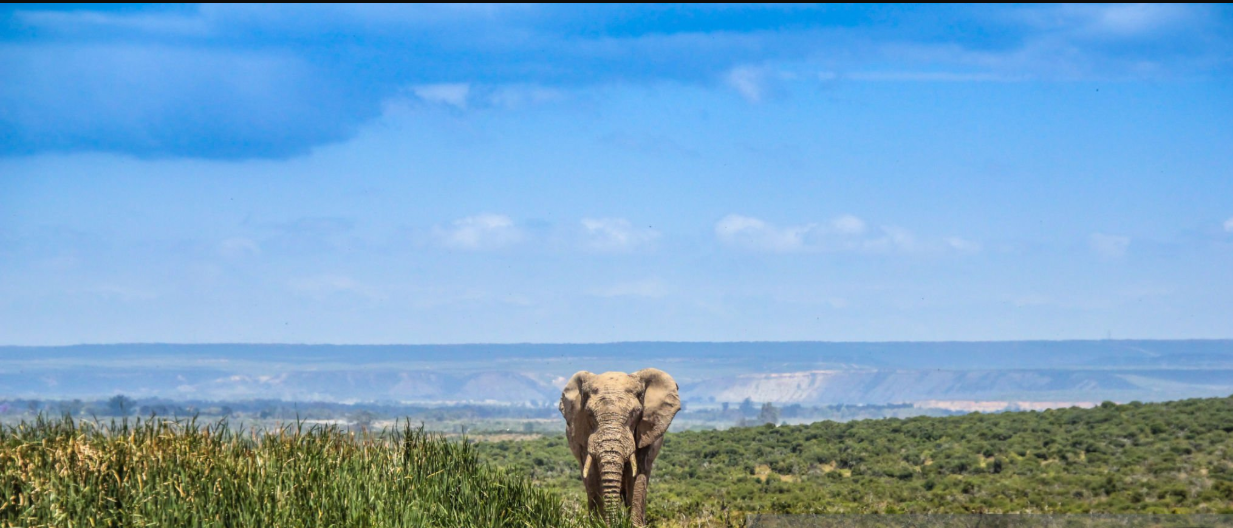
The Niassa Reserve untouched landscape serves as a critical refuge for endangered species. It is home to one of the largest elephant populations in Africa, with over 12,000 individuals. Unlike other regions where elephant numbers have plummeted due to poaching and habitat loss, Niassa’s elephants continue to roam freely.
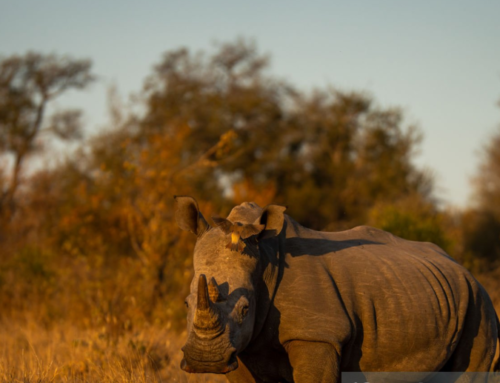
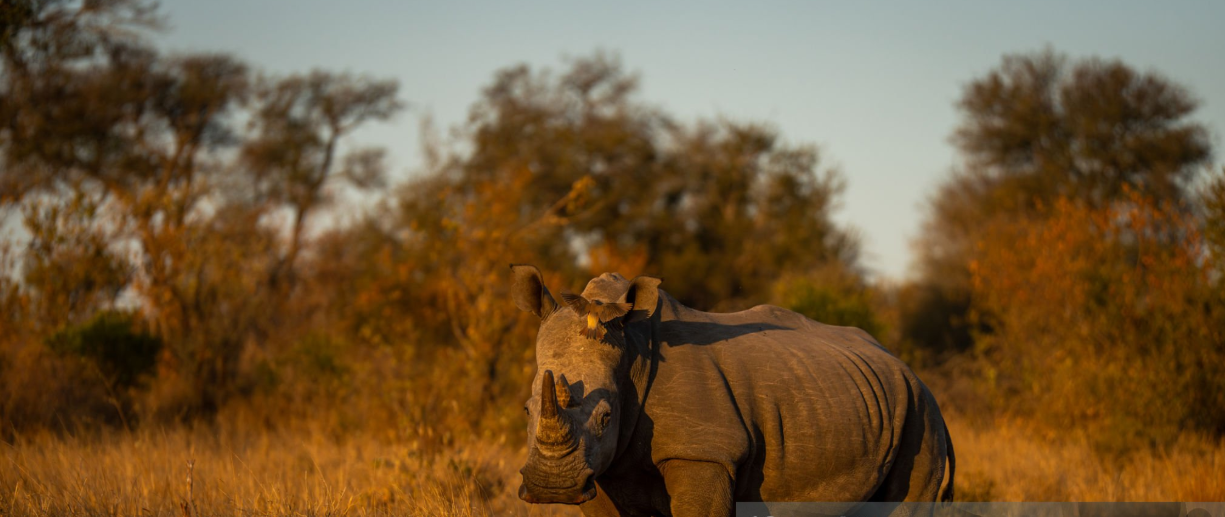
Additionally, the reserve hosts rare species such as the African wild dog, sable antelope, and over 400 bird species. The Miombo woodlands, which dominate the landscape, are a unique biome that supports a rich variety of flora and fauna. Because the Niassa Reserve remains untouched, these ecosystems function as they have for millennia, offering scientists invaluable insights into natural wildlife behavior and ecological balance.
The Challenge of Balancing Development and Preservation
While the Niassa Reserve untouched status is a conservation success story, it also presents challenges. Mozambique is a developing country with pressing economic needs, and the temptation to exploit natural resources is ever-present. Mining, logging, and agricultural expansion could threaten the reserve’s integrity if not carefully managed.
Sustainable tourism offers a solution. By promoting low-impact, high-value ecotourism, the reserve can generate revenue without compromising its wilderness. Lodges that adhere to strict environmental guidelines, guided walking safaris, and bird-watching expeditions are ways to experience the Niassa Reserve untouched while supporting its protection.
The Role of Local Communities in Preservation
The future of the Niassa Reserve untouched depends heavily on the involvement of local communities. Many people living near the reserve rely on natural resources for survival, so conservation efforts must provide alternative livelihoods. Initiatives like beekeeping, eco-friendly crafts, and sustainable farming have empowered communities while reducing pressure on wildlife.
When local populations see tangible benefits from conservation, they become its strongest advocates. The Niassa Reserve untouched status is not just about protecting animals—it’s about ensuring that people and nature coexist harmoniously.
Why Keeping Niassa Untouched Matters for the World
In an era of climate change and biodiversity loss, places like the Niassa Reserve untouched are more important than ever. Pristine wilderness acts as a carbon sink, helps regulate weather patterns, and preserves genetic diversity crucial for species survival. If destroyed, these ecosystems cannot be easily restored.
Moreover, Niassa represents hope. It proves that with the right strategies, humans can protect nature rather than exploit it. The Niassa Reserve untouched is a testament to what is possible when conservation, community, and political will align.
The Future of Niassa’s Untouched Wilderness
This is a rare gem in a world where wild spaces are vanishing. Its survival depends on continued vigilance, sustainable practices, and global awareness. By supporting conservation efforts, advocating for responsible tourism, and respecting the delicate balance of nature, we can ensure that Niassa remains untouched for generations to come.
This extraordinary wilderness reminds us of what the planet once was—and what it can still be. The Niassa Reserve untouched is not just Mozambique’s treasure; it is a gift to the world, a sanctuary of life, and a beacon of hope for conservation everywhere.
Let us cherish it, protect it, and ensure that its wild heart continues to beat, undisturbed and free.