Why Is Mozambique’s Culture Unique?
Mozambique, a vibrant nation on the southeastern coast of Africa, boasts a cultural tapestry so rich and diverse that it stands out as one of the most distinctive in the world. Mozambique’s culture is unique because it is a mesmerizing blend of indigenous African traditions, Portuguese colonial influences, Arab trade legacies, and contemporary global elements. This fusion creates a dynamic and colorful way of life that is both deeply rooted in history and constantly evolving. In this article, we will explore the many facets that make Mozambique’s culture unique, from its music and dance to its cuisine, languages, and artistic expressions. By the end, you’ll not only appreciate Mozambique’s cultural richness but also feel inspired by its resilience, creativity, and unity in diversity.
A Melting Pot of Histories and Influences
One of the primary reasons Mozambique’s culture is unique is its historical background. The country has been a crossroads of civilizations for centuries. Long before European colonization, Arab and Swahili traders established settlements along the coast, bringing Islam and new cultural practices. The Portuguese arrived in the 15th century, leaving an indelible mark on Mozambique’s language, religion, and architecture. Later, the struggle for independence and the subsequent civil war shaped the nation’s identity, fostering resilience and a strong sense of community.
This blend of influences has created a society where traditional African values coexist with foreign elements, making Mozambique’s culture unique in its ability to harmonize different worlds. From the Makonde people’s intricate wood carvings to the Portuguese-style buildings in Maputo, every aspect of Mozambican life tells a story of adaptation and fusion.
The Rhythms of Mozambique: Music and Dance
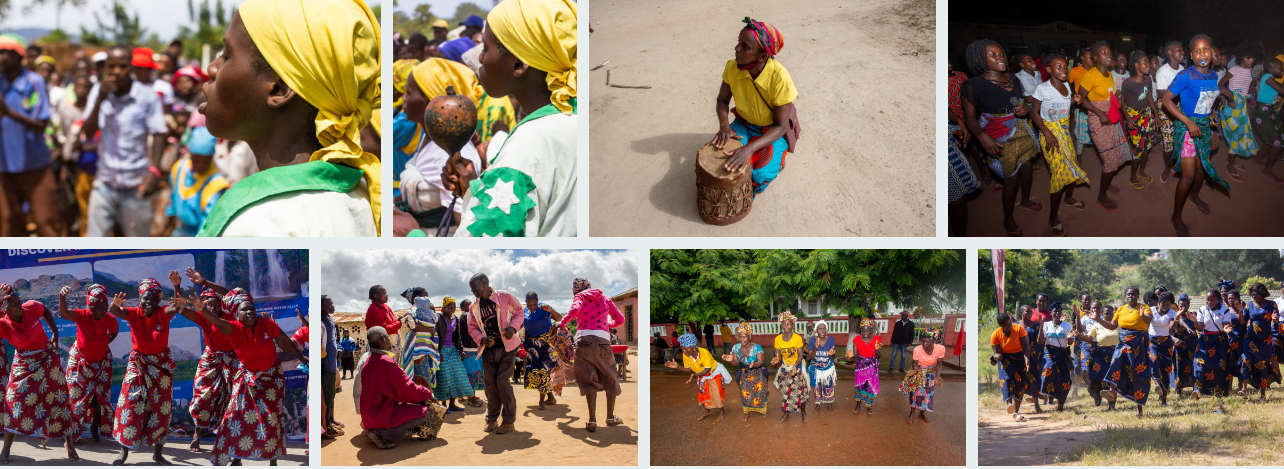
If there’s one thing that captures the soul of Mozambique, it’s the music. Mozambique’s culture is unique in its rhythmic diversity, with traditional instruments like the mbira (thumb piano) and marimba blending seamlessly with modern genres like marrabenta, a lively dance music that originated in the 1950s. Marrabenta, often called the “music of resistance,” emerged as a way for Mozambicans to express their struggles and joys during colonial rule.
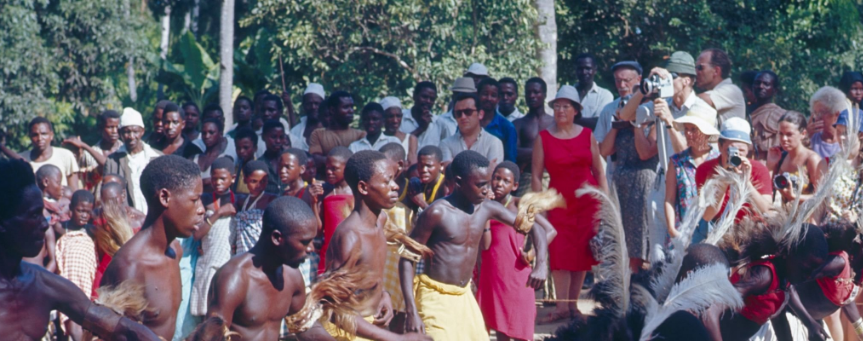
Dance is another integral part of Mozambican identity. The mapiko, a traditional masked dance of the Makonde people, is a powerful performance that combines storytelling, spirituality, and artistry. Meanwhile, the tufo, a dance performed by Muslim women in the north, showcases the Arab influence on Mozambique’s cultural expressions. These art forms are not just entertainment—they are living traditions that connect Mozambicans to their ancestors and to each other.
A Feast for the Senses: Mozambican Cuisine
Another reason Mozambique’s culture is unique lies in its mouthwatering cuisine. Mozambican food is a delicious reflection of its history, combining African staples with Portuguese, Indian, and Arab flavors. The national dish, piri-piri chicken, is a perfect example—spicy, smoky, and utterly irresistible. Seafood also plays a huge role, thanks to the country’s long coastline. Dishes like matapa (cassava leaves cooked in coconut milk) and xima (a maize porridge) highlight the importance of local ingredients.
What makes Mozambican food even more special is the way it brings people together. Meals are often shared communally, reinforcing the values of family and unity. Whether it’s a street vendor selling prego rolls (steak sandwiches) in Maputo or a coastal restaurant serving freshly caught prawns, Mozambican cuisine is a celebration of life’s simple pleasures.
Language: A Bridge Between Worlds
Language is another fascinating aspect that makes Mozambique’s culture unique. While Portuguese is the official language—a legacy of colonialism—over 40 indigenous languages are spoken across the country, including Emakhuwa, Xichangana, and Cisena. This linguistic diversity reflects Mozambique’s multicultural identity, where different ethnic groups maintain their traditions while communicating in a shared tongue.
What’s remarkable is how Mozambicans effortlessly switch between languages, using Portuguese for formal settings and local dialects in everyday conversations. This adaptability is a testament to the country’s ability to embrace diversity without losing its roots.
Art and Craftsmanship: Stories Carved in Wood and Woven in Cloth
Mozambique’s artistic heritage is yet another reason Mozambique’s culture is unique. The Makonde people are renowned for their intricate wood carvings, which often depict ancestral spirits and mythological scenes. These sculptures are not just decorative—they carry deep spiritual significance, serving as a bridge between the living and the dead.
Similarly, the vibrant capulana fabrics, worn by Mozambican women, are more than just clothing. These colorful textiles tell stories, symbolize social status, and even serve as baby carriers. Each pattern and color has meaning, making every piece a wearable work of art.
Resilience and Ubuntu: The Heart of Mozambican Culture
Beyond its tangible expressions, what truly makes Mozambique’s culture unique is its spirit of resilience and ubuntu—the African philosophy that emphasizes community and shared humanity. Despite facing colonization, war, and natural disasters, Mozambicans have maintained an unshakable sense of hope and solidarity.
This resilience is evident in the way communities come together to rebuild after cyclones or celebrate festivals like the Festival of the Sea, which honors the ocean’s bounty. It’s also seen in the country’s thriving arts scene, where young musicians, painters, and writers are redefining Mozambican identity for a new generation.
Celebrating Mozambique’s Uniqueness
In a world where cultures are increasingly homogenized, Mozambique’s culture is unique because it refuses to be boxed into a single definition. It is a living, breathing testament to the power of diversity, adaptation, and human creativity. From its music and dance to its food, languages, and art, Mozambique offers a vibrant example of how different influences can come together to create something extraordinary.
So, the next time you hear the rhythmic beats of marrabenta or savor the spicy kick of piri-piri sauce, remember—you’re experiencing more than just a moment of joy. You’re witnessing the beauty of a culture that has turned its history into a source of strength and inspiration. And if Mozambique can thrive amidst its challenges, so can you. Let its story remind you that diversity is not a weakness but a superpower, and that true greatness lies in embracing who you are—and where you come from.
Mozambique’s culture is unique, and that’s something worth celebrating. Let it inspire you to explore, appreciate, and honor the richness of your own heritage—and the world’s.