Why Are Rwanda’s Gorilla Permits Expensive?
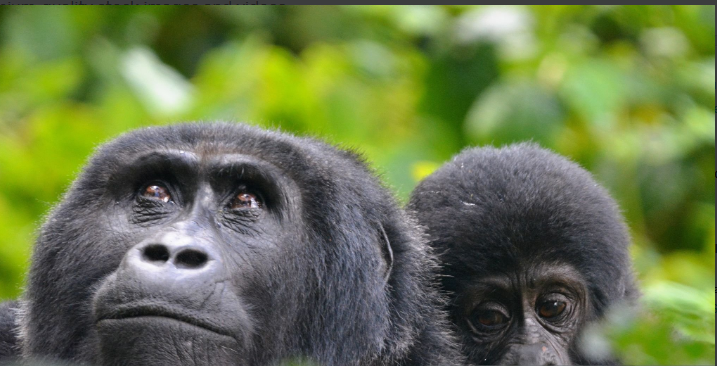
At $1,500 per person for a one-hour encounter with the majestic mountain gorillas, many travelers wonder: Why are Rwanda’s gorilla permits Expensive?
The answer goes beyond simple economics. The high price reflects Rwanda’s commitment to conservation, sustainable tourism, community development, and the delicate balance between protecting an endangered species and offering a life-changing experience. In this article, we’ll explore the key reasons behind the cost of Rwanda’s gorilla permits and why this investment is not just a ticket to an adventure but a contribution to a greater cause.
1. Conservation Efforts: Protecting an Endangered Species
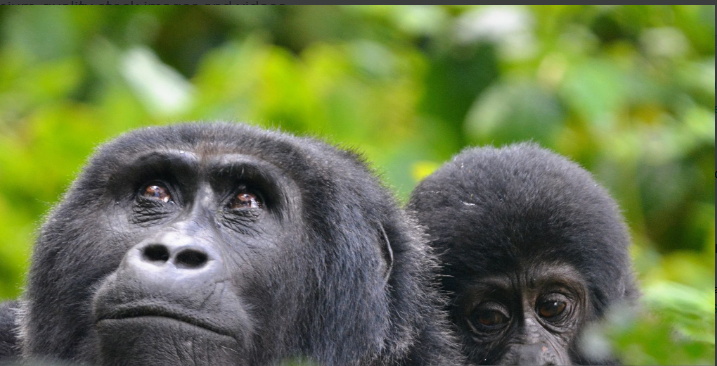
The primary reason Rwanda’s gorilla permits are expensive is the critical role these funds play in conservation. Mountain gorillas are an endangered species, with only about 1,000 individuals remaining in the wild, spread across Rwanda, Uganda, and the Democratic Republic of Congo (DRC).
Anti-Poaching Measures
Poaching and habitat destruction have historically threatened gorilla populations. The revenue from permits helps finance:
-
Armed ranger patrols to deter poachers.
-
Veterinary care for injured or sick gorillas.
-
Habitat restoration projects to ensure gorillas have a safe environment.
Research and Monitoring
Scientists and trackers monitor gorilla families daily to study their behavior, health, and genetics. This research is crucial for their long-term survival and requires significant funding.
By paying for a permit, visitors directly contribute to these life-saving initiatives.
2. Sustainable Tourism: Limiting Human Impact
Rwanda has adopted a high-value, low-impact tourism model to ensure that gorilla trekking does not harm the very animals it seeks to protect.
Strict Visitor Limits
Only eight visitors per day are allowed to visit each gorilla family. This minimizes stress on the animals and reduces the risk of disease transmission (gorillas share about 98% of human DNA, making them vulnerable to human illnesses).
Controlled Access
The limited number of permits ensures that the gorillas’ natural behavior remains undisturbed. If permits were cheaper and more accessible, overcrowding could lead to habitat degradation and increased human-wildlife conflict.
3. Supporting Local Communities
Another major reason Rwanda’s gorilla permits are expensive is that a portion of the revenue is reinvested into local communities. Rwanda’s government ensures that the people living near Volcanoes National Park benefit from tourism.
Infrastructure Development
Permit fees help fund:
-
Schools and scholarships for children in rural areas.
-
Healthcare facilities and mobile clinics.
-
Clean water projects and road construction.
Job Creation
Gorilla tourism provides employment for:
-
Park rangers and trackers.
-
Tour guides and porters.
-
Hospitality staff in lodges and restaurants.
By linking conservation with community welfare, Rwanda ensures that protecting gorillas also improves human lives, reducing reliance on activities like poaching or deforestation.
4. Rwanda’s Premium Tourism Strategy
Rwanda has positioned itself as a luxury eco-tourism destination. Unlike Uganda (800)orDRC(400), where gorilla permits are cheaper, Rwanda’s higher price reflects its focus on exclusivity and high-end travel experiences.
Enhanced Visitor Experience
-
Smaller trekking groups mean a more intimate encounter.
-
Well-maintained trails and professional guides ensure safety and comfort.
-
Luxury lodges and seamless logistics cater to discerning travelers.
Branding Rwanda as a Conservation Leader
By charging premium prices, Rwanda reinforces its reputation as a global leader in wildlife protection and sustainable tourism. This attracts responsible travelers who appreciate the ethical value behind the cost.
5. The Cost of Security and Stability
Rwanda has made significant investments in safety, both for tourists and wildlife.
Park Security
-
Armed rangers protect both gorillas and visitors from potential threats.
-
Advanced tracking systems monitor gorilla movements and prevent illegal activities.
Political Stability
Unlike some neighboring regions, Rwanda is known for its safety and efficiency. The government’s strong policies ensure that tourism revenue is properly managed and reinvested.
6. The Unforgettable Experience: Is It Worth the Price?
Despite the high cost, gorilla trekking in Rwanda is often described as a once-in-a-lifetime experience. Here’s why travelers believe it’s worth every dollar:
A Deep Emotional Connection
Coming face-to-face with a wild gorilla is a profoundly moving experience. Many visitors describe it as transformative, creating lifelong memories.
Exclusivity and Privilege
With only a few permits issued daily, those who secure one are part of an elite group of global travelers who have had this rare privilege.
Contributing to a Noble Cause
Knowing that the permit fee supports conservation and communities adds a deeper sense of purpose to the journey.
The True Value of Rwanda’s Gorilla Permits
So, why are Rwanda’s gorilla permits expensive? Because they represent far more than just an hour with gorillas—they are a vital investment in conservation, community development, and sustainable tourism.
By choosing to trek in Rwanda, travelers are not only rewarding themselves with an unforgettable adventure but also ensuring that future generations will have the chance to witness these incredible creatures in the wild.
If you’re considering this experience, remember: the cost is not just a fee—it’s a legacy.
“The price of a gorilla permit is not just for the moment you spend with them—it’s for the lifetime we ensure they have.“
Would you pay $1,500 to help save a species? For many, the answer is a resounding yes.