
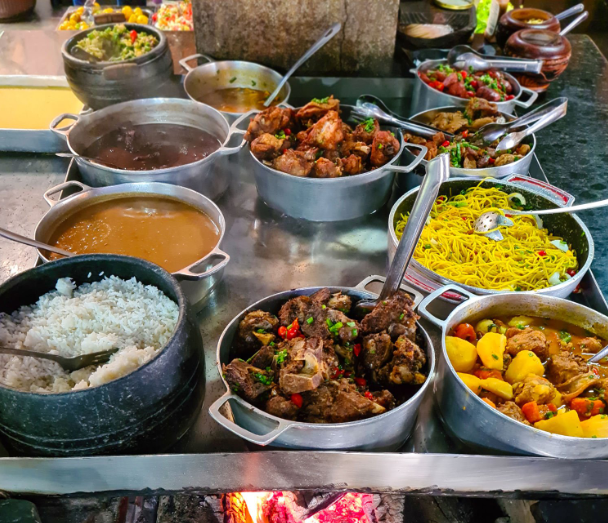
What’s Unique About Mozambican Cuisine?
Mozambican cuisine is a vibrant tapestry of flavors, colors, and traditions that reflect the country’s rich cultural heritage and geographical diversity. Nestled along the southeastern coast of Africa, Mozambique boasts a culinary identity shaped by indigenous African traditions, Portuguese colonial influence, Arab trade connections, and Indian spices. The result? A mouthwatering fusion that is as bold as it is unique.
If you’re looking for motivation to explore new flavors or embrace a culture through its food, Mozambican cuisine offers an unforgettable journey. From fiery peri-peri sauces to creamy coconut-based stews, every dish tells a story of resilience, creativity, and passion. So, what makes Mozambican cuisine stand out? Let’s dive deep into the flavors, ingredients, and traditions that make it one of Africa’s most exciting culinary experiences.
A Melting Pot of Mozambican Cuisine Cultures
Mozambique’s history is a blend of African, Portuguese, Arab, and Indian influences, and its cuisine reflects this beautifully. The Portuguese introduced ingredients like chili peppers, tomatoes, and garlic, which became staples in Mozambican cooking. Arab traders brought spices such as cumin, coriander, and cinnamon, while Indian settlers contributed curry blends and cooking techniques.
This cultural fusion means Mozambican cuisine is never boring—it’s a dynamic, evolving art form that respects tradition while embracing innovation. Whether you’re savoring a plate of Matapa (a dish made from cassava leaves, peanuts, and coconut milk) or biting into a flame-grilled Piri-Piri prawn, you’re tasting centuries of history on your plate.
The Fiery Magic of Piri-Piri
No discussion of Mozambican cuisine is complete without mentioning Piri-Piri—the iconic African bird’s eye chili that adds a fiery kick to countless dishes. The Portuguese may have introduced chili peppers to Mozambique, but Mozambicans perfected their use.
Piri-Piri sauce is more than just a condiment; it’s a way of life. Made from crushed chilies, garlic, lemon, and oil, this sauce is slathered on grilled meats, seafood, and even bread. The heat is intense, but the flavor is addictive—smoky, tangy, and deeply aromatic. If you’ve ever tried Frango à Zambeziana (Piri-Piri marinated chicken), you know how this little chili can transform a simple dish into something extraordinary.
Motivational Takeaway: Just like Piri-Piri turns ordinary meals into unforgettable experiences, sometimes all we need is a little extra “spice” in life—a new challenge, a bold move, or a daring idea—to transform the mundane into the extraordinary.
Seafood Paradise: From Ocean to Plate
With over 2,500 kilometers of coastline, Mozambique is a seafood lover’s dream. The Indian Ocean provides an abundance of fresh prawns, crab, lobster, and fish, which are central to Mozambican cuisine.
One of the most famous dishes is Camarões à Moçambicana (Mozambican-style prawns), where succulent shrimp are cooked in a rich, spicy coconut sauce. Another must-try is Galinha à Cafreal, a fragrant green curry-like dish made with fresh herbs and spices.
What’s remarkable is how Mozambican cooks let the natural flavors of seafood shine. Grilling over open flames, simmering in coconut milk, or marinating in citrus and spices—each method enhances rather than overpowers the main ingredient.
Motivational Insight: Mozambican seafood dishes teach us the power of simplicity. Sometimes, the best results come not from overcomplicating things but from highlighting our core strengths. Just as Mozambican chefs let fresh ingredients speak for themselves, we too should embrace authenticity in our pursuits.
Staple Foods: The Heart of Mozambican Cuisine Meals
No Mozambican meal is complete without Xima (also called Ugali or Nshima in other African countries), a thick porridge made from maize or cassava flour. It’s the ultimate comfort food, acting as a neutral base for flavorful stews and sauces.
Another staple is Matapa, a dish made from young cassava leaves pounded into a paste, cooked with ground peanuts, coconut milk, and often shrimp or crab. It’s a perfect example of how Mozambican cuisine turns humble ingredients into something luxurious.
Life Lesson: Just as Xima supports and complements bold flavors, success often depends on having a strong foundation. Whether it’s discipline, education, or a supportive network, the “staple” elements in our lives enable us to handle the boldest challenges.
The Sweet Side: Mozambican Desserts
Mozambique’s desserts are a delightful mix of Portuguese pastries and African flavors. Bolo Polana, a cashew and potato cake, is a unique treat blending local nuts with European baking techniques. Mandazi (coconut doughnuts) and Doce de Caju (cashew sweet) are other favorites that showcase Mozambique’s love for tropical ingredients.
Motivational Thought: Just as Mozambican desserts balance sweetness with texture, life is about finding harmony between hard work and joy. Celebrate small victories—they make the journey worthwhile.
Why Mozambican Cuisine Inspires
Mozambican cuisine is more than food—it’s a testament to resilience, creativity, and cultural pride. Despite historical challenges, Mozambican cooks have turned simple ingredients into masterpieces. Their dishes remind us that limitations can breed innovation and that the best flavors come from blending diverse influences.
So, the next time you seek motivation, think like a Mozambican chef:
-
Embolden your life with “Piri-Piri” passion.
-
Let your natural strengths shine, like fresh seafood on an open flame.
-
Build a strong foundation, just like Xima supports a meal.
-
Celebrate diversity—it makes life richer.
Mozambican cuisine proves that greatness comes from embracing who you are while staying open to new influences. And if that’s not a recipe for success, what is?
Final Challenge: Taste Mozambique, Taste Life
If you’ve never tried Mozambican food, let this be your sign to explore it. Cook a Mozambican dish, visit a Mozambican restaurant, or simply reflect on how its culinary philosophy can inspire your journey.
Because in the end, life—like Mozambican cuisine—should be bold, flavorful, and unforgettable.
What’s unique about Mozambican cuisine? Everything. And that’s why it’s worth savoring.