What’s Unique About Maasai Culture?
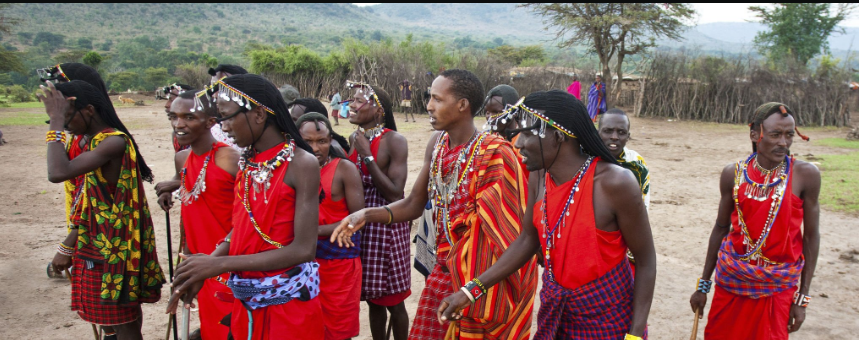
What’s unique about Maasai culture is not just their striking appearance—tall, draped in red shukas, and adorned with intricate beadwork—but also their profound values, social structures, and spiritual beliefs that have stood the test of time.
In a world that is rapidly changing, the Maasai culture serves as a powerful reminder of the importance of heritage, community, and resilience. Their way of life offers invaluable lessons in sustainability, leadership, and the true meaning of courage. This article explores the distinctive elements of Maasai culture, shedding light on why it continues to inspire and captivate people across the globe.
1. A Culture Built on Resilience and Adaptation
One of the most remarkable aspects of Maasai culture is their ability to adapt without losing their identity. Historically, the Maasai are semi-nomadic pastoralists, relying on cattle for sustenance, wealth, and social status. Cattle are not just livestock to the Maasai—they are sacred, often referred to as a gift from God (Enkai).
Despite facing land dispossession, climate change, and government policies restricting their movement, the Maasai have found ways to sustain their traditions while embracing necessary changes. Some have ventured into education, tourism, and even modern professions, yet they remain deeply connected to their roots. This adaptability without assimilation is a testament to their resilience.
Lesson for Life:
The Maasai teach us that progress does not require abandoning one’s identity. True strength lies in evolving while staying true to core values.
2. The Warrior Spirit: Courage and Rite of Passage in Maasai Culture
A defining feature of Maasai culture is the warrior tradition. Young Maasai boys undergo rigorous training and rituals to become Morans (warriors). The most famous of these rites is the Eunoto ceremony, marking the transition from boyhood to warrior status.
In the past, warriors were responsible for protecting the community, cattle, and land from threats. Today, while the role has evolved, the warrior spirit remains—symbolizing bravery, discipline, and responsibility. The Maasai jumping dance (Adumu), performed during celebrations, is a display of strength and endurance, where warriors leap high into the air in a test of agility.
Lesson for Life in t Maasai Culture
The Maasai warrior ethos teaches us that courage is not just physical—it’s about mental strength, discipline, and protecting what matters most.
3. The Power of Community: Ubuntu in Action
Maasai society is deeply communal. Decisions are made collectively by elders, and resources are shared for the greater good. The concept of “Ubuntu” (I am because we are) is vividly embodied in their way of life.
Homes (Manyattas) are built in circular formations, symbolizing unity. Elders hold immense respect, guiding the community with wisdom. Women play crucial roles in beadwork, child-rearing, and managing households, while men focus on livestock and protection. This interdependence ensures survival and harmony.
Lesson for Life in t Maasai Culture
In a world that often prioritizes individualism, the Maasai remind us that true prosperity comes from community, cooperation, and shared responsibility.
4. Sustainable Living: Harmony with Nature
The Maasai have coexisted with wildlife for centuries, practicing sustainable grazing and land use. Unlike modern societies that exploit natural resources, the Maasai view themselves as custodians of the land. Their traditional knowledge of ecosystems has contributed to wildlife conservation efforts in East Africa.
They use every part of their livestock—milk and blood for nourishment, hides for clothing, and dung for building. Nothing goes to waste, reflecting a deep respect for nature.
Lesson for Life:
The Maasai model of sustainability challenges us to rethink our relationship with the environment. True progress is not about domination but balance.
5. The Beauty of Maasai Art and Expression
Maasai beadwork is more than decoration—it’s a language. Each color and pattern tells a story, representing social status, age, and even marital status. Women craft intricate jewelry, passing down skills through generations.
Their songs, dances, and oral traditions preserve history and wisdom. The rhythmic chants and storytelling keep their heritage alive in an ever-changing world.
Lesson for Life:
Art is not just for aesthetics—it’s a vessel of culture, identity, and legacy. The Maasai show us that creativity is a powerful tool for preservation.
6. Facing Modern Challenges with Pride
Today, the Maasai navigate challenges like land conflicts, education access, and cultural erosion. Yet, they continue to assert their rights, advocating for land preservation and cultural recognition. Many Maasai youth now balance education with tradition, proving that heritage and modernity can coexist.
Lesson for Life:
Change is inevitable, but how we respond defines us. The Maasai demonstrate that holding onto one’s roots while embracing growth is the key to enduring legacy.
Why Maasai Culture Matters to the World
What’s unique about Maasai culture is not just its colorful traditions but its profound lessons in resilience, community, and sustainability. In a fast-paced, disconnected world, the Maasai stand as a beacon of strength, reminding us of the values that truly matter.
Their culture challenges us to ask:
-
How can we preserve our heritage in a changing world?
-
What can we learn from indigenous wisdom?
-
How can we live more harmoniously with nature and each other?
The Maasai prove that culture is not static—it evolves, yet its essence remains unbroken. By honoring their past while navigating the future, they inspire us to do the same.
So, the next time you see a Maasai warrior standing tall, remember: their culture is not just a relic of the past but a living testament to the power of identity, courage, and unity. And perhaps, in their story, we can find the motivation to embrace our own roots while forging ahead with purpose.“A people without the knowledge of their past history, origin, and culture is like a tree without roots.” — Marcus Garvey. The Maasai are a tree with deep roots—and their branches reach far, teaching the world what it means to truly endure.
Would you like to experience Maasai culture firsthand? Visit Kenya and Tanzania, engage with local communities, and carry forward the wisdom of this extraordinary culture.