What Makes Lake Mburo National Park Unique
Hidden in western Uganda lies Lake Mburo National Park, one of the country’s most enchanting yet often overlooked safari destinations. Though Uganda’s smallest savannah park—covering around 370 km²—its rich mosaic of lakes, wetlands, woodland ridges, savannah plains, and rocky outcrops creates a microcosm of diversity. Lake Mburo offers an array of wildlife, cultural experiences, and water‑ and walking‑based safaris not found elsewhere in Uganda. At Great Migration Adventure, we believe this varied landscape and surprising abundance make Mburo unforgettable for both first‑time and seasoned travelers.
Geography & Landscape Diversity
Lake Mburo sits approximately 240 km west of Kampala, just east of Mbarara town. Its terrain is built on ancient Precambrian rocks, dotted with rolling hills, acacia woodland, five interconnected lakes (including Lake Mburo itself), riparian forest, and papyrus wetlands. This fusion of habitats—wetland and woodland, open savannah and rocky kopjes—creates high biodiversity within a compact area.
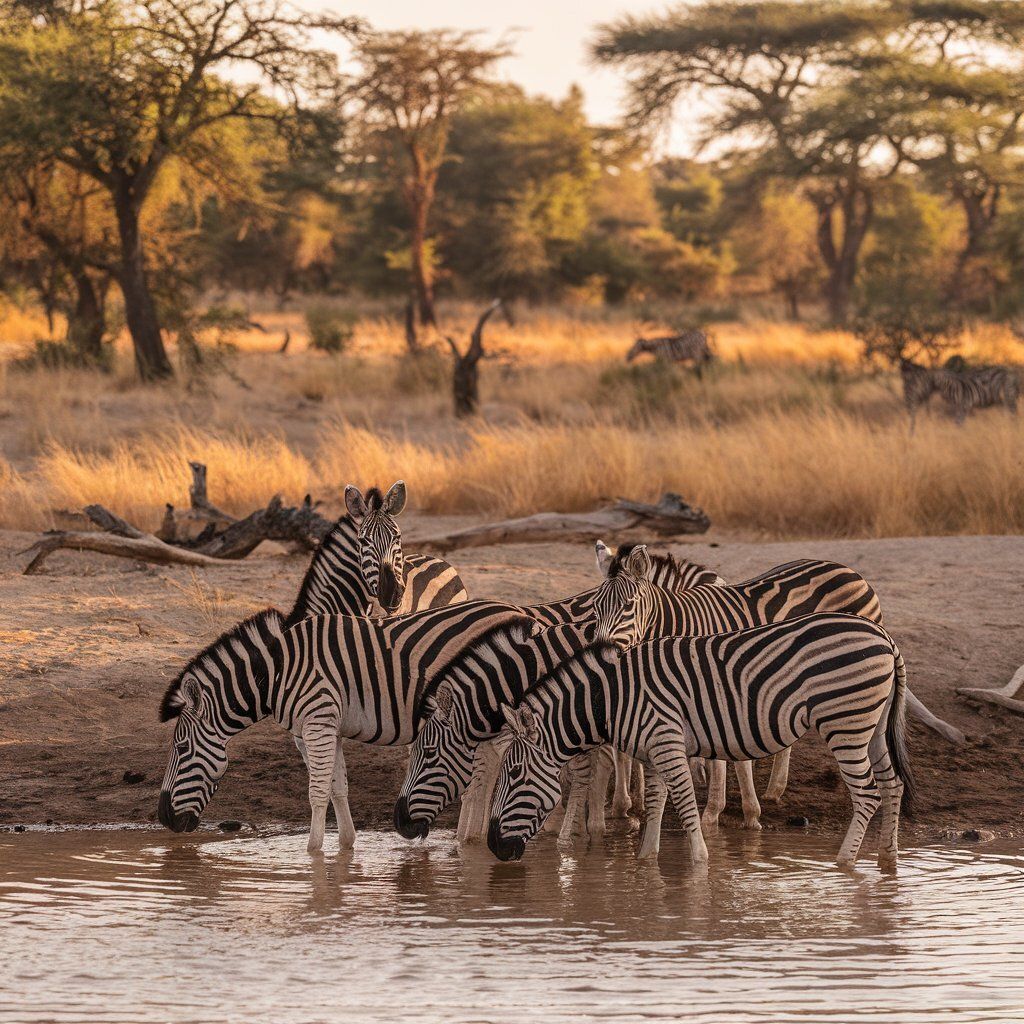
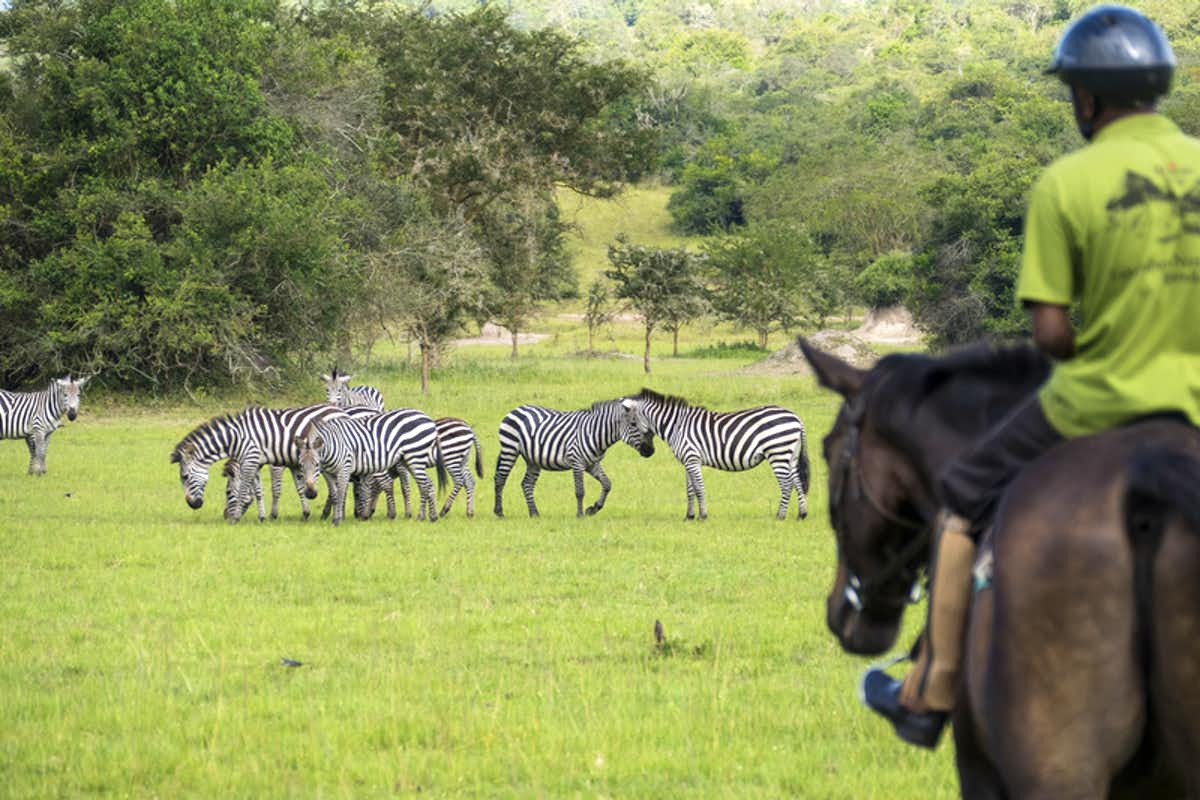
Zebras in Lake Mburo National Park
Exceptional Wildlife Highlights
Mammal Diversity
Lake Mburo is home to a spectrum of mammals, many unique within Uganda:
-
Burchell’s zebras, one of only three parks in Uganda where they roam freely.
-
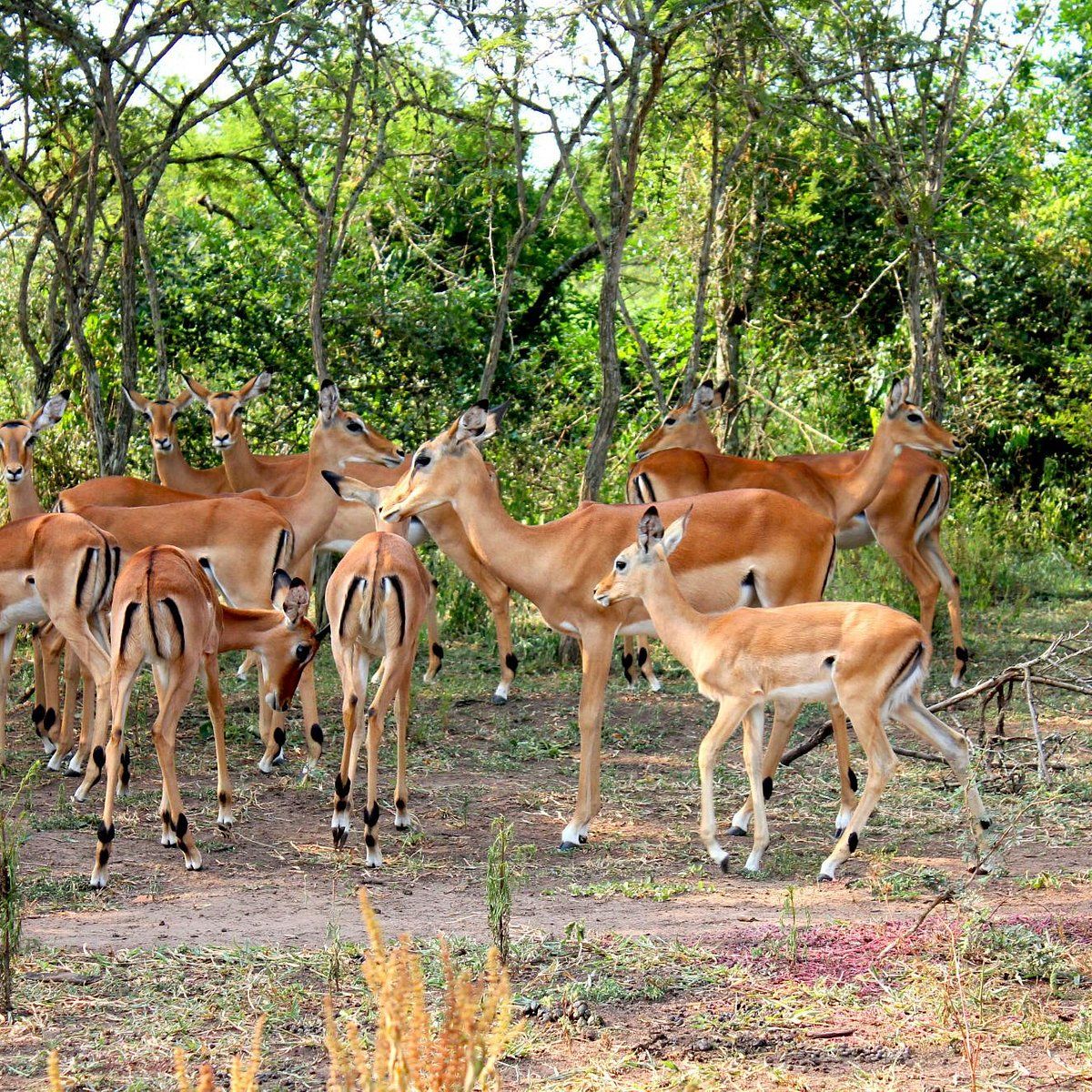
Impala, the only savannah antelope present in Uganda not found elsewhere nationally.
-
Scattered common eland, topi, oribi, reedbuck, bushbuck, and Defassa waterbuck roam grasslands and woodland.
-
Predators like leopard, hyena, jackals, and small carnivores inhabit during night-time drives, though lions are rare.
-
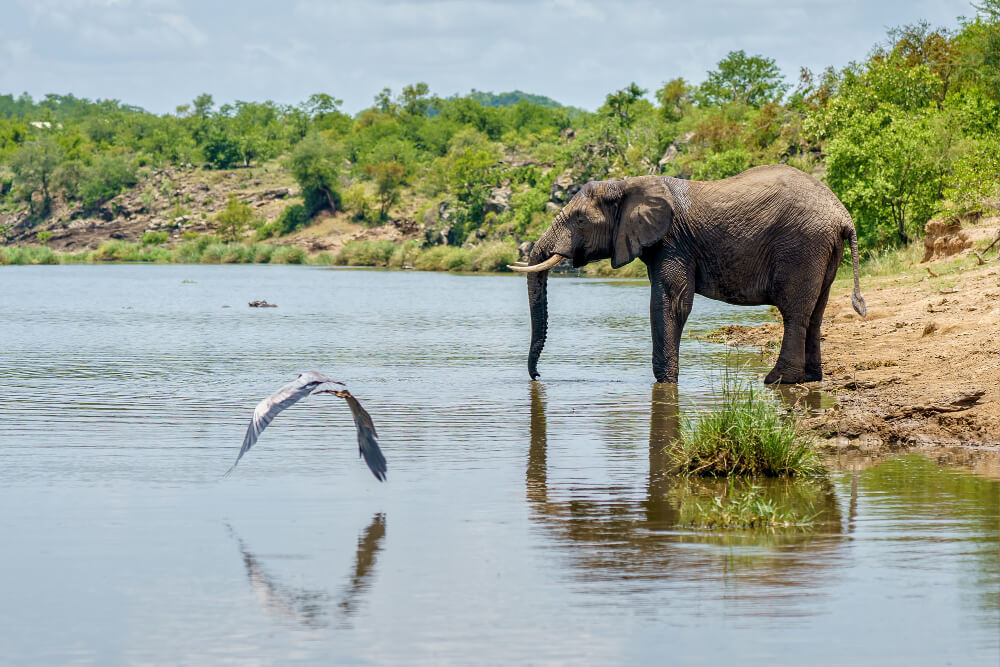
Wetland areas support around 300 hippos, Nile crocodiles, and three species of otter.
Birds & Raptors
With over 350 bird species, Lake Mburo is a paradise for birdwatchers. It regularly hosts rare forest‑associated species such as shoebill stork, African finfoot, papyrus gonolek, red‑faced barbet, and brown‑chested lapwing. Raptors number around 35 species—including African harrier hawk—giving it Uganda’s highest raptor diversity.
Unique Safari Activities
Boat Cruises on Lake Mburo
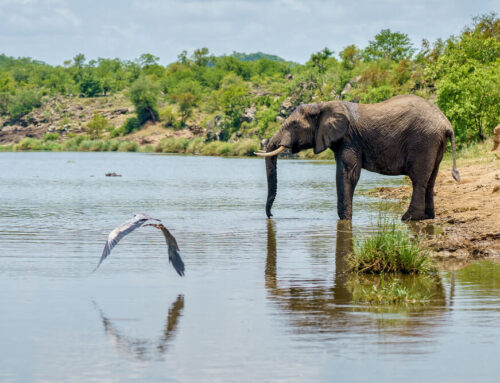
Two‑hour motorboat safaris on Lake Mburo reveal wildlife bathing at shore: hippo pods, crocodiles lounging, antelope grazing by water, and hundreds of birds including fish eagles and pelicans. Cruises departing mid‑morning or late afternoon maximize light and activity chances.
Night Game Drives
Unlike most Ugandan parks, Mburo offers night safaris, when leopards, hyenas, bushpig, and genet cats emerge near waterholes and shadeways—providing rare nocturnal wildlife viewing.
Morning & Afternoon Game Drives
Early and late daytime drives into the bush‑savannah areas yield sightings of zebras, impalas, topi, eland, giraffe, warthog, buffalo, and occasional leopard or hyena—making Mburo one of Uganda’s best small‑scale big‑mammal viewing parks.
Guided Nature Walks
Visitors can explore on foot with armed ranger guides to wildlife zones including salt licks where herbivores gather, forest patches, and viewpoints like Kazuma Hill with expansive scenic vistas across lakes and plains.
Horseback Safaris
Lake Mburo is the only park in Uganda to offer horseback safaris, led by Mihingo Lodge. Riding lets you approach wildlife like zebra, topi, impala, bushbuck, and giraffe more subtly than vehicles, with early morning rides often culminating in bush breakfasts.
Mountain Biking
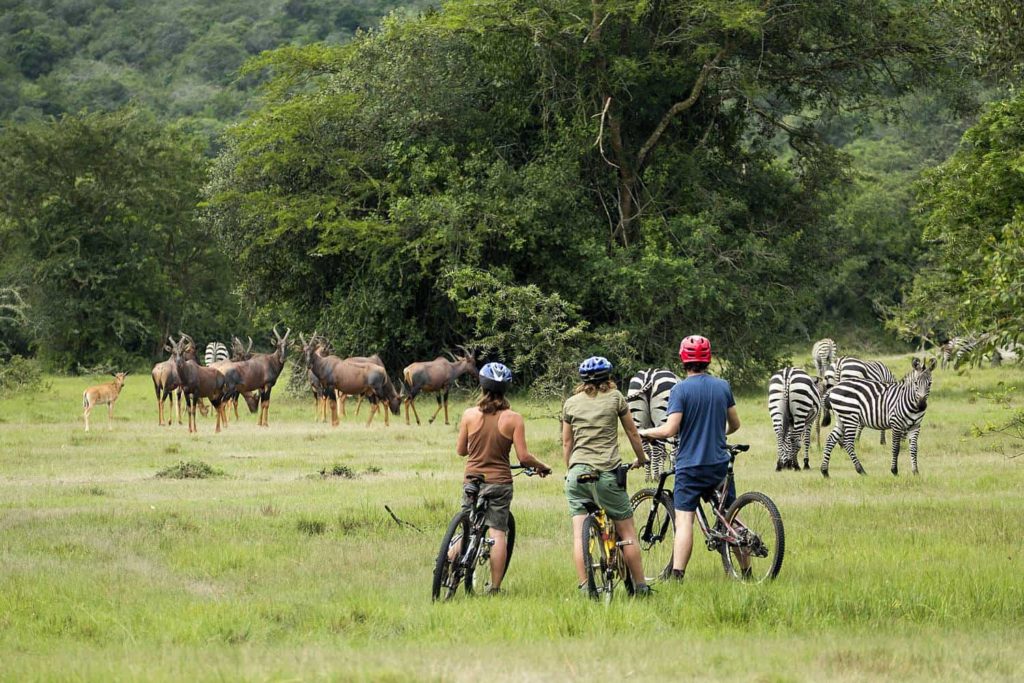
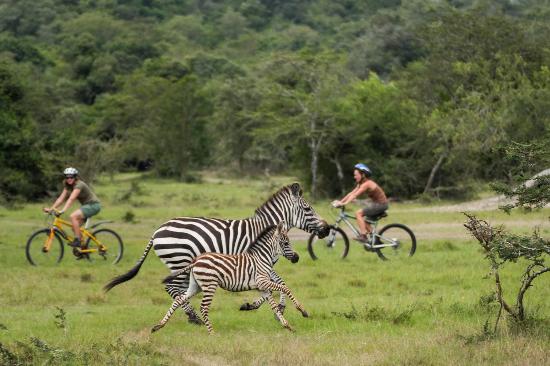
Guided bicycle safaris traverse grasslands, hills, forests—offering engaging wildlife encounters and landscape immersion at a gentle pace for active guests.
Sport Fishing
Anglers with permits from wildlife authorities can enjoy sport fishing around lakes, catching tilapia, mud fish, lungfish and other species—rare activity among Ugandan parks.
Cultural Exploration
Nearby communities—mainly Banyankole and Bahima pastoralists—offer cultural visits: homesteads, long‑horned Ankole cattle traditions, milk processing, local music and story‑telling. These authentic encounters support local livelihoods and heritage preservation.
Why Lake Mburo Stands Apart
Small Size, Big Diversity
Despite its modest size, Lake Mburo supports over 65 mammal species and more than 350 bird species, blending savannah, wetland, forest and hill ecosystems within one mosaic landscape.
Unique Species
Only here in Uganda can you see impala, Burchell’s zebra, several otter species, and the richest concentration of raptors among parks. It’s one of just a few places where leopards still persist in western Uganda.
Variety of Activity Formats
From night drives to canoe cruises, horseback rides, walking safaris, cycling and fishing—Lake Mburo enables multi‑mode wildlife experience. It’s notable for combining animal viewing, landscape immersion, cultural visit and adventure activity in one preserve.
Accessibility
Just a 4–5 hour drive from Kampala or reachable via Entebbe with short onward transfer, Lake Mburo is more accessible than its larger counterparts in southwestern Uganda. This makes it ideal for weekend escapes or as part of broader itineraries into primate forests or Queen Elizabeth National Park.
Sample 7‑Day Itinerary Featuring Lake Mburo
Day 1: Arrive Kampala, drive to Lake Mburo; afternoon boat cruise.
Day-2: Early horseback safari followed by nature walk to salt lick and viewpoint. Afternoon mountain bike adventure or optional cultural visit.
Day 3: Morning game drive; midday relaxation at lodge; evening night safari spotlighting predators.
Day-4: Transfer to Queen Elizabeth or Bwindi, stopping again for walk or bicycle detour if time allows.
Day 5–7: Continue safari travel, closing with scenic return drive via Mbarara or Kampala.
Guest Perspectives
“We stood just six feet from a herd of giraffe and zebra grazing silently beside our horseback ride—truly surreal.”
“Boating with hippos and fish eagles at sundown felt peaceful and wild at once.”
“Guided walking through woodland was surprisingly rich with tracks, birds, and herbivores at the salt rocks.”
Conservation & Community Ties
Lake Mburo is managed in collaboration with local pastoralist communities. Around 20 % of park entry revenue supports local projects—clinics, schools, infrastructure—and helps reconcile historical tensions. Cultural tourism helps preserve Banyankole traditions and generates local livelihoods.
Activities like walking, horseback riding, and boating are low‑impact alternatives to motorized tours. Birding, catch‑and‑release fishing, and nature walks support eco‑conscious tourism aligning with local conservation goals.
What to Pack & Visitor Tips
-
Footwear: sturdy boots for trails or riding.
-
Clothing: light breathable colors for daytime; layers for cooler nights.
-
Birding gear: binoculars, bird guide or app.
-
Sun and insect protection, water bottle, camera with zoom and charging extras.
-
Respectful engagement: when visiting local communities, participate mindful of cultural norms.
Accommodation options include Mihingo Lodge for horseback rides or luxury, Rwakobo Lodge, and other hillside guesthouses near Sanga or Rwonyo gate.
Frequently Asked Questions
Is Lake Mburo open year‑round?
Yes. Best access with game drives and walking trails is during dry seasons (June–August, December–February). Wet seasons offer greener vistas and bird activity but muddy roads.
Can I see lions?
Lions are extremely rare here. Leopard sightings during night drives are more common.
Is horseback safari safe?
Yes—horses are accustomed to wildlife, and rides maintain safe distances. Children can participate with guidance.
Can I combine Mburo with other parks?
Commonly paired with Bwindi, Queen Elizabeth, Kibale, or even Serengeti via multi‑day routes.
Lake Mburo National Park may be small, but its creative blend of wildlife, scenic landscapes, cultural experiences, and varied safari formats make it uniquely compelling. From horseback rides into zebra‑filled grasslands, bird‑song at dawn on swamps, strolls to salt licks, to quiet hippo cruises at dusk—it brings both depth and diversity to Uganda’s safari mosaic.
At Great Migration Adventure, we tailor visits to include Mburo as a dynamic highlight—whether on a short getaway or woven into a broader East African safari. It’s a place where wow moments fit in a day, but draw stories that stay with you long past the journey’s end.
Contact us to craft your Lake Mburo itinerary—whether horseback, boat, walk or wheels, for wildlife wonder and cultural discovery.