What’s Unique About Kidepo’s Landscapes?
Exploring Uganda’s Rugged Wild with Great Migration Adventure
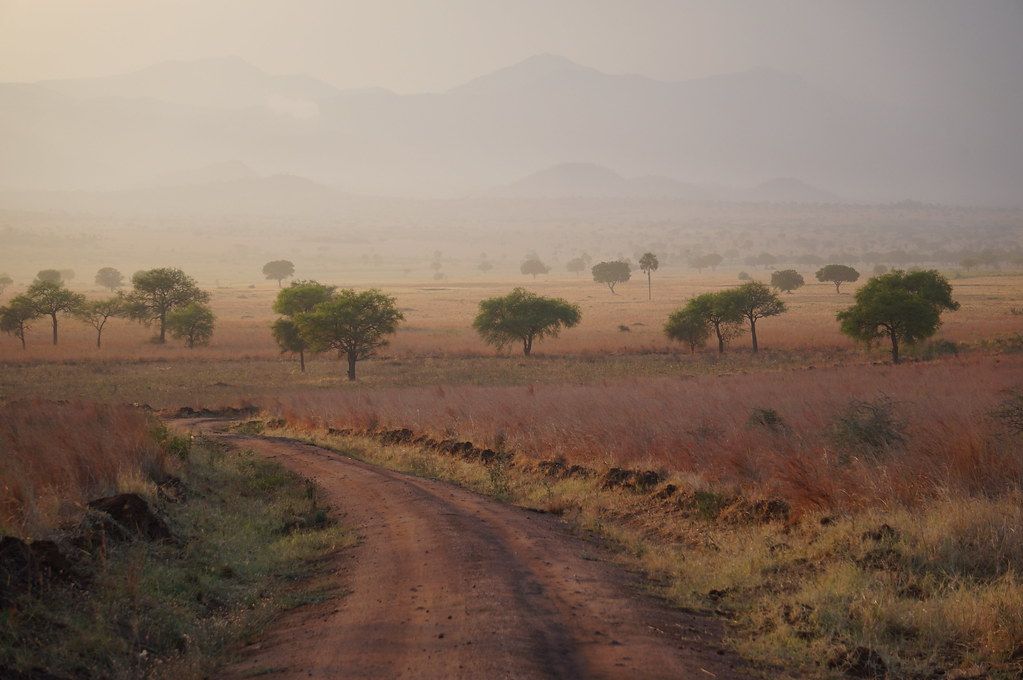
Kidepo Valley National Park, tucked into Uganda’s remote northeastern Karamoja region, is a rare jewel of wild landscapes. With golden open plains, fiery rocky escarpments, cool montane forests, and desert‑fringed valleys beneath soaring mountains, Kidepo offers a landscape mosaic unlike anywhere else in East Africa.
At Great Migration Adventure, we believe that the landscapes of Kidepo aren’t just scenery—they are ecosystems shaped by geology, climate, culture, and centuries of wildlife movement. Here’s why Kidepo’s landscape is not only unique—but unforgettable.
1. A Landscape of Contrasts
Broad Valleys Flanked by High Ridges
Kidepo is structured around two major valleys—Narus in the south and Kidepo in the north—each flowing toward South Sudan. These valleys, at 900–1,200 meters elevation, are boldly bookended by towering mountain ranges, including the iconic Mount Morungole, which soars to nearly 2,750 meters, offering ecological gradients rarely seen in Uganda.
Narus Valley: a Savanna Oasis
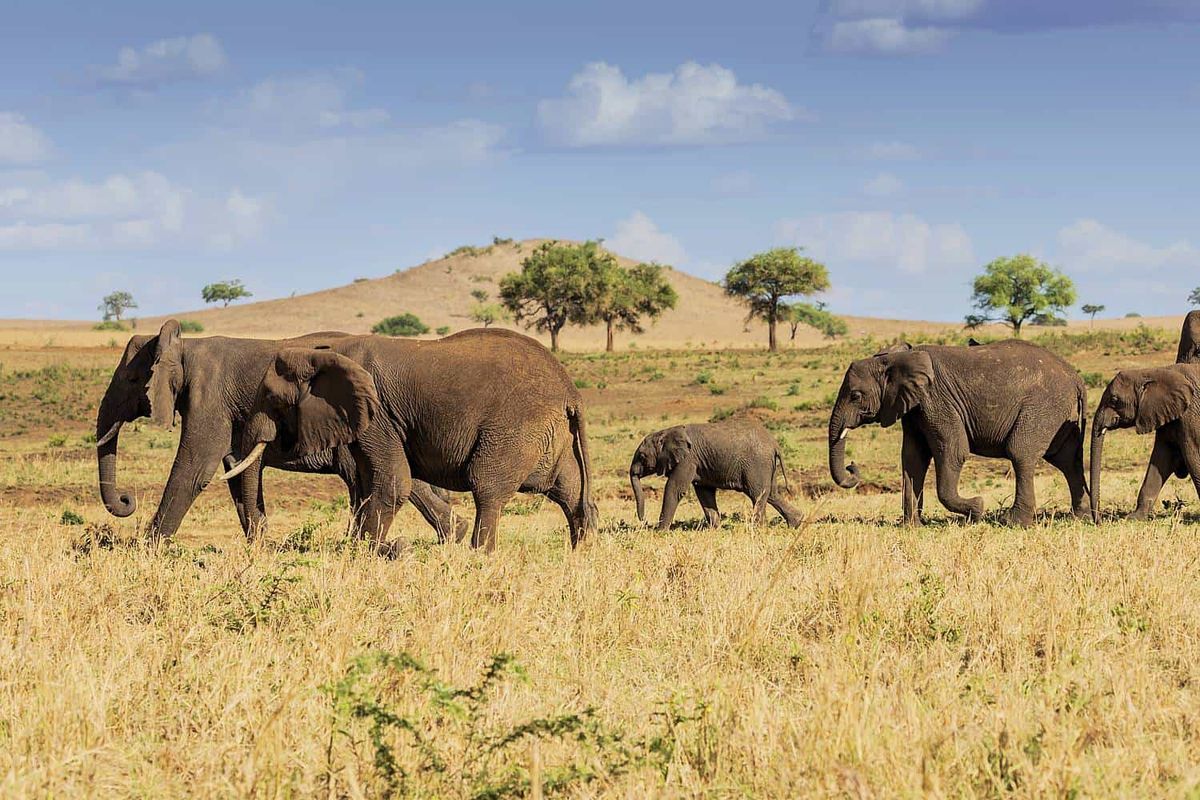
The Narus Valley is famed as Kidepo’s wildlife hub. Thanks to higher rainfall and perennial springs, it hosts riverine woodlands, lush grassland, and water pools even during dry months. The valley sustains vast herds—buffalo, giraffe, elephants—and concentrations of predators across a mosaic of vegetation types.
Northern Kidepo: Arid Beauty & Vast Silence
Kidepo Valley to the north presents arid plains, white sand riverbeds, Borassus palm groves, and thorn‑scrub savanna. The seasonal Kidepo River becomes a stretch of gleaming sand in dry months—a perfect setting for sundowner picnics, barefoot strolls, and solo wilderness immersion.
Morungole Mountains & Montane Forests
Beyond the arid plains, the Morungole Mountains rise steeply and support montane forest patches. These zones host different fauna and flora, and also native IK community settlements, offering a striking transition from plains to cloud‑kissed forest.
2. A Canvas Painted by Vegetation Variants
Kidepo’s botanical diversity is extraordinary—approximately 700 plant species thrive across its terrain:
-
Short-grass savanna and red oat grasslands dominate the Narus Valley, dotted with acacias.
-
Borassus palm groves line seasonal rivers and riverbeds, offering a structural contrast.
-
Dry scrubs and bush‑savanna fill the lowlands, populated with desert‑adapted species like gum acacia and Balanites.
-
Miombo and montane forests cling to mountain slopes at higher elevations, supporting unique plant and bird communities.
This layering of floristic zones creates the visual drama—tall grasses, spiny acacia, ribboned palms, thorny scrub, and dense mountain woodland in one sweeping vista.
3. Wildlife on the Land: Shaped by Terrain
Narus Valley—Wildlife Magnet
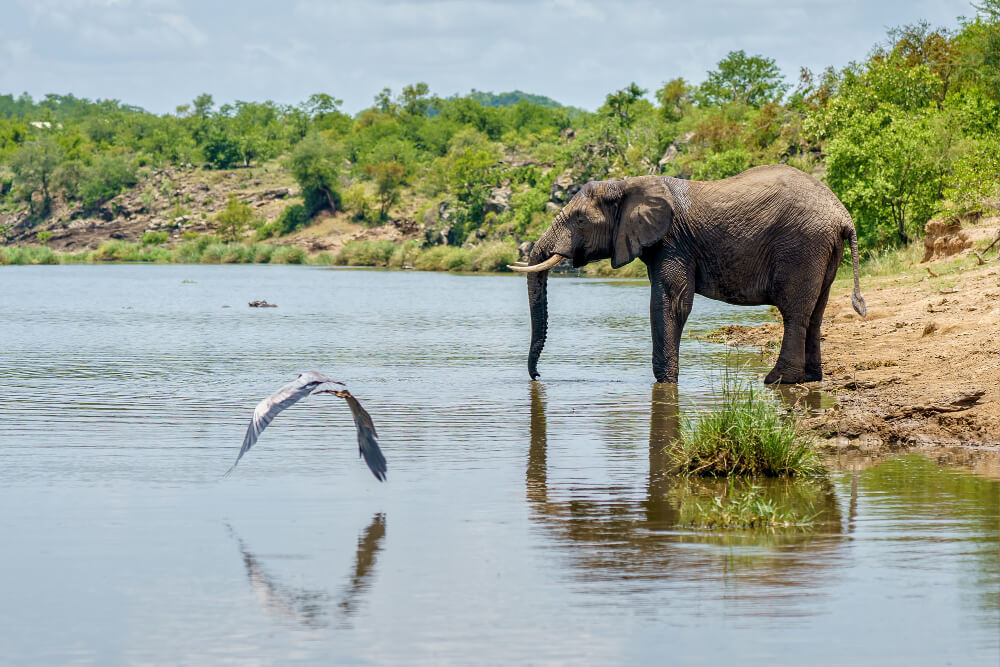
The Narus Valley is Kidepo’s central wildlife theatre. Thanks to permanent water, it sustains buffalo, elephants, Rothschild’s giraffes, warthogs, zebras, eland, bushbuck, and rare antelope like mountain reedbuck. In dry months animals gather around the waterholes, enabling exceptional visibility and predator action—especially lions and hyenas.
Northern Plains—Species of the Arid Lands
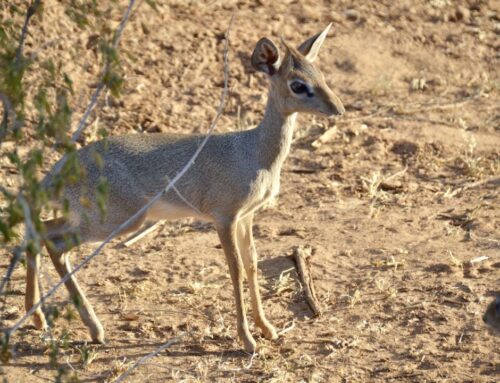
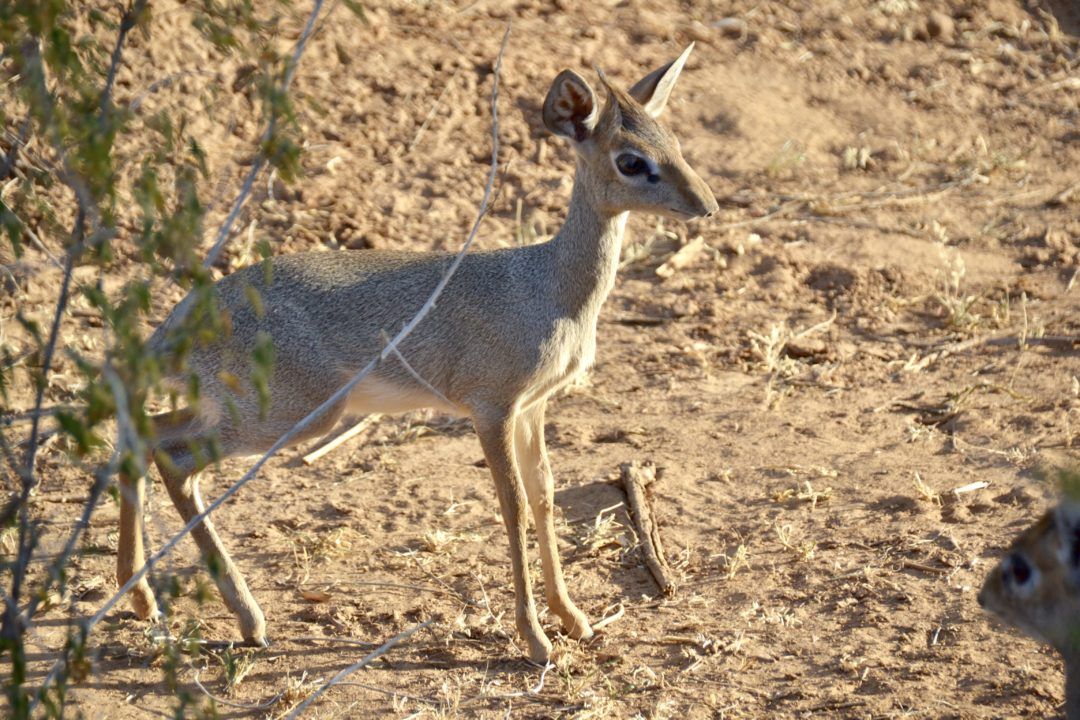
The more arid north hosts elusive species adapted to open terrain: cheetahs hunting in flat grasslands; bat‑eared foxes, caracals, striped hyenas, and lesser kudu, dik‑dik, klipspringer, oribi, and brighti gazelle. Many of these mammals are found exclusively in Kidepo within Uganda.
Raptors and Raptors
With over 475 bird species, Kidepo’s open skies offer endless spectacle. Raptors such as Verreaux’s eagle, pygmy falcon, and Egyptian vulture hunt cliffs and plains, while ostriches stride the northern flats. Endemic hornbills, starlings, apalis and pipits feed among shrubs and palms. The landscape invites both flight and field.
4. Geological Drama: Mountains, Granite and Springs
Morungole Mountain Range
This dramatic uplift forms a rugged tectonic backdrop and climatic divide. The steep slopes hold forest patches, clear streams, and walking routes leading to IK villages at the summit—offering cultural context in alpine terrain.
Granite Outcrops and Escarpments
Scattered across savannas are rocky kopjes and escarpments—climbing perches for lions, vantage points for birds, and shaded niches for klipspringers. They disrupt the plains with visual excitement and wildlife hideaways.
Kanangorok Hot Springs
In the extreme north, Kanangorok Hot Springs bubble at nearly 50 °C. Emerging from scrubland and framed by hill vistas, they add geological mystique—offering scenic rest stops and hidden wildlife viewing zones on cultural hikes.
5. Seasonal Shifts & Wilderness Experience
The Drama of Dry Season
From June to October, water becomes scarce beyond Narus. Animals concentrate; grasses brown; clear air sharpens mountain outlines. The sandy riverbeds turn seasonally empty, inviting barefoot walking, wilderness silence, and desert‑style bush picnics under open sky.
The Green Season’s Palette
In rainy months, Narus greenens, birdlife peaks as migratory species flood in, vegetation thickens, and ephemeral springs feed north plains. Wildlife disperses but birdlife and flora blossom.
Isolation & Adventure
Kidepo remains one of Uganda’s least visited parks. The dusty roads and remote location mean fewer vehicles, quiet drives, and undisturbed landscape immersion. At Great Migration Adventure, that isolation becomes an advantage: real wilderness, private bush moments, and a sense of discovery untouched by crowds.
6. Sample 5-Day “Wild Landscapes of Kidepo” Itinerary
Day 1: Arrival & Narus Valley Introduction
Arrive via light aircraft or road, settle into lodge, and take an afternoon drive in Narus Valley to view wildlife, valley clouds, and open plains under Morungole.
Day 2: Narus Valley & Birds of the Savanna
Morning drive into riparian woodland and grassland mosaics. Midday off-road walking in shaded areas. Sunset mission to granite kopjes for predation vantage.
Day 3: Northern Kidepo & Sand Valley Experience
Drive north into dry valley plains. Stop under palms in dried riverbeds for wilderness lunch, barefoot testimonies, a sand‑bed picnic. Afternoon game drive in open scrubland.
Day 4: Morungole Mountain Hike & Cultural Discovery
Guided ascent into montane forest—trek through changing vegetation, view valley panorama, and meet IK community on summit. Overnight at nearby wilderness camp valley side.
Day 5: Hot Springs & Farewell Drive
Morning visit to Kanangorok Hot Springs, then final wildlife loop through mixed plains before departure.
Optional extensions: Walks into birding zones, hot-spring swims, cultural village visits, or cycle rides in open flats.
7. Planning Tips & Visitor Experience
-
Best Season: Dry season (June–October) for wildlife concentration and clear terrain; green season for birding and floral shades.
-
What to Pack: Layered clothing for plains and mountains, walking boots for sandy and rocky terrain, binoculars for ridge and bird viewing, largemouth water bottle, hat and sun protection.
-
Road & Travel: Roads are unsealed and dusty—4×4 is recommended; recent improvements aim for better access by 2028.
-
Accommodation: Small safari lodges near Narus Valley; wilderness camps or tents near Morungole; mobile bush camps possible for multi-day hikes.
-
Guidance: Local guides trained in landscape interpretation, wildlife ecology, and tracking provide immersive experience across terrain types.
8. Landscape Conservation & Cultural Harmony
Kidepo’s landscapes are not just natural—they are cultural heritage. The Karamojong and IK tribes historically traversed these plains, gathered Borassus fruits, and named valleys accordingly. Many of their rituals and livelihoods remain tied to the land.
Landscape conservation here supports cultural health, ethnic resettlement rights, and biodiversity stewardship. At Great Migration Adventure, we engage communities respectfully, encourage cultural exchanges with traditional homesteads, and promote eco‑tourism livelihoods that preserve rather than disrupt the land.
9. Frequently Asked Questions
Is Kidepo more scenic than other Ugandan parks?
Yes—its multiple landscape types (savanna, palm groves, mountains, desert sandbeds) exist together and change dramatically across short distances.
Can visitors hike the mountain zones?
Yes—with licensed rangers; the Morungole trek provides ecological transition from plains to montane forest and IK cultural interactions.
What wildlife is best seen from each zone?
Narus Valley excels for large herds and predators; the northern valley is best for arid-adapted species like kudu, oryx, bat‑eared fox, ostrich and antelope variety.
Is Kidepo suitable for photography and birding?
Absolutely—birding thrives in riparian zones and scrubland; photographic landscapes include dramatic driftwood plains, mountain backdrops, and golden hour hues across grasslands.
10. Why Choose Great Migration Adventure
At Great Migration Adventure, we understand that Kidepo’s landscapes form the soul of any safari here. We specialize in:
-
Custom itineraries that traverse both Narus and Kidepo valleys
-
Expert guides articulating landscape‑wildlife interactions
-
Integrated hikes, climbs, cultural visits, bird spotting, and game drives
-
Small-group and private experiences ensuring intimacy with nature
-
Conservation commitment supporting local communities and biodiversity
-
Seamless logistics—from transport, camping, to permits and safety
We don’t just take you to Kidepo; we help you discover its layered terrain, hidden ecosystems, and cultural pulse.
11. Final Thoughts: Landscape as Story
Kidepo Valley National Park is landscape as story—every valley tells of water and dryness, life and survival. Every ridge whispers of mountains meeting plains, every palm grove signals hidden life in desiccated earth.
Here, wilderness isn’t constructed—it’s carved by wind, rainfall, and ancient rivers. It’s sharpened by mountain shadows and softens in sand dunes. And walking through it feels like walking through a painting: brush strokes of ochre, green, gold under cobalt skies.