What’s Unique About Katavi’s Buffalo Herds?
Unrivaled Mega‑Herds and Raw Wilderness with Great Migration Adventure
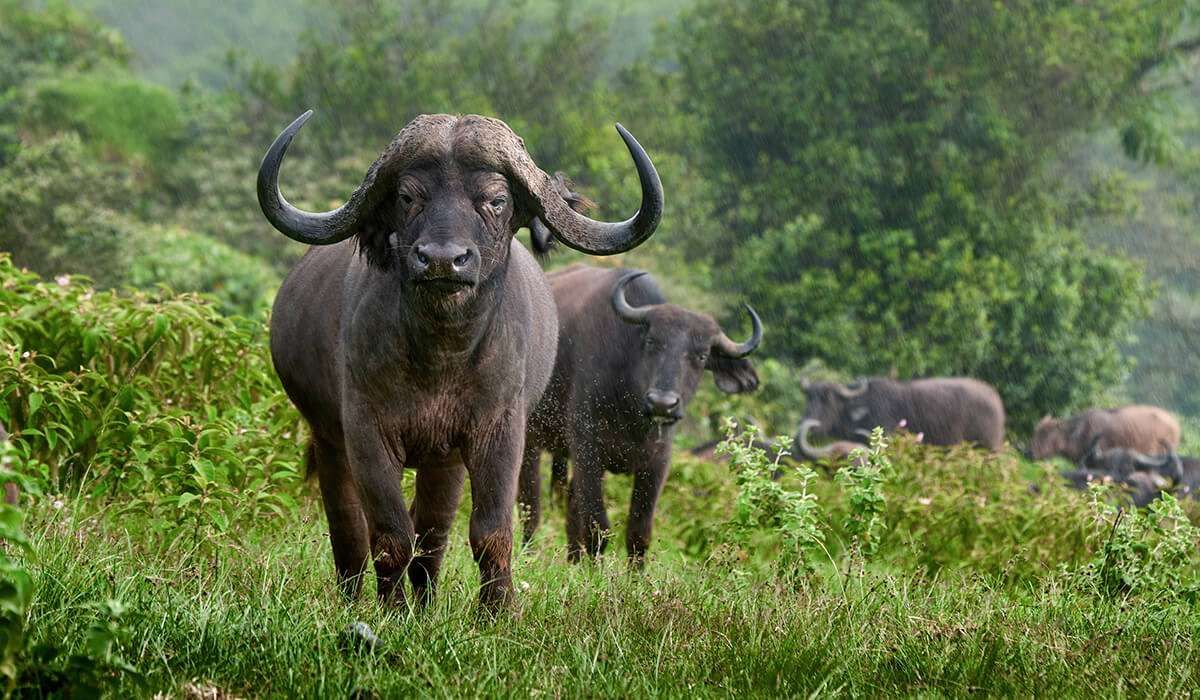
Nestled in far-western Tanzania, Katavi National Park remains one of East Africa’s wildest, most remote wilderness areas. While buffalo roam many savannah parks, what unfolds here in the dry season is nothing short of extraordinary: giant buffalo herds numbering in the thousands, moving, grazing, and surviving together on parched floodplains. At Great Migration Adventure, we believe these herds are more than wildlife—they are a force of nature, shaping predator dynamics, ecosystem rhythms, and unforgettable safari stories.
1. The Setting: Wilderness Beyond Crowds
Katavi is Tanzania’s third-largest national park, covering more than 4,400 km² of remote miombo woodland, riverine forest, seasonal plains, and lakes. Its isolation means fewer than 2,000 visitors a year, and often you’ll share the vast plains with no other vehicle in sight.
There’s a raw authenticity to Katavi’s landscape: seasonal rivers and floodplains shrink into mud during the dry season, forcing dense wildlife gatherings. It’s here, on the Katisunga Plains and along the Katuma River, that the buffalo phenomenon takes center stage.
2. Super‑Herd Scale: Why Katavi Stands Apart
Enormous Herds Beyond Anywhere Else
-
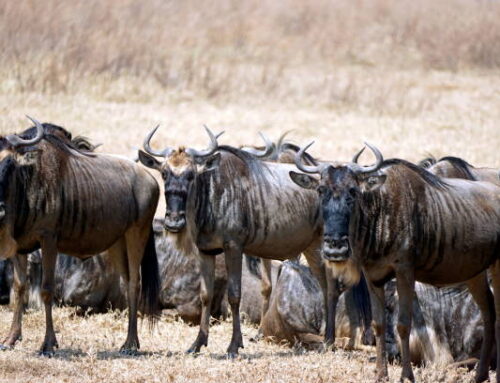
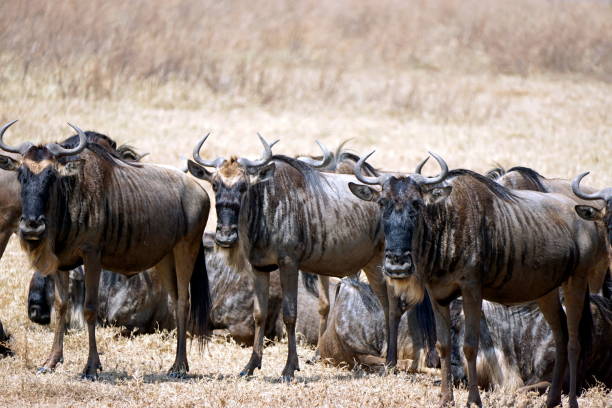
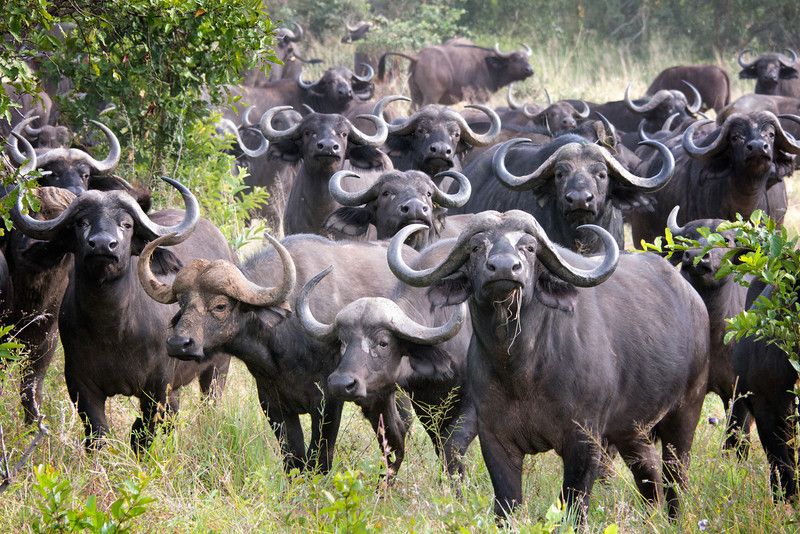
In peak dry season (June–October), buffalo herds of 1,000 to 3,000 individuals are common sightings.
-
Observers report plains awash with dust clouds from their movement—a living, breathing buffalo sea.
Exceeding Typical African Numbers
-
Unlike in Serengeti or Ngorongoro, Katavi’s buffalo numbers dwarf those seen elsewhere. Even smaller herds in other parks rarely exceed a few hundred individuals. The scale here creates behavior and predator dynamics rarely observed across the continent.
Continuity & Aggregation
-
The flat floodplain topography allows these mega-herds to assemble and disperse in giant waves, following midday grass patterns or nightly water routes. Their movement rhythms define much of dry-season life at Katavi.
3. Ecological Impact & Predator Dynamics
Buffalos Draw the Predators
-
Such concentration of buffalo attracts predators. Lions raid these massive herds; hyenas and wild dogs follow; leopards & cheetahs hunt juveniles or stragglers.
-
Predator-prey dramas are often visible across open plains, with high-energy hunts, crowd defense by buffalo, and vigilant calves clambering into the herd’s inner cluster.
Role in Waterhole Ecology
-
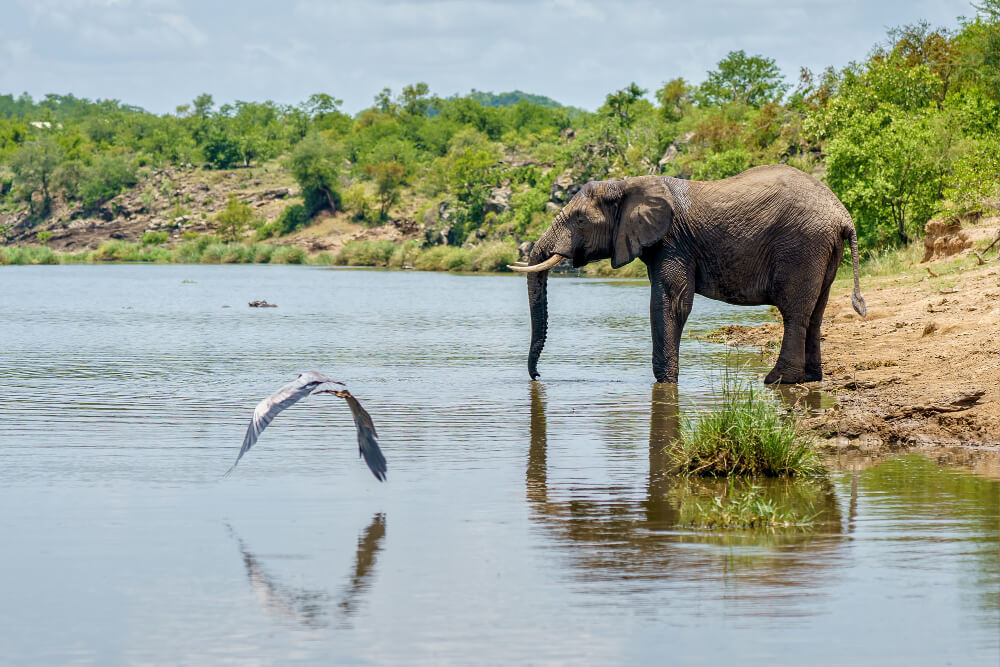
As herds converge on rivers and shrinking pools, they alter nutrient cycles and water quality. Hippos and crocodiles crowd even further into the few remaining water holes, creating dense, multi-species pinnacles of life and tension.
4. Landscape & Season: Why It Happens
Seasonal Floodplain Contraction
-
During the rains, waters flood the plains. As dry months arrive, water recedes and animals lose grazing ground. Buffalo then aggregate near the Katuma River, Lake Chada, and Lake Katavi shores, sharing thin grass and muddy water holes.
Spatial Advantage
-
Katavi’s vast floodplain is framed by Miombo woodlands—acting as migration funnels. Buffalo herds naturally gather en masse where water and cover coincide.
Predator-Driven Herd Discipline
-
Large herds adapt social structures—female-centered groups, subordinate male rings, protective formations to defend calves and discourage predators.
5. What It Feels Like with Great Migration Adventure
Immersive Viewing
Our safaris take you to the Chada Plains and Katuma River corridor, where buffalo super-herds assemble like moving mountains. We plan slow game drives and extended stops to observe their formations, dust storms they stir, and group behaviors.
Watch Nature’s Drama
Predator-prey interactions become visceral: lion stalking over buffalo tidal fronts, hyenas weaving through edge zones, and buffalo calves pressed into central herds—all unfolding in raw and quiet wilderness.
Wild & Remote Setting
Picture this: Miles of plains, a single lodge horizon, and undisturbed buffalo herds stretching to the skyline—a stage with no crowds, only nature’s drama.
Flexible Camp Options
We offer fly‑camp nights on the floodplain edges—so you wake within earshot of thundering hoofbeats, hippo memories, and buffalo bellow at dawn.
6. Wildlife Behavior & Biology Insights
Group Governance
Studies suggest female buffalo “vote” on movement direction by rising, shifting, and sitting in sequence—an emergent collaborative behavior. This protects calves and minimizes predator risk.
Calf Safeguarding Strategy
The huge herds shield young members in the center. Distress calls from calves are attended by matriarchs and the broader herd, leading to group defense and chasing-off of predators.
Adaptive Migration
Herds shift daily: grazing the floodplain in morning, seeking water midday, resting in shade midday, and reassembling at dusk. This rhythm is visible across the herd mass as a coordinated ebb and flow.
7. Visiting Tips & Timing
Best Season: Dry Months
-
June–October offers highest buffalo visibility and predator activity, plus better access and stable roads.
Access
-
Remote by design: Either fly-in charter from Dar or Arusha, or a multi-day drive; but once inside, you’ll likely go days without seeing another vehicle.
Accommodation
-
Small camps like Mbali Mbali Katavi Lodge, Foxes on the Katuma Plain, and Chada Camp offer scenic floodplain access and wildlife front doors.
Activities
-
Morning and afternoon game drives, walking safaris with armed ranger, fly‑camping near Katuma River, birdwatching across seasonal wetlands.
8. Sample 5‑Day “Buffalo Mega-herds” Safari Itinerary
Day 1: Fly into Katavi, transfer to floodplain camp, sundowner on Katisunga Plains.
>Day 2: All-day floodplain game drive, observe buffalo herds and predator interactions.
>Day 3: Walk safari near hippo pools and buffalo tracks; optional fly camp by Katuma River.
>Day 4: Dawn plains drive to witness herd movements; afternoon rest; evening spotlight for nocturnal species.
>Day 5: Sunrise herd departure, transfer back via charter flight or drive.
All included: private vehicle, expert guides, park fees, meals, comfortable tents or fly-camp setup, and community conservation contributions.
9. Conservation Context & Ethos
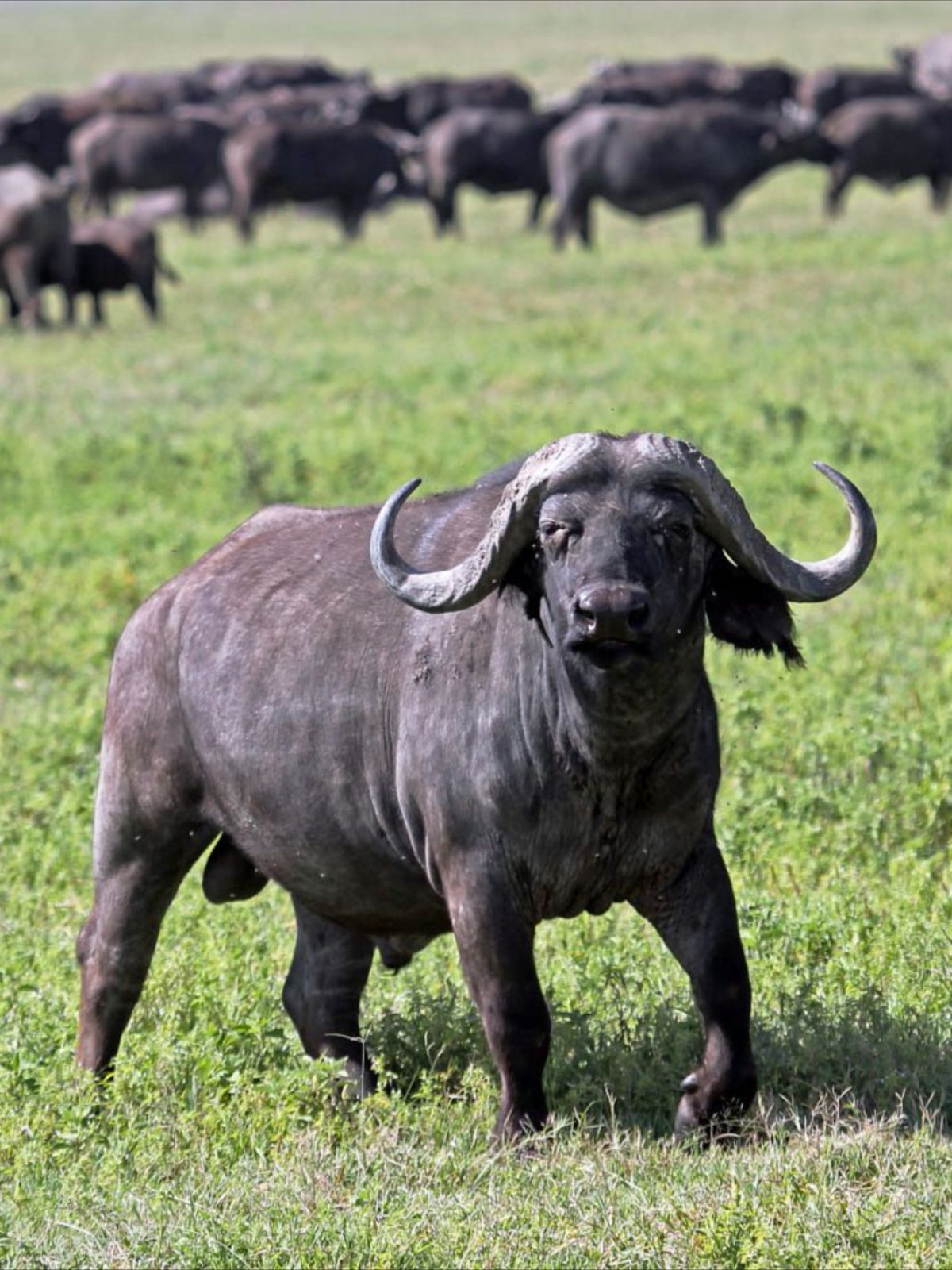
Katavi’s remoteness has safeguarded much of its wilderness—home to roughly 15,500 Cape buffalo, among other species. Buffalo numbers here help sustain top predators and maintain floodplain vegetation.
By visiting:
-
You support eco-lodges and local communities reliant on wildlife tourism.
-
You contribute to anti-poaching patrols, ranger support, and land protection.
At Great Migration Adventure, we emphasize low-impact travel, support for community conservancies, and awareness of threats like habitat change or increased access leading to degradation.
10. Frequently Asked Questions
Q: Do these mega-herds exist year-round?
A: They form seasonally during the dry season (June–October). In wet season, buffalo disperse across broader floodplains.
Q: Is Katavi safe to walk in?
A: Yes, with an armed ranger escort. Walking safaris are permitted in designated zones and provide intimate proximity to buffalo footprints and predator signs.
Q: How many buffalo are present?
A: Estimates suggest over 15,000 buffalo in the park and individual herds up to 3,000 strong in peak months.
Q: Are predator interactions common?
A: Yes. Big cat activity is intensified by large buffalo gatherings—lion hunts, hyena skirmishes, and wild dog chases often happen near the herds.
Why Katavi’s Buffalo Afro-Universe Matters
Katavi’s buffalo herds are not just large—they are a living demonstration of ecosystem power, predator-prey balance, and primordial African wilderness. Unlike tourist-heavy parks, here each animal move is unscripted drama. As buffalo families vote on movement, calves huddle and lions lurk, Katavi becomes both cradle and battlefield of life.