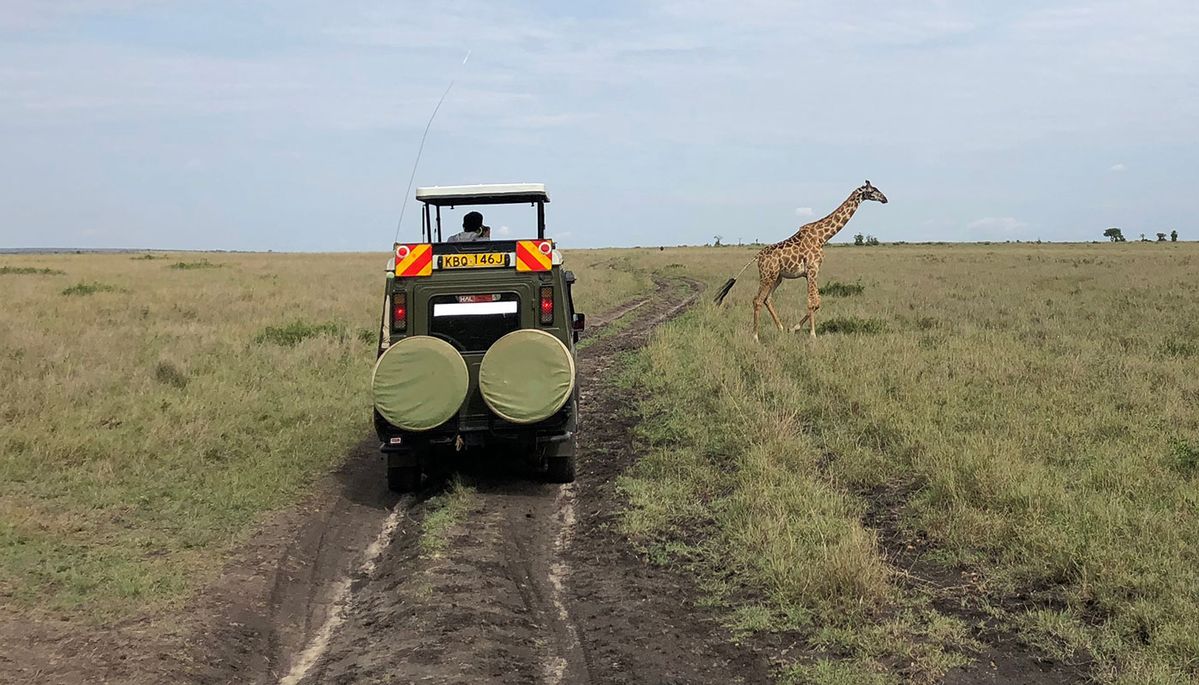
What’s the Tipping Etiquette on Safaris?
When planning a safari adventure, especially in East Africa, travelers often focus on packing lists, wildlife checklists, and camera gear. However, one important aspect of travel that often causes uncertainty is tipping etiquette. Knowing how much, when, and whom to tip can make your journey more culturally respectful and ensure the people who help make your safari extraordinary are appreciated appropriately.
This comprehensive guide on tipping etiquette for safaris is tailored for clients of Great Migration Adventure and is based on industry norms, regional customs, and feedback from travelers and guides alike.
Why Tipping Matters on Safari
Tipping isn’t just a Western concept; in East Africa, it plays a crucial role in supplementing the income of people working in the tourism sector. Guides, trackers, porters, cooks, and hotel staff often rely on tips to make a living wage. A generous, well-timed tip can also boost morale, show appreciation, and foster goodwill between guests and staff.
General Tipping Guidelines by Country
Uganda
- Safari Guides: $10–$20 per person, per day
- Trackers (for gorilla or chimp trekking): $10–$15 per trek
- Lodge Staff: $5 per guest, per day
- Porters: $5–$10 per trek
Kenya
- Driver-Guides: $10–$20 per person, per day
- Camp Staff: Tip the general staff fund around $5 per person, per day
- Porters: $1–$2 per bag
Tanzania
- Guides: $10–$20 per day
- Safari Camp Staff: Group tip of $10–$15 per guest, per day to a shared tip box
- Trackers & Rangers: $10–$15 per activity
Rwanda
- Gorilla Trekking Guides: $10–$20 per trek
- Porters: $10 per trek
- Lodge/Camp Staff: $5 per guest, per day
Tipping Etiquette by Role
Driver-Guides
They are your lifeline throughout the safari, navigating remote roads, spotting wildlife, and providing insights into flora and fauna.
- Tip daily or at the end of the safari.
- Hand it over in a sealed envelope with a thank-you note if you wish.
Lodge and Camp Staff
Many camps have a communal tip box to distribute among the entire team fairly, including chefs, housekeeping, and maintenance.
- Ask the manager if a communal box exists.
- Place your tip at the end of your stay.
Trackers and Rangers
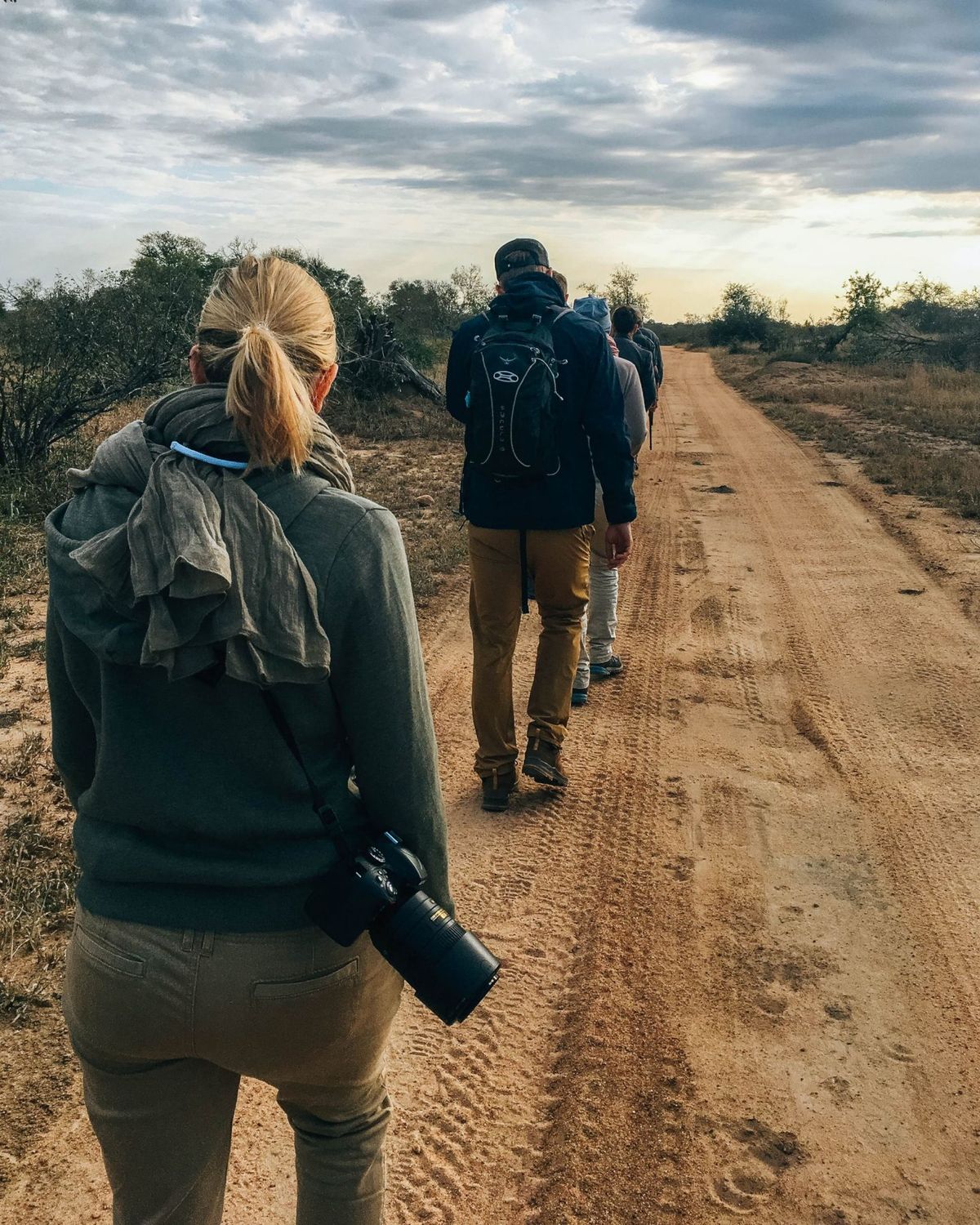
They lead walking safaris or accompany guests during treks. Their expertise ensures your safety and success during wildlife encounters.
- Tip after each excursion.
- Cash is appreciated in small denominations.
Porters
Especially important for treks like gorilla or chimpanzee tracking.
- Tip before the trek to encourage good service.
- A follow-up tip can be given at the end if they exceed expectations.
Best Practices for Tipping
Use Local Currency Where Possible
While US dollars are widely accepted, smaller denominations of local currency (Ugandan shillings, Kenyan shillings, Tanzanian shillings, or Rwandan francs) are often more convenient for the staff.
Carry Small Bills
Many lodges and staff in rural areas may not have change for large denominations. Bring plenty of small bills in clean, new condition.
Envelopes and Thank-You Notes
Placing your tip in an envelope with a short thank-you message adds a personal and respectful touch.
Ask Your Tour Operator
At Great Migration Adventure, we offer country-specific tipping guidelines before your trip. Don’t hesitate to ask your tour manager for suggestions.
Pooling Tips in a Group
When traveling with a group, it’s customary to collect a pooled amount and then divide it based on roles.
Cultural Considerations
Discreet Tipping
In East African cultures, it’s considered respectful to tip discreetly. Loud or showy tipping can make others uncomfortable.
Gratuity Isn’t Mandatory
While tips are appreciated, they are not mandatory. If the service wasn’t up to standard, you’re not obligated to tip.
Tips Reflect Satisfaction
Use your tip to reflect your level of satisfaction. Outstanding service deserves a bit more, while average service may warrant a standard tip.
Common Mistakes Travelers Make
- Not budgeting for tips: Tipping can add up, especially on longer trips.
- Tipping too early: It’s better to tip after the service has been provided.
- Over-tipping or under-tipping: Stick to regional norms unless you feel compelled to do more.
Sample Tipping Budget for a 10-Day Safari
- Driver-Guide: $150–$200
- Camp Staff: $50–$100
- Porters & Trackers: $30–50
- Total: Approximately $250–350 per person
Tipping on safari doesn’t have to be stressful. With a little preparation and understanding of local customs, you can tip with confidence and grace. It’s one of the simplest yet most meaningful ways to give back to the people who make your Great Migration Adventure a once-in-a-lifetime experience.
Whether you’re trekking gorillas in Bwindi, exploring the Serengeti, or relaxing in the Maasai Mara, showing appreciation through proper tipping etiquette is always in style.