What’s the Best Time for Tarangire Safaris?
By Great Migration Adventure – East Africa’s Safari Experts
When it comes to African safaris, names like Serengeti and Ngorongoro Crater often dominate the conversation. But for seasoned wildlife enthusiasts and photographers looking for something a little more intimate and wild, Tarangire National Park is a revelation. Nestled in northern Tanzania and just a few hours’ drive from Arusha, Tarangire offers a sanctuary of massive baobab trees, golden savannahs, and one of the highest concentrations of elephants in East Africa.
At Great Migration Adventure, we design unforgettable journeys tailored to showcase the magic of each season in Tarangire. Whether you’re a first-timer or returning adventurer, knowing when to visit can make all the difference. In this in-depth guide, we’ll walk you through each season, highlighting what you can expect — from wildlife sightings and climate to photography conditions and crowd levels — to help you decide the best time for your Tarangire safari.
Understanding Tarangire’s Seasons
Tarangire’s ecosystem follows two main weather patterns: the dry season and the wet (or green) season. Each brings distinct advantages and experiences. Here’s a breakdown of the year:
-
Dry Season (June to October)
-
Short Rains (November)
-
Green Season (December to March)
-
Long Rains (April to May)
Let’s explore what each season brings for safari-goers.
1. Dry Season (June to October): Peak Game Viewing
If your priority is wildlife — especially in large numbers — this is the best time for a Tarangire safari.
Why It’s Ideal:
-
Wildlife congregates around the Tarangire River, the park’s only reliable water source during the dry months.
-
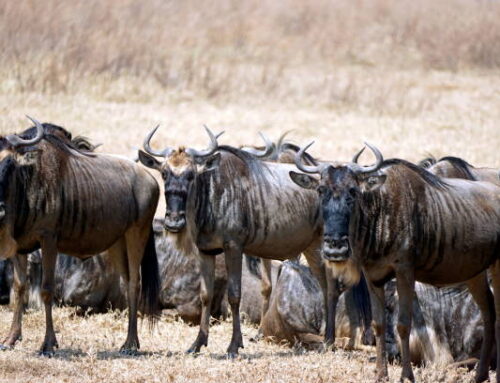
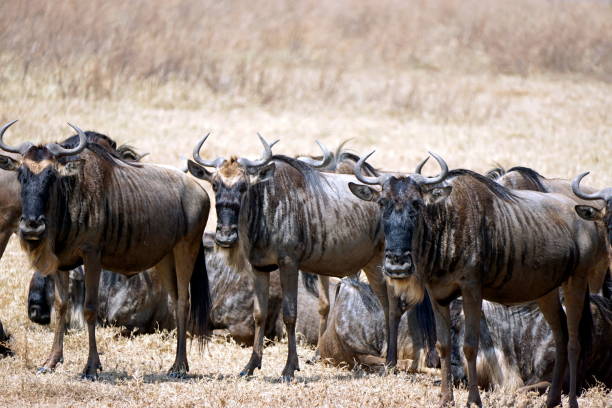
Elephants, zebras, wildebeest, impalas, elands, and buffalo arrive in droves.
-
Predators — lions, leopards, and cheetahs — follow the herbivores, leading to dramatic sightings.
-
Vegetation is sparse, improving visibility for photography and game drives.
Key Wildlife Experiences:
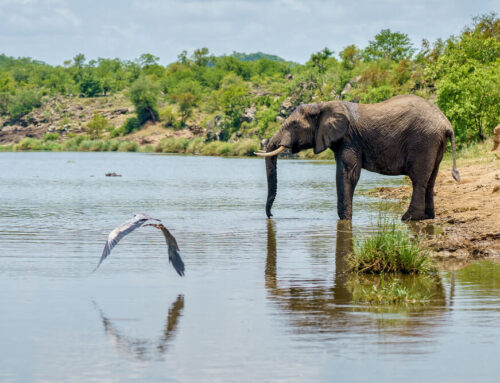
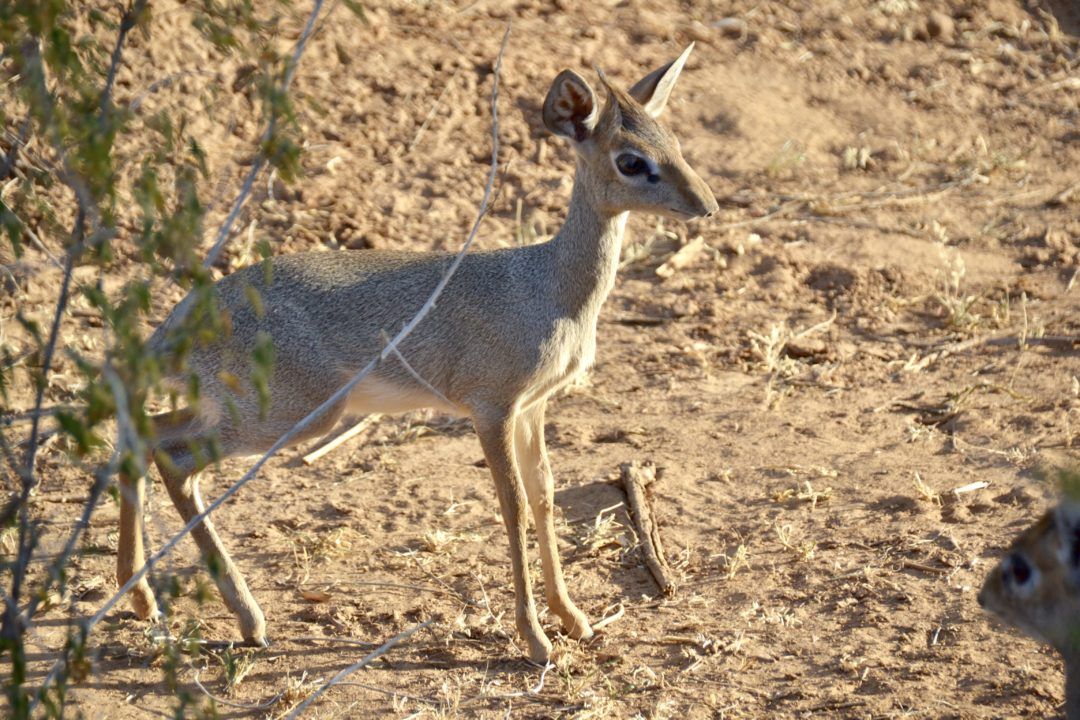
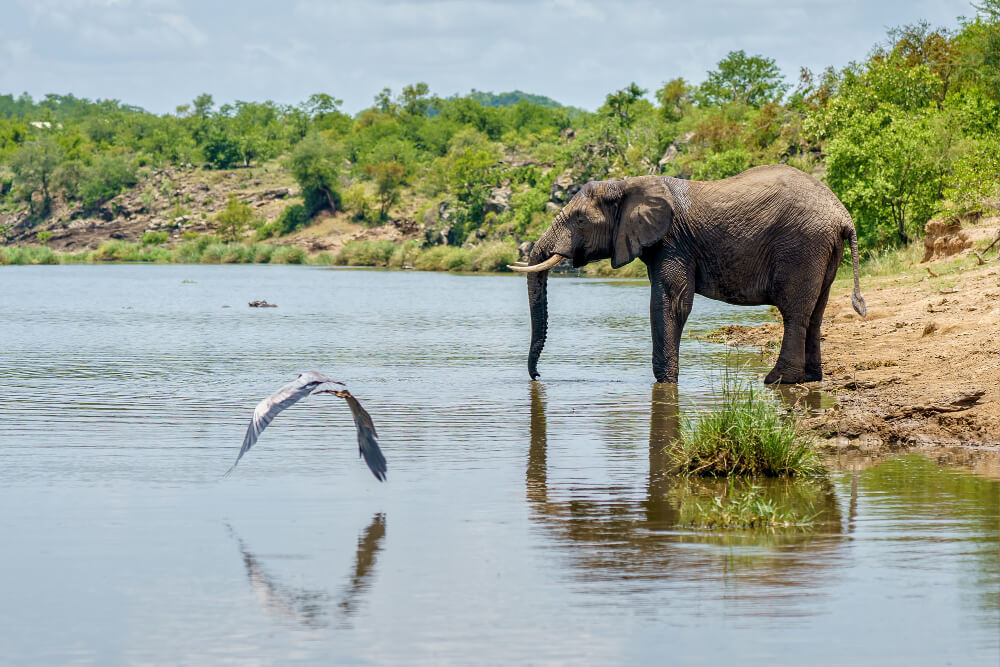
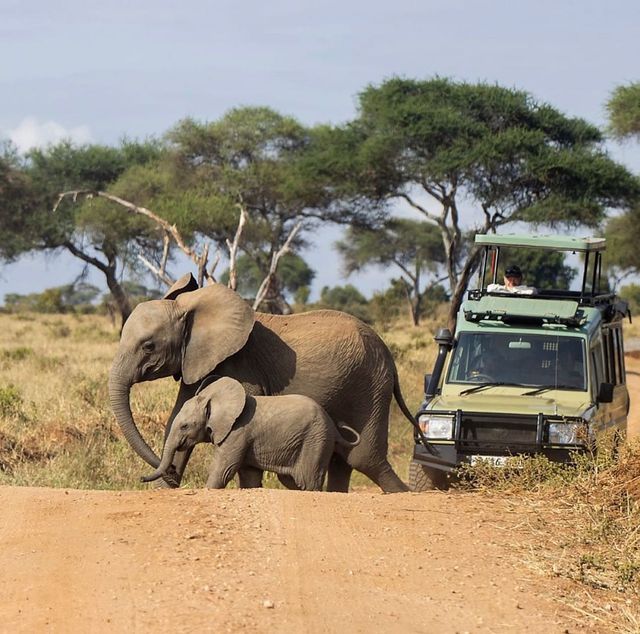
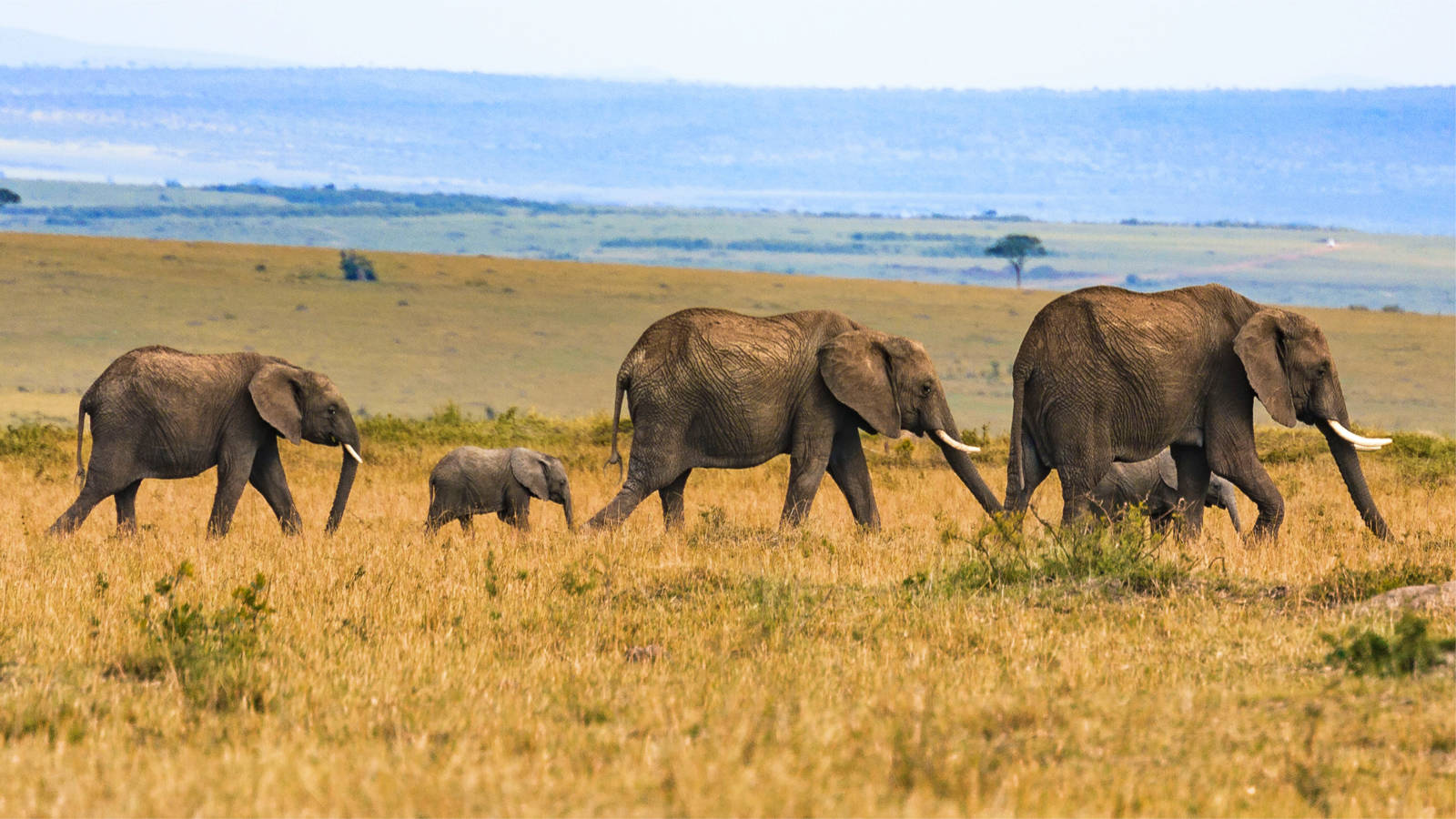
Tarangire is famous for its massive elephant herds — up to 300 in a single group. During the dry season, they bathe and play in the river’s mud, often interacting at close range with safari vehicles. You’ll also spot rare species like the fringe-eared oryx and gerenuk, best seen when vegetation thins out.
Photography Perks:
-
Golden hour lighting lasts longer due to minimal cloud cover.
-
Dust kicked up by wildlife offers cinematic frames.
-
Easy shots of animals near the riverbanks and open plains.
Downsides:
-
It’s the peak tourist season, so certain areas may be busier.
-
Accommodation prices are at their highest.
-
Limited greenery might not appeal to those who love lush landscapes.
Verdict:
Perfect for first-timers, wildlife lovers, and photographers seeking clarity, drama, and guaranteed sightings.
2. November: Short Rains & Secret Magic
November is a transitional month often overlooked by many — but at Great Migration Adventure, we think it’s a well-kept secret.
What Makes It Special:
-
Short bursts of afternoon rain refresh the landscape.
-
New grass begins to sprout, attracting grazers.
-
Fewer tourists, making it ideal for exclusive, quieter safaris.
Wildlife Highlights:
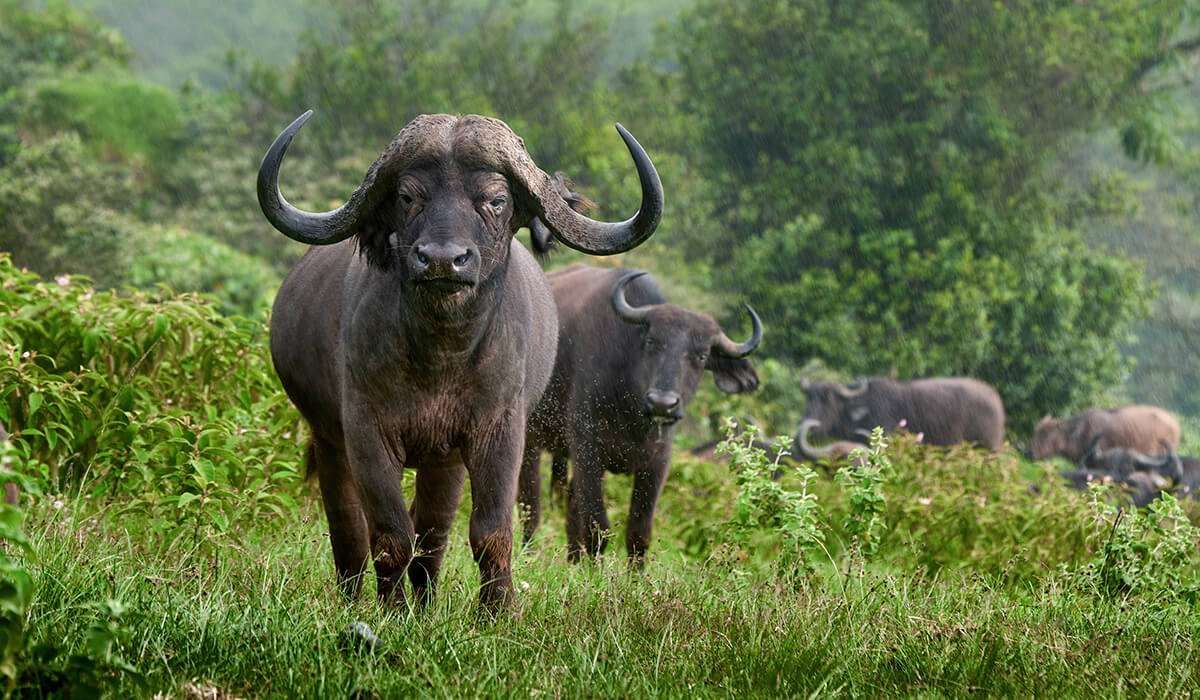
Though the mega herds start to disperse, you still find elephants, giraffes, and buffalo in good numbers. This is also the start of the birding season, as migratory birds arrive, adding color and song to the ecosystem.
Photography Perks:
-
Contrast between rain-soaked skies and golden grasses.
-
Richer hues from fresh vegetation.
-
Dramatic cloudscapes.
Downsides:
-
Unpredictable showers can affect game drives.
-
Some lodges may begin seasonal maintenance closures.
Verdict:
A hidden gem for returning safari-goers, birders, and romantics looking for solitude and atmosphere.
3. Green Season (December to March): Births and Birdsong
This period, sometimes called the calving season, is rich in life and color. At Great Migration Adventure, we often recommend this time to clients who want something more serene and soulful.
What You’ll Experience:
-
Tarangire turns into a lush paradise, with tall grasses and blooming flowers.
-
Many animals give birth during this period — especially wildebeest and impalas.
-
Predator action spikes as lions and leopards hunt newborns.
Birding Heaven:
Over 550 bird species have been recorded in Tarangire, and the Green Season is the best time for birdwatching. Migratory species from Europe and Asia arrive, mingling with local residents like the yellow-collared lovebird, lilac-breasted roller, and African fish eagle.
Best For:
-
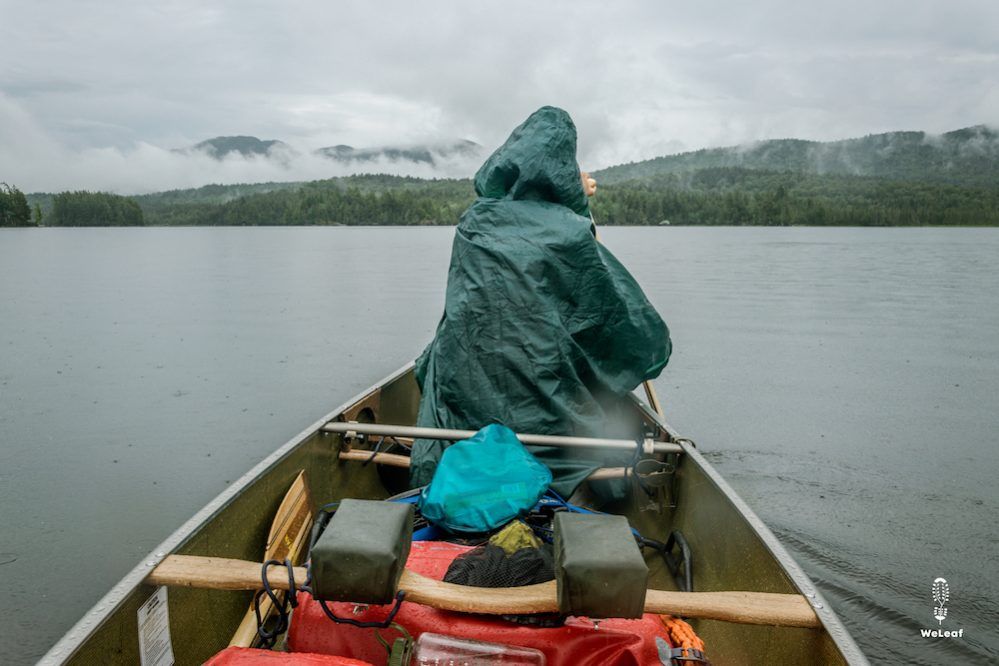
Travelers who enjoy vibrant scenery and don’t mind occasional showers.
-
Families and photographers who want to witness animal behavior like nursing and nurturing.
-
Luxury lodge experiences, as many offer discounted rates.
Downsides:
-
Tall grasses can obscure smaller animals.
-
Roads may be slippery or occasionally impassable during heavy rains.
-
Malaria risk is slightly higher, so precautions are necessary.
Verdict:
An ideal time for nature lovers, birders, and photographers who appreciate the richness of life over sheer numbers.
4. Long Rains (April to May): Greenest but Quietest
These two months are generally considered the low season — but that doesn’t mean it’s not worth going. In fact, for the right traveler, this may be the most enchanting time of all.
Key Features:
-
The rains fall mostly in the evening or night, leaving clear mornings for game drives.
-
Vegetation is at its fullest and most colorful.
-
Very few tourists, giving a feeling of complete wilderness.
-
Lodges offer significant discounts, sometimes up to 50% off.
Wildlife Still Around:
While some animals migrate to other parks, many residents — including elephants, giraffes, hippos, and lions — remain. This time is also great for insect macro photography, amphibian spotting, and observing plant life.
Unique Perks:
-
Storm-chasing photography — dramatic skies and moody landscapes.
-
Private safari feel without luxury price tags.
-
Birdlife is still phenomenal.
Challenges:
-
Some roads may be closed or require 4×4 expertise.
-
Limited movement in heavy downpours.
-
Risk of tsetse flies and mosquitoes increases.
Verdict:
Perfect for adventurous souls, budget travelers, and photographers who love dramatic scenery and solitude.
Best Time by Traveler Type
At Great Migration Adventure, we understand that no two safari dreams are alike. Here’s a quick reference tailored to your preferences:
| Traveler Type | Best Time | Why? |
|---|---|---|
| First-Time Safari Goer | June – October | Guaranteed sightings, easy conditions |
| Wildlife Photographer | June – October & Jan – Mar | Light, visibility, and animal behavior |
| Birdwatcher | Nov – April | Migratory species and nesting activity |
| Honeymooners | November & March | Romance, privacy, fewer crowds |
| Budget Traveler | April – May | Lowest rates and empty lodges |
| Family with Kids | December – February | Baby animals, short rains, safe options |
Safari Tips for Each Season
Dry Season Tips:
-
Book lodges and park entry well in advance.
-
Bring a scarf or buff — the dust can be intense on open game drives.
-
Early morning and late afternoon drives are the most productive.
Green Season Tips:
-
Pack waterproof shoes and jackets.
-
Use soft lighting for photography — overcast skies reduce harsh shadows.
-
Don’t skip the night game drives (available in nearby private reserves).
Long Rains Tips:
-
Opt for a private 4×4 with experienced drivers who know how to navigate muddy tracks.
-
Choose lodges with great indoor amenities for rainy afternoons (spa, libraries, lounges).
-
Be flexible — nature moves on its own schedule.
How Great Migration Adventure Enhances Your Experience
We don’t just offer safaris — we create deeply personal wildlife journeys.
Here’s how we make each season unforgettable:
1. Tailored Itineraries
Every trip is built around your interests, travel dates, and pace. Whether you’re a honeymooner or on a solo wildlife quest, we adapt the experience to you.
2. Expert Local Guides
Our guides are born and raised in Tanzania. They know every hidden waterhole, migration corridor, and secret viewpoint in Tarangire.
3. Handpicked Lodges
From luxury camps to rustic hideouts, we hand-select accommodations that reflect the mood of the season and offer the best value.
4. Exclusive Access
Want a sunrise bush breakfast, a night under the stars, or a private photography vehicle? We make it happen.
Conclusion: When Should You Visit Tarangire?
There’s no “bad” time to visit Tarangire — only different flavors of its magic.
-
If you want drama, action, and elephants in epic numbers — come between June and October.
-
If you prefer lush landscapes, babies, and birdlife — try December to March.
-
If solitude and stormy skies inspire you — visit during the long rains.
-
If you’re seeking good sightings with fewer crowds — November is your secret window.
At Great Migration Adventure, we believe a safari should never be one-size-fits-all. Your journey into Tarangire should match your travel personality, your calendar, and your dreams. That’s why we’re here — to guide, curate, and host you through every unforgettable moment.
Let’s plan your perfect Tarangire safari.
Ready to Begin?
Get in touch with our safari experts today to receive a free custom itinerary and consultation. Let Tarangire surprise you — in the season that suits you best.