What’s the Best Time for Birding in Kenya?
A Comprehensive Guide by Great Migration Adventure
Kenya is a world-renowned safari destination, celebrated for its dramatic landscapes, thrilling wildlife, and vibrant cultures. But beyond the roaring lions, graceful giraffes, and sprawling savannahs lies another wonder—a spectacular diversity of birds. Kenya is home to over 1,100 bird species, including both residents and migratory visitors. Whether you’re a professional ornithologist or a hobbyist with binoculars and a passion, Kenya promises an unforgettable birding journey.
But birding is not just about where you go—it’s about when. At Great Migration Adventure, we design tailor-made birdwatching safaris that revolve around the rhythms of nature. Understanding the best time for birding in Kenya allows you to experience flocks in flight, spectacular mating displays, and record-breaking bird counts.
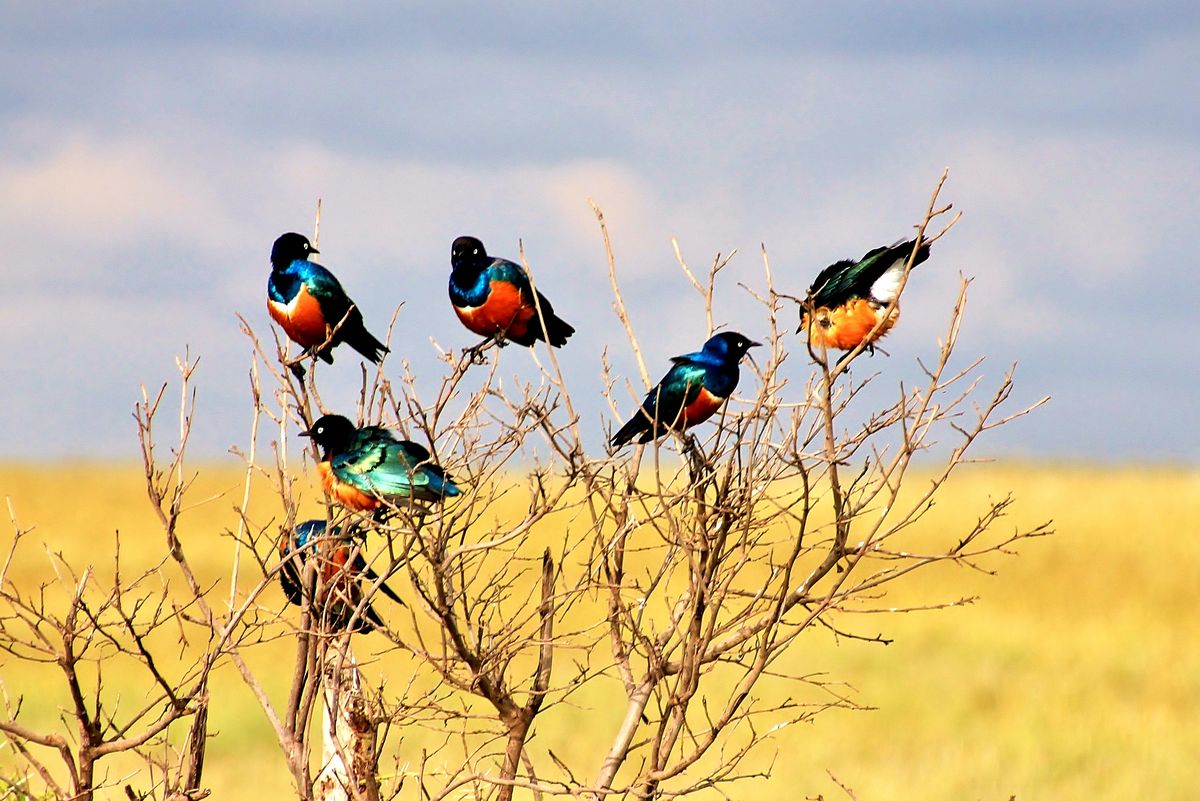
Let’s dive deep into the seasons, regions, species, and strategies that make birdwatching in Kenya a once-in-a-lifetime experience.
Understanding Kenya’s Seasons: Timing is Everything
Kenya straddles the equator, and while it enjoys relatively consistent daylight hours year-round, its climate is shaped by seasonal rainfall rather than temperature extremes. These rain patterns dictate vegetation growth, which in turn influences bird behavior.
Kenya’s climatic calendar is roughly divided into:
-
Long Dry Season (June to October)
-
Short Rains (November to December)
-
Short Dry Season (January to February)
-
Long Rains (March to May)
Let’s break down how each of these seasons impacts birding.
June to October: The Long Dry Season – Perfect for Beginners and Endemics
If you’re new to birding or visiting Kenya for the first time, the long dry season offers ideal conditions for spotting birds with ease.
Why it’s great for birding:
-
Clear skies and minimal rain mean easy access to all national parks.
-
Shrubs are sparse, and water sources are limited, forcing birds (and mammals) to congregate at specific areas—perfect for observation and photography.
-
Grasslands are shorter, making it easier to spot ground dwellers like coursers, bustards, and larks.
Notable Birding Highlights:
-
Nairobi National Park: Surprisingly diverse given its urban setting, offering everything from Secretary Birds to Narina Trogons.
-
Amboseli National Park: Best for wetland birds—Egyptian Geese, Hamerkops, and Spur-winged Lapwings gather around marshes.
-
Aberdare Ranges: Search for the elusive Scarlet-tufted Malachite Sunbird and the Jackson’s Francolin.
Insider Tip from Great Migration Adventure:
Our “Highland to Savannah” itinerary is ideal during this period, combining mountain species with savannah favorites.
November to December: The Short Rains – Arrival of Migratory Birds
The short rains awaken the land. Trees bloom, insects hatch, and birds begin to sing again—it’s nature’s reawakening. This is the beginning of the Palearctic migration, with birds flying in from Europe and Asia.
Why it’s great for birding:
-
Vibrant plumage as birds enter their breeding phase.
-
Abundant food sources attract a huge diversity of species.
-
Less crowded parks make for peaceful birding sessions.
Notable Birding Highlights:
-
Lake Nakuru: Famed for its enormous flamingo population, the lake also hosts Great White Pelicans, African Fish Eagles, and countless migratory species.
-
Samburu National Reserve: Endemics like the Somali Bee-eater, Vulturine Guineafowl, and Golden-breasted Starling are easily spotted.
-
Meru National Park: A hidden gem, teeming with species and hardly any crowds.
Insider Tip:
Our “Migratory Marvels” fly-in safari covers central highlands, lakes, and coastal zones—chasing rare migrants like Eurasian Marsh Harriers, Steppe Eagles, and European Rollers.
January to February: Short Dry Season – Prime Breeding Season
This is the climax of the breeding season, where birds dazzle with their courtship dances, vocalizations, and flamboyant feathers.
Why it’s great for birding:
-
Easier identification: Males are in full breeding plumage.
-
Nesting colonies of herons, storks, and egrets become active.
-
Ideal for bird photography—blue skies, soft light, and vibrant backgrounds.
Notable Birding Highlights:
-
Rift Valley Lakes (Elementaita, Naivasha, Baringo): Excellent for waterfowl, including Red-billed Teals, Yellow-billed Ducks, Avocets, and Black-winged Stilts.
-
Lake Bogoria: Millions of flamingos—both Lesser and Greater—create a moving pink cloud.
-
Mount Kenya Forests: Look for Hartlaub’s Turaco, Abyssinian Crimsonwing, and Bar-tailed Trogon.
Special Experience:
Great Migration Adventure offers a “Courtship in the Canopy” tour, combining birding with guided photography masterclasses from seasoned pros.
March to May: The Long Rains – For the Hardcore Birder
For those truly committed to rare sightings and don’t mind a bit of mud, the long rains are an avian jackpot.
Why it’s still great for birding:
-
Lowest tourist traffic, meaning exclusive access to prime birding sites.
-
Maximum diversity: both residents and lingering migrants.
-
Breeding boom: hundreds of species are nesting and rearing young.
Challenges:
-
Heavy rains can render roads impassable in some parks.
-
You may require 4×4 vehicles and expert guides (which Great Migration Adventure provides).
-
Rain may limit photography sessions.
Top Sites to Visit:
-
Kakamega Forest: A tropical rainforest hosting Blue-headed Bee-eaters, Ross’s Turacos, and the Great Blue Turaco.
-
Arabuko Sokoke Forest (near Watamu): Endemic treasures like Sokoke Pipit, East Coast Akalat, and Amani Sunbird.
-
Tsavo East and West: Surprisingly rewarding during the rainy season—flocks of Red-billed Queleas, Green-winged Pytilias, and elusive nightjars.
Migration Patterns in Kenya: Timing Your Safari
Bird migration in Kenya follows two major pathways:
-
Palearctic Migration (October to April): Includes species from Europe, Russia, and Asia such as Montagu’s Harrier, White Stork, and Common Sandpiper.
-
Intra-African Migration: Seasonal movements within Africa, such as the Abdim’s Stork, African Cuckoo, and Woodland Kingfisher.
With the right timing and expert planning, you can witness these dramatic arrivals and departures, adding rare ticks to your bird list.
Kenya’s Top Birding Parks & Their Peak Seasons
| Park | Birding Highlights | Best Time |
|---|---|---|
| Lake Nakuru | Flamingos, Pelicans, Raptors | Nov–Mar |
| Kakamega Forest | Tropical forest species, Turacos | Mar–May |
| Samburu | Dryland endemics, Vultures | Nov–Dec |
| Lake Naivasha | Waterfowl, Herons, Kingfishers | Jan–Feb |
| Tsavo East & West | Raptors, Sandgrouse, Weavers | Jun–Oct |
| Amboseli | Wetland species, Waders | Jun–Oct |
| Mount Kenya | Afro-montane birds, Sunbirds | Jan–Feb |
| Arabuko Sokoke | Endemics, Forest specials | Mar–May |
How Great Migration Adventure Designs Birding Safaris
At Great Migration Adventure, birding is not an afterthought—it’s a specialty. We curate safari experiences tailored to your interest, experience level, and preferred species.
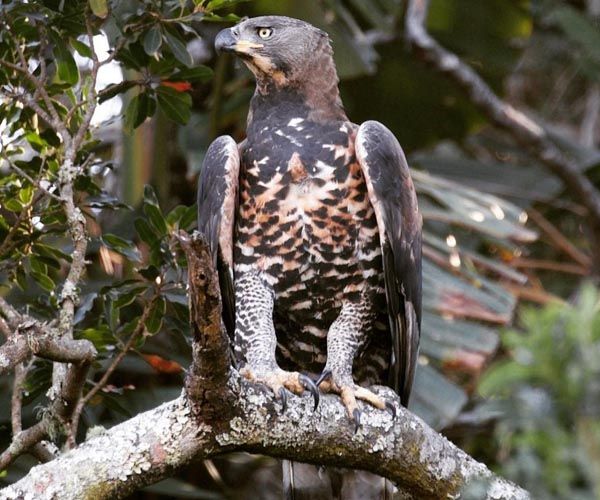
Here’s what makes our birding safaris stand out:
1. Expert Birding Guides
Our ornithologists and birding guides have logged over 500 species in a single year, including tricky forest birds and shy nocturnals.
2. Custom Gear & Support
We provide tripods, scopes, field guides, and species checklists. We also help organize community-led bird counts and conservation talks.
3. Fly-in Safaris
Our chartered flights to remote birding hotspots like Meru, Loita Hills, or Ruma National Park ensure you access hidden avian treasures with ease.
4. Family-friendly or Pro-level Itineraries
Whether you’re traveling with kids or coming with a global birding club, we adjust the pace and depth of the experience accordingly.
5. Eco-Conscious & Local
We support local bird clubs and eco-lodges that conserve wetland, forest, and savannah habitats.
Photography and Birding: When the Light Meets the Lens
Kenya’s unique combination of tropical sun, open landscapes, and varied habitats makes it a dream for bird photographers.
Best Photo Opportunities:
-
Dawn light over Lake Nakuru’s flamingos
-
Dusty backlight in Amboseli for African Hoopoes
-
Rain-soaked plumage of Kakamega Forest’s forest finches
-
Sunset silhouette of a Lilac-breasted Roller on an acacia perch
Pro Tip: February and July have the most stable lighting conditions.
Rare Birds Worth Timing Your Safari Around
-
Sokoke Scops Owl – Only found in Arabuko Sokoke, best seen from March to May.
-
Jackson’s Widowbird – In breeding plumage in the central highlands between Jan and Feb.
-
Papyrus Gonolek – Found around papyrus swamps near Lake Victoria year-round.
-
Taita Thrush – Critically endangered, seen only in the Taita Hills.
-
Shoebill Stork – Rare sightings in the Yala Swamp and Lake Victoria fringes during low tourist months.
When to Book Your Birding Safari
-
Peak Birding Season: November to February (migrants + breeding plumage)
-
Photography Focused Tours: January to February, or June to July
-
Quiet, Budget-Friendly Trips: March to May (rainy but rewarding)
We recommend booking at least 4 to 6 months in advance, especially if you wish to visit multiple regions or combine birding with wildlife photography, cultural tours, or hiking.
Final Thoughts: Every Season Has Its Song
Kenya offers year-round birding adventures, each season adding a unique symphony to your experience. From flamingo flocks painting lakes pink to nocturnal owls whispering through rainforests, every birdwatching moment is pure magic.
At Great Migration Adventure, we believe birding should never be rushed. We guide you into the rhythms of the wild, where the sky is never still, and each call has a story.
Are you ready to listen?
Plan your custom Kenya birding safari today with Great Migration Adventure.
Contact us to create a birding journey that matches your passion, timing, and travel style.