The Ultimate Guide to the Best Safari for Photographers
For photographers, the safari is more than just a thrilling adventure—it’s a dream setting filled with untamed wildlife, dynamic landscapes, and golden light. Whether you’re an amateur looking to hone your craft or a seasoned professional aiming to build a portfolio, a safari in East Africa offers unparalleled photographic opportunities. In this 3600-word guide tailored for Great Migration Adventure, we explore the best safari experiences for photography enthusiasts, top destinations, ideal gear, timing, and tips to capture awe-inspiring images.
1. Why Safari Photography is Unique
Photography on safari differs significantly from other forms of travel photography. Unlike urban or cultural settings, wildlife doesn’t pose, and the natural environment changes rapidly. You’ll need patience, quick reflexes, and an understanding of animal behavior to get the perfect shot.
Key highlights:
- Unscripted drama in the wild
- Changing light conditions
- Rare opportunities to capture endangered species
2. Top Safari Destinations for Photographers
a) Masai Mara, Kenya
The Masai Mara is iconic for the Great Migration and predators like lions and cheetahs. The wide open plains make it easier to spot and photograph animals.
b) Serengeti National Park, Tanzania
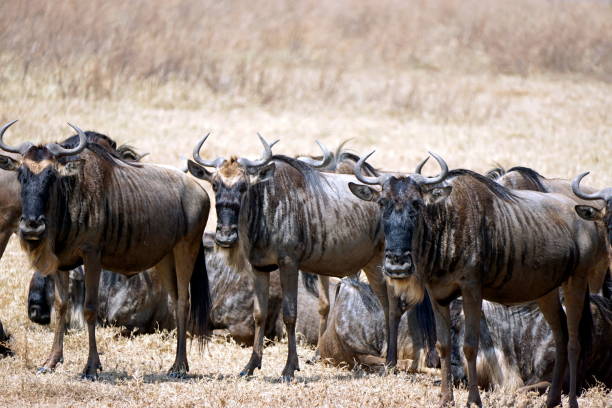
Serengeti’s endless plains and massive herds during the migration offer unbeatable visuals for landscape and wildlife photography.
c) Bwindi Impenetrable Forest, Uganda
A paradise for those seeking intimate close-ups of mountain gorillas, with misty forests adding dramatic depth to your images.
d) Okavango Delta, Botswana
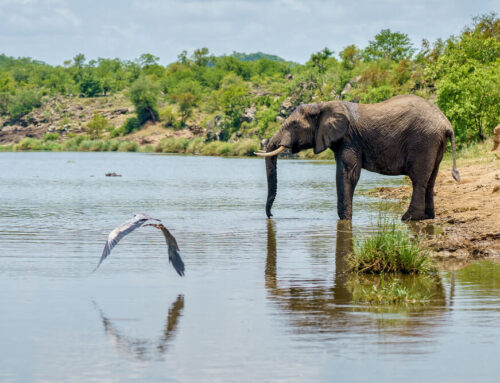
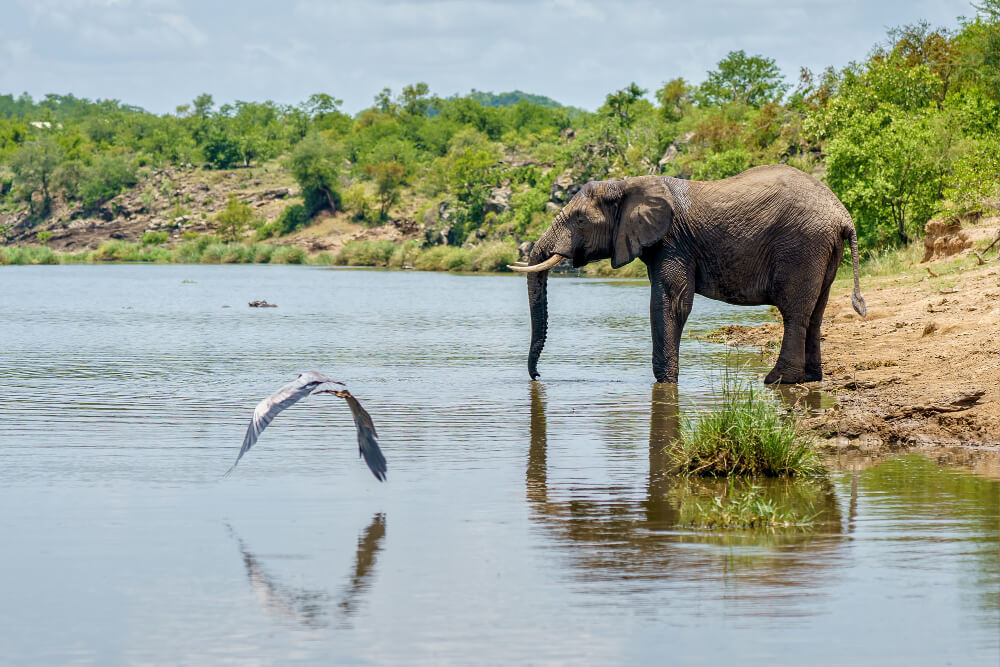
Capture hippos in water channels, elephants bathing, and birds in flight.
e) Etosha National Park, Namibia
Great for black-and-white compositions, stark salt pans, and rare desert-adapted wildlife.
3. Best Time to Go for Safari Photography
Dry Season (June to October)
- Sparse vegetation makes wildlife easier to spot.
- Animals gather at waterholes—ideal for dramatic scenes.
- Ideal lighting with clear skies.
Green Season (November to May)
- Lush backdrops and vibrant colors.
- Great for bird photography.
- Fewer tourists, giving you unobstructed views.
Plan around specific events:
- Great Migration crossings (July–September)
- Calving season (January–February)
- Gorilla trekking (June–September, December–February)
4. Recommended Gear for Safari Photography
- DSLR or Mirrorless Camera: Full-frame cameras with fast autofocus and good low-light performance.
- Telephoto Lens (200-600mm): Essential for close-ups without disturbing the wildlife.
- Wide-Angle Lens (24-70mm): For landscape and vehicle shots.
- Tripod or Bean Bag: For stabilization in the vehicle.
- Extra Batteries and Memory Cards: Safaris are far from charging stations.
- Lens Cleaning Kit: Dust is inevitable.
Optional:
- Drone (check park rules)
- Action camera for behind-the-scenes or water crossings
5. Photographic Styles to Explore
Wildlife Portraiture
Focus on capturing expression, eye contact, and detail in the animal’s fur or feathers.
Action Shots
Freeze moments like lion chases, elephant charges, or birds in mid-flight.
Landscape and Environment
Showcase the relationship between animals and their habitats.
Silhouettes and Sunsets
Use early morning or golden hour light to create stunning artistic images.
Close-Up and Macro
Perfect for insects, reptile skin patterns, or flowers.
6. Tips for Taking Great Safari Photos
- Know Your Camera: Be familiar with your settings—this isn’t the place to experiment.
- Use Continuous Autofocus: Animals are always moving.
- Shoot in RAW: Allows for better post-processing.
- Keep the Horizon Straight: Especially important in the open plains.
- Be Patient: Sometimes the best shots come after long waits.
- Stay Ethical: Never bait animals or disturb them for a photo.
7. Custom Photography Safari Packages
At Great Migration Adventure, we offer tailor-made photo safaris that include:
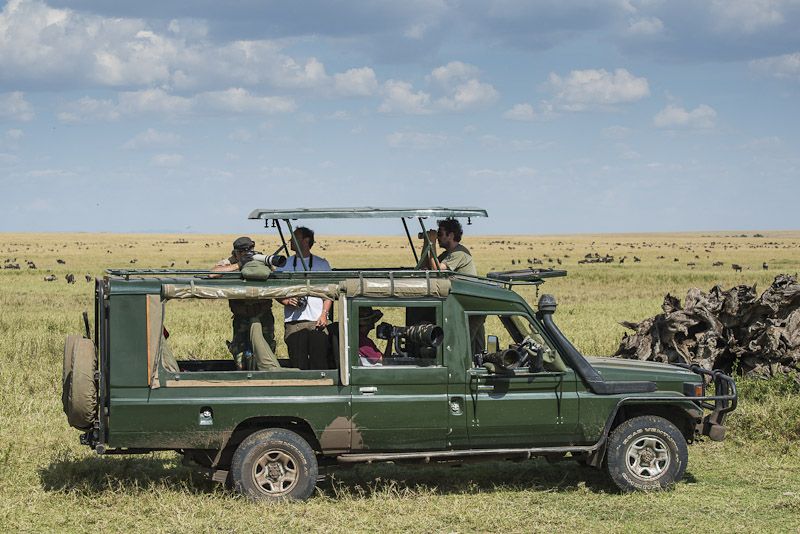
- Private vehicles with open roofs for unobstructed shots
- Expert driver-guides trained in photography positioning
- Optional photography guides or instructors
- Flexibility in daily schedule for golden hour shots
- Photography-friendly lodges with charging stations and editing space
8. Lodging Options for Photographers
Choose camps and lodges that:
- Are close to key wildlife locations
- Offer early breakfast and late returns
- Have platforms or hides for discreet photography
- Provide private dining and flexible meals
Examples:
- Mara Plains Camp (Kenya)
- Serengeti Safari Camp (Tanzania)
- Clouds Mountain Gorilla Lodge (Uganda)
9. Group vs. Private Photography Safaris
Group Safaris
Pros:
- Cost-effective
- Opportunity to learn from others
Cons:
- Less control over positioning
- Limited time for each sighting
Private Safaris
Pros:
- Full control of the day’s schedule
- Personalized guidance
- More time per sighting
Great Migration Adventure specializes in private photo safaris but also offers scheduled group tours with a photography focus.
10. Preparing for Your Photography Safari
Before You Go
- Take a photography course or join a local photo walk
- Learn basic editing (Lightroom or Capture One)
- Practice on domestic animals or local parks
What to Pack
- Camera gear as above
- Neutral-colored clothes
- Weather-proof jacket
- Hat and sunscreen
- Insect repellent
Documents and Logistics
- Travel insurance (with camera gear coverage)
- Park permits (some parks require advance booking)
- Vaccinations and medications
11. Post-Safari: Editing and Sharing Your Photos
- Sort and backup your images immediately
- Use Lightroom presets or develop your editing style
- Print a photo book or enter photography contests
- Share online using blogs, social media, or your own gallery
- Tag Great Migration Adventure—we love to feature client work!
12. Why Book with Great Migration Adventure?
- Safari specialists who understand photographers’ needs
- Expert guides and personalized itineraries
- Partnerships with top lodges and camps
- Flexible packages across Kenya, Tanzania, Uganda, and Rwanda
- 24/7 support and equipment rental options
A photography safari is one of the most rewarding experiences for shutterbugs and wildlife lovers alike. Whether you’re capturing the thunder of hooves during the Great Migration or the tender moment between a gorilla and its infant, the magic lies in the wild’s unpredictability. At Great Migration Adventure, we help you seize that magic—one frame at a time.