What’s the Best Park in East Africa for Spotting Genets?
A Nocturnal Safari with Great Migration Adventure
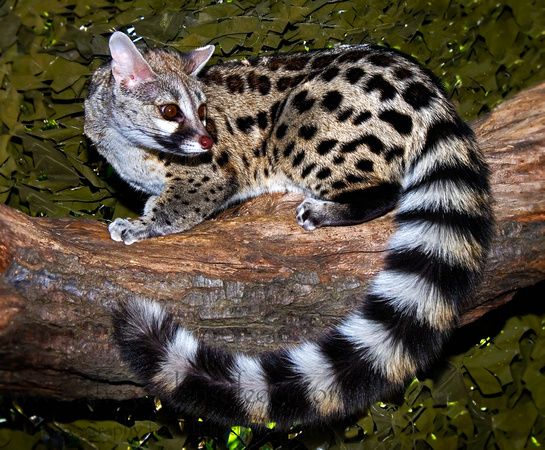
When travelers think of African safaris, their minds often drift to lions, elephants, or giraffes under the golden sun. But Africa also hosts quieter, more elusive creatures that come alive after dusk. Among them are genets—small, cat-like carnivores with spotted coats and long tails that grace the nocturnal world of the bush. At Great Migration Adventure, we believe true wildlife magic exists in both roar and rustle—and Africa’s top genet destination is Lake Mburo National Park in Uganda.
Join us on a full-length journey into why Lake Mburo offers the best odds for genet sightings, how we design safaris to help you see them, and what makes these shy creatures so special.
1. Meet the Genet: Africa’s Ghost of the Thornscrub
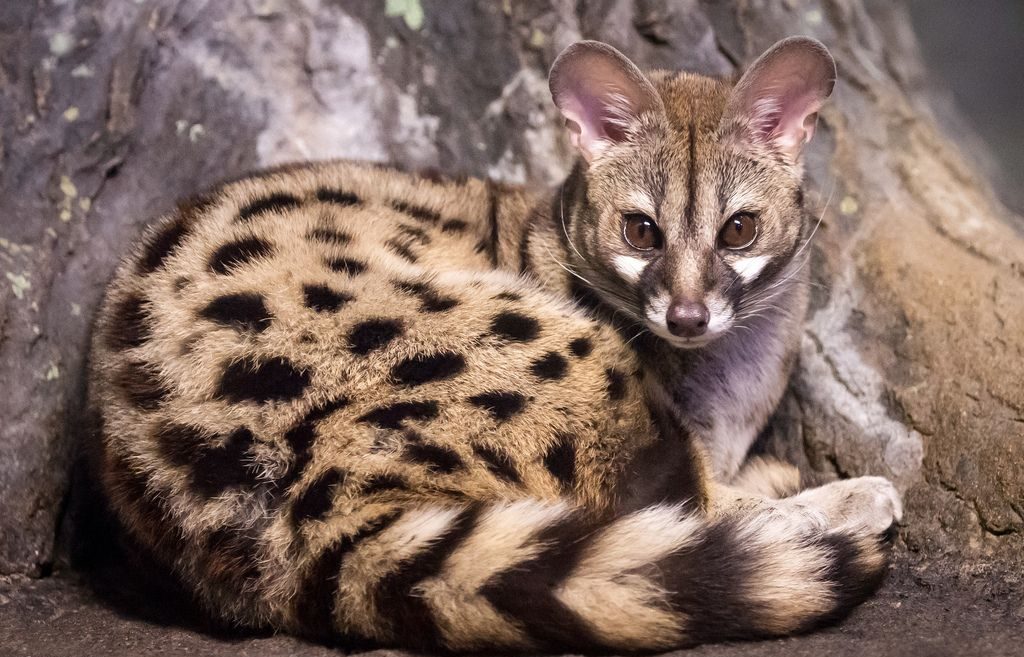
Before diving into locations, it’s worth meeting the creature itself. Genets belong to the genus Genetta, and in East Africa the most common species include the large-spotted genet and the small-spotted genet. They’re nocturnal, arboreal hunters with sleek bodies, ringed tails, and a whisper-soft stride.
Why they’re special:
-
Nocturnal stealth: Most sightings occur by chance during night drives or lodge forays.
-
Ecosystem indicators: Genets reflect the health of the bush behind the marquee species.
-
Underappreciated predators: Though small, they help control rodents and insects.
At Great Migration Adventure, we celebrate these subtle yet captivating creatures by weaving them into the nighttime narrative of your safari.
2. Why Lake Mburo National Park Tops the List
a. Unique Night Safari Access in Uganda
Lake Mburo is the only national park in Uganda where night drives and nature walks are legally permitted. Uganda Wildlife Authority (UWA) provides licenses for guided after-dark activities inside the park [source]. This rare access unlocks the opportunity to see nocturnal species like genets in action.
b. Ideal Habitat for Genets
Although Lake Mburo is relatively compact—just 370 km²—it’s diverse. The terrain combines acacia woodland, savannah plains, shrubs, rocky Kopjes, and wetlands. These complex zones create excellent habitat for genets to hunt rodents, birds, and insects beneath cover.
c. Lower Big Predator Pressure
With no resident lion prides and limited leopard density, mid-sized carnivores like genets enjoy a safer nocturnal niche. They’re less inclined to avoid open areas and more inclined to appear near lodge compounds or along roadsides, especially where prey is drawn by light.
d. Dense Lodging Presence Inside the Park
Several lodges—such as Mihingo Lodge, Rwakobo Rock Lodge, and Lake Mburo Safari Lodge—are located within or adjacent to the park. Many guests report genet sightings roaming through lodge grounds at night, drawn by insects attracted to porch lights.
3. Other Leading Destinations for Genet Watching
While Lake Mburo sits at the top of the Kenyan‑Ugandan genet list for tourist access, several other parks in East Africa deserve mentions:
Serengeti National Park (Tanzania)
Private and buffer zones in the Serengeti offer via-night drives, which significantly increase the chances of seeing elusive nocturnal species, including genets.
Ol Pejeta Conservancy (Kenya)
With night game drives on private land, Ol Pejeta offers strong genet visibility combined with rhinos, hyenas, and other nocturnal carnivores. Practices like red‑filtered lights help to gently spotlight active genets.
Queen Elizabeth National Park (Uganda)
Around the Mweya Peninsula, authorized night drives yield occasional genet sightings alongside civets, bushbucks, and hippos.
Laikipia Plateau (Kenya)
A mosaic of conservancies and private ranches with relaxed night access makes Laikipia a great region for nocturnal wildlife—including genets, bat-eared foxes, and small cats.
4. Designing a Genet‑Focused Feature Safari
As a travel brand built around immersive wildlife experiences, Great Migration Adventure crafts safari itineraries to highlight the bush’s nocturnal rhythm. Here’s how a genet-centric safari might flow at Lake Mburo:
Daytime Preparation
-
Educational bush talks upon arrival, covering nocturnal species and ethically responsible spotlight use.
-
Afternoon game drives in open woodland and Kopje zones where genet prey (rodents, bats) is active.
-
Preparation briefing about night safety, hygiene rules for lamps, and group size for night walks.
Nighttime Wildlife Exploration
-
Night Drives (2–3 hours) starting after sunset (usually 7:00 pm).
Vehicles equipped with licensed UWA rangers and red-filter spotlighting.
Common sightings: genets, civets, bush pigs, bush babies, white-tailed mongoose, porcupines. -
Night Nature Walks (on lodge grounds or nearby)
Accompanied by an armed ranger. Rangers use close-range torches to spot ambient eye-shine and listen for bush noises. Smaller groups (max 6) for safety and minimal disturbance.
Lodge‑Based Nocturnal Sessions
Evenings at select lodges include pre-walk bush beers and storytelling to heighten anticipation. Guests may follow sparks of light through dense groundcover to quietly observe genets near light-poles or hidden clearing edges.
Combined Day‑Night Combination
Pairing a night drive with:
-
sunset boat-cruise on Lake Mburo (hippos, nocturnal hippo movement),
-
morning horseback birding (e.g. reticulated giraffe grazing),
-
afternoon elephant-track bushwalks on kopjes.
This balanced itinerary ensures guests experience the richness of Mburo’s ecosystem from day into night.
5. What You’re Most Likely to See
When spotlight beams cut through the darkness, here are the species often encountered:
-
Small‑spotted genet (Genetta genetta): slender, with dense rosettes
-
Large‑spotted genet (Genetta tigrina): bigger Roans and elongated spots
-
White‑tailed mongoose, bush pig, porcupine, civet
-
Bush baby (thick‑tailed galago) licking bark or gliding between branches
-
Aardwolf (rare), bat‑eared fox (possibly during early night walks in adjoining grasslands)
Lodges have recorded genets wandering through landscaped areas, where prey insects are attracted to lights. Guests commonly observe genets near waterholes or deputy dining areas.
6. Sample 4‑Day “Genet & Nocturnal Wildlife” Safari with Great Migration Adventure
Day 1: Arrival & Introduction
-
Transfer from Kampala to Lake Mburo (approx. 4 hours)
-
Afternoon game drive, focusing on kopje and woodland species
-
Evening night game drive for genet and nocturnal mammal spotting
Day-2: Day to Night Synapse
-
Morning birding or horseride safari
-
Afternoon rest, pre-night briefing
-
Night nature walk along lodge grounds or nearby trail for up-close genet encounters and other nocturnal foragers
Day 3: Full Wildlife Exploration
-
Sunrise rolle to the park’s eastern rocky ridge
-
Afternoon botanist‑led walk to learn about indigenous plants
-
Optional late-night session—spotlight spotlighting around a waterhole edge for water-dependent creatures like genets
Day-4: Departure
-
Optional early‑morning walk or horseback ride
-
Transfer to Kampala or onward destination (Queen Elizabeth / Bwindi)
All packages include transport, lodging, meals, licensed UWA guide, spotlight night drives/walks, park fees, and conservation contributions.
7. The Art of Nightspotting: Ethical & Effective Practices
To spot genets while respecting the wild, Great Migration Adventure emphasizes:
-
Red-filter headlights to reduce glare and animal stress
-
Quiet, slow scanning instead of fast sweeping with beams
-
No night photography flash near animals
-
Respecting distance — exploring within minimal disturbance ranges
-
Small-group policy to avoid noise and habitat pressure
-
Armed ranger escort for safety from unexpected wildlife encounters
-
Interviewing local guides and staff about known genet hotspots and recent sightings
8. Beyond Genets: Why Night Safaris Should Feature in Your Itinerary
-
Immersive wildlife: See creatures that sleep through daylight
-
Sensory-rich experience: Smell the bush at night, hear hyena laughter
-
Wildlife balance: Introduce clients to less-known species and ecosystems
-
Photographic potential: Subtle eye reflections, glimmering coats, bush sweaters
-
Atmospheric storytelling in the dark becomes a memory beyond selfies
At Great Migration Adventure, night safaris are never add-ons—they’re central to understanding the hidden life of Uganda’s bush.
9. When to Visit for Best Nighttime Activity
Dry Season: June–August, & December–February
-
Trails firm; spotlight visibility optimal
-
Wildlife congregates near water and salt licks
-
Best kestrel for genet visibility and night track reading
Wet Season: March–May & September–November
-
Denser vegetation and harder footing
-
Bird activity high; insect life amplified (leading genets to feeding hotspots)
-
More amphibian chorus, dramatic atmosphere—less predictable sightings but richer ambiance
Booking 2–4 weeks in advance helps secure night‑drive windows and ranger schedules, especially during dry peaks.
10. FAQs About Night Drives for Genets
Q: Are night safaris safe?
A: Yes. All activities are led by licensed UWA rangers, vehicles operate within park zones, and safety procedures are adhered to.
Q: Can children participate?
A: Yes—with parental guidance. We moderate group sizes and choose suitable distances from wildlife.
Q: What’s the price range?
A: Night add-ons generally range from USD 30–40 per person for legal UWA‑led drives. Walks are about $40 or 15,000 UGX for East African residents.
Q: What about lighting and photography?
A: We use red-filter spotlights. Guests may use low-light camera settings; no flash near wildlife is permitted.
Q: How do you guarantee genet sightings?
A: Though no species is guaranteed, we visit zones and lodges with frequent activity and follow recent guides’ sightings to maximize chances.
11. Why Great Migration Adventure Offers the Best Chance to See Genets
-
Local expertise: Our guides know which kopje, riverbank, or lodge-zone has recent genet signs
-
Licensed access: We pre-book UWA permits and coordinate timed night access
-
Customized itinerary design focused on nocturnal creatures like genets, bush pigs, civets, and bush babies
-
Ethical touring: We use lighting methods that prevent wildlife stress, uphold park rules, and leave ecosystems undisturbed
-
Community support: Long-term tie-ups with local lodges ensure your safari benefits surrounding communities
Final Thoughts: A Safari in the Dark
Genet tracking is not about bold spectacle—it’s about subtle shadows, rustling leaves, and the thrill of engagement with Africa’s after-dark world. And Lake Mburo National Park delivers that rare gift: a glimpse into the hidden ecosystem beyond sunrise.
At Great Migration Adventure, we transform fleeting fades of light into lifelong impressions and quiet movements into stories. Let us guide you down dusty tracks under the stars to find the flick of a spotted tail. The forest in darkness waits for question—“Where is the genet?”—and rewards the curious.