What’s the Best Park for Hippos in East Africa?
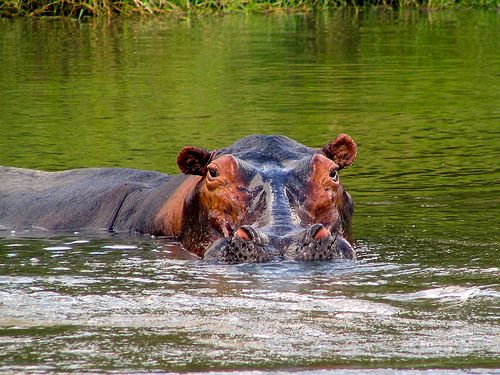
Hippos are among Africa’s most iconic and awe-inspiring creatures. These massive semi-aquatic mammals dominate waterways by day and emerge to graze at night, shaping river ecosystems as essential ecosystem engineers. From vast congregations listening to hippo grunts at sunset to dramatic boat cruises through river channels dotted with pods wallowing in the shallows, East Africa offers some unforgettable hippo experiences.
So which park is the best for hippo sightings? This comprehensive guide explores leading East African destinations for hippo viewing—highlighting habitats, sighting opportunities, and memorable safari ideas—with Great Migration Adventure as your expert guide.
Why Hippo Sightings Are So Special
best park for hippos
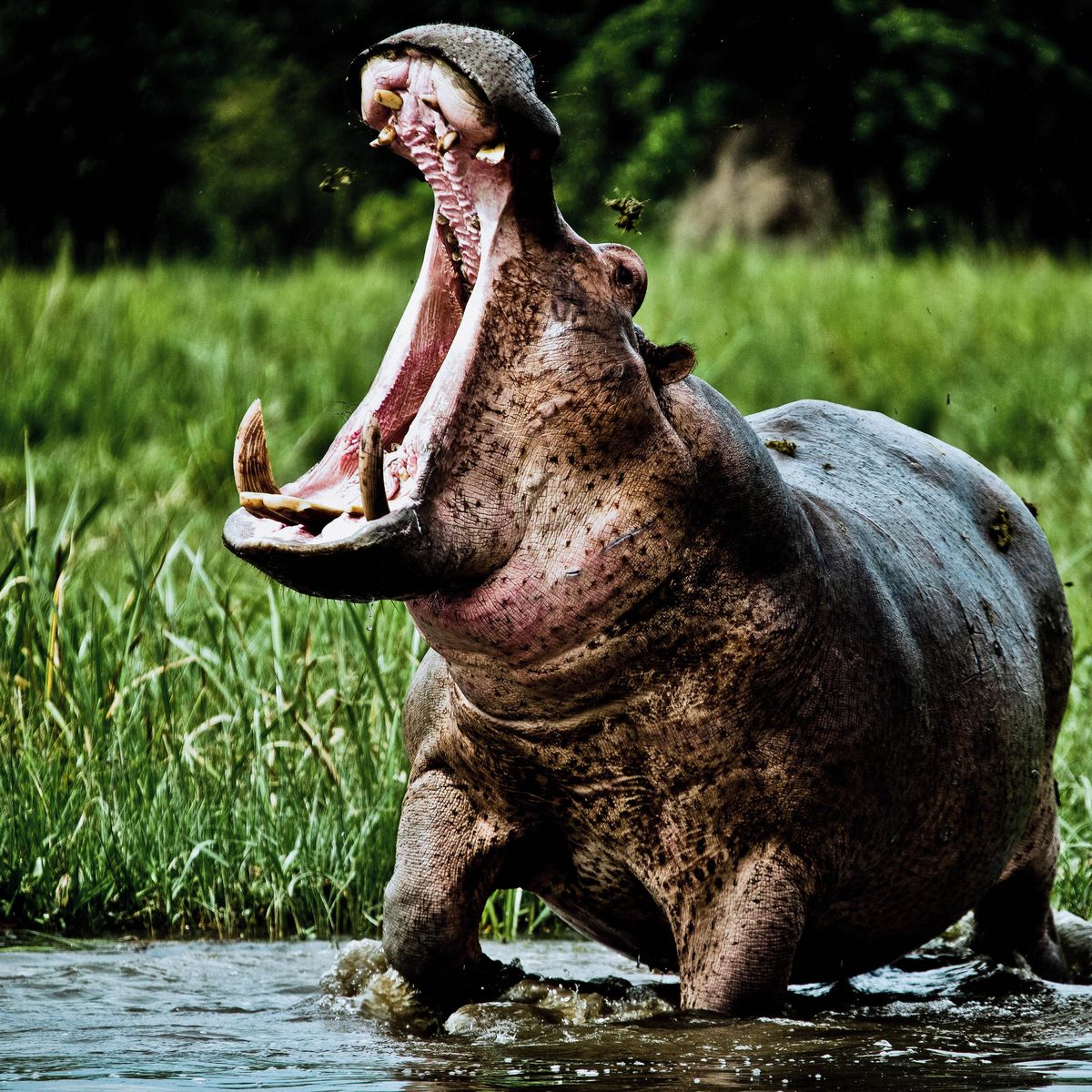
Watching hippos in the wild means witnessing powerful behavior in a strangely gentle giant. Hippos spend most of their days submerged in water—cooling off and socializing—and graze on land at night, creating spectacles of guttural vocalizations and large pods congregating near riverbanks or lakeshores.
These sightings can offer close proximity, dramatic group dynamics, and shoreline wildlife often absent in dry savannah-only safaris. Boat safaris especially bring unforgettable hippo viewing, where crowds gather in channel eddies, mothers nurse young calves, and territorial males posture.
Key Factors Influencing Hippo Sightings
-
Water availability: Hippos require deep pools during daytime; channels connecting major lakes are ideal.
-
Habitat size and diversity: Extensive wetlands and rivers attract more pods.
-
Tourism infrastructure: Parks offering boat safaris maximize chance and quality of viewing—especially on canals and rivers.
-
Crowd density: Less-visited parks often produce more peaceful, immersive hippo experiences.
Great Migration Adventure designs trips to match habitat and season for best hippo action—whether it’s Uganda’s zoological highways or Tanzania’s riverine reserves.
Top Parks for Hippo Sightings in Uganda
best park for hippos
Queen Elizabeth National Park – Kazinga Channel
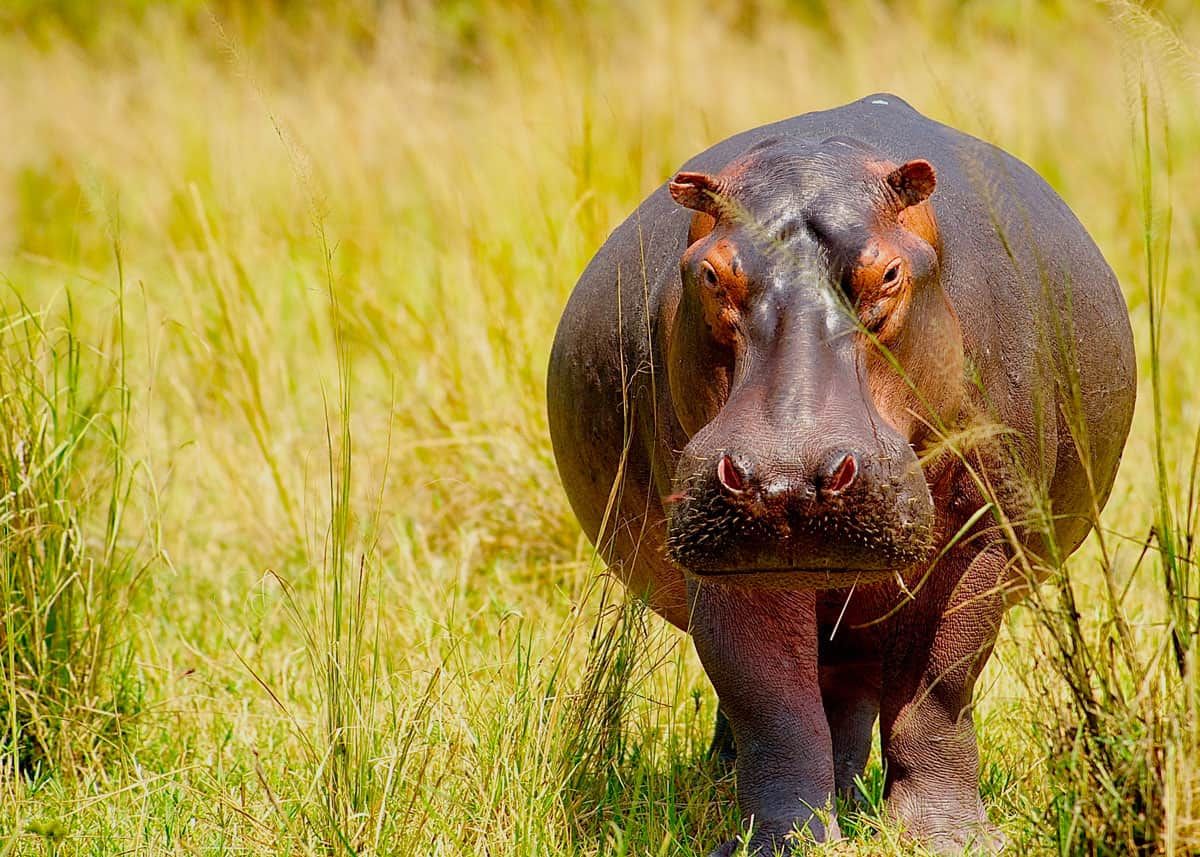
This park features the Kazinga Channel: a 32–40 km waterway linking Lake George and Lake Edward. It is renowned for hosting the largest concentration of hippos in Africa, frequently with hundreds wallowing in pods at water’s edge.
Boat cruises along the channel offer near-certain sightings, often in peaceful open waters lined by buffalo, crocodiles, and thousands of birds. Multiple boat launches and lodge overlooks enable comfortable, guided viewing .
The Ishasha sector along the Ntungwe River also supports hippos and adds options for scenic game drives in the park’s southern reaches.
Murchison Falls National Park – Nile River
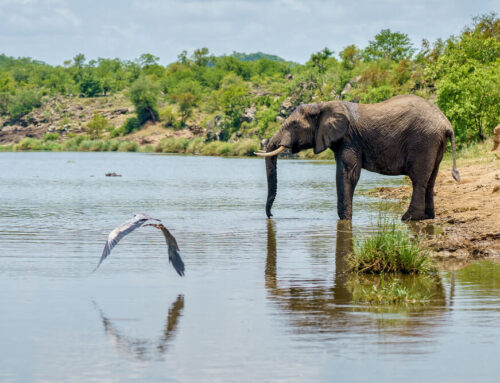
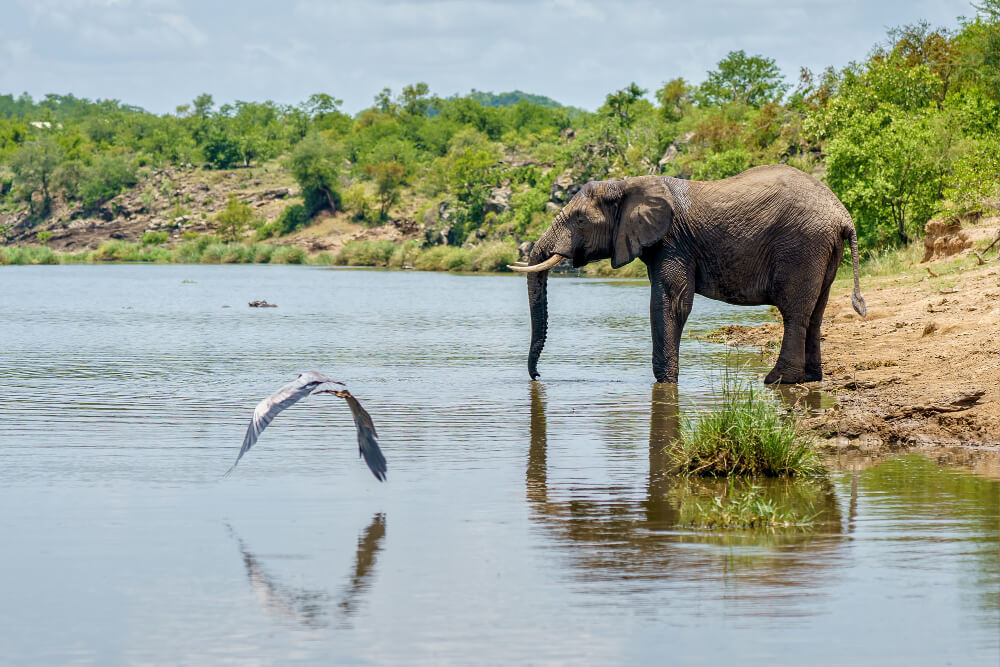
Here hippos are abundant along the Nile River, both upstream and below the Falls. A boat safari to the base of Murchison Falls frequently yields up-close hippo pods alongside crocs, elephants bathing at shore, and riverside birdlife.
The Nile’s slow flow in the park’s channels often concentrates pods within camera range, making this one of Uganda’s most thrilling aquatic wildlife environments .
Lake Mburo National Park
Though smaller and less visited, Lake Mburo features multiple lakes where boat trips regularly reveal hippos. Pods are visible from lake shorelines and during early morning drives, often accompanied by zebras and antelope grazing near water.
Semliki Wildlife Reserve
Located on the border with the DRC, this lesser-known park includes hippos in the Semliki River and Lake Albert fringe zones. Boat cruises offer hippo sightings in remote, quiet wilderness—important habitat under conservation pressure.
Key Parks for Hippos in Tanzania
Serengeti National Park – Hippo Pools
Serengeti’s iconic Hippo Pool near Central Seronera is a hotspot for close-up hippo viewing. Large pods congregate in permanent pools, offering ritualistic behavior in a high-density national park setting.
The open plains allow vantage views from vehicles or guided walking safaris (where permitted), with hippos interacting near dry-season waterholes or seasonal marshes.
Ngorongoro Conservation Area – Crater Lakes & Springs
Hippos inhabit the crater-bottom water bodies such as Ngoitokitok Spring and other shaded pools. In this compact ecosystem, hippo sightings are part of wildlife-rich crater drives—with crater rim viewpoints offering scenic vantage.
Ruaha National Park – Great Ruaha River
Ruaha’s deep southern terrain centers around the Great Ruaha River. Hippos gather along sandbanks and shallow pools in dry season, often with crocodiles and birds nearby. This remote setting provides peaceful hippo encounters away from crowded parks.
Katavi National Park – Katuma and Chada Floodplains
Katavi is a true wilderness for hippo lovers: during dry seasons, floodplains shrink, compressing thousands of hippos into a few pools near Katuma River. Game drives reveal dense pods in dramatic numbers—spectacular photographic vistas.
Selous Game Reserve (Nyerere National Park) – Rufiji River
As Tanzania’s largest protected area, Selous offers extensive hippo habitat along the Rufiji River system. River channel boat safaris allow immersive viewing of hippo groups, often accompanied by ducks, crocs, and majestic landscapes.
Rubondo Island National Park – Lake Victoria
Rubondo Island supports hippo populations on Lake Victoria. Though visits are rare, sightings from boat cruises around the island are consistently possible and provide a unique lakeside hippo experience.
Which Park Really Stands Out?
For sheer hippo concentration and ease of viewing: Queen Elizabeth National Park’s Kazinga Channel is unmatched. The consistently large pods of hippos in open channel water, seen from boat and river bank observation points, provide habituation-level access unmatched elsewhere .
While Uganda’s Murchison Falls and Tanzania’s Katavi or Serengeti offer stellar experiences, the Kazinga Channel is the top location both for numbers and convenience. Boat safaris here guarantee prolonged, close-range observation in dramatic Nile-engineered scenery.
Best Time of Year for Hippo Viewing
-
Dry seasons (June–October and December–February): The most hippos gather where water remains, concentrating pods around channels and pools.
-
Shoulder months: Early in dry season or late rains offer green landscapes and richer birdlife combined with steady hippo presence.
-
Boat cruises are all-year viable in Uganda; in Tanzania, remote park roads may be impassable during heavy rains—dry season ensures full access.
Sample Safari Itineraries Featuring Hippos
Uganda Focus: Best of Hippos & Wildlife – 7 Days
Day 1: Arrival in Kampala or Entebbe → transfer to Queen Elizabeth NP village lodge
Day 2: Morning boat cruise on Kazinga Channel; afternoon Ishasha drive for lions and hippos near Ntungwe River
Day 3: Full-day game drive to crater lakes and wildlife landscapes surrounding Lake Edward edge
Day 4: Transfer to Murchison Falls; afternoon boat ride on Nile toward falls and hippo pools
Day 5: Other side of the Nile; optional walk to top of falls or village cultural experience
Day 6: Morning drive through Murchison savannah; transfer south for chimp trekking or birding lodge
Day 7: Return flight or land transfer from Kampala with hippo memories
Tanzania Mix: Serengeti, Ngorongoro & Ruaha Hippo Safari – 10 Days
Days 1–2: Arrive Arusha → Tarangire wildlife camp, optional walking safari
Days 3–4: Ngorongoro Crater wildlife drive with crater lakes and hippo pools
Days 5–7: Move into Serengeti; game drives including Hippo Pool, migration, predator sightings
Days 8–10: Charter flight to Ruaha; boat drive on Great Ruaha River, hippo sightings, walking safaris along riverbanks
What to Expect & How to Enhance Your Experience
-
Boat safaris: The best way to view hippos up close. Boats slow through shallow water, allowing safe observation as hippos surface, yawn, or graze.
-
Game-drive vantage: In parks like Serengeti or Ruaha, rivers edge sightings from vehicle—especially at dawn or dusk when hippos leave pools.
-
Photography: Midday light near water offers strong behavioral shots—bubble grunts, territorial face-offs, and serene pods.
-
Interpretive narration: Guides explain hippo social structure, territorial behavior, their role in nutrient cycling, and caution around aggressive individuals.
Great Migration Adventure ensures knowledgeable guides, safe boat operations, second observation lenses, and responsible practices around waterways.
Conservation Context
Hippos are classified as vulnerable, with populations under pressure from poaching for teeth and meat, habitat loss, and human-wildlife conflict
Uganda’s hippo-rich parks have seen increased poaching during recent years, prompting anti-poaching reinforcement and conservation funding.
Great Migration Adventure partners with lodges and guides committed to supporting ranger programs, community engagement, and minimal-impact tourism—ensuring your hippo encounter supports protection efforts.
Frequently Asked Questions
Is there a guarantee I will see hippos?
While wildlife can never be guaranteed, parks like Queen Elizabeth’s Kazinga Channel and Murchison Falls boat routes offer near-certain sightings, with frequent pods visible throughout the day.
Are boat cruises safe around hippos?
Yes, when operated by experienced guides with customary safety protocols. Boats maintain a safe distance, and hippo aggression toward boats is rare when guidelines are followed.
Can young children enjoy hippo safaris?
Yes. Boat trips are stable and slow, and children often enjoy watching hippos from a distance under guide supervision.
Is hippo meat consumption legal?
No—international and national laws prohibit hunting and ivory derived from hippos in protected areas.
Real Guest Experiences
One visitor described cruising down the Kazinga Channel at dawn and watching hundreds of hippos surface in silent blue water as reflected flamingo flocks soared overhead—a “surreal wildlife ballet.” Another guest recounted sipping tea at Ngorongoro rim while elephants cooled in crater lakes and hippos drifted in nearby waters before descending into Serengeti plains.
Why Booking Through Great Migration Adventure Matters
-
Access to best-practice operators: boats, lodges, guides with safety standards.
-
Custom itinerary design focused on peak hippo viewing.
-
Logistics and seamless transfers between parks and flight or land routes.
-
Conservation alignment: we support initiatives that guard hippo populations and local communities.
-
Guest-centered service: small groups, interpretive storytelling, photography support, and comfort throughout.
While several East African parks host hippo populations, Queen Elizabeth National Park’s Kazinga Channel emerges as the top location for hippo sightings in quantity, accessibility, and immersive experience. Close behind are Murchison Falls, Serengeti’s Hippo Pool, Katavi, Ruaha, and lake-based reserves—each offering unique contexts and visual drama.
With Great Migration Adventure, your hippo safari becomes a meaningful encounter—not just with wildlife, but with conservation, regional diversity, and unforgettable aquatic wildness.