What’s the Best Park for Elephant Sightings?
Elephants—with their size, intelligence, and social bonds—are one of the greatest wildlife attractions. For many safari enthusiasts and nature lovers, seeing elephants in their natural setting is a dream come true.
But where in Africa (or beyond) offers the best chance to see large elephant herds, engage with amazing behavior, and enjoy a rich and ethical experience? The truth is there’s no single answer—but certain parks consistently stand out for their exceptional sightings, conservation success, and immersive visitor experiences.
In this article, we explore:
-
Why elephant sightings matter
-
What makes a park ideal
-
Top 7 elephant hotspots worldwide
-
Elephant behavior and viewing tips
-
How seasons affect sightings
-
Ethical and conservation considerations
-
Choosing the right safari experience
-
Habitat variety and multi-species viewing
-
Practical planning: travel, costs, safety
-
Tips for photographers and families
-
Real traveler insights
-
Final reflections
1. Why Elephant Sightings Matter
Elephants are keystone species—they shape the ecosystem, dig waterholes, and create paths that benefit other animals. Observing them is not just wildlife viewing—it’s a glimpse into a complex, balanced environment where large mammals play starring roles.
Sighting elephants offers:
-
Emotional connection: Their size and social dynamics are breathtaking live.
-
Educational insight: Watching matriarchs guide young, form family bonds, and interact shows their intelligence.
-
Conservation hope: Shared experiences remind us to protect them.
But where do these powerful moments happen consistently? That depends on park attributes like elephant population, landscape, visitor access, and ethical management.
2. What Makes a Park Excellent for Elephant Viewing
To be an elephant sighting hotspot, a park usually has:
🐘 Large and Stable Elephant Population
More elephants mean more breeding, drone calves and family interactions within closed reserve boundaries.
🌿 Variety of Habitats
Availability of rivers, grasslands, woodlands lets elephants roam freely following seasonal routes.
🚐 Optimal Visitor Access
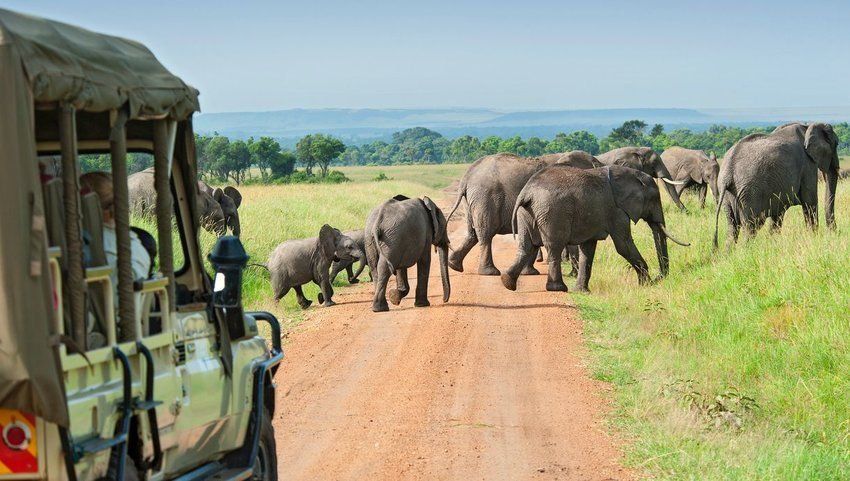
Open safari vehicles, boat rides, walking trails, and night drives increase diverse encounter chances.
🕒 Stable Management
Well-hosted operations, ranger presence, well-maintained camp and vehicle regulations mean sustained healthy population and unseen visitors.
3. Top 7 World-Class Elephant Parks
Below are seven locations globally recognized for exceptional elephant viewing:
3.1. Chobe National Park, Botswana
Population: ~50,000 elephants—largest concentration in Africa.
Highlights:
-
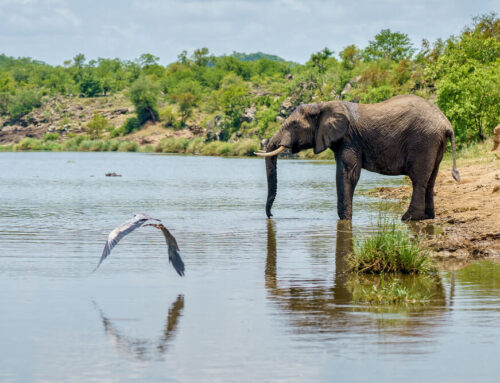
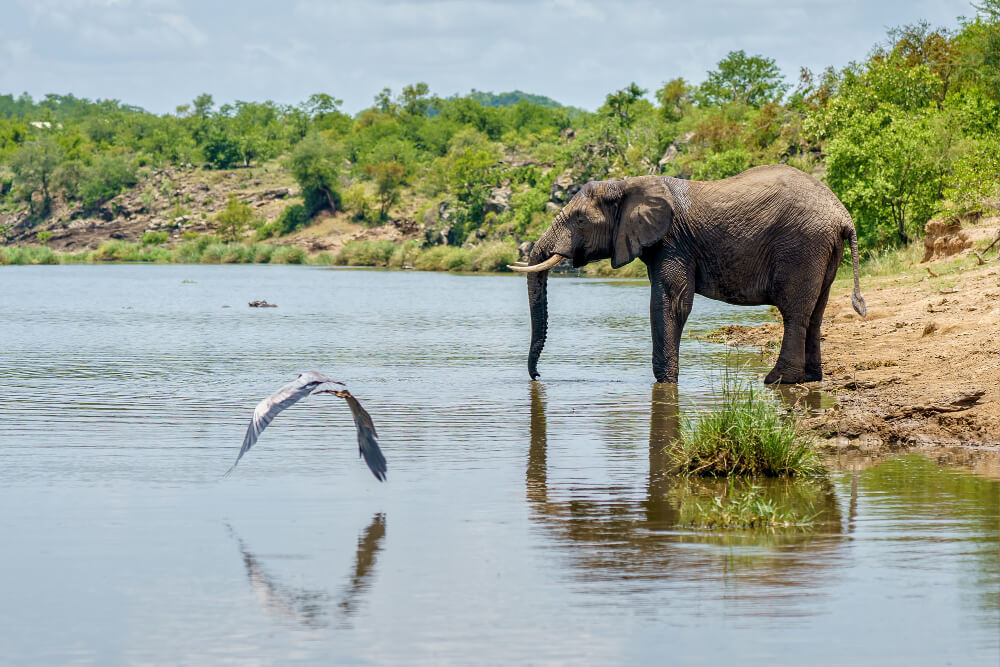
Riverfront magic: Daily sightings along Chobe River, watching elephants swim, interact.
-
Boat safaris: Unique close-up view from water.
-
Large herds: Mating, matriarchs, bull interactions.
-
Dry-season visibility: Vegetation dies back, elephants congregate.
Tips:
-
Visit Sep–Nov for best river crowds.
-
Take combo boat and 4×4 days.
-
Bring polarizing filter—light on water enhances photos.
3.2 Amboseli National Park, Kenya
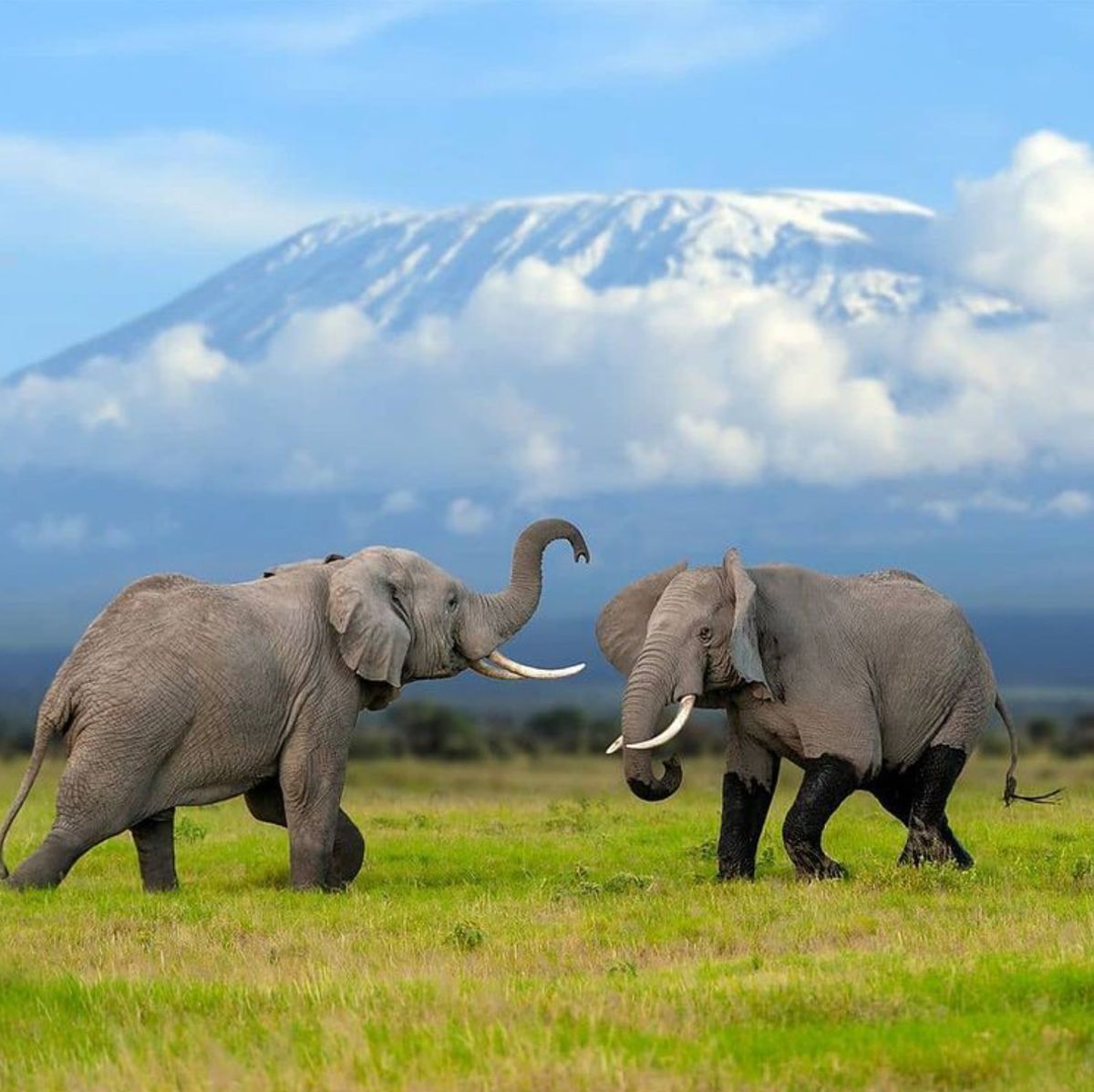
Mount Kilimanjaro
Population: ~1,600–2,000 elephants.
Highlights:
-
Mount Kilimanjaro backdrop: Iconic silhouette photography.
-
Close up family scenes: Shallow swamps let vehicles get very close.
-
Easier vehicle access: Maintained roads, drainage channels and broken lines.
Tips:
-
Photographers love early light before sunrise.
-
Mass elephant trails and licks give behavioral insight.
3.3 Addo Elephant Park, South Africa
Population: ~600 elephants—densest land mammals in Africa reserves.
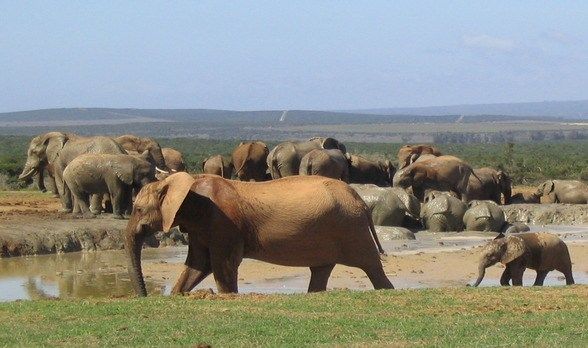
Addo Elephant Park, South Africa
Highlights:
-
Diverse landscapes: Coastal fynbos, dune, open bush.
-
Night drives: Relaxed 4×4 nocturnal sightings.
-
Self-drive access: Good roads, economic independence.
3.4 Hwange National Park, Zimbabwe
Population: ~44,000 elephants—largest in southern Zimbabwe.
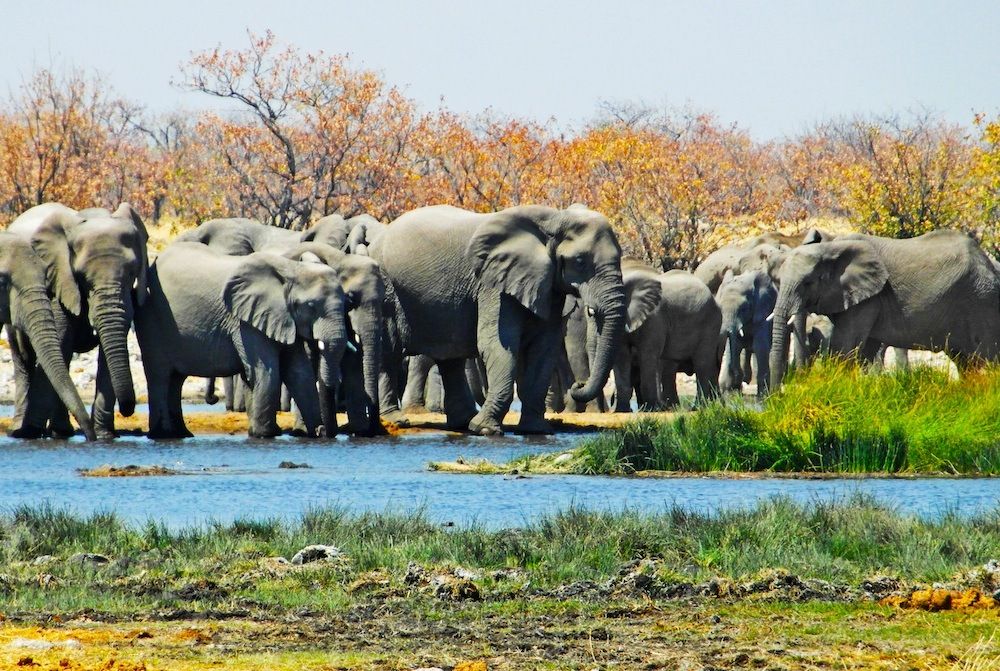
Hwange National Park, Zimbabwe
Highlights:
-
Artificial waterholes: Reliable calm daily visits.
-
Swarm of wildlife: Elephants with buffalo, lions, wild dog packs.
-
Large open herds: Spectacular social behavior.
3.5 Kaziranga National Park, India
Population: ~1,800 Asian elephants—also largest Indian rhino reserve.
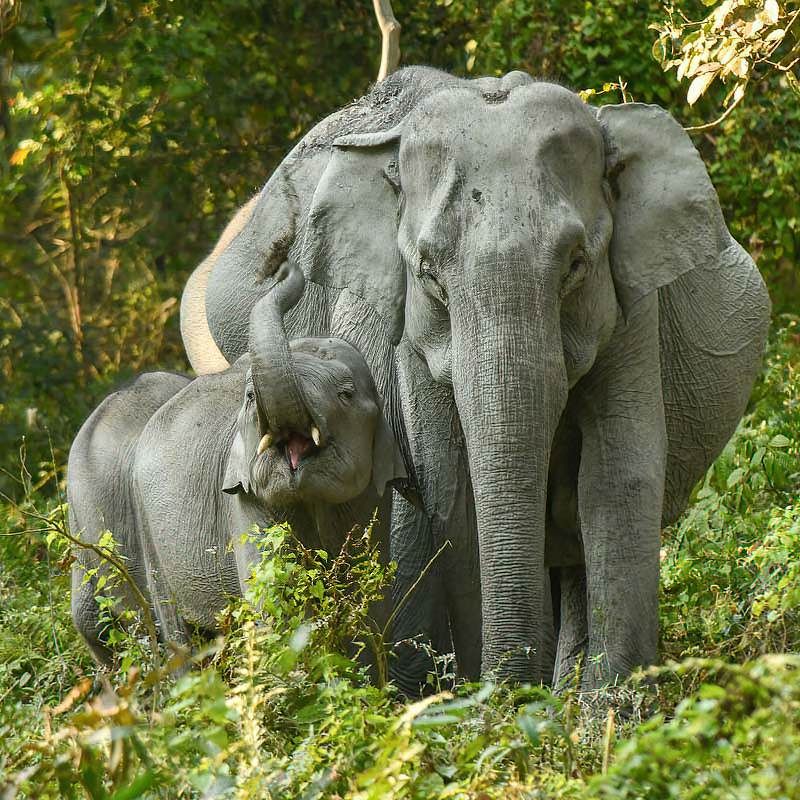
Kaziranga National Park, India
Highlights:
-
Asian elephant close approach: Smaller herds walking paths show distinct social hierarchy.
-
Elephant-Lion interactions: Tiger zone offers dramatic predator-host interaction.
Important: Requires anti-sunlight (matted months).
3.6 Tarangire National Park, Tanzania
Population: ~3,000 elephants.
Highlights:
-
Large baobab trees: Elephants feeding on fruit and barks.
-
Seasonal swamp congregation.
-
Winding roads allow mid-range and close sight.
3.7 Etosha National Park, Namibia
Population: ~2,400 elephants.
Highlights:
-
Waterhole photography: Illuminated by floodlights at night.
-
Open Pan: Herd commands distance but perfect composition.
-
Self-drive possible: Flexible game time.
4. Elephant Behavior & Viewing Tips
-
Mating and Musth: Male periodic aggression. May fight or block waterholes.
-
Mud-splaying, dust rolls: Sun protection and parasite control.
-
Family Structures: Matriarch leads—observe group leadership style.
-
Water Crossings: Elephants swim or walk across shallow waterways.
-
Seasonal routes: Elephants follow food lines—dry-season clustering, rainy-season dispersal.
5. Seasons & Elephant Sightability
Dry Season (June–Oct)
-
Waterholes and rivers—the best viewing.
-
Baby calves mid-year—family group fun.
-
Grass low; visibility high.
Green Season (Nov–May)
-
Elephants disperse; smaller groups.
-
Lush green surroundings; better for photography with color.
-
Birdlife booms; fewer visitors.
6. Conservation & Ethical Travel
-
Avoid baiting: Choose lodges that don’t feed wildlife.
-
Respect safe distance: No flash photography; allow natural behavior.
-
Use local operators: Pay ecoservice and community.
-
Support conservation: Many parks contribute to elephant management and protected corridors.
7. Choosing the Right Safari Option
Self-drive vs Guided
-
Guided: ranger knowledge, adaptive itineraries.
-
Self-drive: Africa odiers, independence.
Lodge vs Mobile camping
-
Lodge: comfort and easy access.
-
Remote tented: immersive but less handy.
Budget categories
-
Luxury: all-inclusive with vehicle, guiding.
-
Mid-range: lodge-only; pay park/game-plus optional.
Family/Seniors
-
Middle ground – easy roads and less fatigue.
8. Habitat, Elephants & Multi-Species Viewing
-
Large herds gather—take wildlife photos.
-
Rivers combine elephants with hippos crocodiles, fish eagles.
-
Swamp grazing attract bushbucks, kudu, antelopes.
-
Night drives show nocturnals.
9. Practical Planning
A. Travel & Entry:
-
Book park permits ahead
-
Visa: your country dependent.
-
Internal flights vs road—choose depending on comfort.
B. Costs Estimate:
-
Park fees + vehicle + lodging = per-day cost
-
Additional flights or boat trips.
10. Tips for Photographers & Families
Photography:
-
Telephoto lens 200–400mm.
-
Polarizer or short shutter.
-
Sunrise and evening light golden hour.
-
Vary wide-angle for composition.
Tourists:
-
Kids: safari drives interest with elephant feeding.
-
Seniors: avoid midday heat; access roads.
-
Use binoculars.
11. Traveler Testimonials
“Chobe’s river elephants are jaw-dropping—family units wading and drinking in front of the lodge. Feels epic!” — Emma, UK
“Amboseli elephants with Kili in background—it’s postcard-level perfection.” — Johan, South Africa
12. Final Reflections
There is no single “best” park—it depends on your preferences (river boating, vehicles, walking, camping) and seasons.
-
Chobe: river spectacular, herd volumes, Botswana-style safari.
-
Amboseli: scenic, manageable, good access.
-
Addo and Hwange: east vs west comfort pairing.
-
Kaziranga: tiger festival with human-elephant coexistence.
-
Tarangire/Etosha: seasonal herds and thematic landscapes.
When you pair destinations with the right time and itinerary, elephant viewing becomes unforgettable.
13. What Next?
-
Set your budget and travel style
-
Book travel 6–12 months ahead
-
Contact safari consultant for appropriate highs
-
Ready your camera; final test travel set