What’s the Best Park for Civet Sightings?
Discovering the African Civet Across East and Southern Africa with Great Migration Adventure
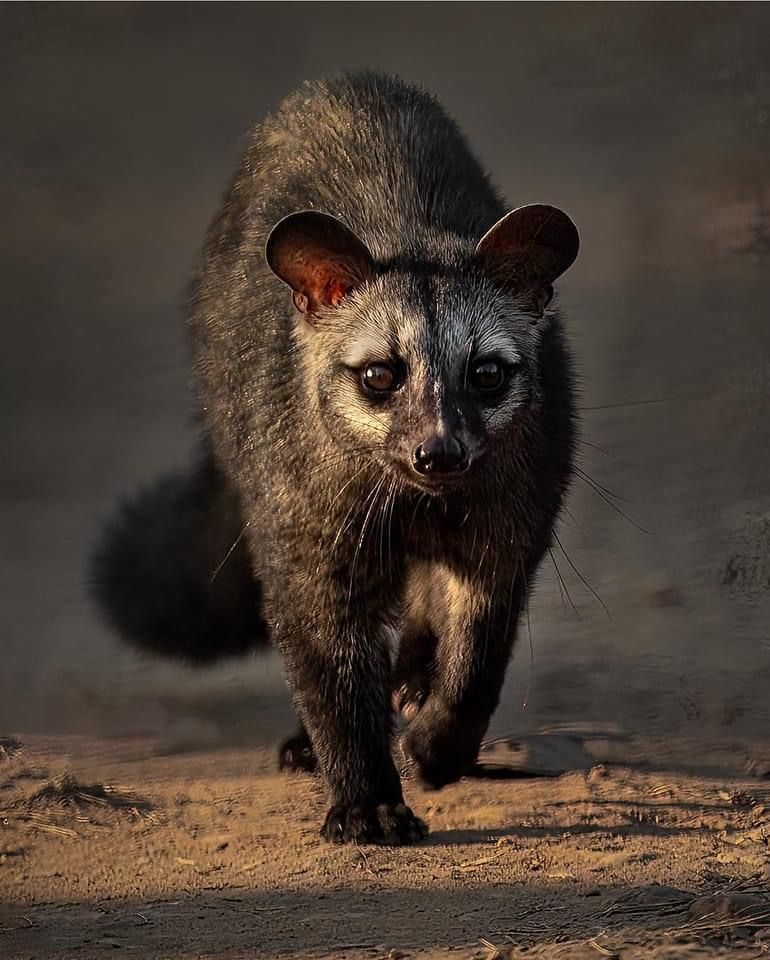
The African civet (Civettictis civetta) is one of sub‑Saharan Africa’s most intriguing and elusive nocturnal mammals. Known for its bold markings, musky territorial scent, and secretive nighttime habits, the civet appears in folktales as a forest spirit and at-life creature. As nocturnal wildlife lovers, travelers want to know: Where is the best national park to see civets in the wild?
At Great Migration Adventure, we’ve studied civet-friendly habitats across East and Southern Africa to design safari encounters that increase your chances—without any guarantee. While civets remain fundamentally shy and nocturnal, some parks offer better habitat, guide support, and special night activities to help you spot them. Let’s explore where civets stand a chance—and how you might glimpse one yourself.
1. Meet the African Civet: Hidden in Night and Scent
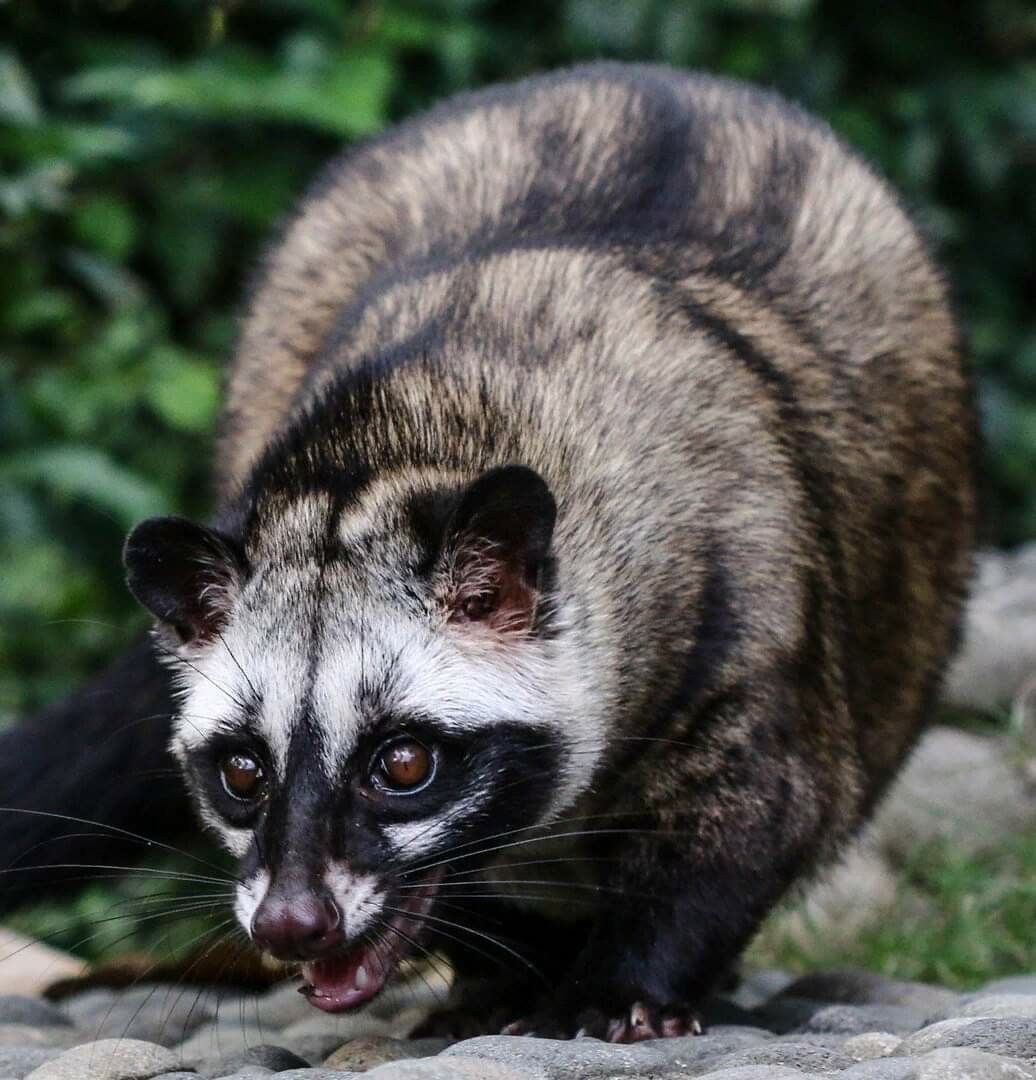
The African civet is a solitary and largely nocturnal species with striking grey‐white fur marked by bold stripes and spots. It stands about 40 cm at the shoulder with a stocky build and bushy banded tail, plus a distinctive erectile crest along its back raised when alarmed. When threatened or marking territory, civets emit a pungent musk—civetone—a powerful scent historically used in perfumery.¹⁴⁵
Highly adaptable, civets occupy woodland, savannah, forest edges, riparian zones, and wetlands—especially where dense vegetation offers cover by day but access to small prey at night. Their diet includes insects, rodents, birds, amphibians, fruits, and carrion.²⁶⁸ They are widespread across Africa, with healthy populations inside protected areas and forested zones.⁸
2. The Top Civet-Seeing Parks Across Africa
Kafue National Park, Zambia
One of Southern Africa’s largest parks, Kafue is known for expansive wetlands, miombo woodland, and diverse small mammal life. It hosts African civets, honey badgers, servals, mongooses, and elusive small carnivores. Sightings are often made on night drives—particularly near wooded waterholes and floodplains where civets forage.
Best for: Returning wildlife enthusiasts who opt for night-time game drives in remote habitats.
Selous (Now Nyerere) Game Reserve, Tanzania
While no longer full national park status, this vast wilderness harbors vast tracts of miombo forest, riverine woodland, and wetlands less frequented by visitors. Civets are reported here alongside genets, mongooses, and other nocturnal species. Their cautious behavior makes them most likely seen on night game drives by experienced guides.
Best for: Extended photographic safaris and off-the-beaten-track nocturnal exploration.
Serengeti & Ngorongoro Conservation Area, Tanzania
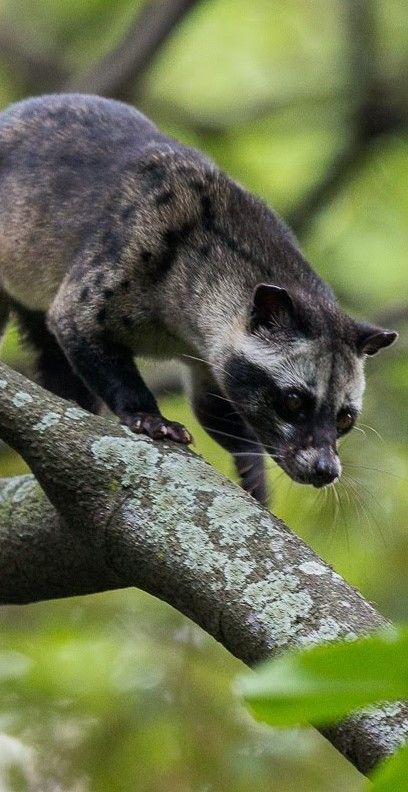
Even in these famed parks, civets remain possible sightings—especially during night game drives. In wooded areas, river valleys, or on the slopes of the crater rim, guides occasionally spot civets crossing roads or foraging near vegetation.
Best for: Combining big‑game viewing with rare nocturnal species spotlight.
Tarangire National Park, Tanzania
Tarangire’s mosaic of riverine woodland and acacia scrub creates an ideal civet habitat. Night drives near seasonal rivers, termite mounds, and vegetated glades offer chances to spot civets. They are seen more often during dry months when wildlife congregates near waterholes.
Best for: Visitors focused on big cats, elephants—and interested in nocturnal diversity.
Arabuko-Sokoke Forest Reserve (Kenya)
Though technically a forest reserve more than traditional national park, Arabuko-Sokoke on Kenya’s coast is one of the continent’s biodiversity hotspots. It hosts forest elephants, civets, bush‐tailed mongoose, endemic primates, and rare birdlife. Dense forest and mangrove-swathed creek lines offer one of the best forest civet habitats in East Africa.
Best for: Forest lovers, birders, and those seeking rare coastal forest wildlife.
Kakum National Park (Ghana)
While located in West Africa, Kakum National Park is one of the few known venues in Africa for forest civet, palm civet, and demidoff’s civet. In dense humid forest, guided night walks can reveal civet eyes glowing in torchlight.
Best for: Travelers venturing beyond East Africa for rare forest civet species.
Semuliki National Park, Uganda
Located in the Albertine Rift, Semuliki is home to African civets, bush babies, multiple duiker species, and 400+ bird species in a lowland tropical rainforest. Night walks and safari drives might reveal their furtive silhouettes among riverine forest edges.
Best for: Birding safaris where civet sightings may accompany forest drives and spotlight tours.
3. Why These Parks Are Especially Promising
-
Dense, dark cover near water and forest margins fosters civet activity.
-
Night drive access increases encounter potential—civets wander roadsides or clearings.
-
Low human disturbance and active ranger presence improve chances.
-
Diverse nocturnal carnivore presence, suggesting healthy small predator guilds.
Based on these factors, Selous/Nyerere, Tarangire, Kafue, and Arabuko‑Sokoke rank highest in terms of civet habitat quality and nocturnal species spectrums.
4. How Great Migration Adventure Can Help You Spot Civets
Expert Night Drives
Our safari itineraries include special night drives arranged where permitted—along floodplains, forest edges, and riverine glades. Guides use red-filtered torches to minimize disturbance and help eyes adjust without compromising visibility.
Strategic Park Selection
We design civet‑aware safaris—choosing parks such as Tarangire or Kafue for mixture of open woodland and nocturnal sightings—or combining Arabuko‑Sokoke forest walks with coastal lodges to maximize small carnivore diversity.
Wildlife Tracker Skills
Our guides are trained to interpret civet tracks, scat, and territory scent marks (civetries). They recognize likely crossing points and follow faint signs that might lead to nocturnal wildlife sightings.
Eco-Conscious Storytelling
Alongside civet-spotting, we share civet ecology: their omnivorous diet, ecosystem role as seed dispersers, and role in carnival of night creatures. We include cultural folklore—where civets are revered or feared—and conservation notes on habitat threats.
5. Sample 7‑Day Civet-Focused Safari Itinerary
Day 1: Arrive Tanzania. Fly into Arusha. Transfer to Tarangire eco-lodge. Evening night drive in riverine woodland.
Day 2: Full-day game drive in Tarangire. Evening spotlight drive near swamps to target nocturnal small carnivores.
Day 3: Morning bird walk. Transfer to Ngorongoro Highlands. Afternoon crater rim walks. Optional nocturnal drive inside designated corridor zones.
Day 4: Early morning crater game viewing. After midday rest, drive to Kafue region (via flight or overland extension). Evening night drive in miombo woodland.
Day 5: Full day in Kafue—daytime drives plus two separate evening spotlight drives along riverine floodplains, targeting civet and mongoose behavior.
Day 6: Fly or drive to Selous/Nyerere Reserve. Afternoon walk along river margin. Evening riverbank spotlight safari preferred for civet detection.
Day 7: Morning canoe ride to explore woodlands; afternoon return drive. Final night spotlight before departing for Dar es Salaam or onward.
This itinerary optimizes habitat variety, night spotlight efforts, and civet encounter potential across four top regions.
6. Civet Behavior & Viewing Tips
-
Activity peaks at dusk and early night—spotlight drives timed around these hours increase chances.
-
Look for their luminous eyeshine, sleek nocturnal movement, or presence near termite mounds.
-
Listen for vocalizations: a distinctive “ha‑ha‑ha” call sometimes used in mating or arena territory.²
-
Understand civetries: latrines where civets defecate repeatedly—often marked and studied by guides to detect territories.⁸
7. Conservation Context & Ethics
The African civet is listed as Least Concern overall, but local populations may decline due to habitat loss, hunting, or forest degradation. Great Migration Adventure supports responsible tourism with benefits including:
-
Tourism revenue for park rangers and habitat monitoring
-
Small carnivore research funding and camera trap surveys in reserves
-
Community outreach on wildlife value, especially night species often overlooked
-
Avoiding feeding or baiting civets; always prioritize natural sightings
8. FAQ – Key Questions Answered
Q : Are civets dangerous to humans?
A : Rarely aggressive. Solitary and shy, they typically avoid people and mark territory with musk glands rather than confront.
Q : Are sightings guaranteed?
A : No—civets are secretive and nocturnal. But with proper timing, habitat choice, and guide support, your chances increase substantially.
Q : What’s the best time of year?
A : Dry season in each park—when animals gather near water, nights are clear, and access is easy. Eg: June–Oct in Tanzania; May–Sept in Zambia; Nov–Feb in Uganda’s forests.
Q : Can children spot civets?
A : Yes, as part of night drives they may glimpse glowing eyes or furtive movements. Under-16s should stay in vehicle or close to guide.
9. Why Choose Great Migration Adventure
-
Curated civet‑aware itineraries across multiple ecosystems
-
Guides trained in nocturnal wildlife detection and civet ecology
-
Small‑group, low‑impact safari ethics
-
Flexible options: add hiking, birding, photographic night sessions
-
Seamless logistics: permits, lodging, park access, transfers, and optional extensions
Every safari we design emphasizes authentic connection—not chasing, but observing with respect and patience.
10. Final Thoughts: A Night in the Bush with Civets
African civets are elusive—but possible to see under the right conditions: dense woodland, quiet night drives, and passionate guiding. Whether spotted in Tarangire’s riverine thickets, Kafue’s floodplain forests, or Arabuko‑Sokoke’s coastal emerald woodlands, glimpsing a civet is an intimate moment with Africa’s nocturnal world.
With Great Migration Adventure, civet‑focused safari isn’t a chase—it’s a careful search. It’s about walking quietly where they walk, listening for their calls, and celebrating the small wonders that thrive in darkness.