An In-Depth Safari Guide by Great Migration Adventure
At Great Migration Adventure, we love introducing our guests to the hidden wonders of African wildlife. Sure, everyone’s heard of the Big Five — but if you’re here, chances are you’re seeking something more nuanced. You’re looking for creatures that stir curiosity, not just awe. And few animals are as quietly captivating as the bat-eared fox.
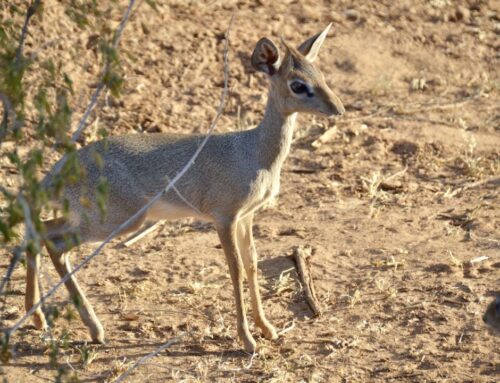
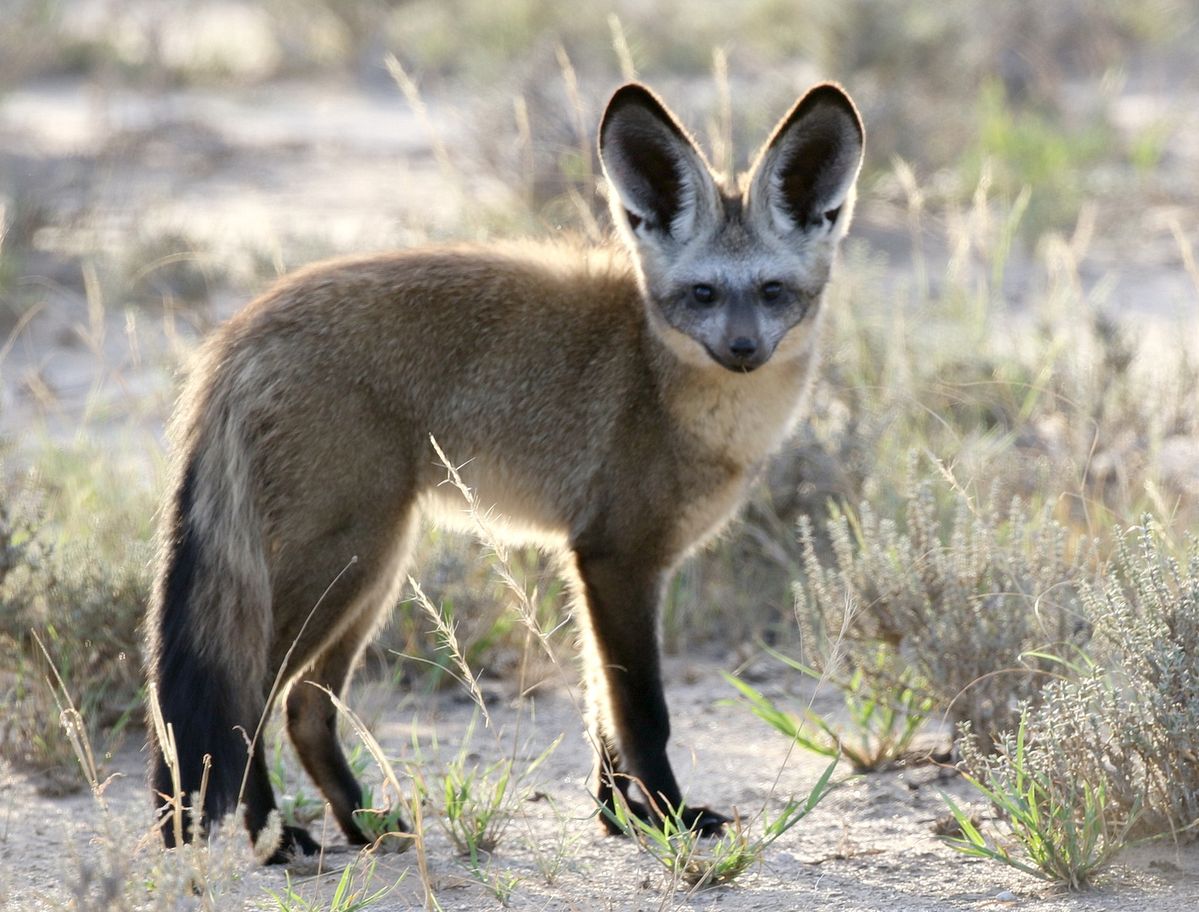
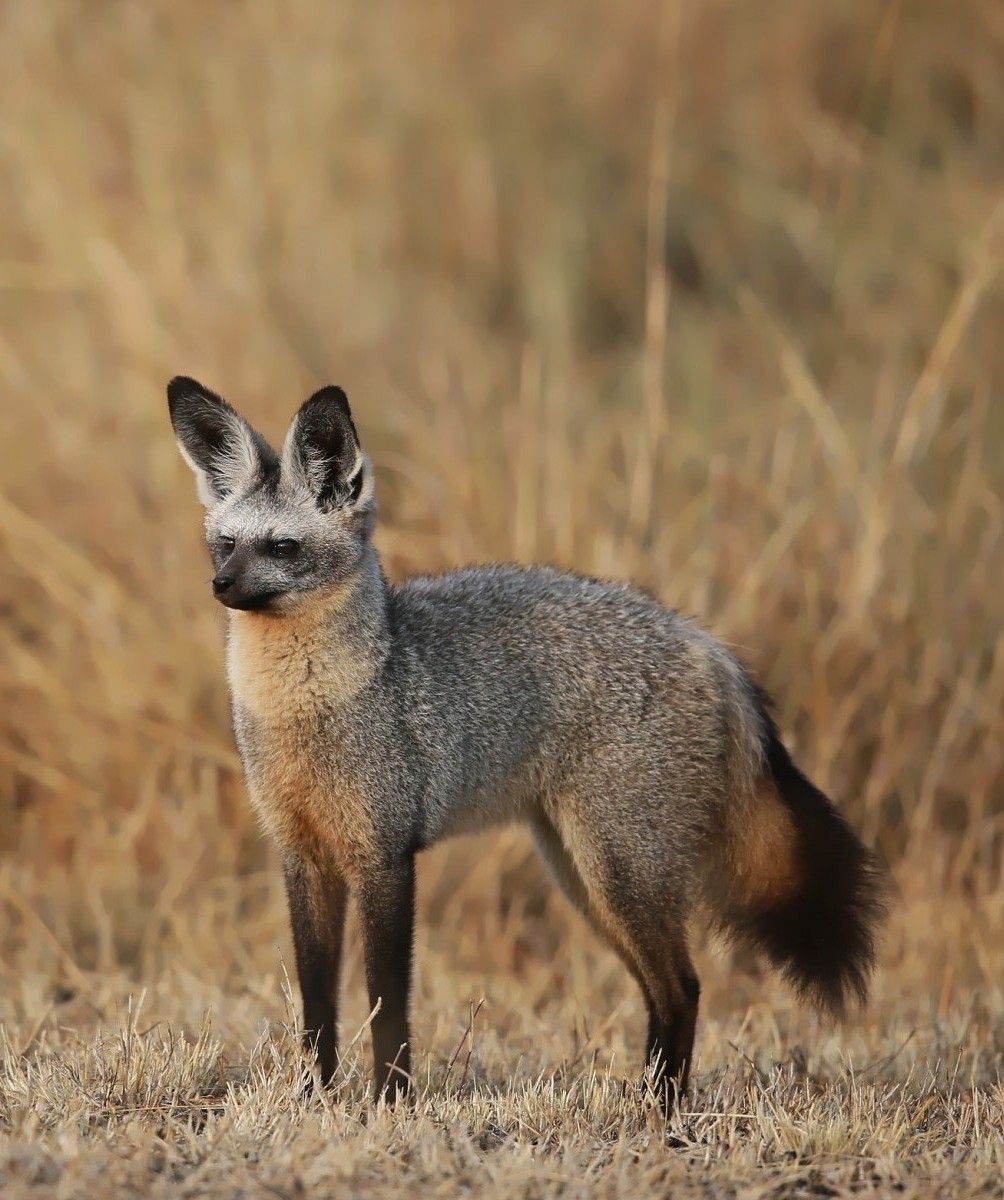
With its oversized radar-dish ears, delicate facial mask, and nocturnal habits, the bat-eared fox is one of East and Southern Africa’s most underrated predators. Though small in size, it plays a vital ecological role and offers delightful sightings for those who know where — and when — to look.
So, what’s the best park to see bat-eared foxes? Let’s take a deep dive through the seasons, habitats, and safari strategies across several destinations. Whether you’re a wildlife photographer, conservationist, or simply an animal enthusiast, this article will reveal everything you need to know to maximize your chances of spotting the bat-eared fox — in the wild, where it belongs.
Meet the Bat-Eared Fox: Nature’s Master Listener
Before we talk parks, let’s take a moment to understand our subject. The bat-eared fox (Otocyon megalotis) is not your typical predator. Unlike most canids, it feeds primarily on insects, especially termites and beetles, which it detects using its super-sensitive ears. Its body is low to the ground, and its gait is quick and nimble — a must for chasing swarming bugs in the night or early morning.
Bat-eared foxes are social, often seen in pairs or small family groups, and tend to inhabit open grasslands, semi-arid savannahs, and scrublands habitats that provide both visibility for scanning predators and abundant insect life.
At Great Migration Adventure, we’ve tracked these elusive animals in many parks across East Africa, and a few stand out as consistent winners.
The Top Parks to Spot Bat-Eared Foxes
While bat-eared foxes exist in several countries — including Tanzania, Kenya, Botswana, Namibia, and South Africa — their visibility depends heavily on habitat, rainfall patterns, predator density, and human presence.
Below are the top 5 safari destinations we recommend if your dream is to see the charming bat-eared fox in the wild.
1. Ndutu (Ngorongoro Conservation Area – Tanzania)
The Hidden Gem for Bat-Eared Fox Enthusiasts
If you asked us to name one place where your odds are highest, we’d say it without hesitation: Ndutu.
Located in the southern Serengeti ecosystem, this region falls within the Ngorongoro Conservation Area and offers a perfect blend of short grass plains, termite-rich soils, and open visibility. Best of all, off-road driving is permitted here — which makes a huge difference when tracking small animals.
Why It’s Ideal:
-
Bat-eared foxes are regularly spotted here during early mornings and late afternoons.
-
The flat, treeless landscape makes them easier to spot and photograph.
-
During the calving season (Jan–Mar), prey and predator dynamics are heightened, with foxes active in cleaning up afterbirths and scavenging insects.
Great Migration Adventure Tip:
Stay at a mobile tented camp close to Lake Ndutu and set out at first light with our experienced guides. We often find entire families of bat-eared foxes just minutes from camp, curled together or foraging in synchrony.
2. Tarangire National Park – Tanzania
Unbeatable for Elephant Lovers and Fox Fanatics Alike
You might come to Tarangire for the elephants and baobabs, but the park also has a healthy population of bat-eared foxes, especially during the dry season when insect activity increases around shrinking waterholes.
Habitat Match:
-
The park’s semi-arid zones and termite mounds provide excellent foraging grounds.
-
Less bush cover than Serengeti means higher visibility for small mammals.
When to Go:
-
June to October for easier sightings.
-
Avoid peak rains (March–May) when grasses grow tall and visibility drops.
Great Migration Adventure Insight:
Our guests often spot bat-eared foxes during evening drives near the Silale Swamp or in the Larmakau area. Early dry mornings reveal foxes returning from nighttime hunts.
3. Laikipia Plateau – Kenya
Conservation and Predator Balance
The private conservancies of Laikipia, such as Lewa, Ol Pejeta, and Loisaba, offer controlled access and intimate wildlife experiences. Bat-eared foxes benefit from low predator densities in some areas and responsible tourism practices.
Key Advantages:
-
Conservancy guides track fox families and monitor den sites.
-
Ideal for slow-paced, patient safaris.
Sightings:
-
Seen often around acacia-dotted plains and pasturelands.
-
Many lodges offer night game drives, which greatly increase your odds.
Great Migration Adventure Bonus:
We partner with top conservancies in Laikipia to offer walking safaris — a chance to see bat-eared fox tracks and learn about their denning behaviors from local guides.
4. Namiri Plains (Eastern Serengeti – Tanzania)
Big Cat Country With Hidden Fox Territories
Namiri is renowned for cheetahs and lions, but its short grass plains and remote access make it ideal for smaller predators too — including bat-eared foxes.
What Sets It Apart:
-
Minimal vehicle traffic, making foxes less shy.
-
Rich in insects, especially around seasonal pans.
When to Go:
-
November to February, when vegetation is short and insects thrive.
Photographic Perks:
-
Early morning light is crisp and golden.
-
Our specialist photographers love Namiri for clean backgrounds and natural behavior.
5. Central Kalahari Game Reserve – Botswana
For the Bat-Eared Fox Purist
If you’re serious — we mean really serious — about spending time with bat-eared foxes, head to Botswana’s Central Kalahari. This semi-desert region is insect-rich, sparsely vegetated, and ideal for observing foxes in action.
Challenges:
-
Remote and logistically more complex to reach.
-
Requires more time and 4×4 expertise.
Rewards:
-
Consistent sightings, sometimes during daylight hours.
-
Foxes here are used to vehicles and continue their activities undisturbed.
Great Migration Adventure Add-on:
We offer tailor-made expeditions in partnership with Kalahari desert camps, complete with bat-eared fox tracking experiences and local Bushmen guides.
When Is the Best Time to See Bat-Eared Foxes?
Time of year is crucial. Though foxes don’t migrate, seasonal vegetation, insect abundance, and daylight activity shift dramatically.
January – March:
-
Excellent in Ndutu and Namiri Plains.
-
Birth season for many grazers = scavenging fox activity.
June – October:
-
Dry season in Tarangire and Laikipia.
-
Easier tracking due to open landscapes.
November – December:
-
Good transitional period. Insects become more active, and sightings are possible across regions.
Avoid April – May:
-
Rains in East Africa make tracks muddy and grasses too tall for decent visibility.
How to Spot Bat-Eared Foxes on Safari
Because bat-eared foxes are small and somewhat shy, your strategy matters.
Timing is Everything:
-
Early morning (6:00 – 8:00 AM) and late afternoon (5:00 – 6:30 PM) are prime.
-
In cooler seasons, they may remain active until 9:00 AM.
Use Your Ears:
-
Their high-pitched chatter is audible during family interactions.
-
Foxes also bark when alarmed — a good cue for scanning.
Behavior to Watch:
-
Foraging with nose to the ground and ears rotating independently.
-
Digging into termite mounds or snapping insects mid-jump.
-
Young foxes playing in open patches near dens.
Bat-Eared Foxes and Conservation
At Great Migration Adventure, we’re committed to not just showing wildlife — but also protecting it. The bat-eared fox, while not endangered, is vulnerable to:
-
Habitat loss due to overgrazing and agriculture.
-
Poisoning in areas where locals believe they threaten poultry (a myth).
-
Road kills, as they often forage near paths at night.
By choosing parks and conservancies that practice ethical wildlife tourism, you’re helping protect these incredible animals.
Create Your Custom Safari Itinerary
If bat-eared foxes are on your bucket list, let us help you create a tailored safari that increases your chances tenfold. Here’s a sample 7-day itinerary for the avid small-mammal lover:
Day 1–2: Arrival in Arusha & Transfer to Tarangire
-
Stay at a tented lodge with sunset views.
-
Evening game drive focused on nocturnal species.
Day 3–5: Ndutu (Southern Serengeti)
-
Sunrise drives across open plains.
-
Track known bat-eared fox territories.
-
Optional walking safari with local guides.
Day-6: Namiri Plains
-
Focus on rare predator tracking.
-
Photograph foxes with unobstructed views.
Day 7: Return to Arusha or Extend to Laikipia, Kenya
Ask about our Bat-Eared Fox Specialist Package, where we allocate private guides, longer morning drives, and tracking support to help you get that perfect sighting.
Why Choose Great Migration Adventure?
With hundreds of safaris under our belt, we know how to turn rare into real. Here’s why travelers from all over the world trust us:
-
Personalized itineraries with a focus on what you love (even the weird and wonderful!).
-
Local guides with decades of field experience and fox-tracking know-how.
-
Access to less-touristed areas where wildlife behavior is natural and unhurried.
-
Safari vehicles equipped for low-angle wildlife photography and silent observation.
Not every safari guest will leave with a photo of a bat-eared fox.
But those who do? They’ve experienced something rare. A flicker of ears on the horizon. A flash of movement across a termite mound. A glimpse into the quieter, more intricate side of African wildlife.
Whether you’re heading to the open plains of Ndutu or the baobab-studded hills of Tarangire, we at Great Migration Adventure are here to help you see beyond the obvious — and discover the wild on your own terms.