What’s the Best Age for a Safari?
Your Complete Guide from Great Migration Adventure
Is There a “Perfect” Age for Safari?
Planning a safari in East Africa is a thrilling idea—but when it comes to choosing the right age for such a life-changing adventure, many travelers, especially families, often wonder: Is there a best age to go on safari?
At Great Migration Adventure, we’ve hosted travelers from toddlers to octogenarians. Safaris are not just for one specific age group—they are for anyone with a curious spirit and love for nature. However, the kind of safari experience you get can vary greatly depending on age, physical stamina, and interest levels.
In this blog, we break it down by age groups and explore how safari experiences can be tailored for toddlers, teens, young adults, parents, and seniors alike. We’ll also share important tips to make your safari safe, enjoyable, and rewarding at any age.
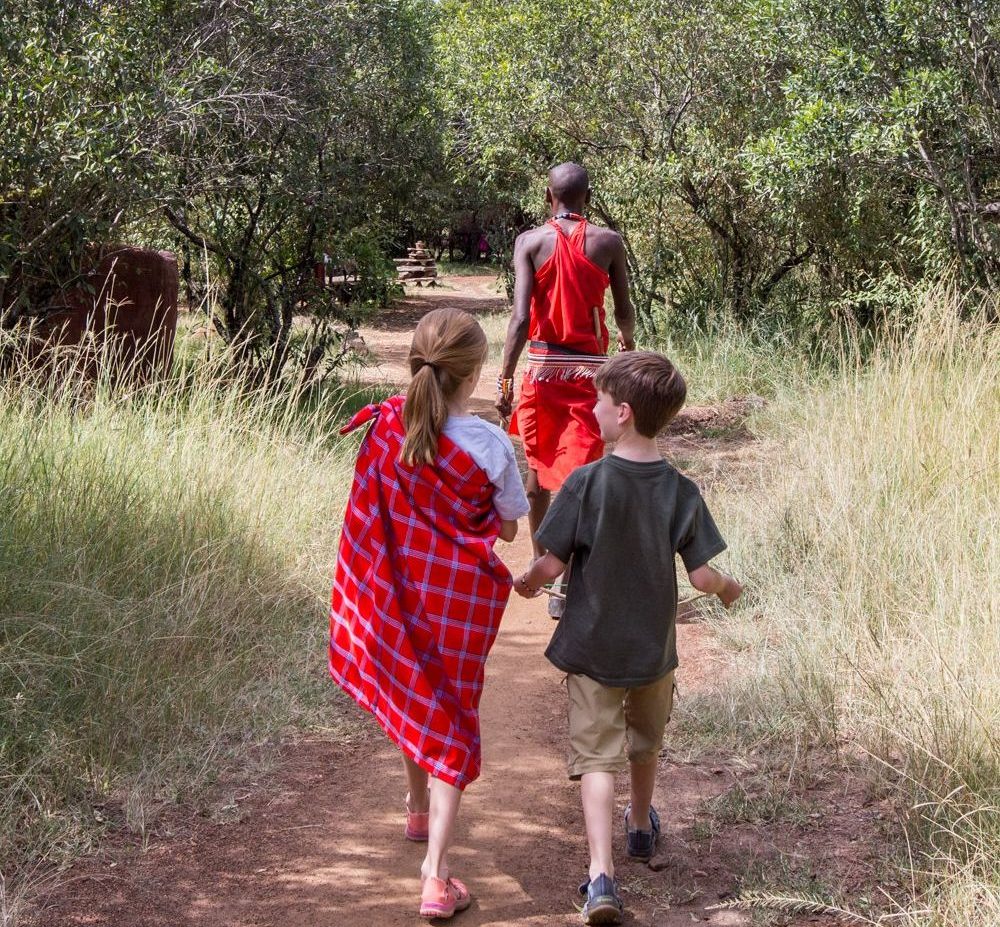
Masai Village experience
Safari for Young Children (Ages 2–6)
Can Young Kids Go on Safari?
Yes—but with some limitations. While most game drives can be long and sometimes uncomfortable for little ones, it is still possible to create a rewarding, safe, and magical experience for this age group.
What to Consider:
-
Patience and attention span: Long hours in a vehicle can be tiring and boring for toddlers.
-
Park rules: Many parks and lodges have age restrictions for game drives or walking safaris.
-
Health and safety: Young children are more vulnerable to temperature extremes and insects.
Ideal Activities:
-
Short, private game drives
-
Nature walks around the lodge
-
Educational play with local guides
-
Cultural visits to nearby communities
Best Destinations:
-
Lake Mburo National Park, Uganda – compact park with shorter drives
-
Nairobi Safari Walk, Kenya – a great introduction to wildlife
-
Private conservancies in Tanzania – flexible programs and child-friendly guides
Safari for School-Aged Children (Ages 7–12)
This is an excellent age for a first proper safari. Kids are naturally curious and have the attention span to enjoy game drives, listen to guides, and ask great questions.
Benefits:
-
Children at this age retain vivid memories of what they experience.
-
They are enthusiastic learners and love spotting animals.
-
Many lodges offer kids’ safari programs and activities.
What to Include:
-
Junior ranger programs
-
Night safaris (if allowed)
-
Animal tracking with a guide
-
Wildlife drawing or journal-keeping
Parental Tips:
-
Choose family-friendly lodges with pools and play areas
-
Keep drives short and exciting
-
Involve children in planning and spotting animals
Safari for Teenagers (Ages 13–19)
Teenagers make some of the best safari companions. They’re adventurous, open to new cultures, and capable of deeper appreciation for wildlife and conservation.
Why This Age is Ideal:
-
Teens can participate in more active safaris, like walking and canoeing
-
They can engage in meaningful conversations with guides and locals
-
The experience often shapes their worldview and future aspirations
Recommended Activities:
-
Gorilla trekking (minimum age: 15)
-
Walking safaris with armed rangers
-
Cultural visits and school exchanges
-
Volunteering or conservation projects
Destinations to Explore:
-
Bwindi Impenetrable Forest (Gorilla habituation)
-
Murchison Falls (Boat safaris and hikes)
-
Serengeti or Maasai Mara during the migration season
Safari for Young Adults (Ages 20–35)
This age group is adventurous, independent, and often budget-conscious—making them ideal for overland safaris, backpacker-friendly lodges, and even self-drive adventures.
Travel Styles:
-
Group safaris or shared tours
-
Self-drive across Uganda, Kenya, or Tanzania
-
Off-the-beaten-path experiences like chimp trekking or hot air balloon safaris
Benefits:
-
More physical stamina for long drives or hikes
-
Greater freedom to adapt schedules
-
Opportunity to make spontaneous decisions or add excursions
Popular Experiences:
-
Camping in national parks
-
Gorilla trekking in Uganda or Rwanda
-
Night safaris and stargazing
Safari for Families (All Ages Together)
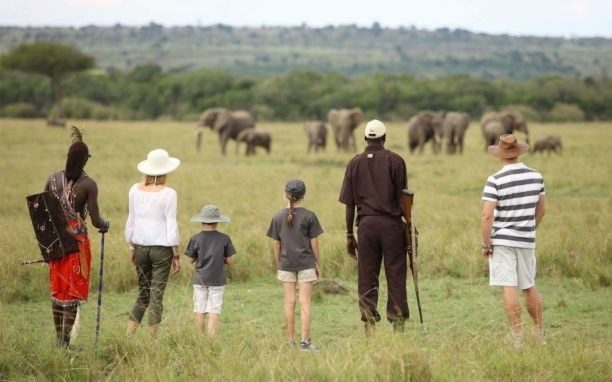
Multi-generational safaris are growing in popularity, with grandparents, parents, and kids sharing the adventure.
Planning Tips:
-
Choose private, flexible tours that accommodate everyone’s pace
-
Mix up activities to cater to all age groups
-
Look for lodges that offer a variety of room configurations
Lodges to Look For:
-
Family villas with private chefs
-
Lodges with babysitting services
-
Properties with kids’ activities and adult-level luxury
Safari for Seniors (Ages 60+)
For many, a safari is a bucket-list dream—and East Africa offers exceptional experiences for older travelers who want to enjoy nature in comfort.
Why It’s Worth It:
-
Seniors bring a deeper appreciation of history, nature, and culture
-
Many lodges cater specifically to older guests with comfort and care
Tips for a Comfortable Safari:
-
Opt for fly-in safaris to avoid long road journeys
-
Choose lodges with ground-floor rooms and no stairs
-
Go on morning or evening drives when temperatures are milder
Suggested Parks:
-
Ngorongoro Crater – short drive with dense wildlife
-
Queen Elizabeth National Park – boat cruises offer great sightings without the bumpy roads
-
Laikipia – private conservancies with personalized attention
The Best Age to Trek Gorillas and Chimpanzees
Gorilla Trekking
-
Minimum age: 15 years
-
Recommended for those with good fitness and interest in wildlife
-
A profound, emotional experience often appreciated more by older teens and adults
Chimpanzee Trekking
-
Minimum age: 12 years in some parks
-
Kibale Forest and Budongo Forest offer excellent opportunities
Are There Age Restrictions in National Parks?
Yes, some parks and activities have age-based restrictions, mainly for safety:
| Activity | Minimum Age |
|---|---|
| Game drives (private) | No minimum (parental guidance) |
| Game drives (shared) | Often 6 years |
| Walking safaris | 12–16 years |
| Gorilla trekking | 15 years |
| Chimpanzee trekking | 12–15 years |
| Canoeing/Kayaking | 10+ (varies) |
Health and Safety at Different Ages
Different age groups have different risk levels when it comes to travel in remote areas:
-
Toddlers and infants may need special mosquito nets and food.
-
Older adults may need to manage chronic conditions.
-
All ages should consult with a travel doctor about vaccinations and malaria prevention.
Emotional Impact: Memory-Making at Every Age
What we love about safaris is how they create lasting impressions:
-
Children remember their first elephant.
-
Teens may be inspired to study conservation.
-
Parents enjoy family bonding without distractions.
-
Grandparents see the joy of nature through their grandkids’ eyes.
Safari is more than sightseeing—it’s transformational.
Summary: What’s the Ideal Age?
The best age depends on what kind of experience you want:
| Age Group | Best For |
|---|---|
| 2–6 | Intro to wildlife, lodge-based activities |
| 7–12 | Educational, short game drives |
| 13–19 | Active safaris, cultural exposure |
| 20–35 | Adventure, budget or solo safaris |
| 36–59 | Balanced comfort and activity |
| 60+ | Relaxed, luxury, and fly-in safaris |
There’s truly no wrong age for a safari—only the right preparation and planning for each stage of life.
Final Thoughts from Great Migration Adventure
At Great Migration Adventure, we believe everyone deserves the chance to witness Africa’s wild beauty—whether you’re five or seventy-five. Our custom safari planning ensures your itinerary is perfectly tailored to your age, interests, comfort level, and energy.
We’ve seen toddlers giggle at warthogs, teens track rhinos, newlyweds soar in balloon rides, and retirees cry tears of joy after seeing lions in the wild. Your age is just a number—what matters is your sense of wonder.
Let us help you make your safari dream come true—at any age.