



What Happens If My Gorilla Permit Gets Cancelled Due to Bad Weather?
There’s a particular kind of silence that comes with gorilla trekking mornings. You wake up early, the air feels heavy with mist, and you keep checking outside—rain or no rain—wondering if the day will go as planned.
And then it hits you: what if the weather actually stops the trek? What happens to my permit then?
It’s a fair worry, but the reality on the ground is usually far less dramatic than people imagine.
Rain doesn’t really stop gorilla trekking
In places like Bwindi Impenetrable National Park and Mgahinga Gorilla National Park, rain isn’t something unusual or disruptive. It’s part of daily life there.
So when it rains, life doesn’t pause. Rangers still report. Groups still gather. And in most cases, treks still go ahead.
What feels like “bad weather” from a hotel window is often just a normal morning inside the forest.
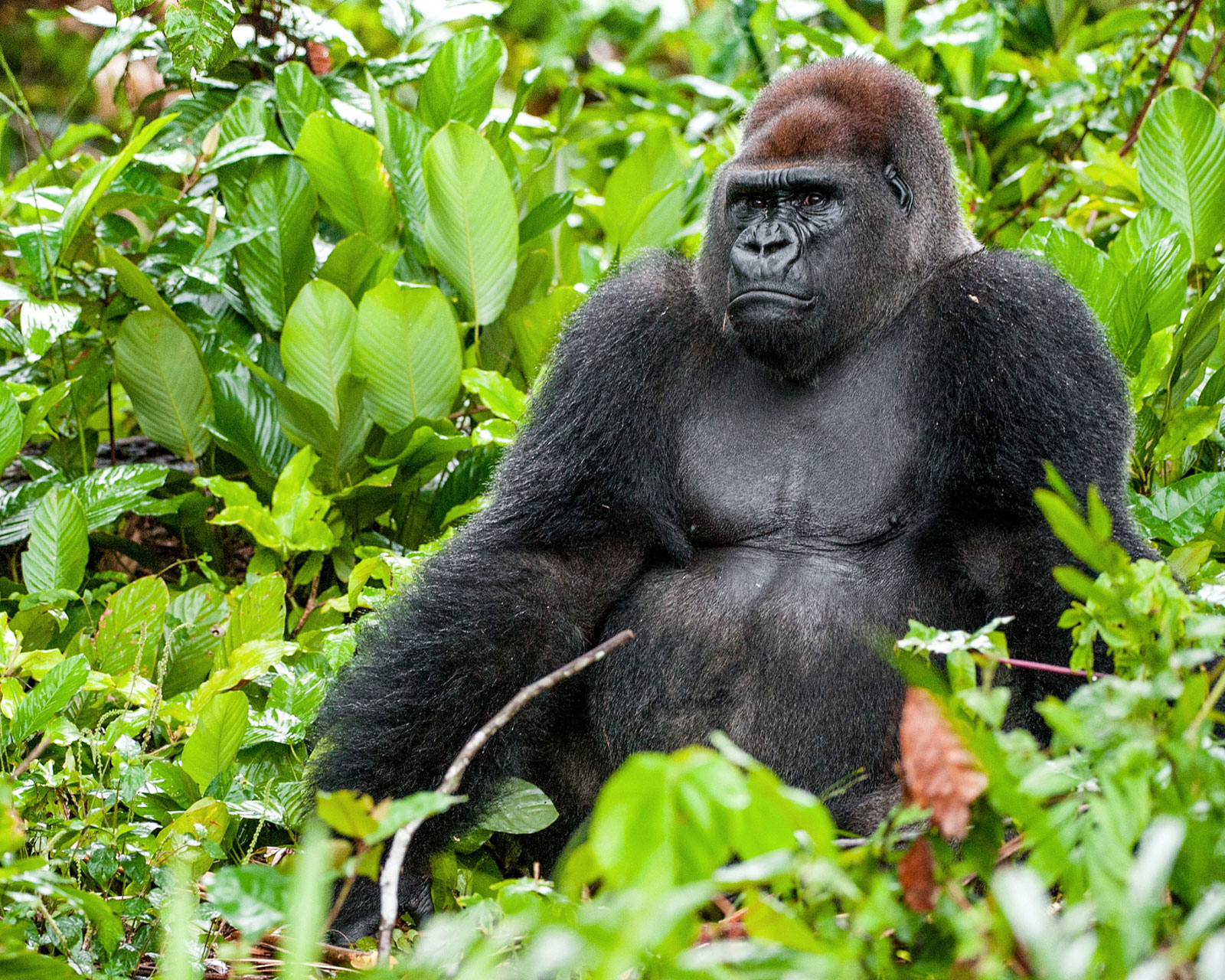
Gorilla trekking group navigating wet forest trail during heavy rainfall conditions safely
When the weather actually becomes a problem
For a trek to be cancelled, the conditions have to be serious—not just wet.
Think of situations where the ground gives way, trails get blocked, or parts of the forest become unsafe to move through. That’s when things change.
In those cases, decisions are made by the Uganda Wildlife Authority, and the focus is always the same: safety first, no exceptions.
Even then, it’s rarely the whole day that collapses. Often, it’s just one group or one route affected while others continue as normal.
The morning usually feels like waiting, not cancelling
On the actual day, there’s rarely a sudden announcement saying “everything is off.”
You still wake up early. You still go for the briefing. You still stand there with everyone else, waiting to hear what the forest is doing that morning.
Sometimes the answer is “we wait a bit.” Sometimes it’s “we adjust the route.” And only occasionally is a trek fully cancelled after conditions are checked properly.
It unfolds slowly, based on what’s actually happening in the forest—not just what the sky looks like.
So what happens to your permit?
This is the part that often disappoints people.
A gorilla permit isn’t like a normal tour ticket; you can easily refund or shift. It’s part of a tightly controlled system that limits how many people enter the forest each day.
So if your trek gets cancelled because of the weather, the most common outcome is not a refund.
Instead, there may be a chance to reschedule—but only if there’s space available during your trip. And in busy seasons, that space can be hard to find.
Refunds for weather-related issues are very rare because the system is built around conservation funding and fixed daily quotas, not flexible booking.
Why refunds are rarely given
It helps to understand what your permit actually supports.
Each permit goes into protecting the gorillas, maintaining the forest, paying rangers, and supporting nearby communities.
By the time you arrive for your trek, a lot of work has already been done behind the scenes.
That’s why the Uganda Wildlife Authority generally treats the permit as used once it’s issued, even if nature interrupts the actual walk.
If the trek doesn’t happen, the day doesn’t end there
A cancelled trek doesn’t always mean you go back to your room and wait out the rain.
Sometimes it’s just a delay and the trek still happens later if conditions improve. Other times, your guide will suggest alternatives—like a forest walk, a visit to a nearby village, or a cultural experience around the park.
It’s not the same, of course, but it keeps the day from feeling completely lost.
Your guide quietly holds everything together
In moments like this, your guide becomes the most important person in your day.
They’re the ones speaking to park authorities, checking updates, and figuring out what’s still possible. Most of the time, you’re not hearing directly from the park—you’re hearing everything through them.
If there’s any chance of rescheduling, they’ll try. But they’re also working within limited availability, which means things don’t always line up perfectly.
Rain doesn’t always ruin the experience
Funny thing is, some of the most memorable gorilla encounters happen in the rain.
The forest feels different—softer, quieter in some places, louder in others. Everything slows down. The atmosphere becomes more raw and real.
And the gorillas? They don’t change a thing. They carry on feeding, resting, and moving through the forest like it’s just another normal day.
A more honest way to look at it
Why Home Fitness Is the Smartest Choice for Your Lifestyle
In recent years, home fitness has evolved from a temporary trend into a permanent and powerful lifestyle change for millions of people. The ability to exercise without commuting to a gym saves you valuable time, money, and energy while still delivering outstanding health results. Whether you are a busy parent, a remote worker, or someone who feels intimidated by crowded workout spaces, training at home offers unmatched convenience and privacy. By eliminating common obstacles like travel time, monthly membership fees, and waiting for equipment, home workouts empower you to stay consistent and focused on your personal fitness goals. With the right mindset and a small amount of dedicated space, your living room can become the most effective gym you have ever used.
Essential Equipment and Simple Setup for Maximum Results
Contrary to popular belief, you do not need an expensive collection of machines to achieve serious fitness progress at home. Bodyweight exercises like push-ups, squats, lunges, and planks build functional strength and endurance without any equipment at all.
To add variety and resistance, consider investing in just a few affordable tools such as resistance bands, a yoga mat, and a set of adjustable dumbbells. These compact items take up almost no space yet allow you to perform hundreds of different exercises targeting every muscle group. A small corner of a room with a clear floor area is enough to create your personal workout zone. Keep your equipment organized and visible to reduce friction and make it easier to start moving every day.
Building a Balanced Routine That Fits Any Schedule
A well-designed home fitness routine should combine three key elements: strength training, cardiovascular exercise, and flexibility work. For strength, aim for two to three sessions per week focusing on major muscle groups using bodyweight or resistance exercises.
For cardio, high-intensity interval training (HIIT) is an excellent choice because it delivers maximum calorie burn and heart health benefits in as little as 15 to 20 minutes. On alternate days, include gentle mobility work or yoga to improve flexibility, reduce stress, and prevent injury.
The beauty of home fitness is that you can break your activity into smaller chunks throughout the day, such as a ten-minute morning stretch and a fifteen-minute lunchtime strength circuit. This flexibility makes it far easier to stay consistent compared to rigid gym schedules.
Staying Motivated and Tracking Your Long-Term Progress
Consistency remains the most important factor in any fitness journey, and home workouts make consistency easier to maintain. Set clear, achievable goals such as completing four workouts per week or increasing your number of push-ups each month. Use a simple notebook, a mobile app, or even a wall calendar to track your sessions and celebrate small wins along the way.
To avoid boredom, rotate your exercises every few weeks and try new workout formats like dance fitness, kickboxing, or online guided classes. Remember that some movement is always better than none, so on low-energy days, commit to just five or ten minutes rather than skipping entirely. Over time, these small daily efforts compound into significant improvements in your strength, endurance, mood, and overall health—proving that the best gym in the world is the one you will actually use, right inside your own home.
The bigger picture
At the end of it all, weather disruptions aren’t really failures or cancellations in the usual sense.
They’re just part of how life in the forest works.
The decisions made by the Uganda Wildlife Authority are always focused on safety and conservation, even if that means adjusting plans at the last minute.
So if bad weather affects your permit, it’s not really the experience being taken away.
It’s just the forest reminding you—quietly, without apology—that nothing here runs on a schedule.


