What Animals Follow the Great Migration Besides Wildebeest
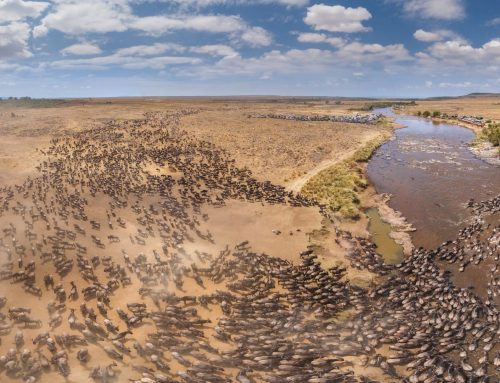
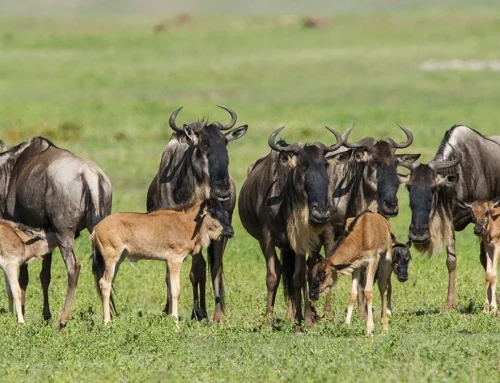
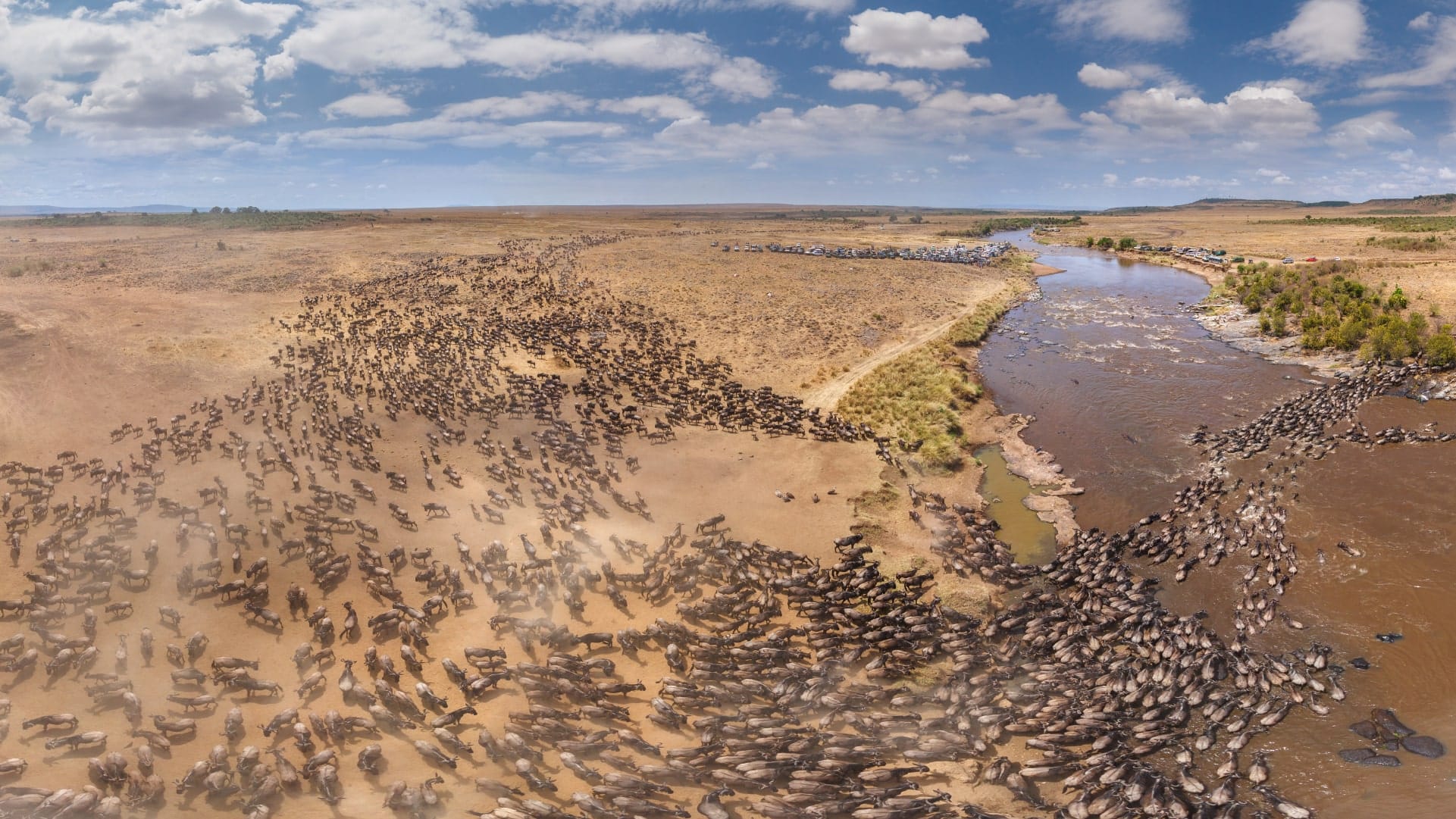
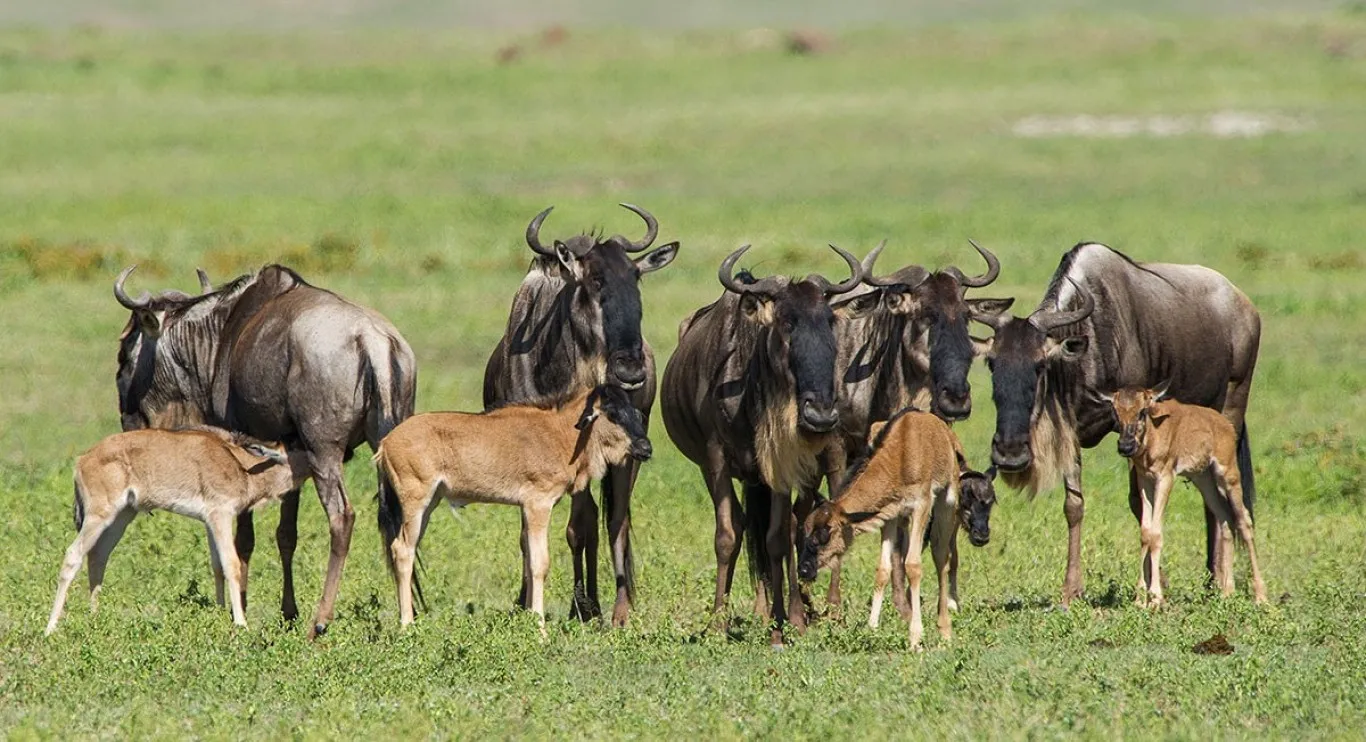
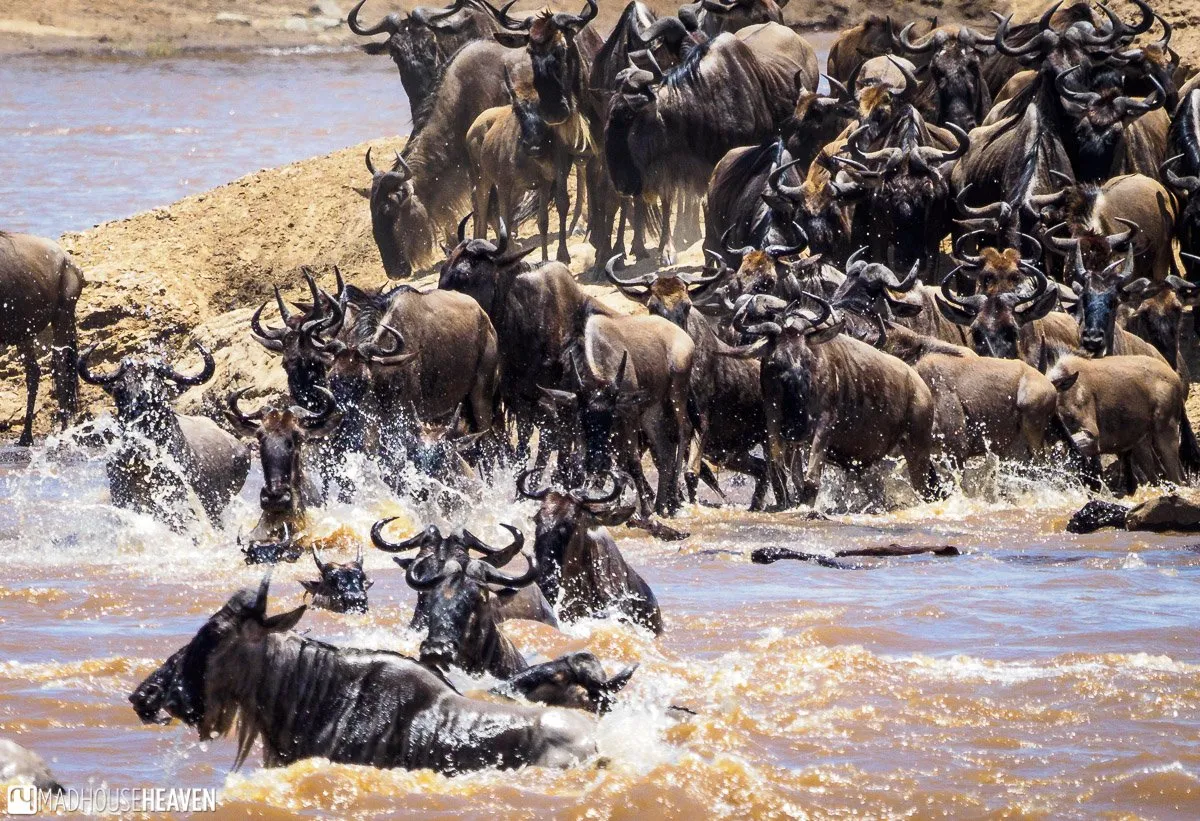
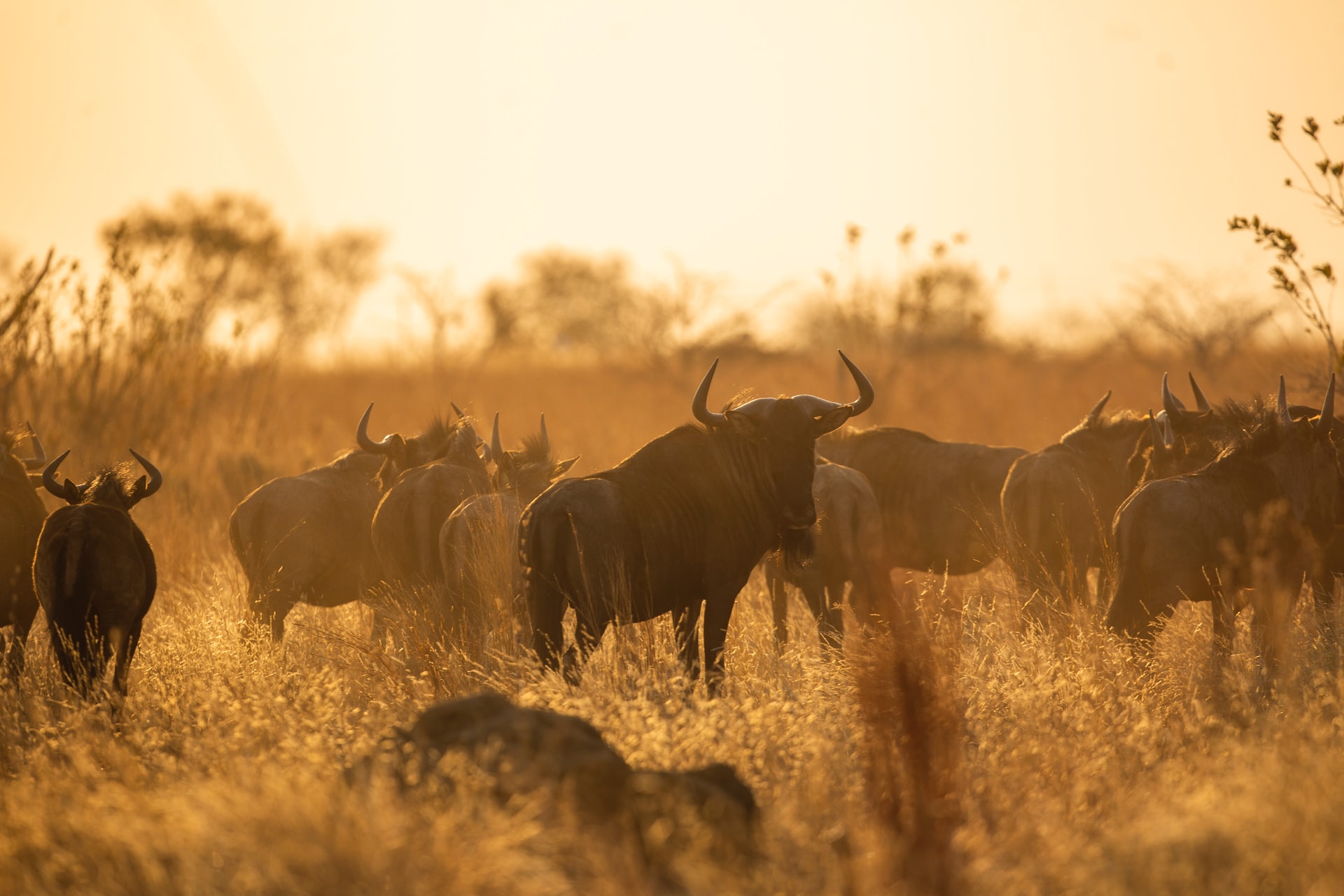
The Great Migration is not a single-species movement but a complex ecological event involving hundreds of wildlife species that depend on or actively follow the movement of wildebeest across East Africa. While wildebeest are the dominant drivers of this migration, the system itself is shaped by a wide web of animals that move, hunt, scavenge, and survive alongside them.
This immense natural cycle unfolds across the expansive plains of the Serengeti National Park and extends northward into the Masai Mara National Reserve, creating one of the most dynamic wildlife ecosystems on Earth.
Understanding what follows the migration requires looking beyond herbivores to include predators, scavengers, opportunistic feeders, and even birds that time their breeding and feeding cycles around the movement of herds.
Zebras as Key Migration Companions
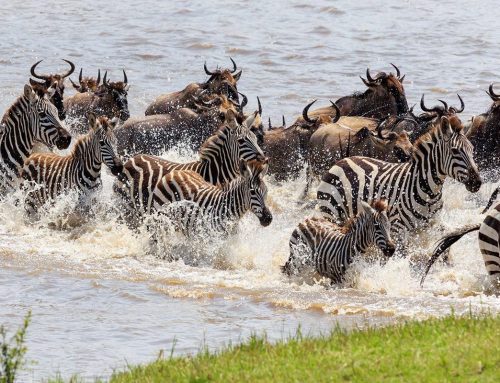
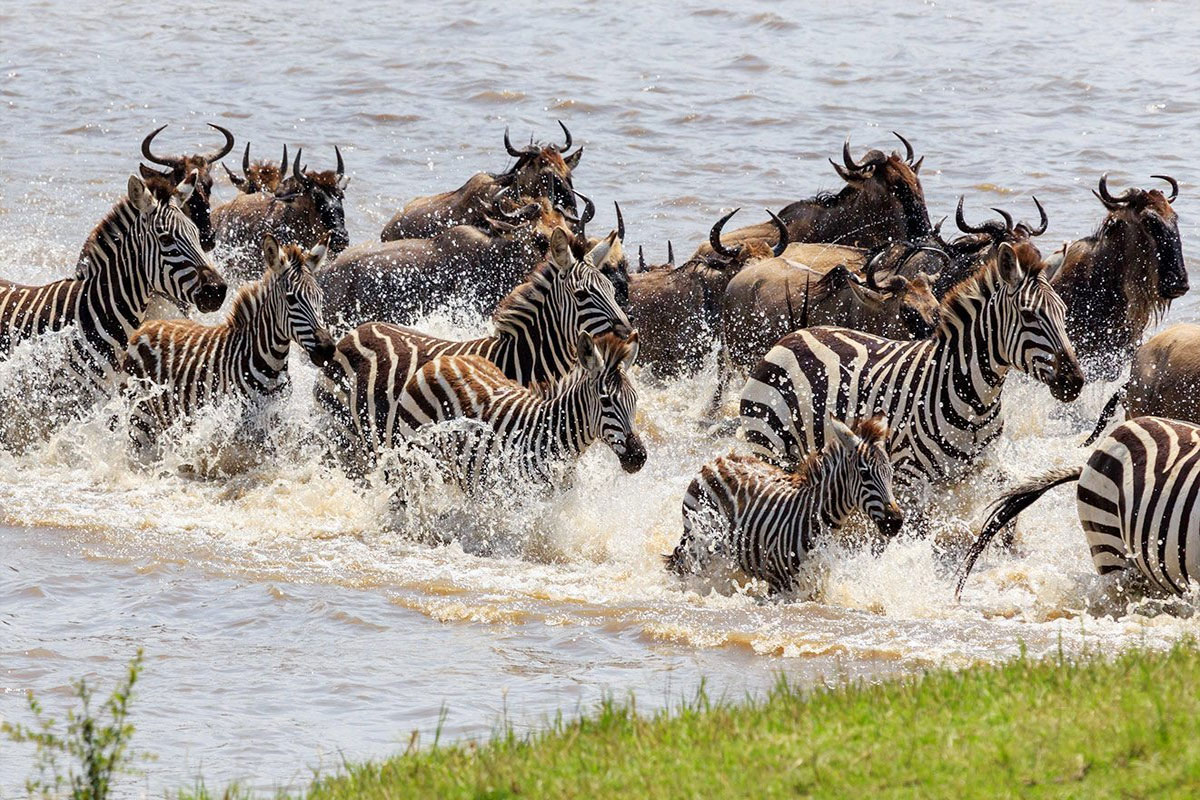
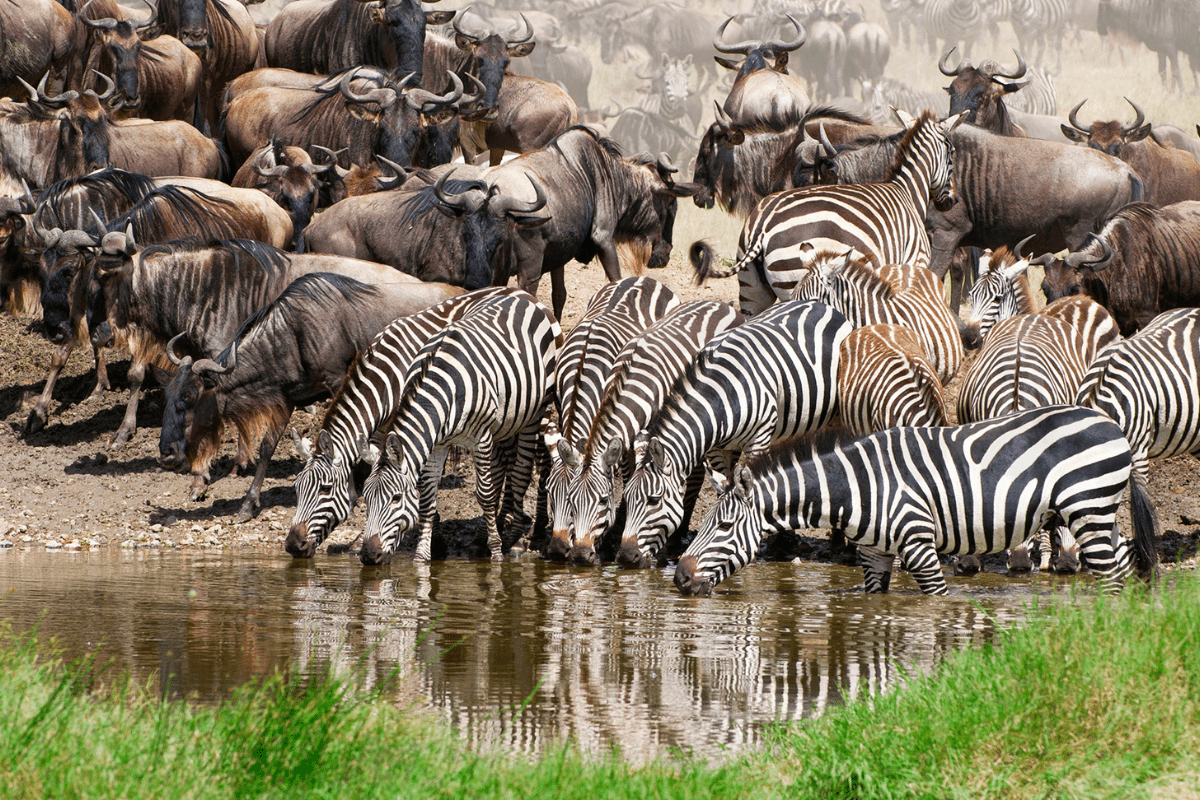
Zebras are one of the most important species that directly follow the Great Migration alongside wildebeest, often traveling in mixed herds for mutual survival benefits. Their movement is closely synchronized with seasonal rainfall patterns that dictate grass quality across the Serengeti ecosystem.
Within the ecosystem of the Serengeti National Park, zebras typically lead or travel slightly ahead of wildebeest because they are better adapted to feeding on taller, tougher grasses. This feeding behavior helps expose fresh grass shoots that wildebeest prefer.
This complementary feeding relationship makes zebras ecological partners in the migration rather than passive followers.
Thomson’s and Grant’s Gazelles in the Migration System
Thomson’s gazelles and Grant’s gazelles are smaller but highly significant participants in the Great Migration ecosystem, following the same rainfall-driven grass growth patterns as larger herbivores. These agile antelopes often remain on the periphery of massive herds.
Within the plains of the Serengeti National Park, gazelles play a crucial ecological role by grazing selectively and maintaining grassland balance. They also serve as primary prey for mid-sized predators such as cheetahs.
Their presence adds another layer of prey diversity that supports predator populations throughout the migration cycle.
What Animals Follow the Great Migration Besides Wildebeest
Predators That Actively Follow the Migration
Predators are among the most important followers of the Great Migration, as their survival depends directly on the movement of massive herbivore herds. Lions, cheetahs, leopards, hyenas, and wild dogs all track the migration closely, adjusting their territories seasonally.
Within the vast ecosystem of the Serengeti National Park, lions are the most dominant large predator associated with the migration. They form prides that strategically position themselves along herd routes and crossing points.
This constant predator pressure is one of the key forces shaping migration behavior and survival patterns.
Cheetahs and High-Speed Hunting Along Migration Routes
Cheetahs follow the Great Migration in a more flexible and opportunistic way, often targeting young or isolated gazelles and wildebeest calves in open plains. Their hunting style depends on visibility and speed rather than group strategy.
Across the southern and central regions of the Serengeti National Park, cheetahs take advantage of open grasslands created by seasonal rains. These environments provide ideal conditions for high-speed chases.
Their role in the ecosystem helps regulate herbivore populations, particularly during calving seasons.
Hyenas as Highly Adaptive Migration Followers
Spotted hyenas are among the most adaptable followers of the Great Migration, operating in large clans that track herds across vast distances. Unlike other predators, hyenas are both hunters and scavengers.
Within the migration zones of the Masai Mara National Reserve, hyenas often dominate nighttime activity, taking advantage of weakened animals, abandoned calves, or carcasses left after predator kills.
Their intelligence and cooperation make them one of the most successful carnivores in the migration ecosystem.
Leopards and Hidden Migration Strategies
Leopards follow the Great Migration in a more secretive and territorial manner, often remaining in woodland and riverine habitats rather than open plains. They do not directly track herds but take advantage of movement patterns.
Within the forested and riverine zones of the Serengeti National Park, leopards focus on ambush hunting, targeting smaller antelopes, young wildebeest, and opportunistic prey.
Their elusive nature makes them one of the most difficult predators to observe during migration safaris.
African Wild Dogs and Long-Distance Tracking
African wild dogs are highly efficient endurance hunters that occasionally follow segments of the Great Migration, especially in areas where prey density is high. Their pack coordination allows them to hunt over large distances.
Within parts of the Serengeti National Park, wild dogs exploit weaker individuals separated from large herds, particularly during long migration transitions.
Although less common than lions or hyenas, their presence adds another layer of predation pressure within the ecosystem.
Crocodiles in River Crossing Zones
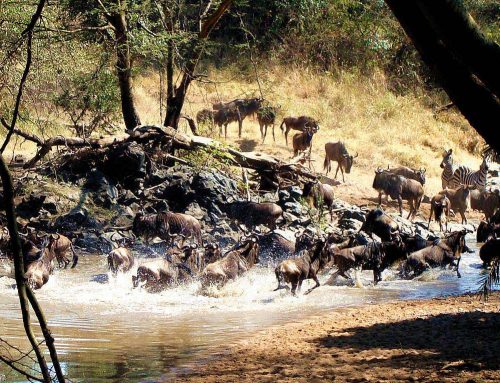
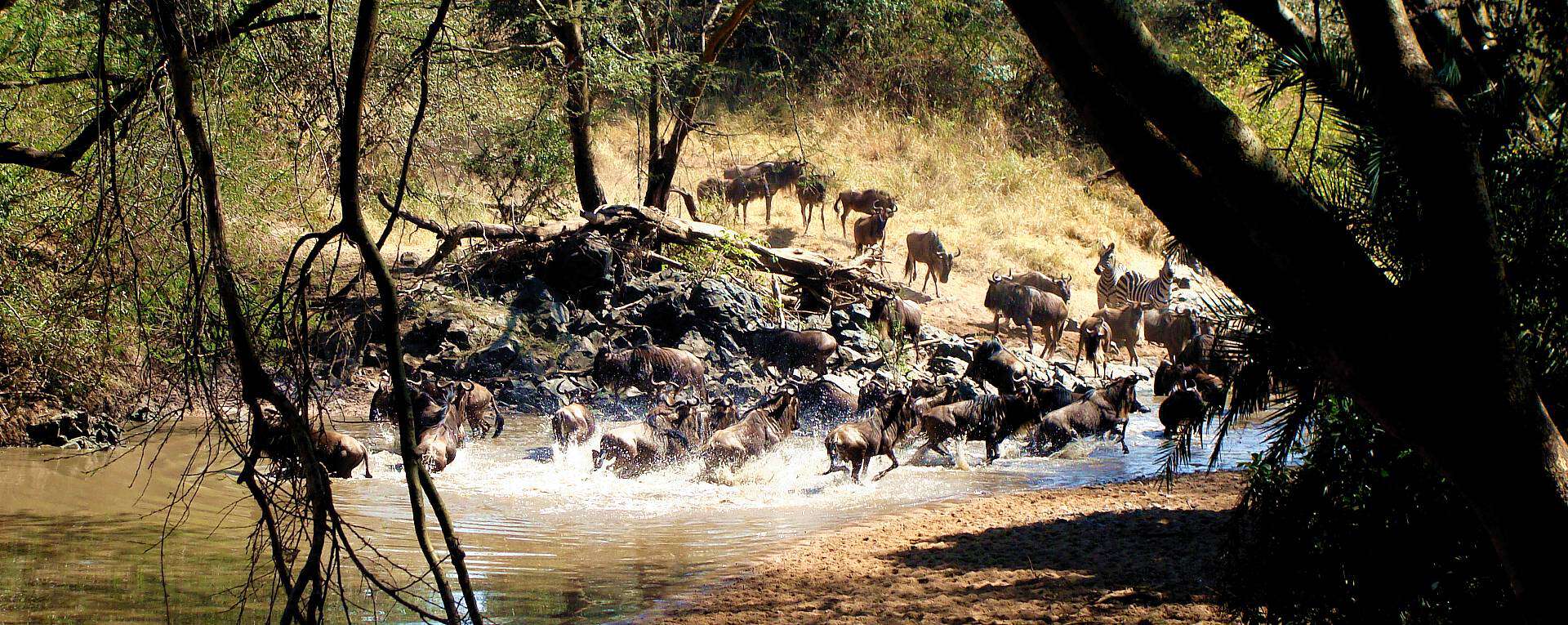
Nile crocodiles are among the most specialized followers of the Great Migration, concentrating in river systems where crossings occur each year. They do not travel with the herds but instead wait in predictable locations.
Within major river systems like those in the Masai Mara National Reserve and the northern Serengeti, crocodiles become dominant predators during crossing seasons.
Their ambush behavior makes river crossings one of the most dangerous phases of the entire migration.
Vultures and the Aerial Cleanup Crew
Vultures are essential scavengers that follow the Great Migration indirectly by tracking predator activity and carcass availability. They are often the first birds to arrive at a kill site.
Across the plains of the Serengeti National Park, vultures play a critical ecological role in cleaning up carcasses, preventing disease spread, and recycling nutrients back into the ecosystem.
Their presence is a strong indicator of recent predator activity in migration zones.
Other Scavengers That Depend on the Migration
Beyond vultures, several other scavenger species rely heavily on the Great Migration for survival opportunities. Marabou storks and jackals are among the most visible opportunistic feeders.
Within the ecosystem of the Masai Mara National Reserve, these scavengers quickly respond to kills made by lions or hyenas, ensuring that no part of a carcass goes unused.
This recycling system is a crucial part of the migration’s ecological efficiency.
What Animals Follow the Great Migration Besides Wildebeest
Birds That Time Their Life Cycles to the Migration
Many bird species adjust their breeding and feeding patterns based on the movement of the Great Migration, benefiting from increased insect activity and food availability. Raptors, storks, and smaller insectivorous birds are all influenced by herd movements.
Within the broader Serengeti ecosystem of the Serengeti National Park, birds follow predator activity, feeding on insects disturbed by moving herds or leftover remains from kills.
This connection highlights how deeply interconnected the migration is across all animal groups.
Insects and Small Ecosystem Responders
Even insects play a subtle but important role in the Great Migration ecosystem, responding to dung, carcasses, and changes in grassland conditions created by massive herd movement. Dung beetles, flies, and termites all experience population surges during migration peaks.
Within the plains of the Serengeti National Park, these insects contribute to nutrient cycling and soil regeneration, making them essential to ecosystem health.
Though often overlooked, they are critical behind-the-scenes participants in the migration cycle.
How the Entire Ecosystem Moves Together
The Great Migration is best understood as a synchronized ecological system rather than a simple movement of wildebeest alone. Every species involved plays a specific role in maintaining balance across predator-prey dynamics.
Across the interconnected landscapes of the Serengeti National Park and the Masai Mara National Reserve, rainfall patterns, grass growth, and water availability drive this synchronized movement.
This creates one of the most complex and efficient natural systems on Earth.
Final Thoughts on Migration Followers
The animals that follow the Great Migration besides wildebeest reveal the true complexity of this world-famous wildlife phenomenon. From zebras and gazelles to lions, hyenas, crocodiles, and scavenging birds, every species is part of a deeply interconnected survival network.
Within the vast ecosystems of East Africa, particularly in the Serengeti and Masai Mara, the migration is not just movement—it is a full ecological cycle that supports life across multiple trophic levels.
Understanding these relationships transforms the Great Migration from a spectacle into a living, breathing system of survival, adaptation, and ecological balance.