
How Does the Wet Season Affect Wildlife Sightings in Tanzania?
Wet Season Wildlife Tanzania, Tanzania is one of Africa’s premier safari destinations, renowned for its vast wilderness areas, including the Serengeti, Ngorongoro Crater, Tarangire, and Selous Game Reserve. Wildlife enthusiasts flock to the country year-round to witness the Great Migration, big cats, elephants, and an array of bird species. However, the timing of a safari—particularly during the wet season—can significantly influence wildlife sightings.
The wet season in Tanzania typically spans from November to May, with peak rains occurring between March and May (the long rains) and shorter rains from November to December. While many travelers prefer the dry season for game viewing, the wet season offers unique advantages and challenges for wildlife sightings. This article explores how rainfall, vegetation growth, and animal behavior shape the safari experience during this period.
1. The Impact of Rainfall on Wildlife Distribution and Wet Season Wildlife Tanzania
A. Dispersal of Wildlife Due to Abundant Water Sources
During the dry season (June to October), water sources become scarce, forcing animals to congregate around rivers, lakes, and permanent waterholes. This concentration makes wildlife easier to spot. In contrast, the wet season brings temporary ponds, flowing rivers, and widespread water availability, allowing animals to disperse across the landscape.
-
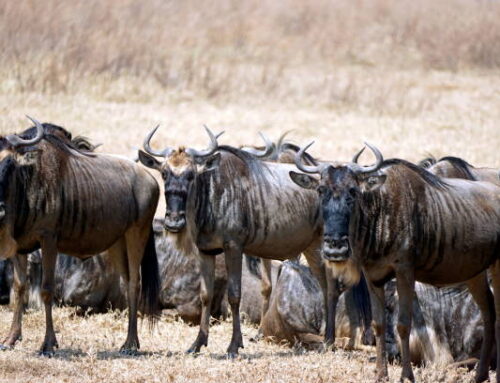
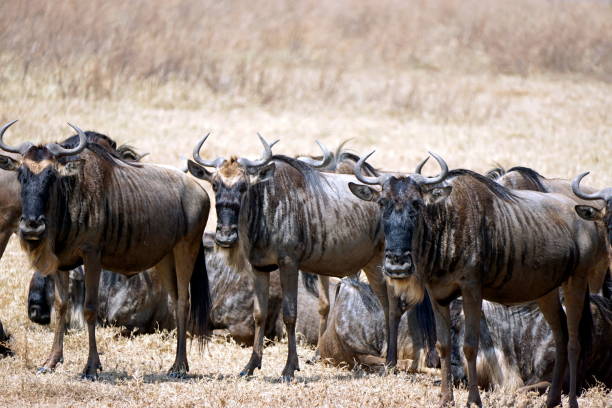
Herbivores: Grazing animals like wildebeest, zebras, and antelopes spread out to take advantage of fresh grass, making them less predictable.
-
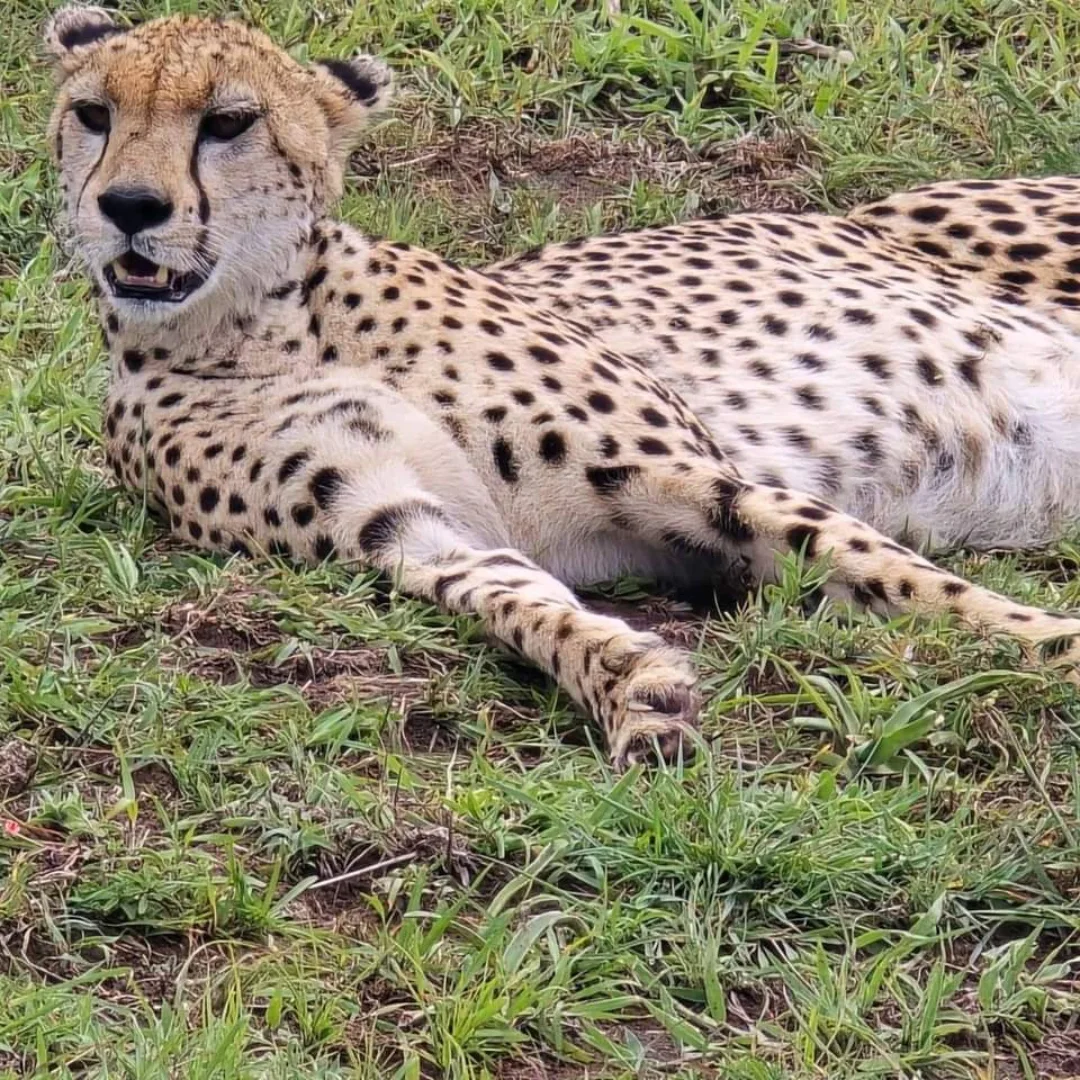
Predators: Lions, leopards, and cheetahs follow their prey, but since herbivores are scattered, sightings may require more effort.
B. The Great Migration’s Calving Season
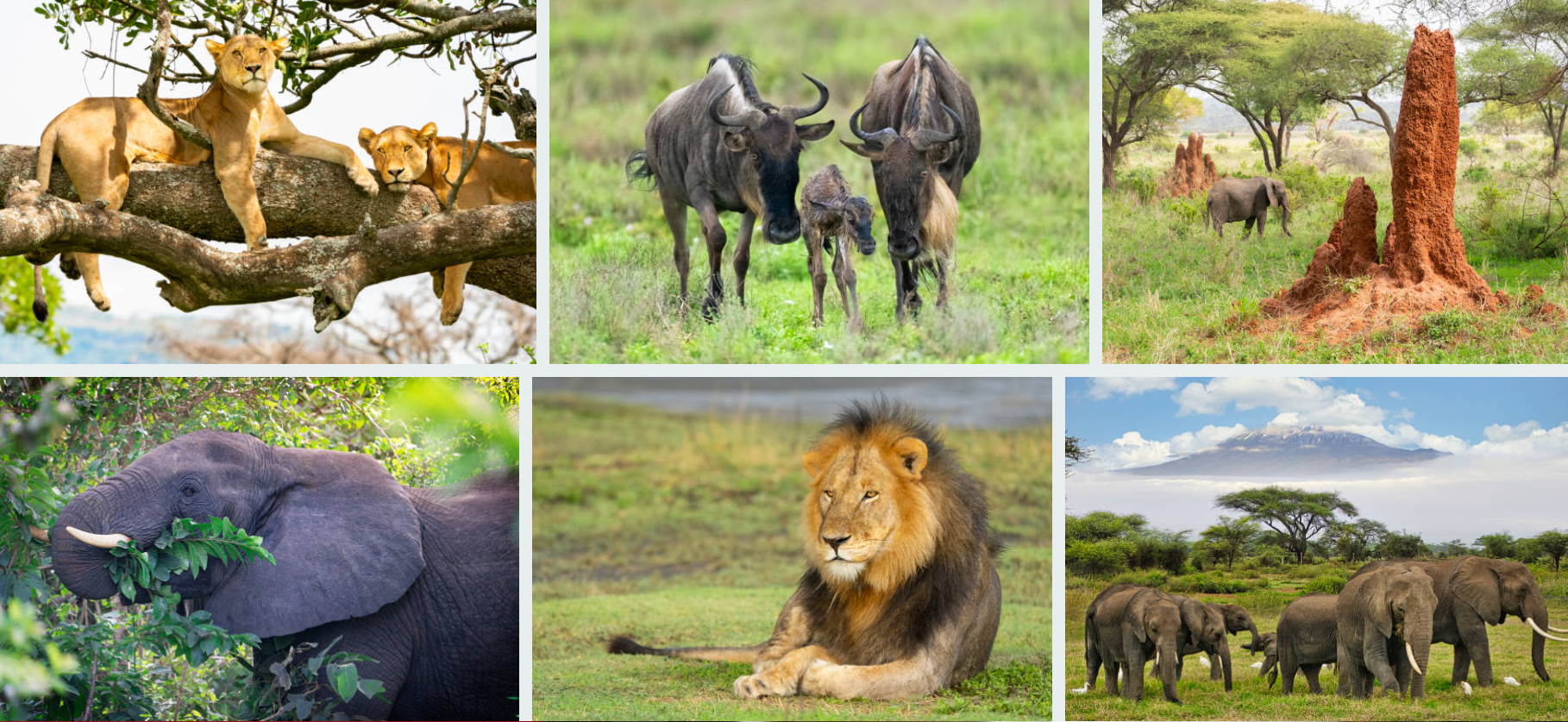
One of the most remarkable wet-season events is the calving season in the southern Serengeti and Ndutu region (February–March). Over 500,000 wildebeest calves are born within a few weeks, attracting predators like lions and hyenas. This period offers thrilling predator-prey interactions, though the sheer number of animals means they are still relatively easy to locate.
2. Vegetation Growth and Its Effects on Visibility of Wet Season Wildlife Tanzania
A. Lush Landscapes and Thick Foliage
Heavy rains transform Tanzania’s parks into lush, green paradises. While beautiful, the dense vegetation can obstruct wildlife sightings:
-
Tall Grass: Makes it harder to spot smaller animals like cheetahs or leopards.
-
Thick Bush: Conceals predators stalking prey, requiring more patience from safari-goers.
B. Advantages of the Wet Season Flora
Despite visibility challenges, the wet season offers unique opportunities:
-
Birdwatching Paradise: Migratory birds arrive, and resident species display vibrant breeding plumage.
-
Photographic Beauty: The landscape is vibrant, with dramatic skies, blooming flowers, and reflective water bodies.
3. Animal Behavior Changes During the Wet Season
A. Breeding and Nesting Activities
Many species time their reproductive cycles with the rains:
-
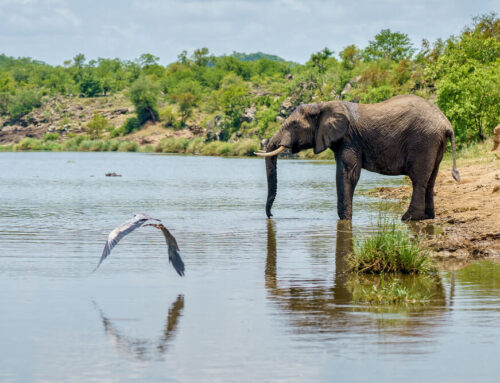
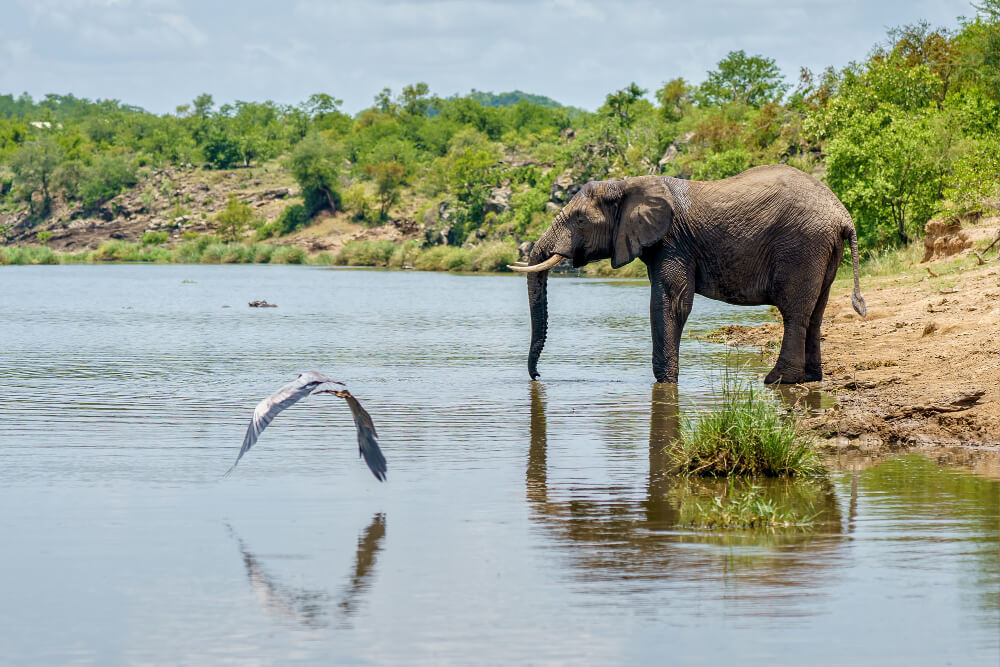
Elephants: Calves are often born during the wet season when food is abundant.
-
Birds: Nesting activity peaks, offering chances to see courtship displays and fledglings.
B. Reduced Competition at Waterholes
While water is plentiful, some species still gather at key locations:
-
Buffalo and Hippos: Continue to frequent permanent water sources.
-
Crocodiles: Remain in rivers, waiting for prey despite the abundance of water elsewhere.
4. Accessibility and Tourist Crowds
A. Road Conditions and Park Accessibility
Rain can make some roads impassable, particularly in remote parks like Katavi or Selous. However, major parks like the Serengeti and Ngorongoro remain accessible, albeit with some muddy stretches.
-
4×4 Vehicles Essential: Safari operators use rugged vehicles to navigate slippery terrain.
-
Fewer Tourists: The wet season sees fewer visitors, allowing for a more exclusive experience without crowded sightings.
B. Lower Safari Costs
Many lodges and camps offer discounted rates during the wet season, making it an attractive option for budget-conscious travelers.
5. Seasonal Variations Within the Wet Season
A. Early Wet Season (November–December)
-
Short rains bring relief after the dry season.
-
Wildlife is still somewhat concentrated before dispersing.
-
Good for birdwatching as migrants arrive.
B. Peak Wet Season (March–May)
-
Heavy rains can disrupt travel plans.
-
Lush scenery but challenging wildlife spotting.
-
Calving season in the Serengeti (February–March) is a highlight.
6. Best Parks to Visit During the Wet Season
A. Serengeti National Park
-
February–March: Witness the wildebeest calving season.
-
April–May: Fewer tourists, dramatic landscapes.
B. Ngorongoro Crater
-
Year-round wildlife due to the crater’s enclosed ecosystem.
-
Less crowded in the wet season.
C. Tarangire National Park
-
Elephant herds remain visible.
-
Beautiful green scenery with baobabs.
D. Selous and Ruaha
-
Remote and pristine, with excellent birdlife.
-
Fewer tourists but challenging road conditions.
7. Tips for Safari-Goers in the Wet Season
-
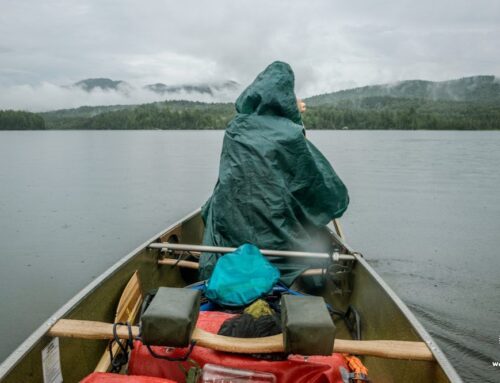
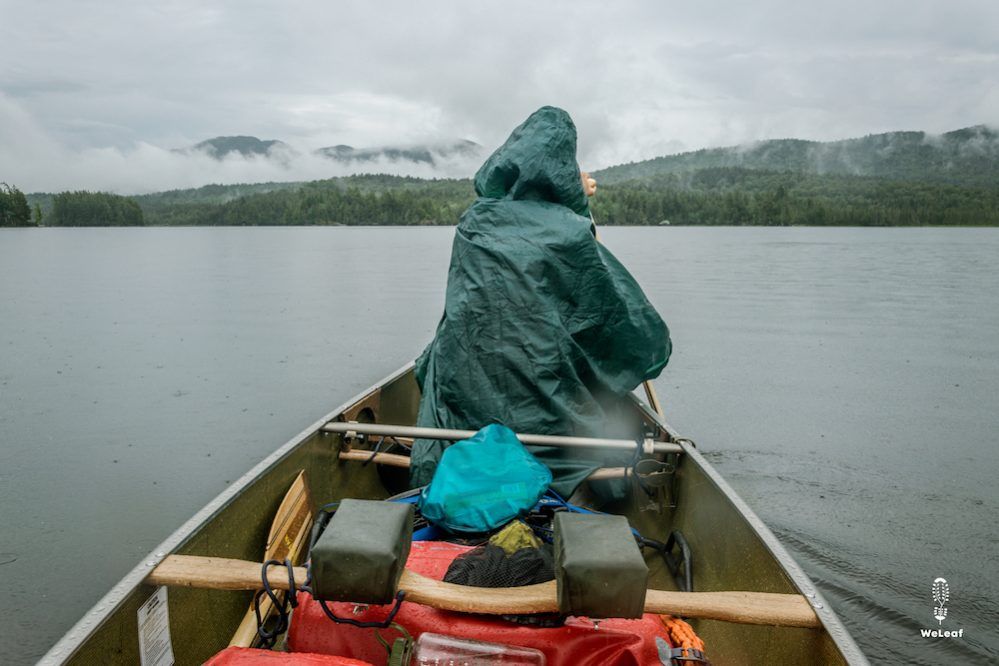
Pack waterproof gear: Rain jackets, waterproof bags, and sturdy shoes.
-
Be flexible: Some routes may be closed due to flooding.
-
Focus on birding and photography: The wet season is ideal for these activities.
-
Choose the right guide: Experienced guides know where to find wildlife despite the challenges.
While the wet season in Tanzania presents certain challenges for wildlife sightings—such as dispersed animals and thick vegetation—it also offers unparalleled rewards. From the drama of the Great Migration’s calving season to the explosion of birdlife and lush landscapes, this time of year provides a unique safari experience. For those willing to embrace the rain and adventure, Tanzania’s wet season can be just as rewarding as the dry season, with the added benefits of fewer crowds and lower costs.
Ultimately, the best time for a safari depends on personal preferences: those seeking high-density wildlife may prefer the dry season, while travelers who value scenery, birdlife, and exclusivity will find the wet season magical. Either way, Tanzania’s wilderness never fails to amaze.