Western Serengeti Corridor Safari: The Grumeti River Crossings
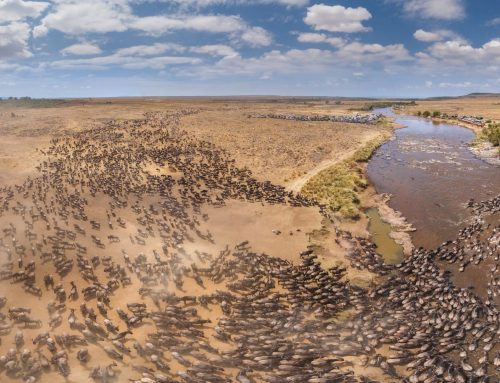
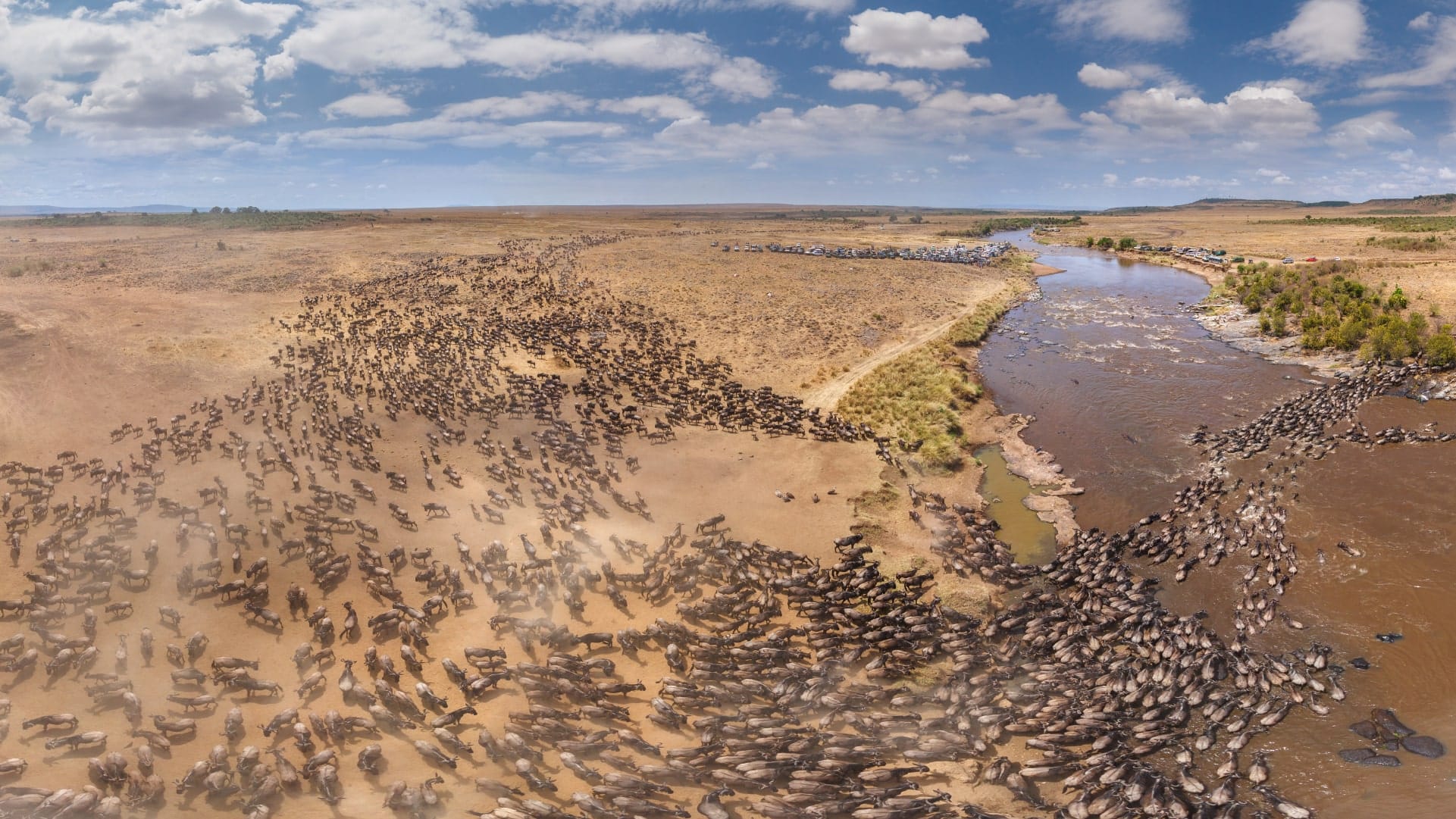
The Western Serengeti corridor is one of the most strategically important sections of the Great Migration route, where massive herds of wildebeest and zebra move between the central plains and the northern Serengeti. This region is defined by the long, green savannahs that stretch toward the Serengeti National Park, creating a transitional zone of high wildlife density and seasonal movement.
At the heart of this corridor lies the Grumeti River system, a crucial obstacle that migration herds must cross during their journey north. The Western Corridor is often less crowded than other migration hotspots, yet it delivers equally dramatic wildlife encounters, especially during the peak crossing months.
This area is particularly known for its raw predator-prey interactions, large crocodile populations, and the first major river challenge faced by migrating herds.
The Grumeti River Crossings Explained
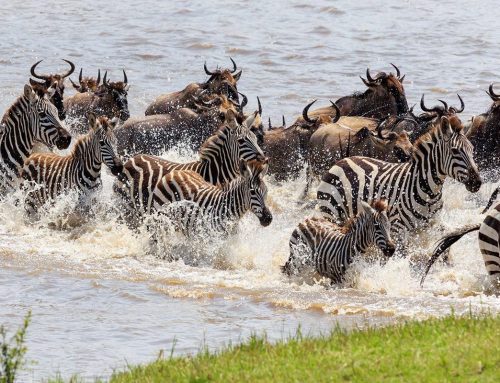
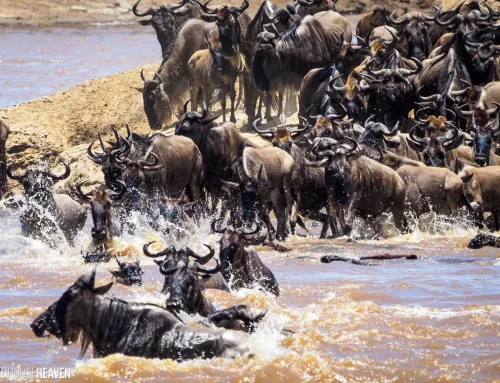
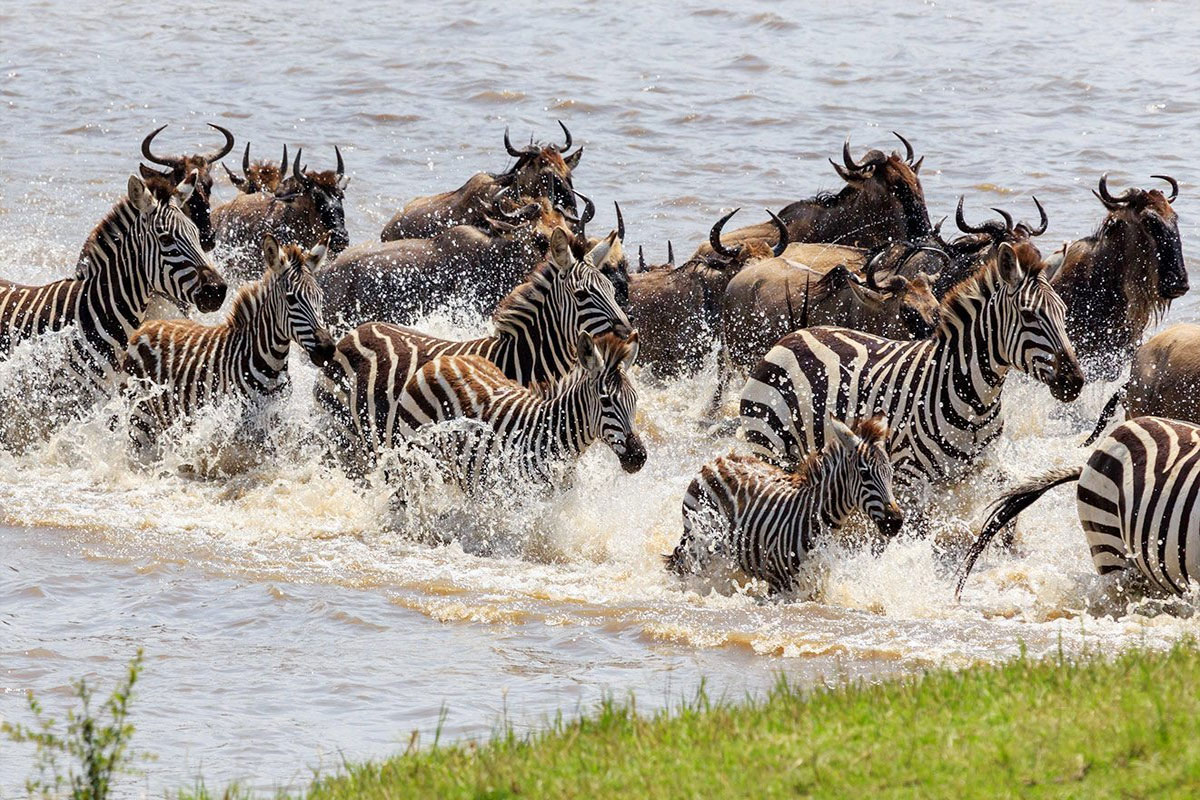
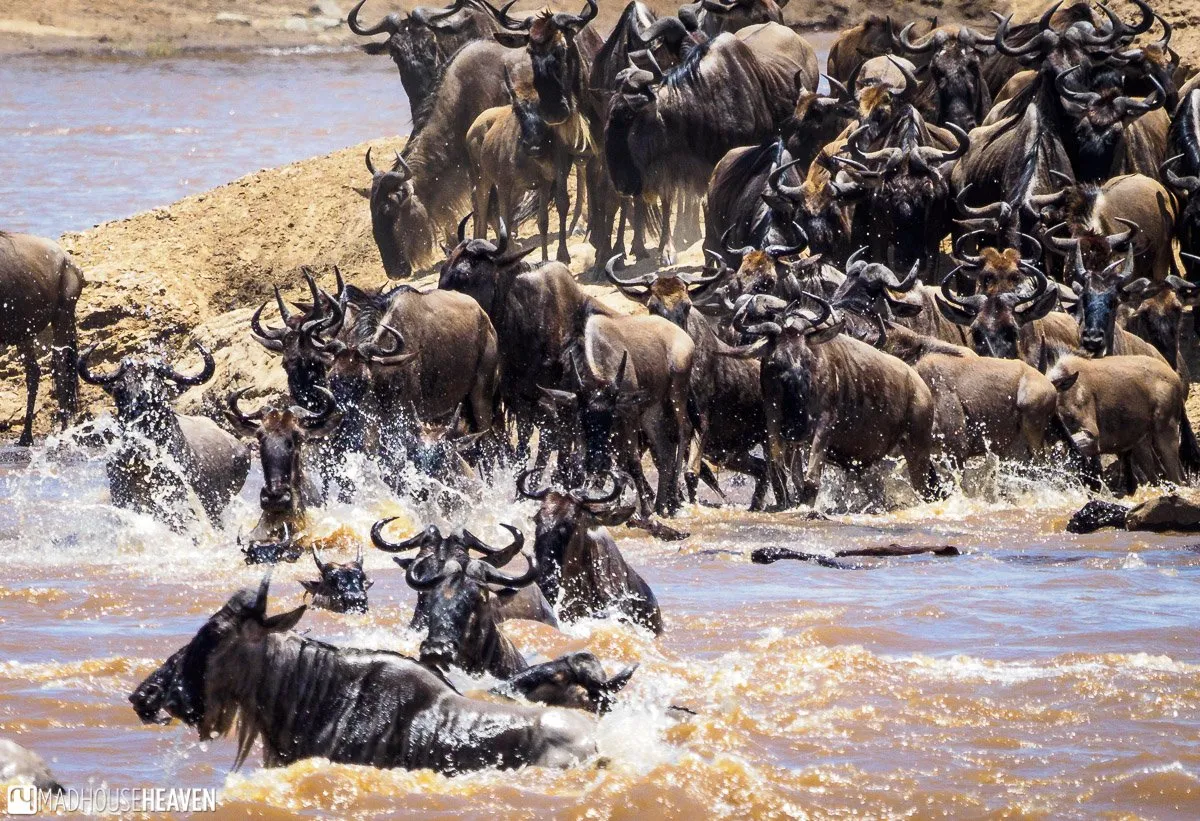
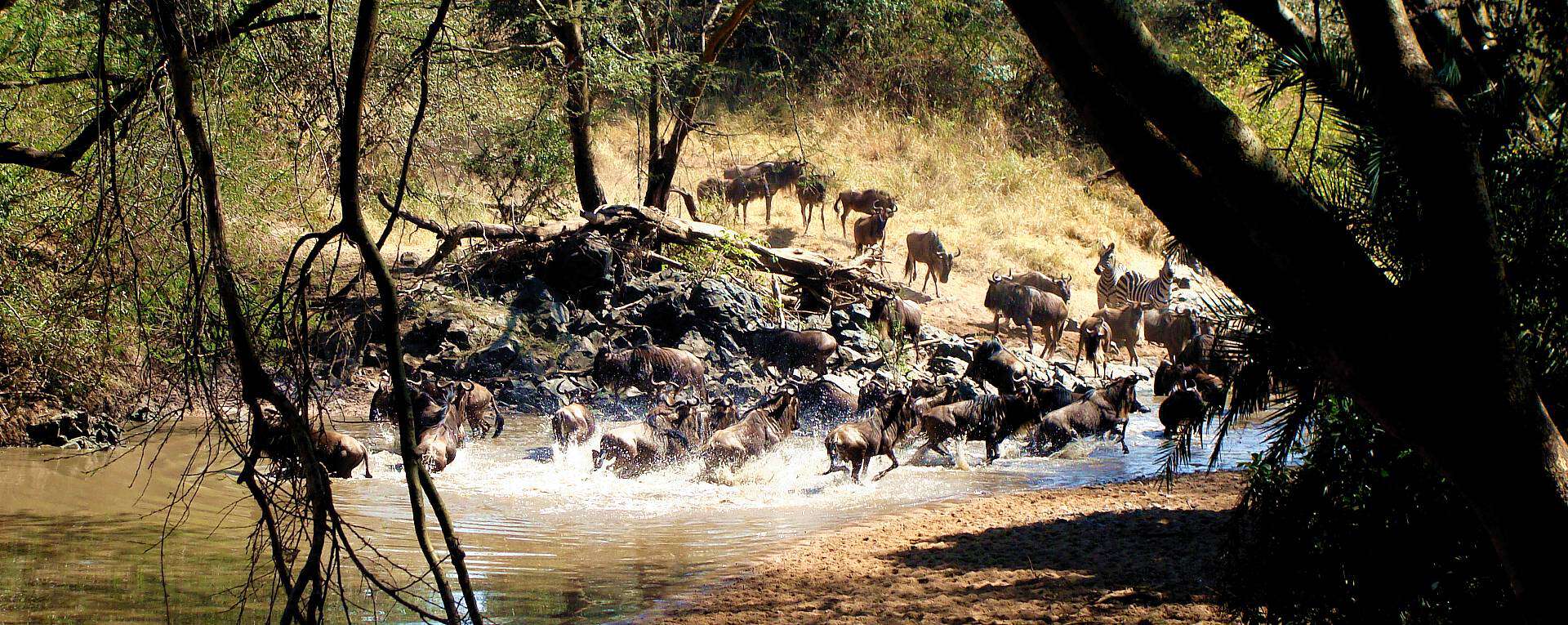
The Grumeti River crossings are among the most intense and dangerous moments of the Great Migration, where thousands of wildebeest attempt to cross crocodile-filled waters. Unlike the more famous Mara River crossings, Grumeti crossings are often more chaotic and less predictable.
Within Grumeti River, massive Nile crocodiles wait in ambush, some of the largest in Africa, creating a high-risk environment for migrating herds. The river itself is wider and slower-moving in certain sections, which increases exposure time for animals crossing.
These crossings typically occur between May and July, marking the early stages of the migration’s northward movement.
Wildlife in the Western Serengeti Corridor
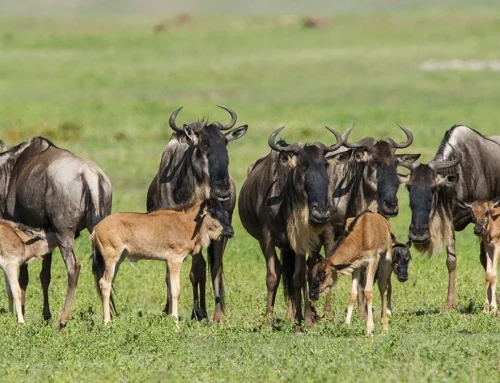
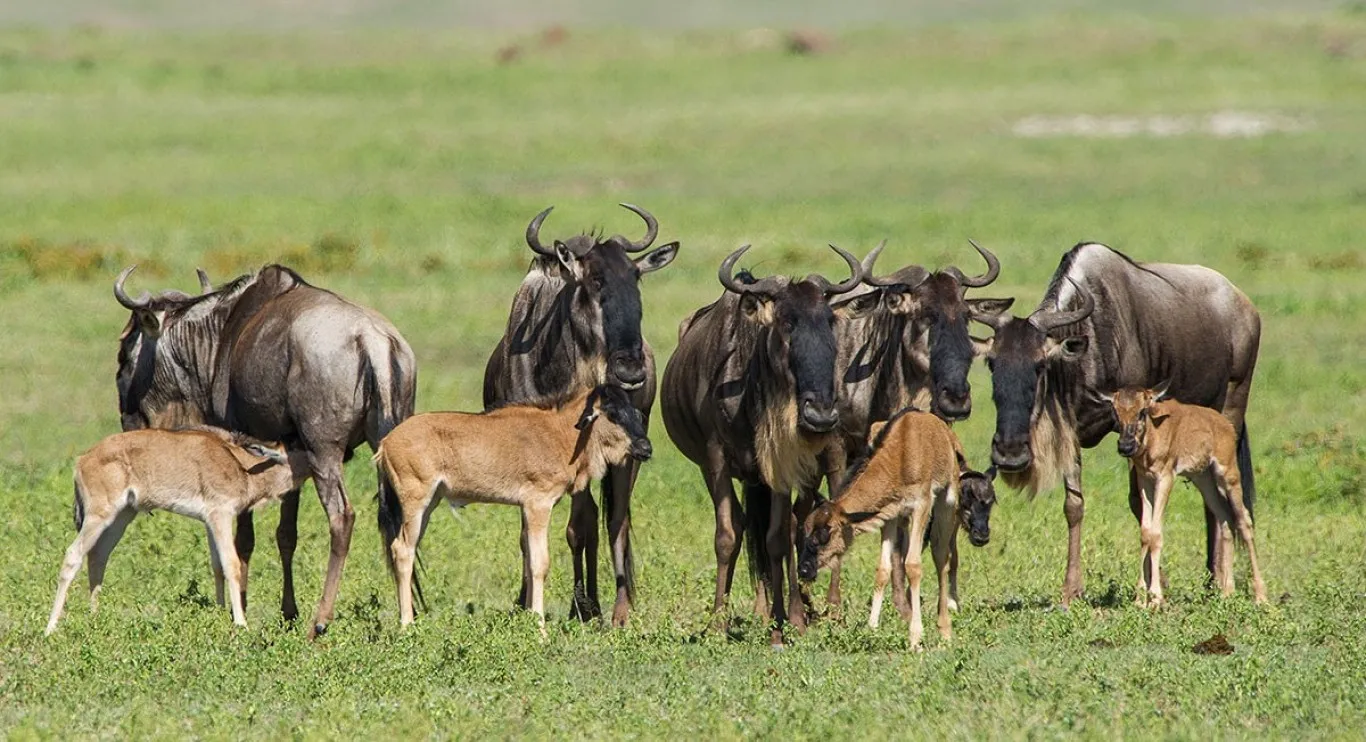
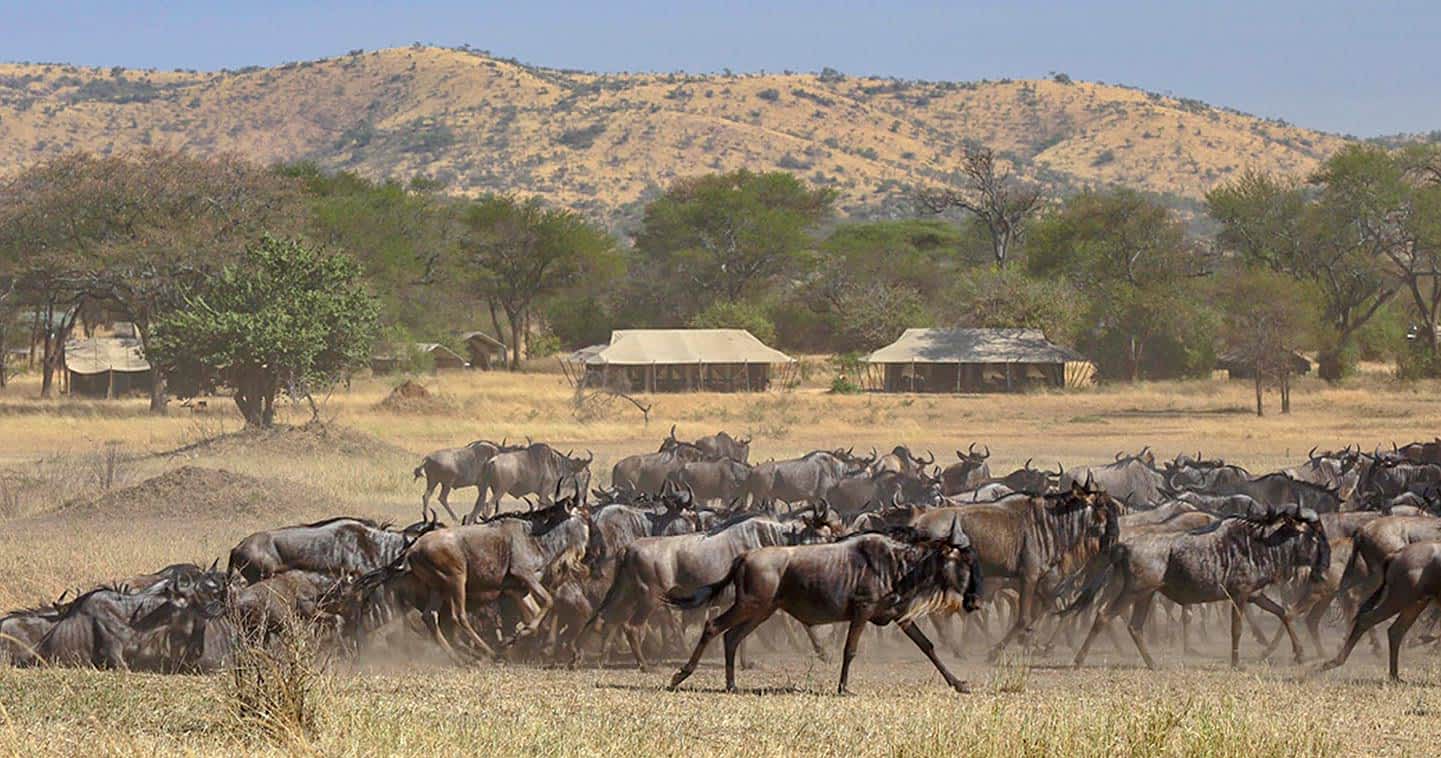
The Western Serengeti corridor is rich in both migratory and resident wildlife, creating a diverse and highly active safari environment. Wildebeest dominate the landscape during migration season, followed closely by zebra and gazelles.
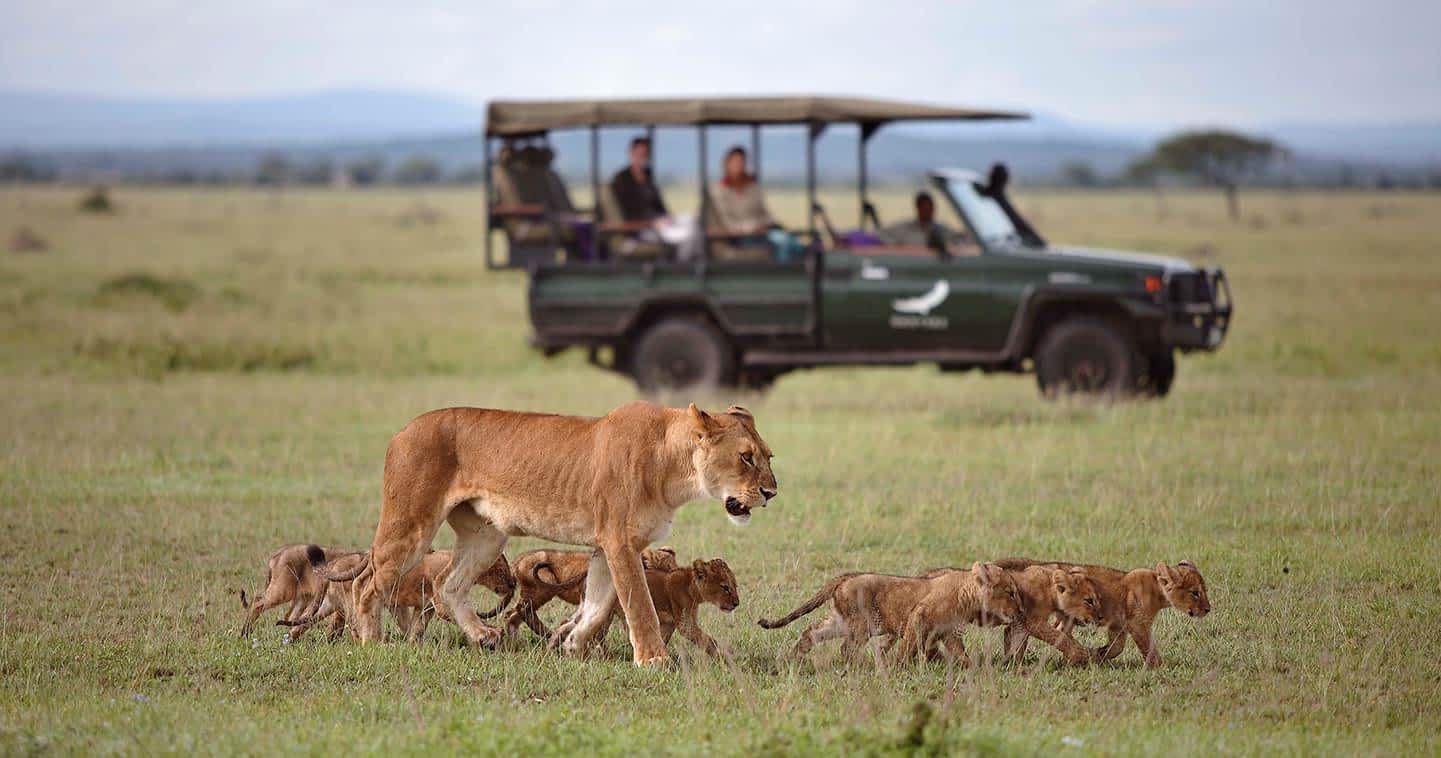
Within Serengeti National Park, predators such as lions, leopards, and hyenas closely follow migration herds, taking advantage of weakened or separated individuals.
The combination of river crossings, predator pressure, and open grasslands makes this corridor one of the most dynamic ecosystems in the Serengeti.
Western Serengeti Corridor Safari
Landscape and Ecosystem of the Western Corridor
The Western Corridor features a unique blend of riverine forests, floodplains, and dense woodlands that differ significantly from the central Serengeti plains. This variation creates multiple microhabitats that support a wide range of species.
In Serengeti National Park, the corridor is shaped by seasonal rainfall patterns that influence grass growth and water availability, directly impacting migration timing.
The Grumeti River and its surrounding ecosystem act as a natural bottleneck, concentrating wildlife into narrow crossing points.
Timing the Grumeti River Crossings
The best time to witness Grumeti River crossings is typically between May and July, when the Great Migration herds move through the Western Serengeti corridor. However, exact timing varies depending on rainfall patterns and herd movement.
Within Grumeti River, water levels fluctuate seasonally, influencing where and when animals attempt to cross.
This unpredictability makes each safari experience unique, requiring patience and expert guiding to track movement patterns.
Safari Experience in the Western Serengeti
A safari in the Western Serengeti corridor offers a more secluded and immersive experience compared to the busier central and northern regions. Game drives often focus on tracking migration movement along riverbanks and open plains.
Within Serengeti National Park, guides use extensive knowledge of animal behavior and seasonal patterns to locate herds during crossing periods.
The experience is often defined by long scenic drives followed by sudden bursts of high-intensity wildlife action at river crossing points.
Western Serengeti Corridor Safari
Predator Action Around the Grumeti River
Predator activity around the Grumeti River is exceptionally high due to the vulnerability of migrating herds during crossing attempts. Lions often position themselves along approach routes, while crocodiles dominate the river itself.
Within Grumeti River, ambush strategies by crocodiles are a key survival challenge for wildebeest, especially during peak migration pressure.
Hyenas and leopards also play important roles in scavenging and opportunistic hunting in surrounding woodlands.
Accommodation in the Western Serengeti Corridor
Accommodation options in the Western Serengeti corridor include luxury tented camps and seasonal mobile camps designed to follow migration movements. These camps provide direct access to river crossing zones and surrounding wildlife hotspots.
In Serengeti National Park, staying in the western sector during migration season allows travelers to avoid larger tourist concentrations while still accessing prime wildlife viewing.
Many lodges are positioned along river systems to maximize chances of witnessing Grumeti crossings.
Photography Opportunities in the Western Corridor
The Western Serengeti corridor offers exceptional photography conditions, particularly during river crossings where dramatic action unfolds in real time. The contrast between green landscapes and chaotic wildlife movement creates compelling visual narratives.
Within Grumeti River, photographers often capture crocodile strikes, herd panic, and dust-filled crossing scenes that define the intensity of migration life.
Soft lighting during early mornings and late afternoons enhances image quality, especially in open floodplain areas.
Conservation Importance of the Western Serengeti
The Western Serengeti corridor is essential to maintaining the continuity of the Great Migration, acting as a critical passage between central and northern ecosystems. Protecting this corridor ensures the survival of one of the world’s largest wildlife movements.
Within Serengeti National Park, conservation programs focus on habitat protection, anti-poaching efforts, and maintaining open migration routes.
The Grumeti River ecosystem is particularly sensitive, requiring long-term ecological balance to sustain its predator-prey dynamics.
Why the Western Serengeti Corridor Is Special
The Western Serengeti corridor stands out because it combines solitude, raw wilderness, and high-intensity migration events in a less crowded safari setting. It offers a more intimate experience of the Great Migration compared to northern hotspots.
Within Grumeti River, the dramatic river crossings create unforgettable wildlife encounters that rival any other stage of the migration cycle.
This region is ideal for travelers seeking both exclusivity and authentic wilderness drama.
Final Thoughts on the Grumeti River Crossings
The Grumeti River crossings in the Western Serengeti corridor represent one of the earliest and most dramatic challenges of the Great Migration journey. They set the tone for the long northward movement toward the Mara River.
Within Serengeti National Park, this western route remains a vital and visually stunning part of the ecosystem’s annual cycle.
For safari travelers, the Western Serengeti offers a powerful blend of action, isolation, and raw natural beauty that defines the essence of African wilderness.