Swimming Hippos and River Crossings: Life in the Mara River
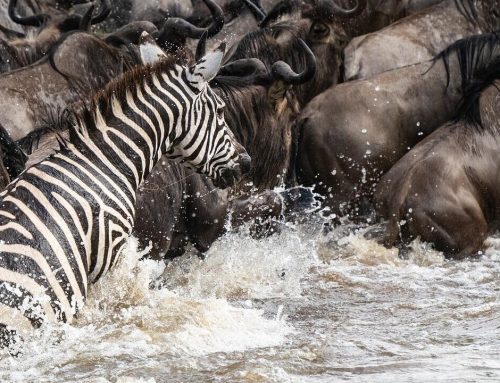
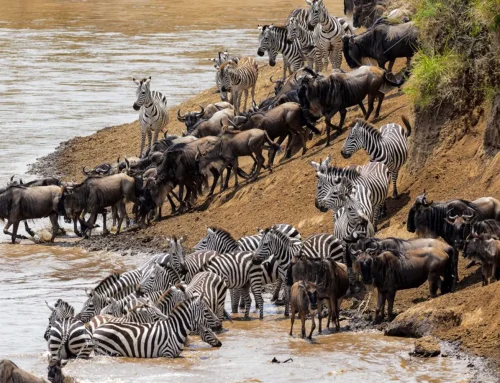
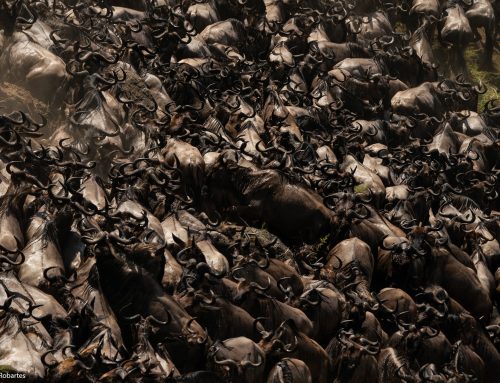
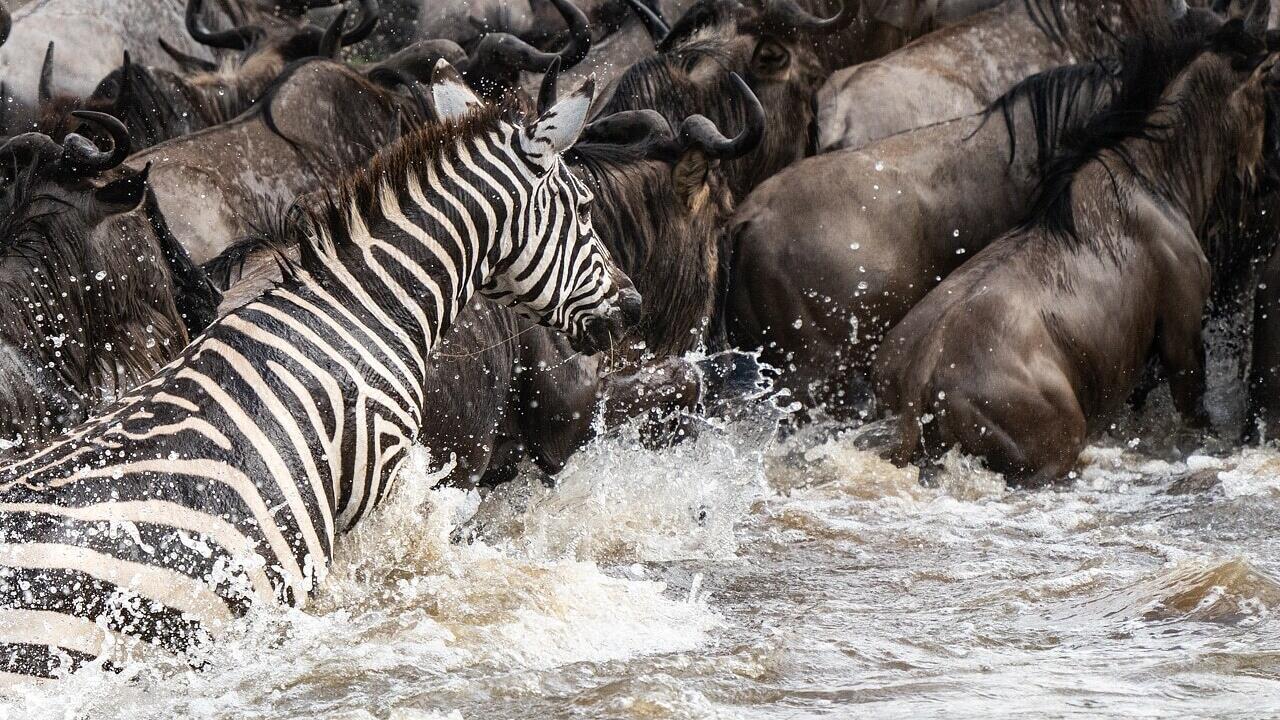
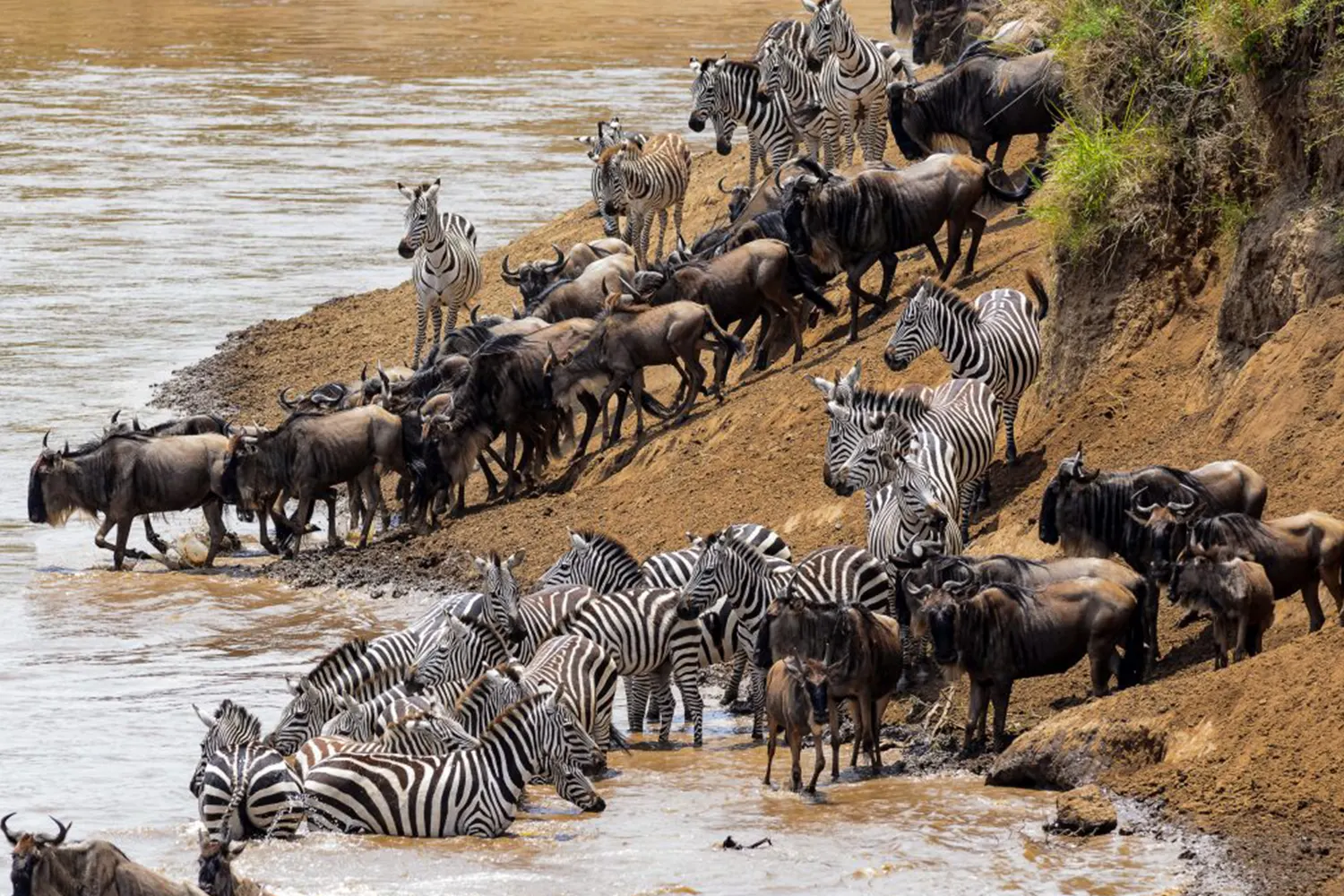
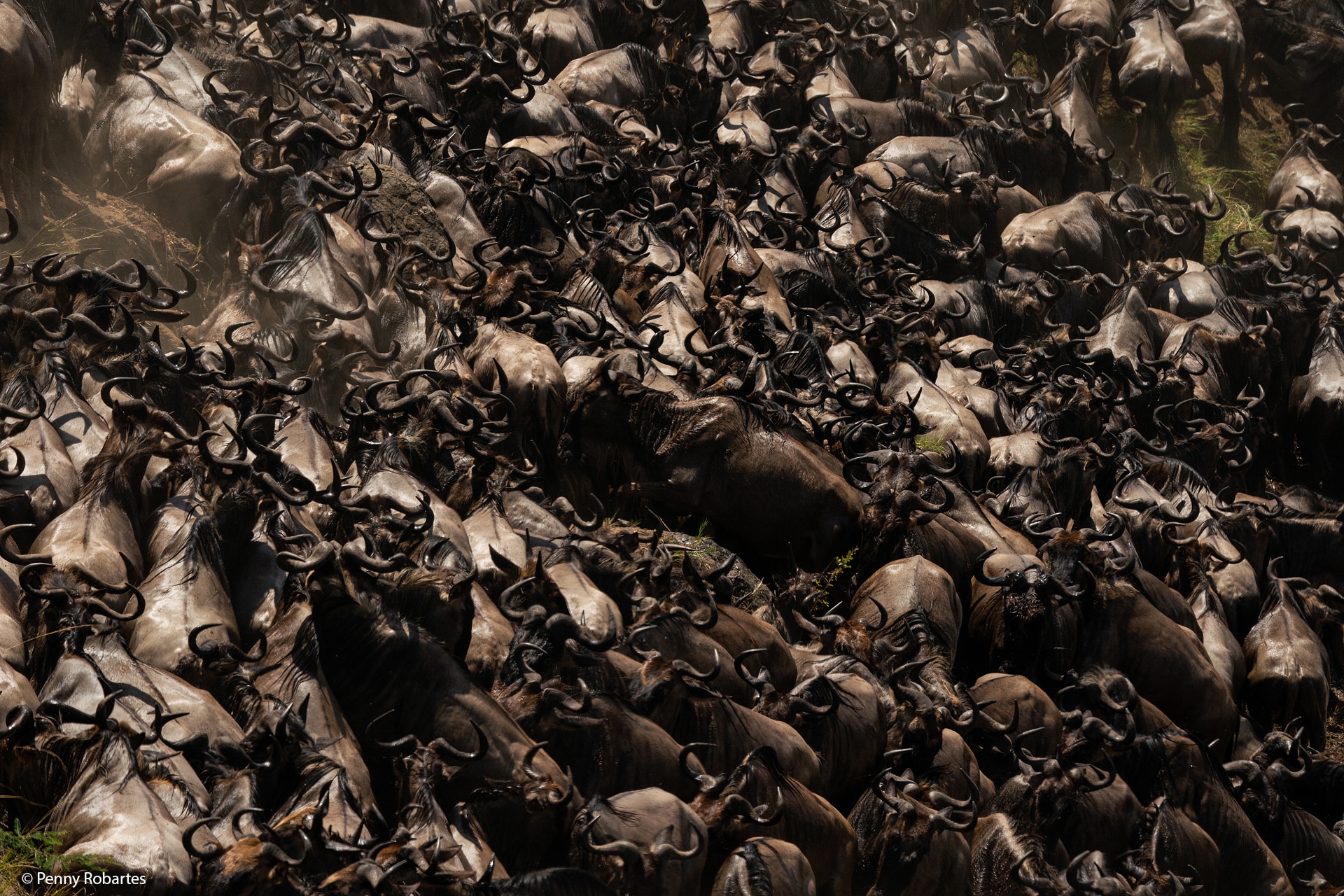
The Mara River flows majestically through the heart of East Africa, threading its way across the Masai Mara and connecting it to the vast plains of the Serengeti. Its fame comes largely from the breathtaking crossings of the Great Wildebeest Migration. Millions of wildebeest, zebras, and gazelles gather on its banks, preparing to face the river’s treacherous currents and lurking predators. Yet the Mara River is much more than a backdrop for this annual spectacle—it is a vibrant, life-sustaining ecosystem teeming with creatures both large and small.
The Dominance of Hippos
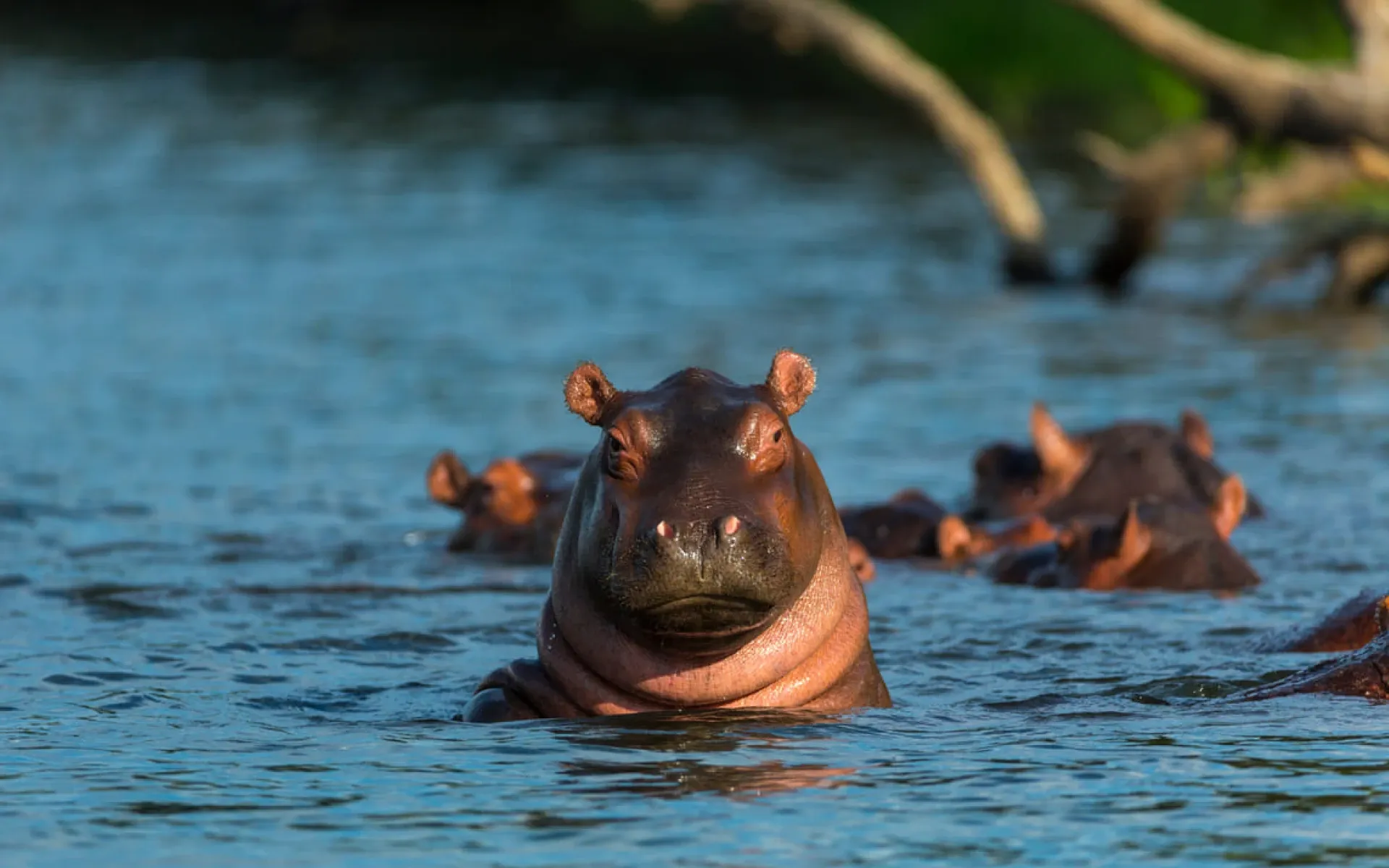
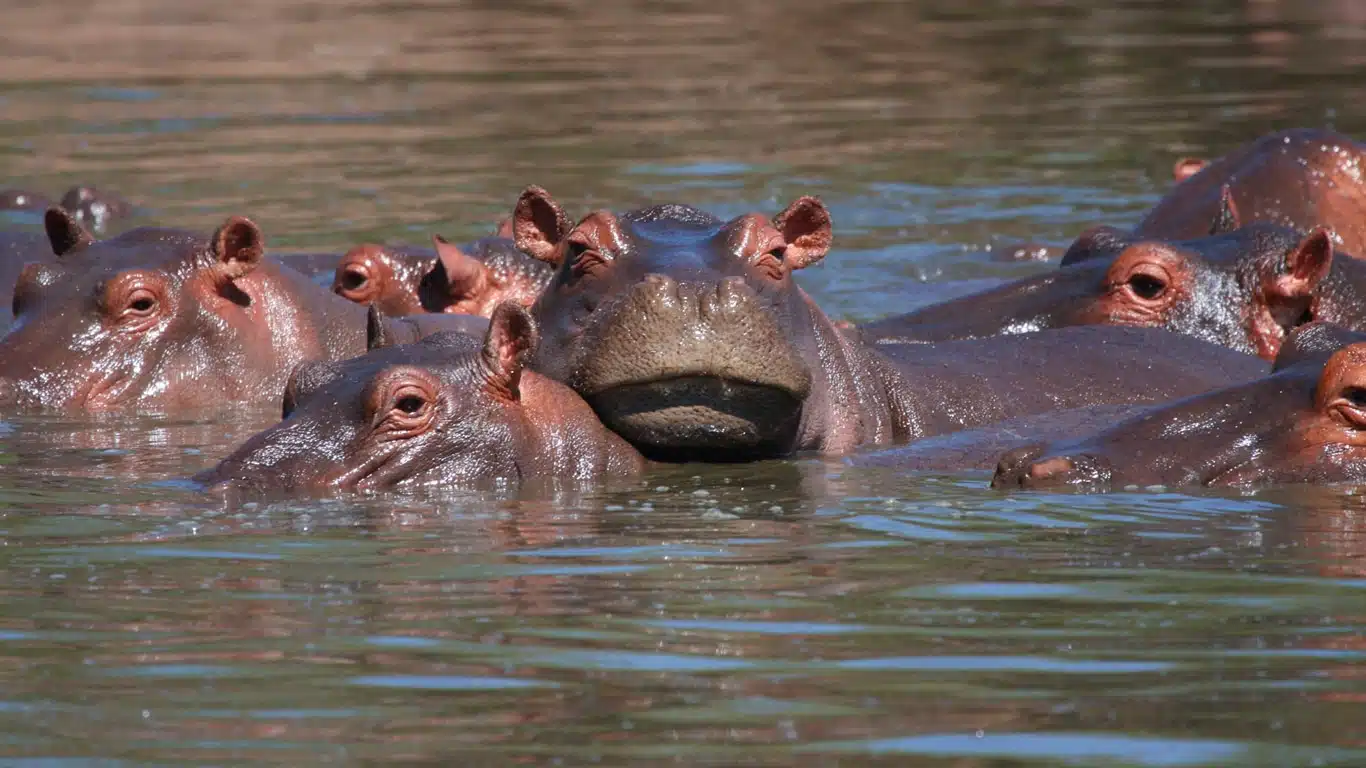
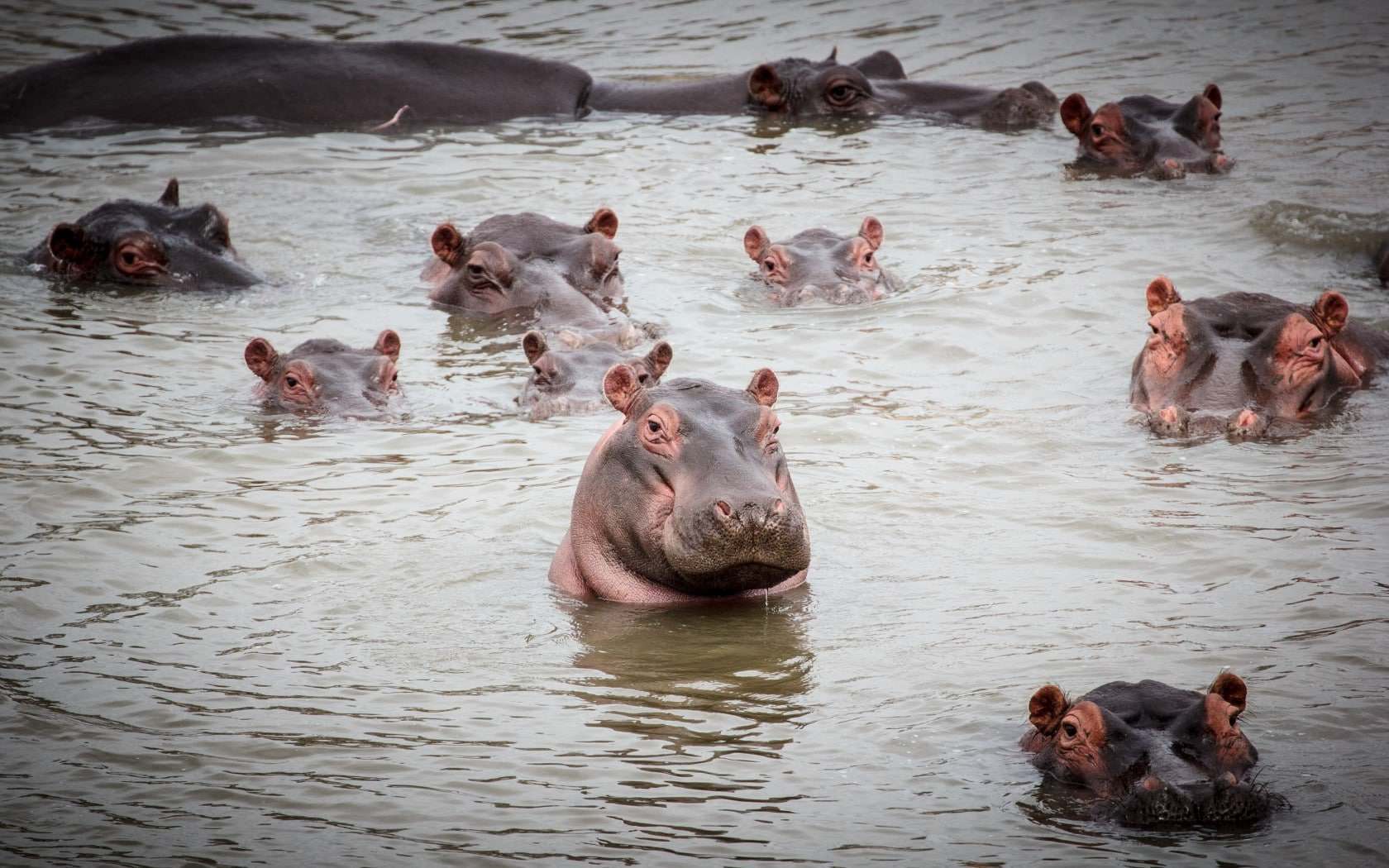
Hippos are among the river’s most iconic residents. Massive and formidable, they spend much of the day submerged in the murky waters, with only their eyes and nostrils visible. Though they may appear slow and docile, hippos are fiercely territorial and play a crucial role in shaping the river ecosystem. They graze on the surrounding grasslands at night, sometimes traveling kilometers to find fresh pastures. Their movements through the river redistribute nutrients, enriching aquatic plants and supporting fish populations. Hippos create deep pools and channels, subtly altering the river’s structure over time, demonstrating their integral role in the Mara’s ecosystem.
The Stealth of Nile Crocodiles
Beneath the water’s surface lurk Nile crocodiles, the Mara River’s ultimate predators. Patient and precise, crocodiles wait for the perfect moment to strike, often targeting wildebeest and zebras attempting crossings. These encounters are some of the most dramatic in the natural world, with crocodiles capable of dragging large animals under in seconds. While terrifying to witness, crocodiles are essential to the ecological balance. They regulate herbivore populations and influence herd movement, ensuring the plains remain healthy and sustainable. Observing a herd navigate a crocodile-filled river is a raw lesson in survival and strategy.
Fish and Aquatic Life
The Mara River supports a wide variety of fish species, including tilapia and catfish, which are critical components of the aquatic food web. Fish attract birds like African fish eagles, kingfishers, and herons, creating dynamic feeding displays along the riverbanks. Small fish and juveniles are particularly important, forming a link between the river’s plant life and larger predators. Their constant movement adds energy and rhythm to the river, complementing the dramatic events of the wildebeest crossings.
Birds and Waterfowl
The Mara River’s birdlife is equally spectacular. Fish eagles soar overhead, scanning for prey, while herons and storks wade through shallows hunting fish and amphibians. Kingfishers dart back and forth, their bright plumage a flash of color against the river’s muted tones. Birds take advantage of both the natural bounty of the river and the chaos created by migration crossings, creating feeding frenzies that are a delight to observe. These avian predators add color, movement, and sound, enriching the river’s vibrant ecosystem.
Swimming Hippos and River Crossings
Amphibians, Turtles, and Reptiles
Amphibians and reptiles thrive along the Mara’s banks and in calmer pools. Frogs and toads breed in seasonal floodplains, filling the nights with croaks that signal the river’s health. Turtles navigate quieter channels, basking in the sun and feeding on aquatic plants. While small, these species are essential, linking the aquatic and terrestrial ecosystems and providing sustenance for birds, fish, and even mammals. Their presence demonstrates the Mara River’s incredible biodiversity.
Mammals Beyond the Migration
While the Great Migration draws the most attention, the Mara River attracts a variety of other mammals year-round. Elephants and buffalo use the river as a drinking and crossing point, their immense size a powerful reminder of nature’s scale. Predators such as lions and leopards patrol the banks, waiting for the opportune moment to hunt. Smaller mammals like baboons, warthogs, and antelopes also frequent the river, carefully balancing their need for water with the risk of predation. Every creature contributes to the Mara River’s complex web of life.
The River’s Influence on Migration
The Mara River does more than provide water; it shapes migration behavior itself. Wildebeest rely on instinct and environmental cues, including the river’s depth and the presence of predators, to determine when and where to cross. Crocodiles waiting in ambush influence herd strategy, while hippos can block shallow areas, forcing herds to adjust their paths. Each crossing is unique, reflecting changes in water levels, herd size, predator activity, and seasonal conditions. The river orchestrates a delicate balance between risk and survival.
Swimming Hippos and River Crossings
Seasonal Changes and Ecosystem Dynamics
The Mara River transforms with the seasons. During the wet season, floods expand its channels and create temporary pools, providing breeding grounds for fish and amphibians and attracting migratory birds. In the dry season, the river becomes a lifeline, concentrating wildlife at its banks. Hippos dominate the remaining deep pools, crocodiles lie in wait, and animals gather cautiously at the edge. Seasonal fluctuations influence not only the river’s physical structure but also the behavior of every species that depends on it.
Conservation and Community Engagement
Protecting the Mara River is essential for maintaining the Mara-Serengeti ecosystem. Conservation initiatives focus on safeguarding riverbanks, maintaining water quality, and supporting sustainable fishing practices. Local communities play a vital role, balancing livelihoods with wildlife preservation. Educational programs and ecotourism help raise awareness of the river’s importance, ensuring that future generations can witness the same migration spectacles that have inspired travelers for decades.
Experiencing the Mara River
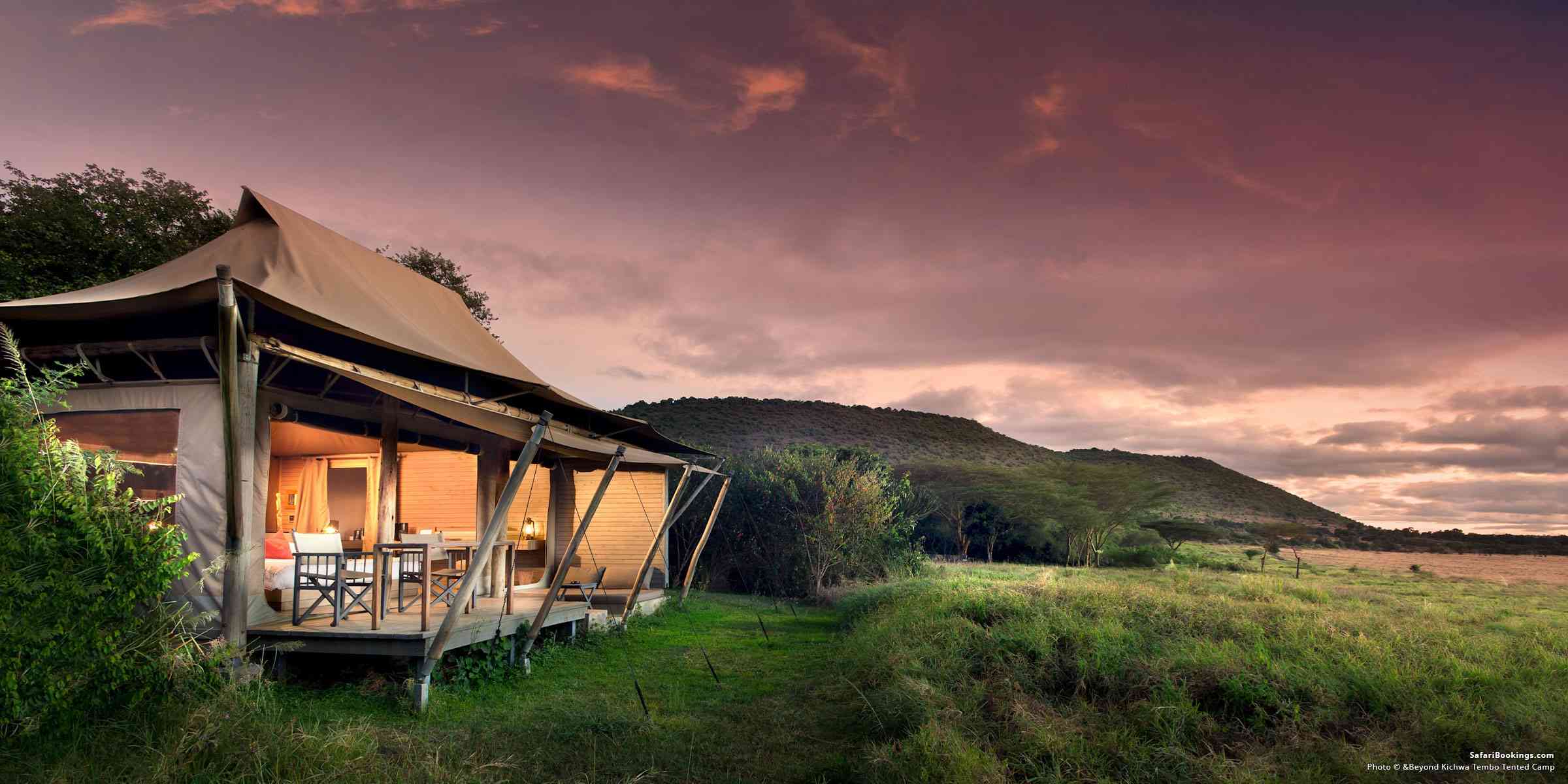
Visiting the Mara River is an immersive experience. Early mornings and late afternoons provide dramatic lighting as the sun casts golden hues across the water. The soundscape is rich: hippos bellow, birds call, and the distant thud of hooves signals another herd crossing. Photography enthusiasts find endless opportunities, from capturing the raw power of hippos to snapping a crocodile ambush or a bird diving for fish. Guides help visitors safely navigate the riverbanks and maximize wildlife sightings without disturbing the delicate ecosystem.
The Mara River’s Vital Role
The Mara River is more than a river; it is a pulse that sustains the ecosystem. Its waters nourish wildlife, fertilize surrounding plains, and create habitats for countless species. From massive hippos and stealthy crocodiles to darting fish, amphibians, and birds, the river is a stage where survival, drama, and the beauty of nature unfold daily. It reminds travelers that the Great Migration is not just a spectacle on the plains—it is intimately connected to the river’s flow, its seasonal rhythms, and the life it supports.
Final Thoughts
The Mara River is an ecosystem in motion, a lifeline, and a theatre of life and death. Each crossing, each bellow of a hippo, each swoop of a bird, tells a story of survival and interconnection. It is a place where the drama of the Great Migration meets the subtle rhythms of daily river life. For safari-goers, photographers, and wildlife enthusiasts, the Mara River offers an unforgettable glimpse into one of the most extraordinary and dynamic natural environments on the planet. It is both a destination and a lesson: life is interconnected, fragile, and constantly in motion.
Witnessing the Mara River is more than observing hippos or crocodiles; it is about experiencing the heartbeat of the Mara-Serengeti ecosystem, a pulse that has sustained life across millennia and continues to captivate travelers from around the world.