Safari Photography in East Africa: Capturing the Wild
Safari photography in East Africa offers some of the most stunning opportunities for both amateur and professional photographers. The region’s diverse landscapes, from misty forests and volcanic mountains to golden savannahs and winding rivers, create the perfect backdrop for capturing wildlife in its natural environment. Countries such as Uganda, Rwanda, Kenya, and Tanzania provide unique photography experiences, whether you’re tracking mountain gorillas, observing chimpanzees, or witnessing the Great Migration.
Photography on safari is more than snapping pictures; it’s about storytelling and documenting the incredible behavior, social interactions, and habitats of Africa’s wildlife. Each park, season, and species presents different challenges and rewards, making preparation, equipment, and timing crucial for successful wildlife photography.
Gorilla Photography
**Bwindi Impenetrable National Park and Volcanoes National Park are the ultimate destinations for gorilla photography. The dense forests and misty environment create dramatic scenes, while habituated gorilla families allow for close encounters under strict guidelines.
Silverbacks, playful youngsters, and nurturing mothers offer diverse photographic subjects. Photographers are advised to use zoom lenses to maintain the minimum distance required for gorilla safety and to avoid flash photography, which can disturb the animals. Patience is essential; gorillas move through the forest, and the most captivating moments often occur unexpectedly, requiring readiness and attentiveness.
Chimpanzee Photography
**Kibale National Park and Nyungwe National Park provide dynamic opportunities for capturing chimpanzees in action. Chimpanzees are highly social and mobile, and their vocalizations, play, and interactions with other primates offer compelling photographic subjects.
Wide-angle lenses capture the forest environment and social groups, while telephoto lenses are ideal for observing individuals without intrusion. Early morning light often filters through the forest canopy, creating natural backlighting that enhances photographs. Trekking requires mobility and careful positioning to capture the best angles without disturbing the animals.
Savanna Wildlife Photography
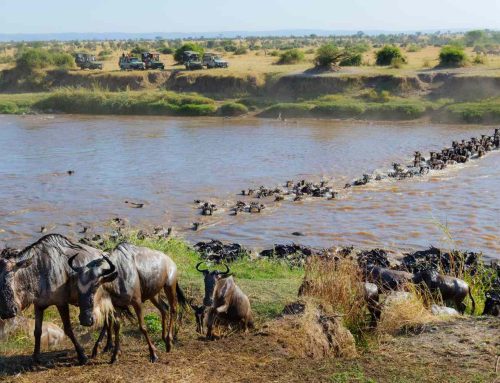
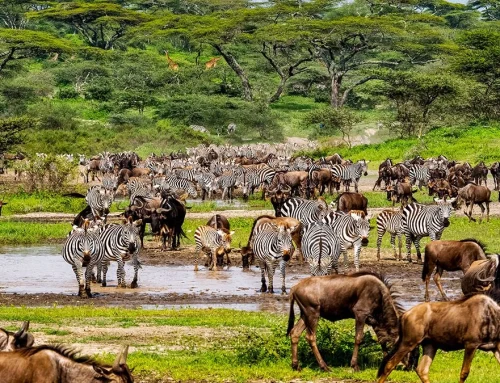
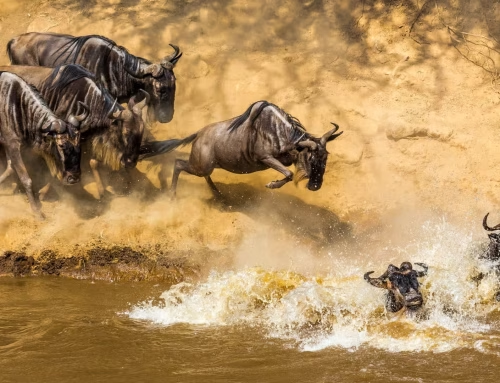
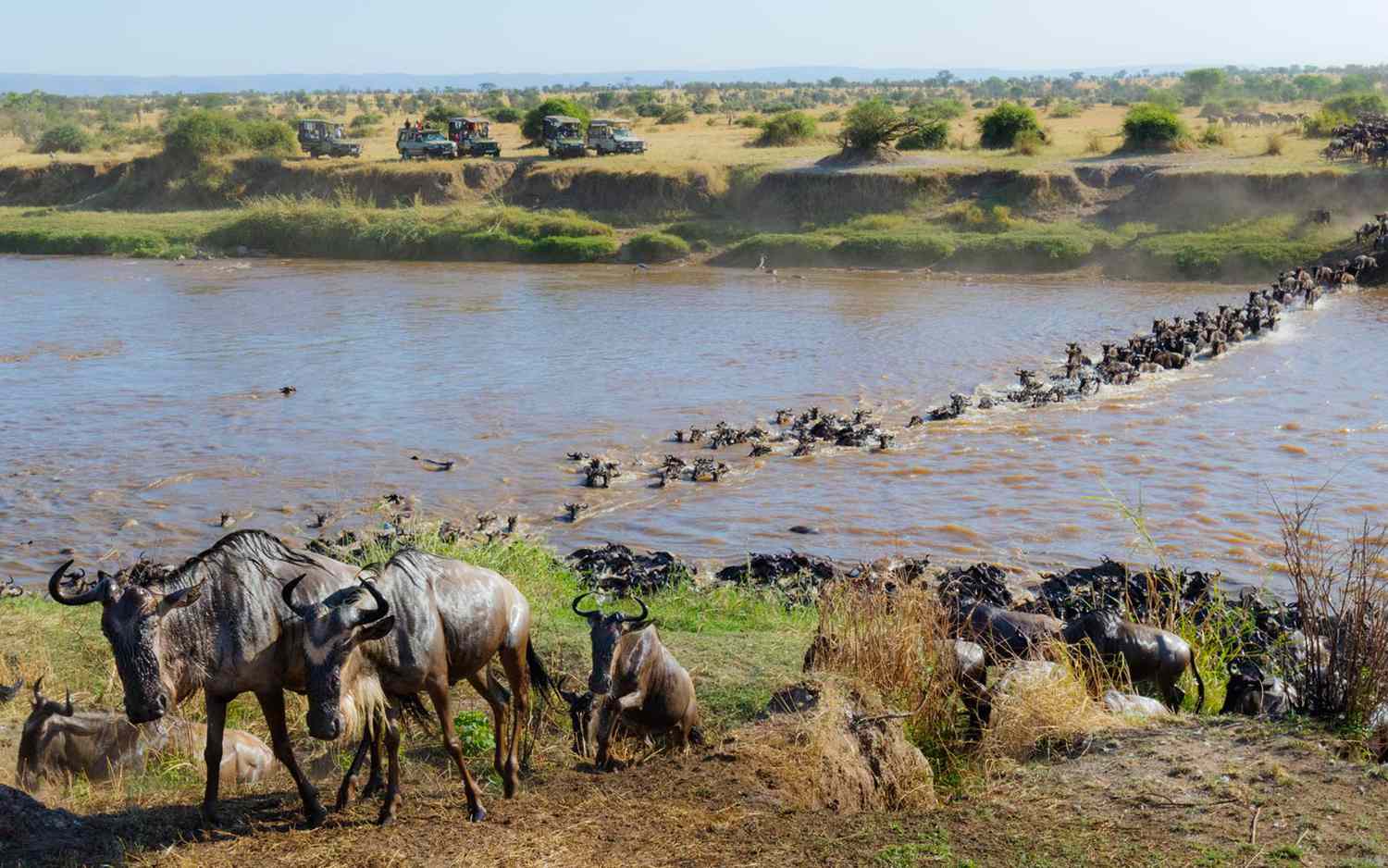
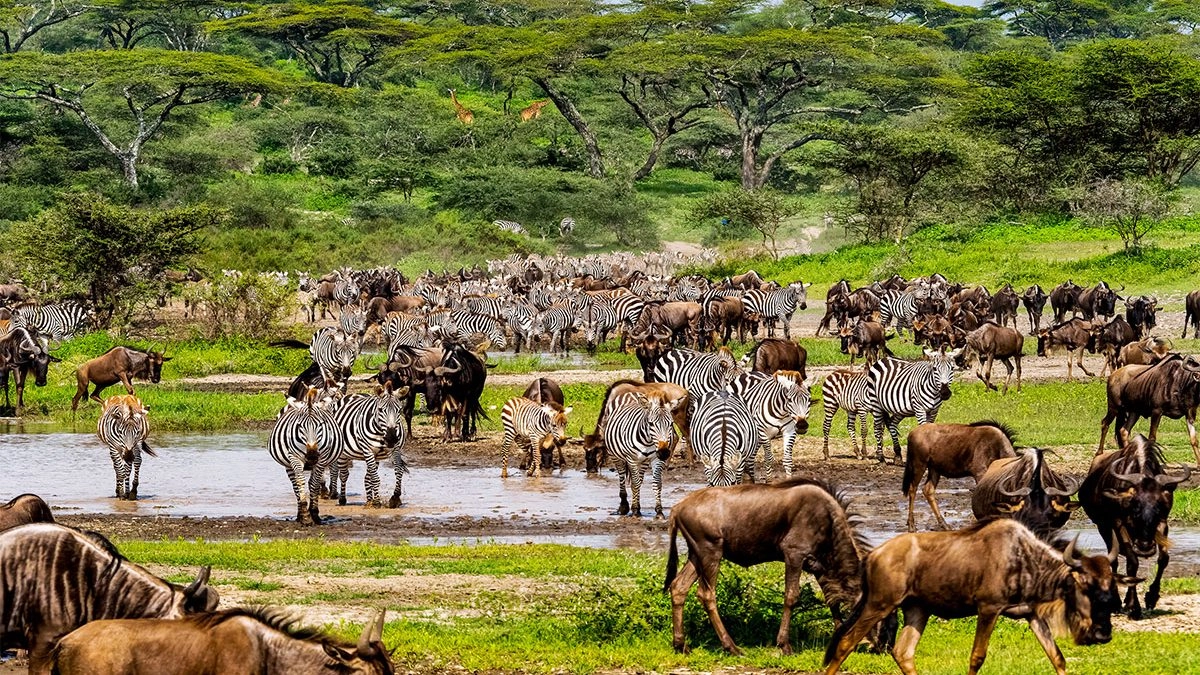
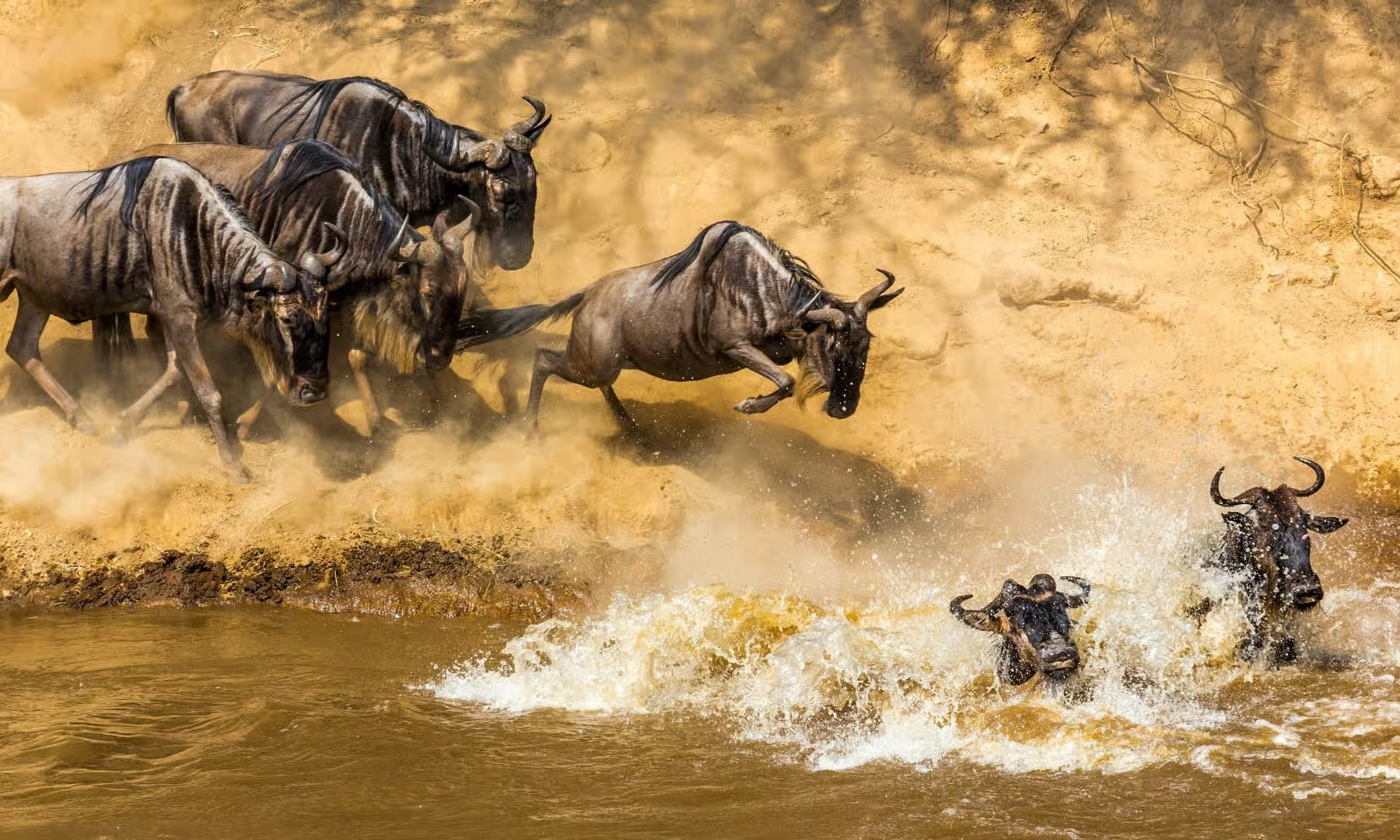
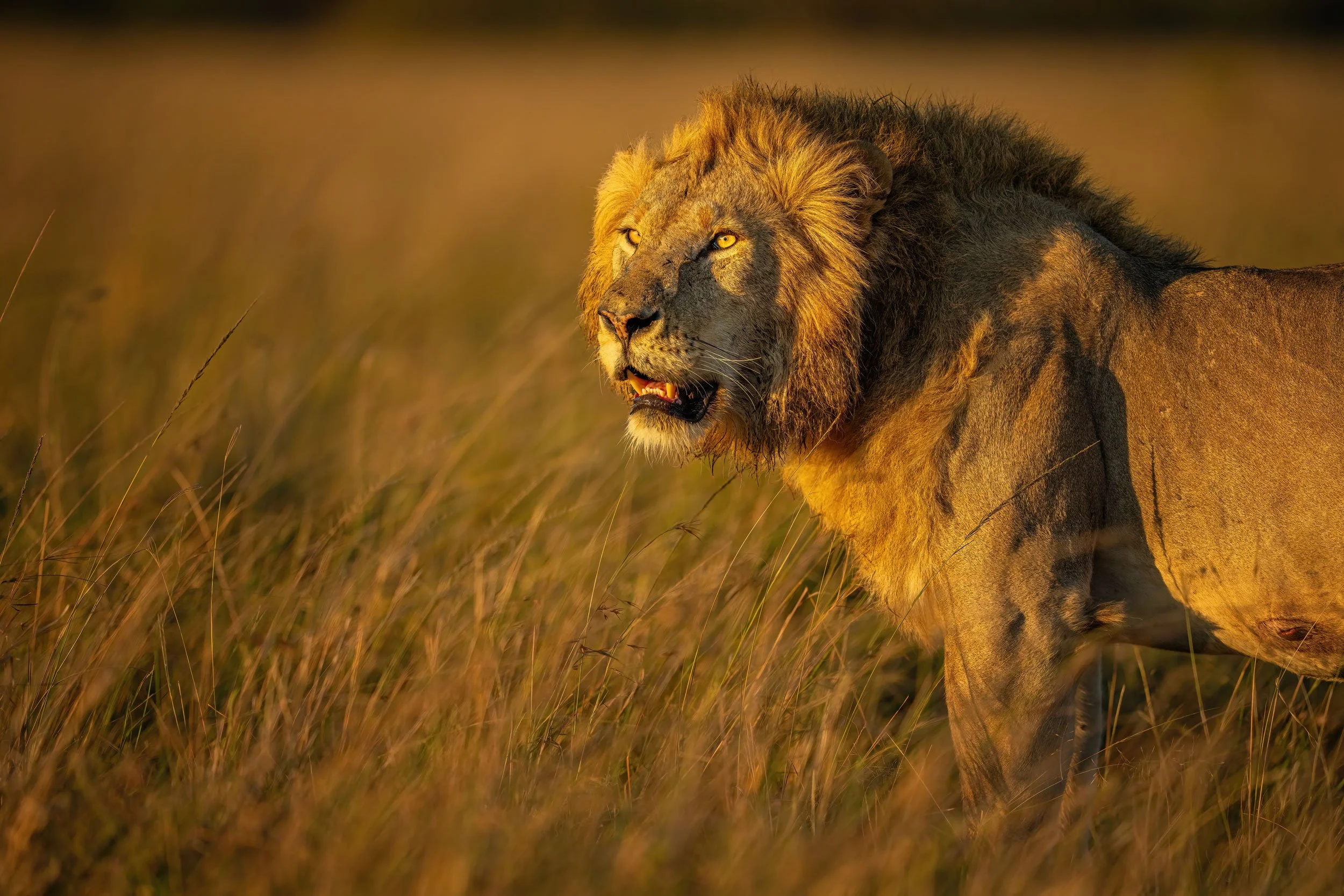
East Africa’s savannahs—particularly in **Masai Mara, **Serengeti National Park, and Akagera National Park—offer iconic wildlife photography. Lions lounging on the plains, elephants crossing rivers, cheetahs sprinting after prey, and giraffes silhouetted against sunsets are quintessential safari shots.
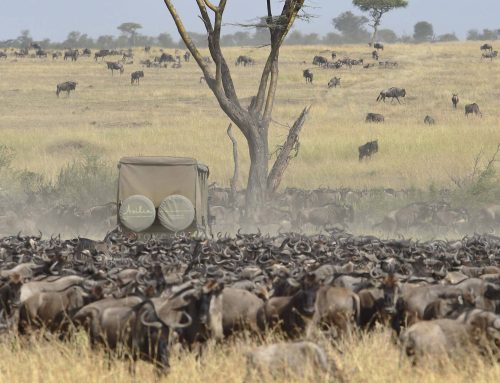
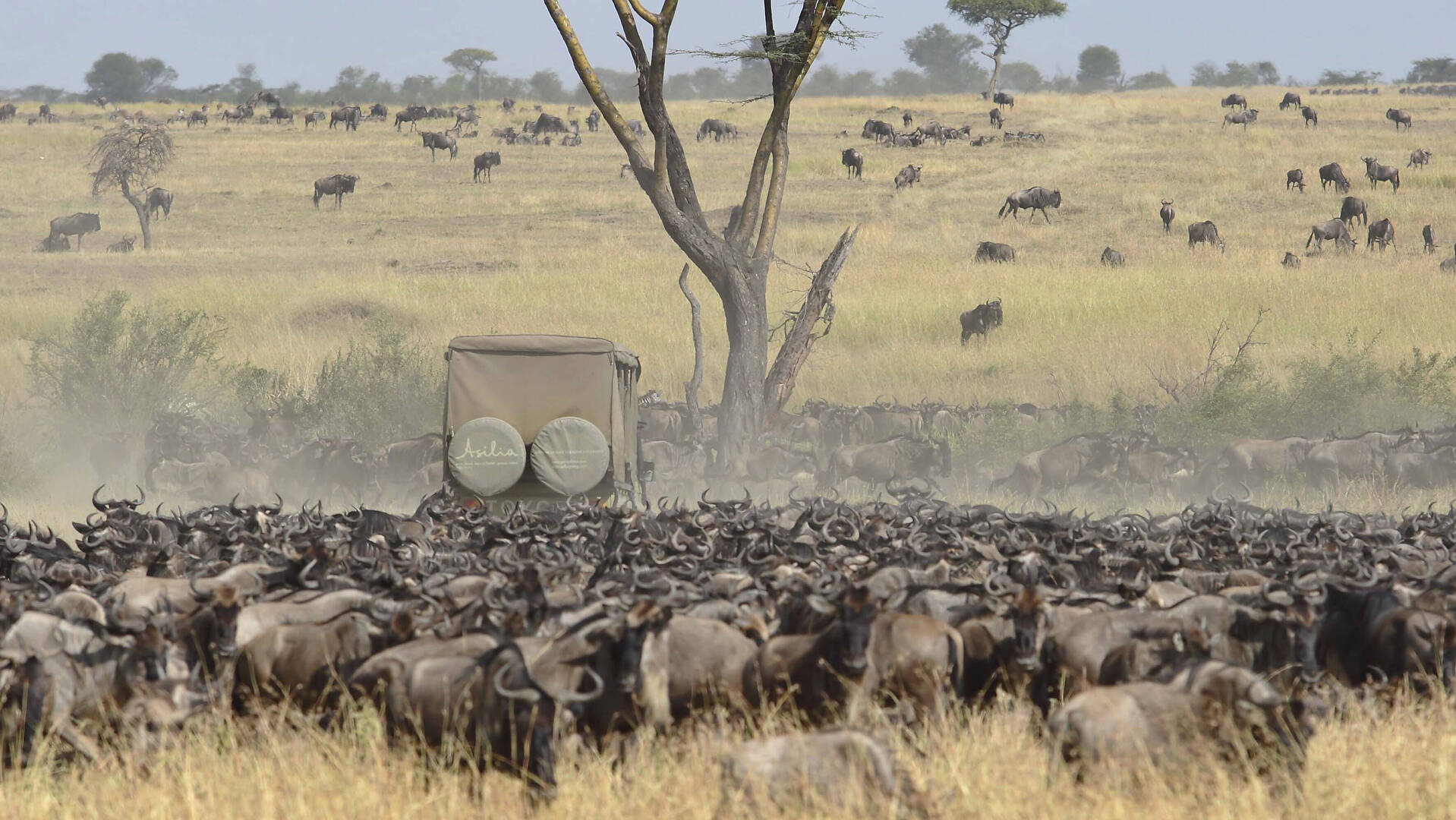
Game drives in 4×4 vehicles allow close access to animals while maintaining safety. Photographers benefit from vehicle-mounted stability, low angles, and strategic positioning along waterholes, ridges, and open plains. Sunrise and sunset provide soft, golden lighting, enhancing colors and contrasts in landscapes and wildlife compositions.
Bird Photography
East Africa is a birdwatcher’s paradise, with over a thousand species across forests, wetlands, and savannahs. Brightly colored turacos, kingfishers, hornbills, and waterbirds offer spectacular photography opportunities. Forest birds in Bwindi, Nyungwe, and Kibale require patience and longer lenses, while wetlands and rivers allow for wider compositions and action shots.
Photographers should bring monopods or tripods for stability, particularly in low-light forest conditions, and be prepared for rapid movements. Understanding bird behavior helps anticipate perching and feeding moments, increasing the likelihood of capturing striking images.
Equipment Recommendations
Successful safari photography requires suitable equipment. Telephoto lenses (200–600mm) are essential for capturing distant wildlife, while wide-angle lenses highlight landscapes, large herds, or forest contexts. Cameras with fast autofocus, high ISO performance, and weather-sealed bodies are ideal for the diverse conditions encountered in East Africa.
Accessories such as spare batteries, memory cards, lens cleaning kits, and protective camera bags are critical. For gorilla and chimpanzee photography, lightweight, mobile setups are preferable due to trekking demands. Monopods, tripods, and bean bags assist with stabilization during game drives.
Photography Techniques
Patience and observation are key. Capturing behavioral moments, interactions, and natural expressions often yields the most compelling images. Early morning and late afternoon light provide optimal conditions, while midday may require adjustments for harsh shadows. Composition techniques, such as framing, leading lines, and selective focus, enhance storytelling.
For primates, maintaining a safe distance is paramount. Observing social behavior and anticipating movement increases the chance of capturing dynamic shots. In savannah settings, positioning near waterholes, elevated terrain, or open plains improves visibility and creates opportunities for dramatic wildlife photography.
Safety and Ethical Considerations
Photography should never compromise safety or animal welfare. Maintaining distance, following guide instructions, and avoiding loud noises or flashes protects both photographers and wildlife. Respecting park regulations and ethical guidelines ensures sustainable and responsible photography practices.
Photographers should also consider environmental conditions, such as slippery trails, unstable ground, or extreme temperatures. Staying hydrated, using insect repellent, and dressing appropriately allows for extended photography sessions without compromising safety or comfort.
Combining Photography with Safari Planning
Incorporating photography into safari planning maximizes both wildlife encounters and image quality. Choosing the right season, parks, and time of day ensures optimal lighting, animal activity, and landscape beauty. Guided tours with experienced drivers and trackers enhance photographic opportunities by anticipating animal movement and behavior.
Combining primate trekking with savannah game drives allows photographers to capture a diverse range of species, habitats, and behaviors. Structured itineraries that balance morning and evening drives, forest treks, and cultural visits provide a rich photographic experience across East Africa.
Safari photography in East Africa offers an unparalleled opportunity to capture the continent’s wildlife, landscapes, and vibrant biodiversity. From the intimate expressions of gorillas and chimpanzees to the dramatic action of savannah predators, each photographic moment tells a story of nature’s complexity and beauty.
Proper planning, the right equipment, and ethical practices ensure both high-quality images and safe, responsible encounters with wildlife. By integrating photography into safari itineraries, travelers can preserve memories of extraordinary encounters, contribute to conservation awareness, and leave East Africa with images that inspire and captivate.