What Makes the Ngorongoro Crater a Unique Safari Destination?
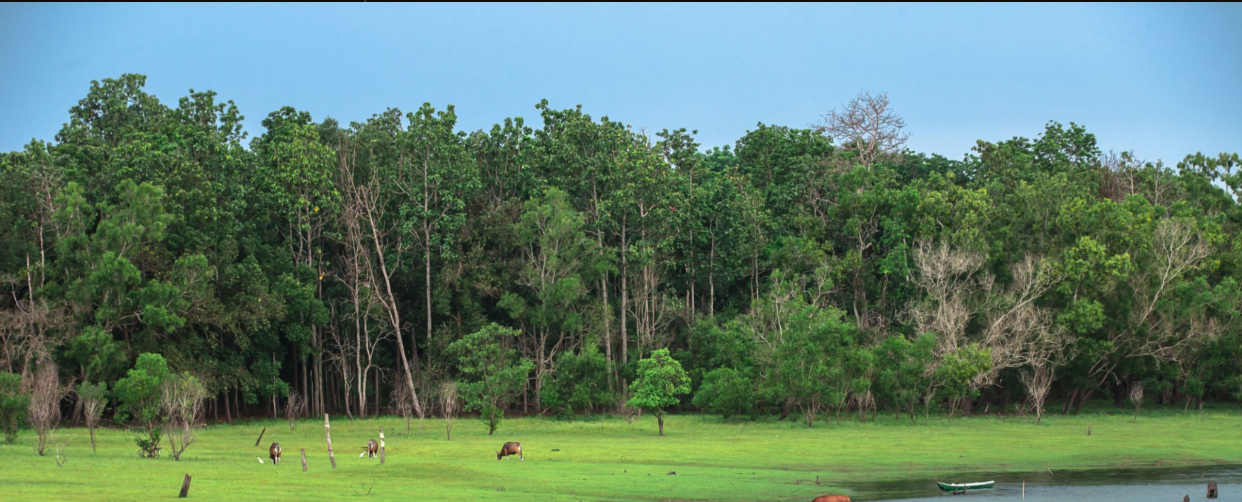
Nature’s Perfect Wildlife Sanctuary, The Ngorongoro Crater in Tanzania is one of Africa’s most spectacular natural wonders and a premier safari destination. Often referred to as the “Eighth Wonder of the World,” this UNESCO World Heritage Site is the largest intact volcanic caldera on Earth, teeming with an extraordinary concentration of wildlife. Unlike other safari destinations, the Ngorongoro Crater offers a self-contained ecosystem where animals thrive within its steep walls, creating an unparalleled wildlife viewing experience.
From its geological marvels to its rich biodiversity and cultural heritage, the Ngorongoro Crater stands out as a must-visit destination for any safari enthusiast. This article explores the key factors that make it a truly unique and unforgettable safari experience.
1. A Geological Wonder: The World’s Largest Intact Nature’s Perfect Wildlife Sanctuary
Formation and Structure
The Ngorongoro Crater was formed approximately 2-3 million years ago when a massive volcano, believed to have been taller than Mount Kilimanjaro, collapsed inward after a violent eruption. What remains today is a vast, unbroken caldera spanning about 260 square kilometers (100 square miles), with walls rising up to 600 meters (1,968 feet) high.
Unlike other craters that have eroded or filled with water, Ngorongoro’s structure remains intact, creating a natural enclosure that sustains a thriving ecosystem. The crater floor consists of grasslands, swamps, forests, and a soda lake (Lake Magadi), providing diverse habitats for wildlife.
Why It’s Unique for Nature’s Perfect Wildlife Sanctuary
-
Self-Sustaining Ecosystem: The crater’s walls act as a natural barrier, keeping most animals inside and creating a high-density wildlife haven.
-
Microclimate Variations: The elevation differences between the crater rim and floor create distinct microclimates, supporting a variety of flora and fauna.
-
Geological Rarity: There is no other place on Earth where such a large, unflooded caldera exists with such an abundance of wildlife.
2. Unparalleled Wildlife Density and Diversity
Big Five and Beyond
The Ngorongoro Crater is one of the few places in Africa where visitors can see the Big Five (lion, leopard, elephant, buffalo, and rhino) in a single day. The crater’s enclosed nature means animals do not migrate far, making wildlife sightings incredibly reliable.
-
Lions: The crater has one of the highest densities of lions in the world, with prides often seen lounging in the grasslands.
-
Black Rhinos: Ngorongoro is one of the last strongholds for the critically endangered black rhino in Tanzania.
-
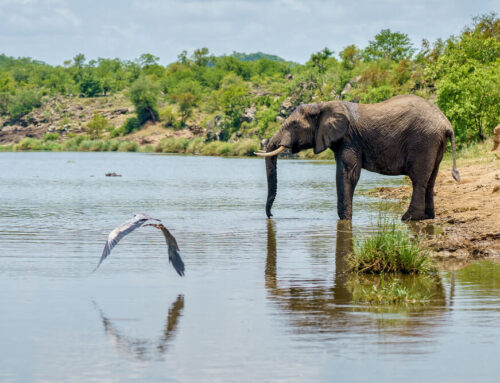
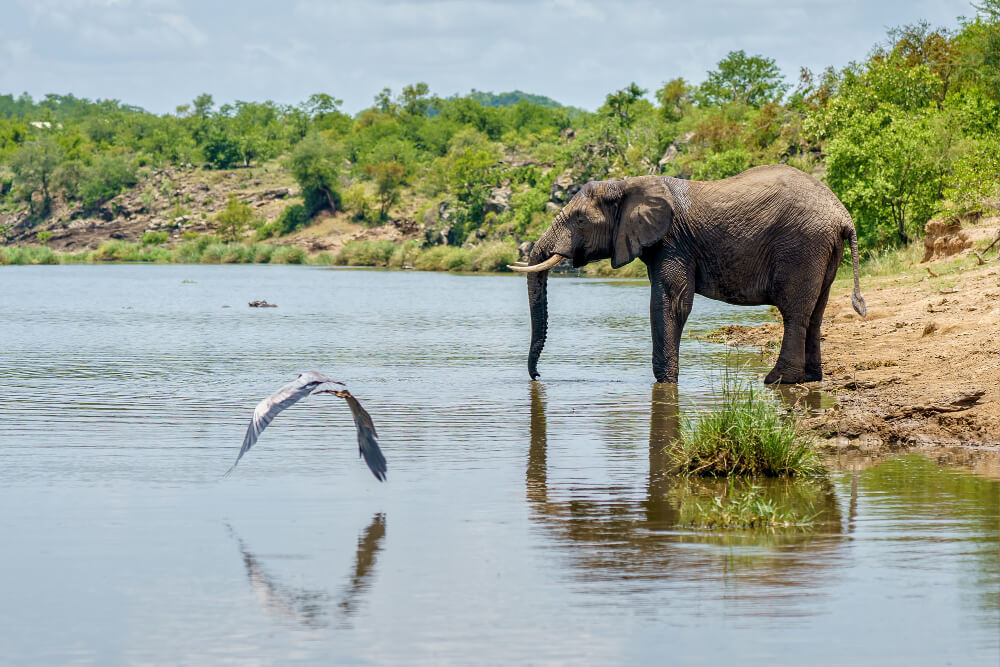
Elephants: While mostly male elephants roam the crater (females prefer the forests on the rim), they are still a common sight.
-
Buffalo and Leopards: Large herds of buffalo graze the plains, while leopards lurk in the Lerai Forest.
Other Wildlife Highlights for Nature’s Perfect Wildlife Sanctuary
-
Hippos: Found in the freshwater pools and swamps.
-
Flamingos: Thousands gather at Lake Magadi, creating a stunning pink spectacle.
-
Hyenas and Cheetahs: The crater supports healthy populations of these predators.
-
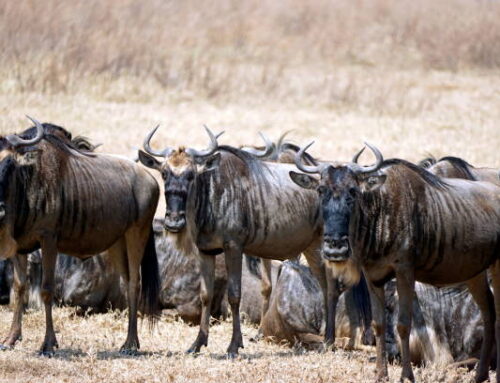
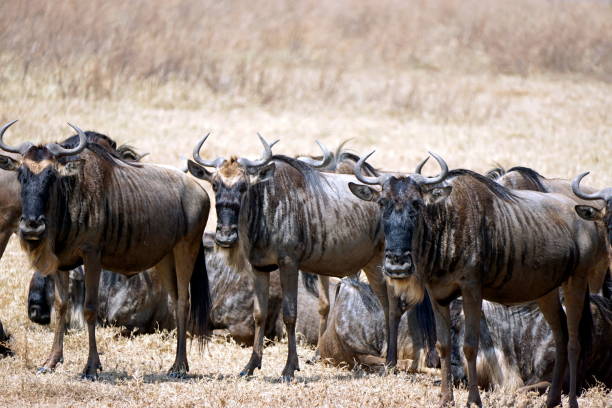
Wildebeest and Zebras: Over 7,000 wildebeest and 4,000 zebras reside in the crater, along with gazelles and other antelopes.
Birdlife
With over 500 bird species, Ngorongoro is a birdwatcher’s paradise. Notable species include:
-
Kori Bustard (Africa’s heaviest flying bird)
-
Secretary Bird
-
Ostriches
-
Egyptian Vultures
3. A Year-Round Safari Destination
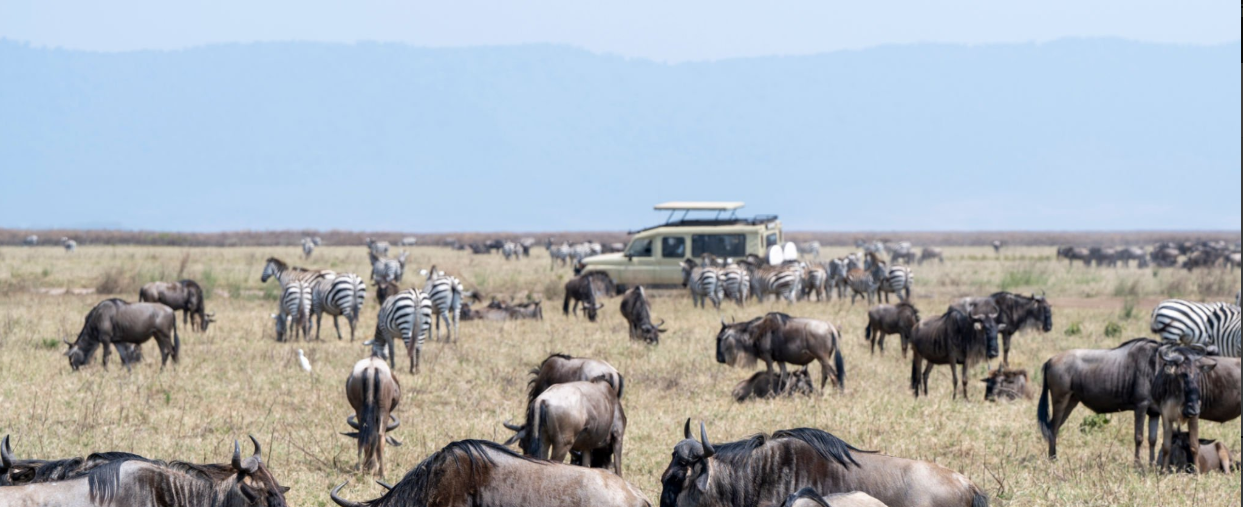
Unlike the Serengeti, where wildlife movements are seasonal, Ngorongoro offers consistent game viewing year-round due to its enclosed nature.
-
Dry Season (June-October): Best for general wildlife viewing as animals gather around water sources.
-
Wet Season (November-May): Lush greenery, fewer tourists, and excellent birdwatching.
The crater’s high altitude also keeps temperatures mild, making it comfortable for safaris at any time of year.
4. The Cradle of Human History: Olduvai Gorge
Just outside the Ngorongoro Conservation Area lies Olduvai Gorge, one of the most important paleoanthropological sites in the world.
-
Discovery of Early Humans: Fossils of Homo habilis and Australopithecus were found here, earning it the nickname “The Cradle of Mankind.”
-
Museum Visits: Tourists can explore the Olduvai Gorge Museum to learn about human evolution.
This adds a fascinating historical dimension to a Ngorongoro safari, blending wildlife with ancient human heritage.
5. The Maasai: A Living Cultural Heritage
The Ngorongoro Conservation Area is unique because it is a multiple-use land, where wildlife coexists with the semi-nomadic Maasai people.
-
Traditional Lifestyle: The Maasai herd cattle, goats, and sheep, living in harmony with wildlife.
-
Cultural Visits: Tourists can visit Maasai villages (bomas) to learn about their customs, dances, and way of life.
-
Controlled Grazing: The Maasai are permitted to graze livestock in certain areas, maintaining a delicate balance with conservation efforts.
This cultural interaction sets Ngorongoro apart from other safari destinations where human presence is minimal.
6. Stunning Scenery and Photography Opportunities
The Ngorongoro Crater is not just about wildlife—it’s also one of the most photogenic landscapes in Africa.
-
Panoramic Views: From the crater rim, the vista of the crater floor is breathtaking, especially at sunrise.
-
Diverse Landscapes: From golden savannahs to acacia woodlands and sparkling lakes, the scenery is ever-changing.
-
Iconic Shots: Photographers can capture lions against the crater walls, flamingos at Lake Magadi, or Maasai warriors in traditional dress.
7. Exclusive and Intimate Safari Experience
While the Serengeti and Maasai Mara attract large crowds, Ngorongoro offers a more exclusive experience.
-
Limited Vehicle Numbers: Strict regulations control the number of safari vehicles in the crater, reducing overcrowding.
-
Luxury Lodges: High-end accommodations on the crater rim (e.g., Ngorongoro Crater Lodge, &Beyond) provide unparalleled views and service.
This ensures a more private and immersive safari compared to busier parks.
8. Conservation Success Story
Ngorongoro is a model for conservation, balancing tourism, wildlife protection, and human activity.
-
UNESCO World Heritage Site: Recognized for its ecological and cultural significance.
-
Wildlife Protection: Anti-poaching efforts have helped preserve rhinos and other endangered species.
-
Sustainable Tourism: Revenue from tourism supports conservation and local communities.
The Ngorongoro Crater is a safari destination like no other. Its geological uniqueness, extraordinary wildlife density, year-round accessibility, human evolutionary significance, Maasai cultural heritage, breathtaking scenery, and exclusive safari experience make it a must-visit for any traveler.
Whether you’re a wildlife enthusiast, a photographer, a history buff, or a cultural explorer, Ngorongoro offers something unmatched anywhere else in the world. It’s not just a safari—it’s a journey into the heart of Africa’s natural and human history.