Masai Mara Conservancies for the Great Migration: Olare, Naboisho, and Ol Kinyei
The Masai Mara is one of the world’s most famous wildlife destinations, largely due to the annual Great Wildebeest Migration. While the Mara River crossings within the main reserve attract crowds of safari vehicles, the private conservancies bordering the reserve — Olare Motorogi, Naboisho, and Ol Kinyei — offer a unique alternative: exclusivity, off-road freedom, and intimate wildlife encounters.
These conservancies have become increasingly popular for travelers seeking quiet, personalized, and up-close migration experiences. Let’s explore what each conservancy offers.
Olare Motorogi Conservancy
Olare Motorogi is one of the most established conservancies in the Mara ecosystem. Covering approximately 37,000 acres, it is co-managed by local Maasai landowners and eco-tourism operators.
Key Features:
- Exclusive Safari Experience: Vehicle numbers are strictly limited, ensuring unobstructed wildlife viewing.
- Off-Road Game Drives: Unlike the national reserve, guides can drive off the main roads for closer encounters.
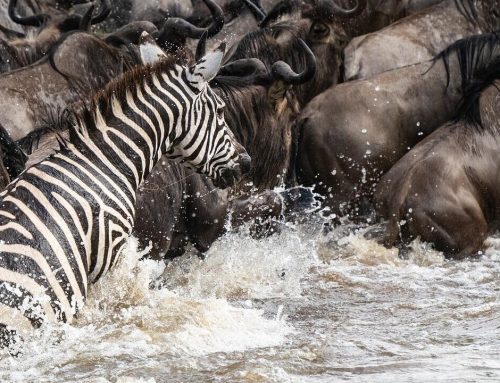
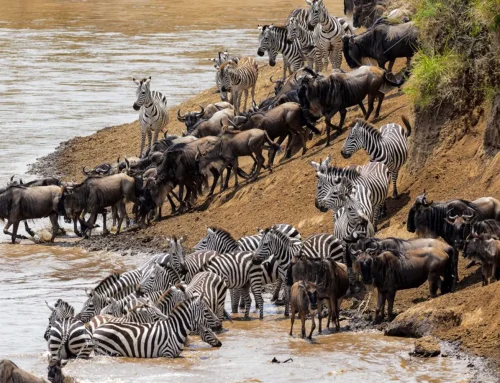
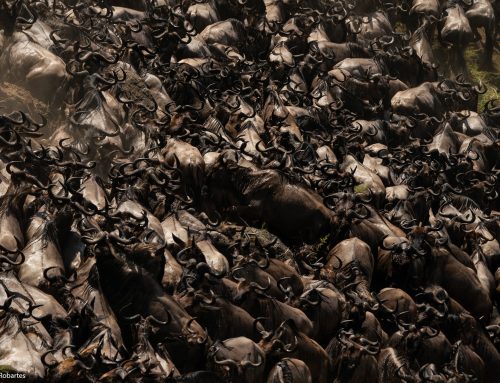
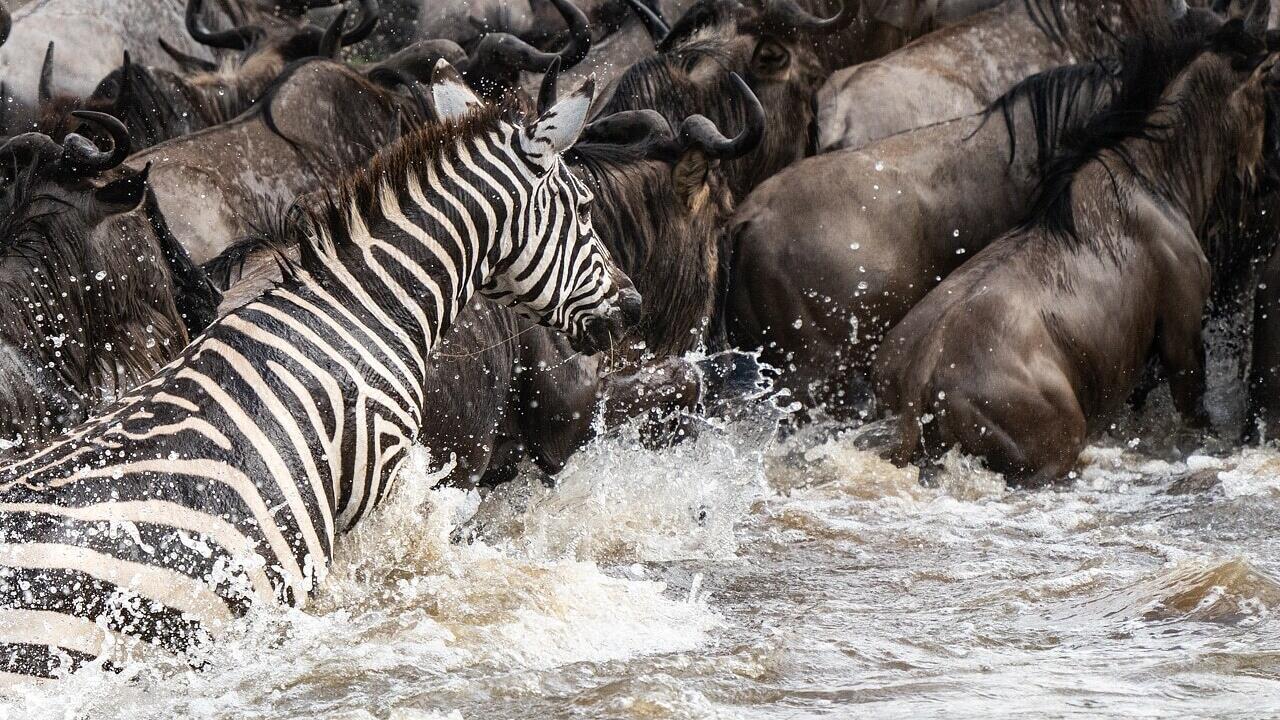
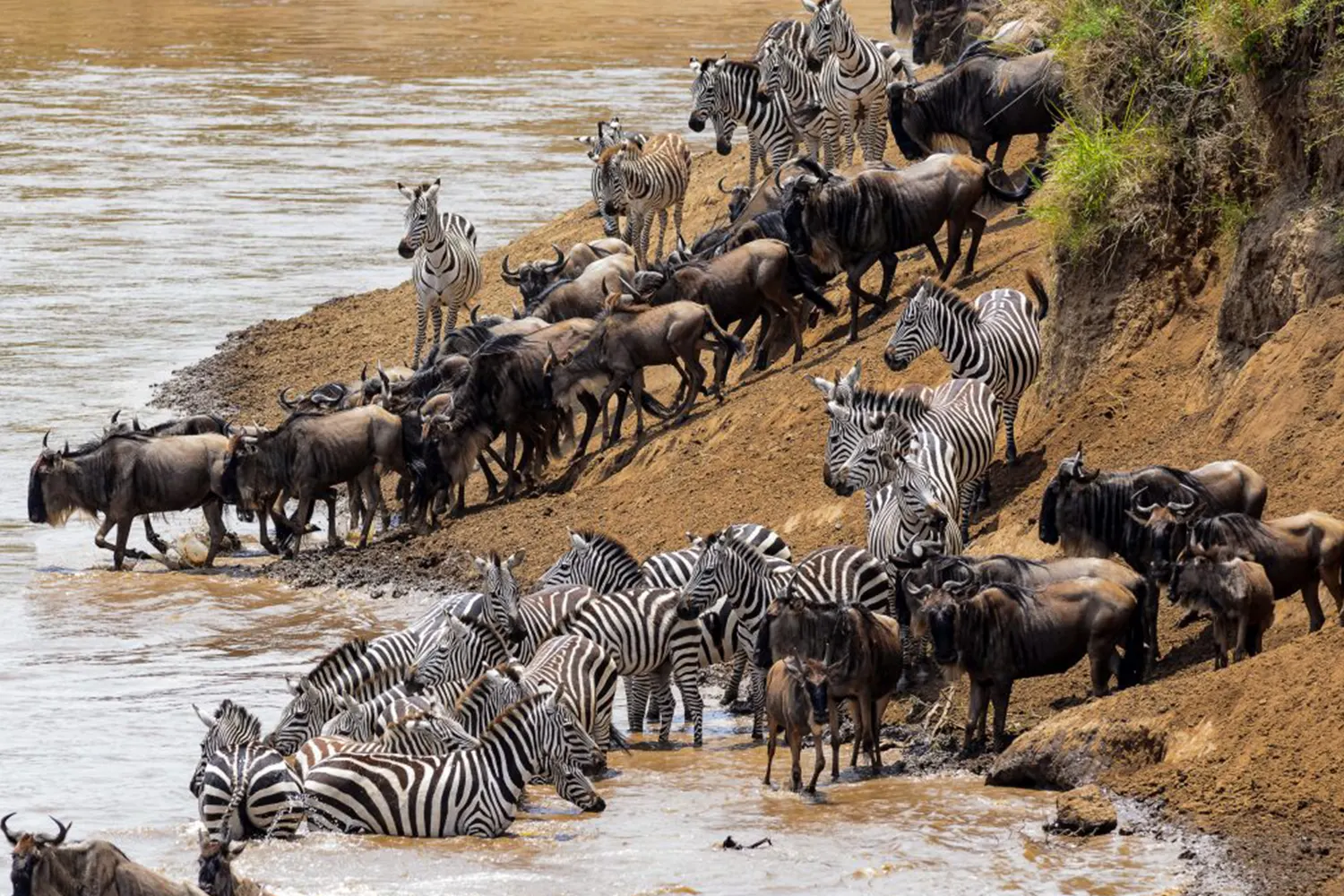
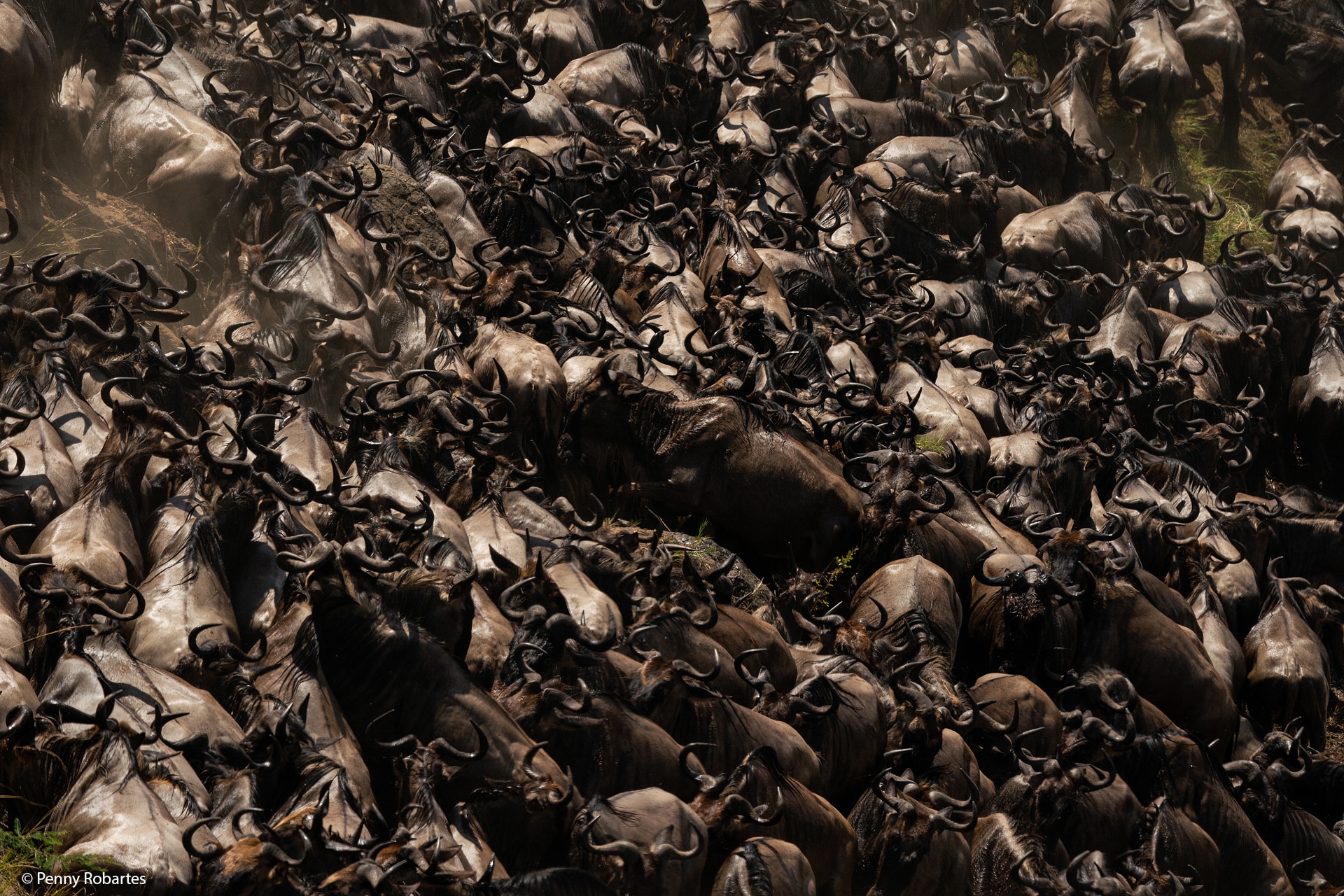
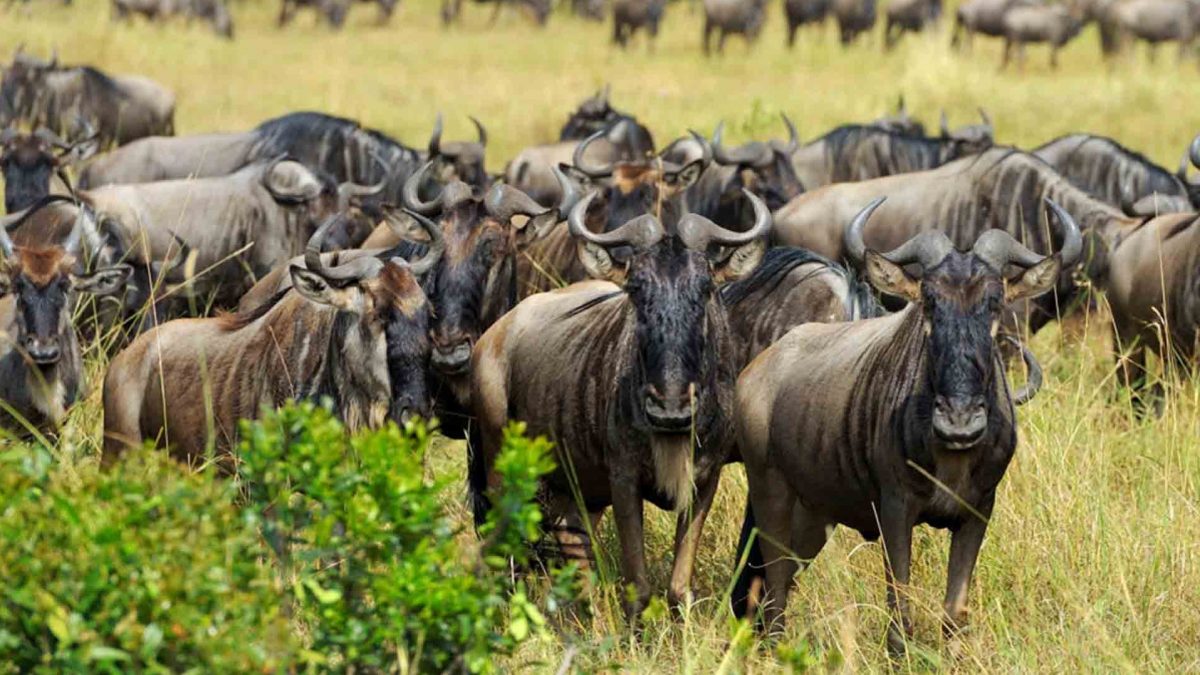
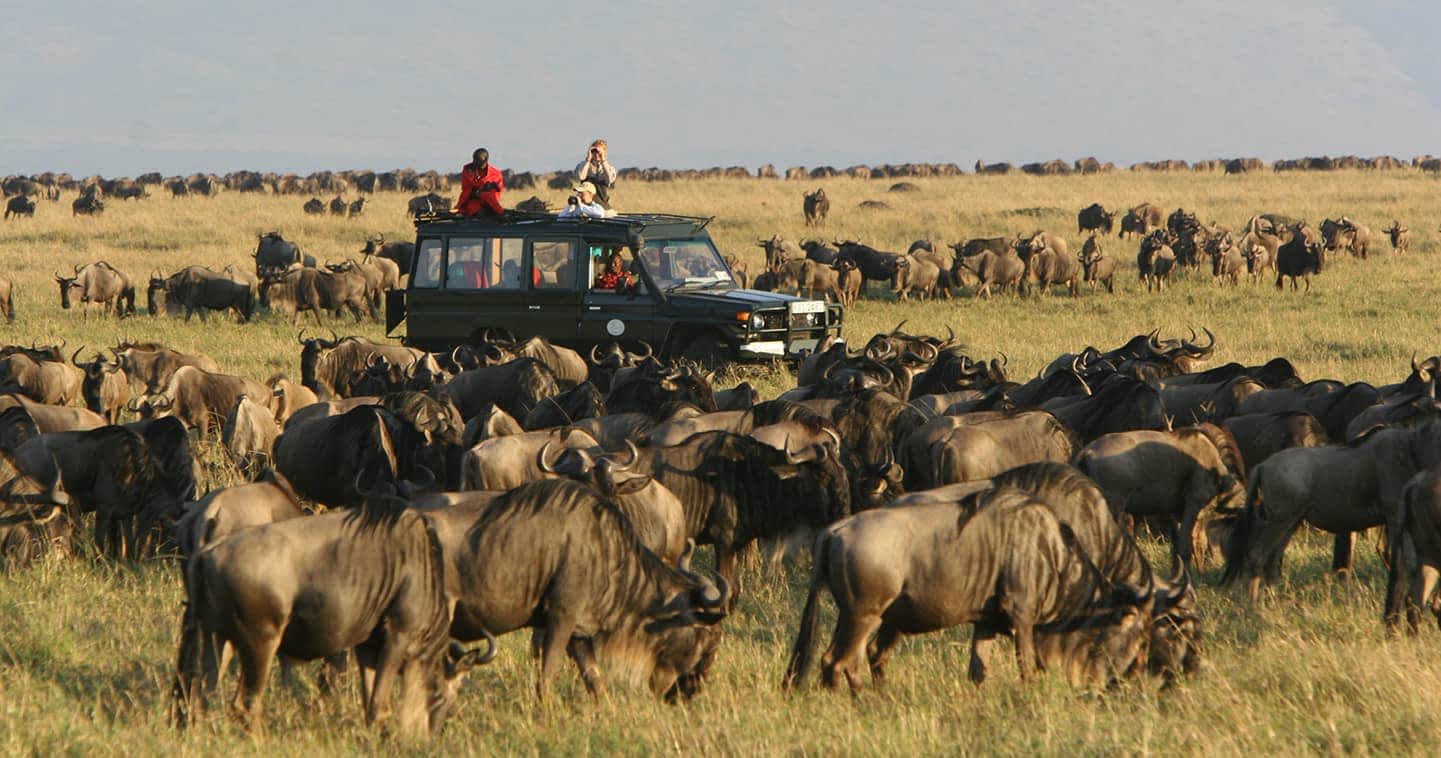
- Great Migration Viewing: During July–October, wildebeest and zebra herds pass through, often with lion or cheetah predators in tow.
- Community Integration: Tourism revenue directly supports Maasai communities, including schools and healthcare projects.
Why Visit Olare Motorogi?
Visitors enjoy panoramic plains with fewer crowds, luxury lodges tucked into the landscape, and close-up predator-prey interactions. It is perfect for photographers and travelers seeking privacy.
Masai Mara Conservancies for the Great Migration
Naboisho Conservancy
Naboisho Conservancy spans roughly 50,000 acres and borders the southern Masai Mara. It is known for high predator densities and premium safari experiences.
Key Features:
- Controlled Tourism: Only a small number of vehicles are allowed per sighting, reducing crowding significantly.
- Migration Timing: Herds typically move through Naboisho from July to October, coinciding with Mara River crossings.
- Diverse Wildlife: Besides wildebeest, the conservancy hosts elephants, buffalo, lions, leopards, and cheetahs.
- Cultural Engagement: Visitors can meet Maasai communities and learn about pastoral life.
Why Visit Naboisho?
This conservancy is ideal for travelers who want high predator action and the chance to witness dramatic hunting scenes during the migration. Luxury tented camps provide intimate access to wildlife.
Ol Kinyei Conservancy
Ol Kinyei, covering approximately 33,000 acres, is a private, community-managed conservancy that lies on the western edge of the Masai Mara ecosystem.
Key Features:
- Exclusive Access: Vehicle numbers are limited, giving guests privacy and unobstructed views.
- Scenic Landscape: Rolling hills, rivers, and open savannahs make it perfect for wildlife photography.
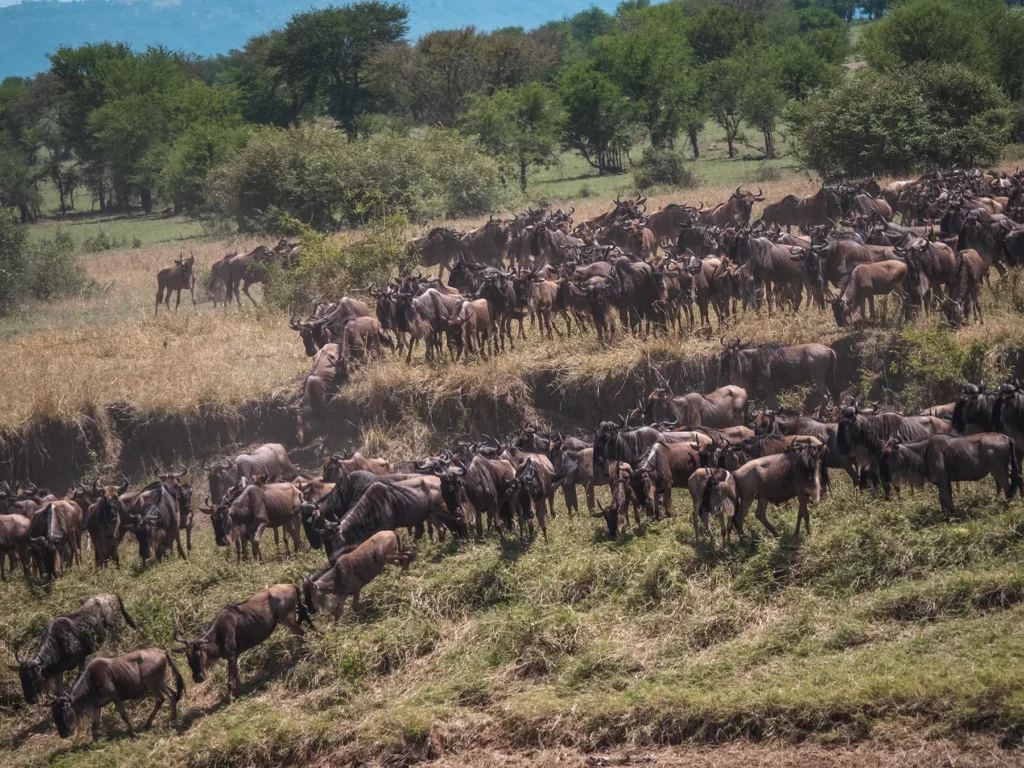
- Migration Passage: Wildebeest herds pass through Ol Kinyei en route to northern Mara River crossings.
- Community Benefits: Maasai landowners benefit from tourism revenue, reinforcing conservation.
Why Visit Ol Kinyei?
Guests can enjoy walking safaris, off-road drives, and close encounters with migration herds, often in a quiet, unhurried setting. The conservancy’s smaller size ensures personalized experiences.
Masai Mara Conservancies for the Great Migration
Comparing the Three Conservancies
| Conservancy | Size | Best for | Wildlife Highlights | Migration Timing | Unique Feature |
|---|---|---|---|---|---|
| Olare Motorogi | 37,000 acres | Luxury safari, photography | Predators, wildebeest, zebra | July–October | Off-road drives, panoramic plains |
| Naboisho | 50,000 acres | High predator action | Lions, leopards, cheetahs, elephants | July–October | Controlled vehicle numbers, predator encounters |
| Ol Kinyei | 33,000 acres | Intimate, off-road experience | Wildebeest, zebras, elephants | July–October | Walking safaris, personalized game drives |
Why Choose a Conservancy for the Migration?
- Fewer Crowds: Unlike the main Masai Mara Reserve, conservancies limit vehicles, giving a more peaceful experience.
- Off-Road Freedom: Guides can follow herds off-road, allowing closer observation of crossings and predator interactions.
- Community Support: Conservancies provide direct income to Maasai communities, promoting sustainable tourism.
- Better Photography: Less traffic and closer access make for superior photos without vehicles or crowds in the frame.
Final Thoughts
Olare Motorogi, Naboisho, and Ol Kinyei conservancies each offer a premium migration safari experience, distinct from the crowded Mara River crossings. Travelers seeking privacy, close wildlife encounters, and culturally responsible tourism will find these conservancies ideal. Combining a stay in the Masai Mara Reserve for iconic wide plains with nights in a private conservancy offers the perfect balance of scale, exclusivity, and intimate interaction with Africa’s greatest migration.
Witnessing the Great Migration in a conservancy is not just about seeing wildebeest — it’s about immersing yourself in the rhythm of the wild while supporting the people and landscapes that make it possible.