Mara River Crossing Guide: Everything You Need to Know
Overview of the Mara River Crossings
The Mara River crossings are the most iconic and dramatic phase of the Great Migration, where thousands of wildebeest and zebra plunge into crocodile-infested waters in a desperate bid for survival. This spectacle, often described as one of the greatest wildlife events on Earth, unfolds between northern Serengeti National Park and the Maasai Mara National Reserve.
Unlike other stages of the migration, river crossings are unpredictable, intense, and emotionally charged. Herds gather along riverbanks, hesitating for hours or even days before suddenly surging forward in chaotic waves. The combination of fear, instinct, and environmental pressure creates a raw and unforgettable wildlife experience.
For safari travelers, understanding how, when, and where these crossings happen is essential for maximizing your chances of witnessing this extraordinary event. This guide provides a complete breakdown of Mara River crossings, from timing and locations to strategies and expectations.
What Exactly Happens During a Mara River Crossing
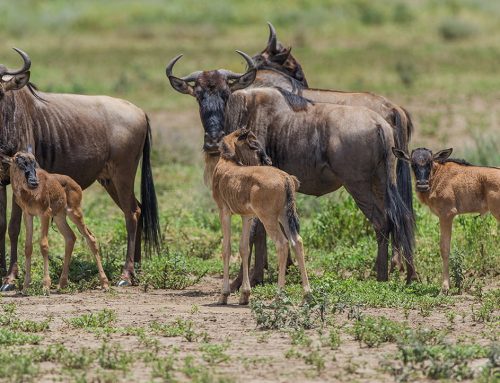
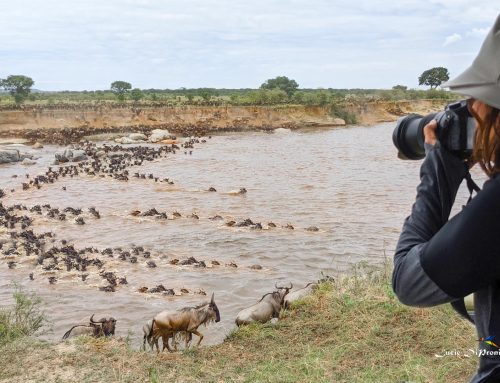
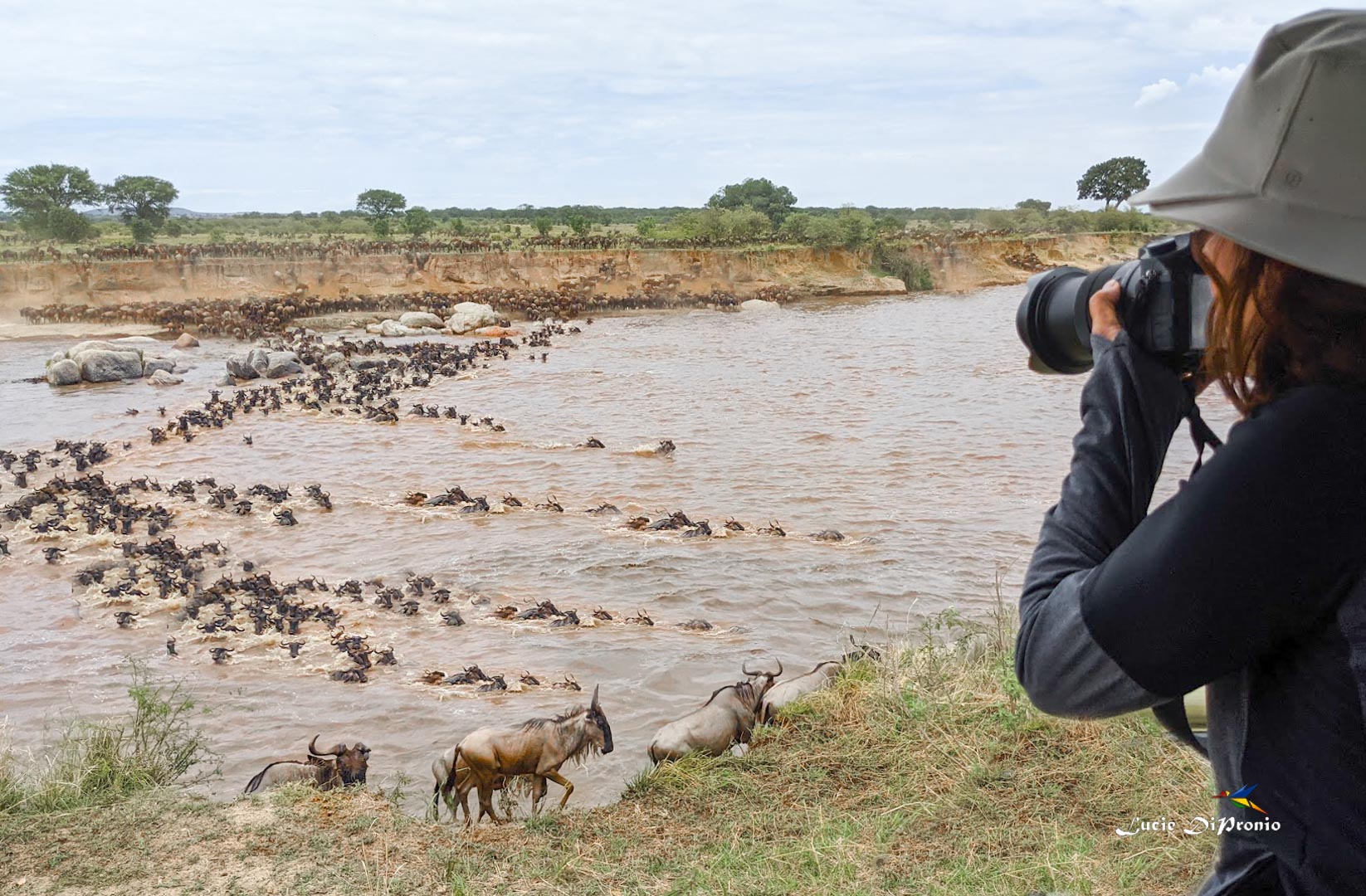
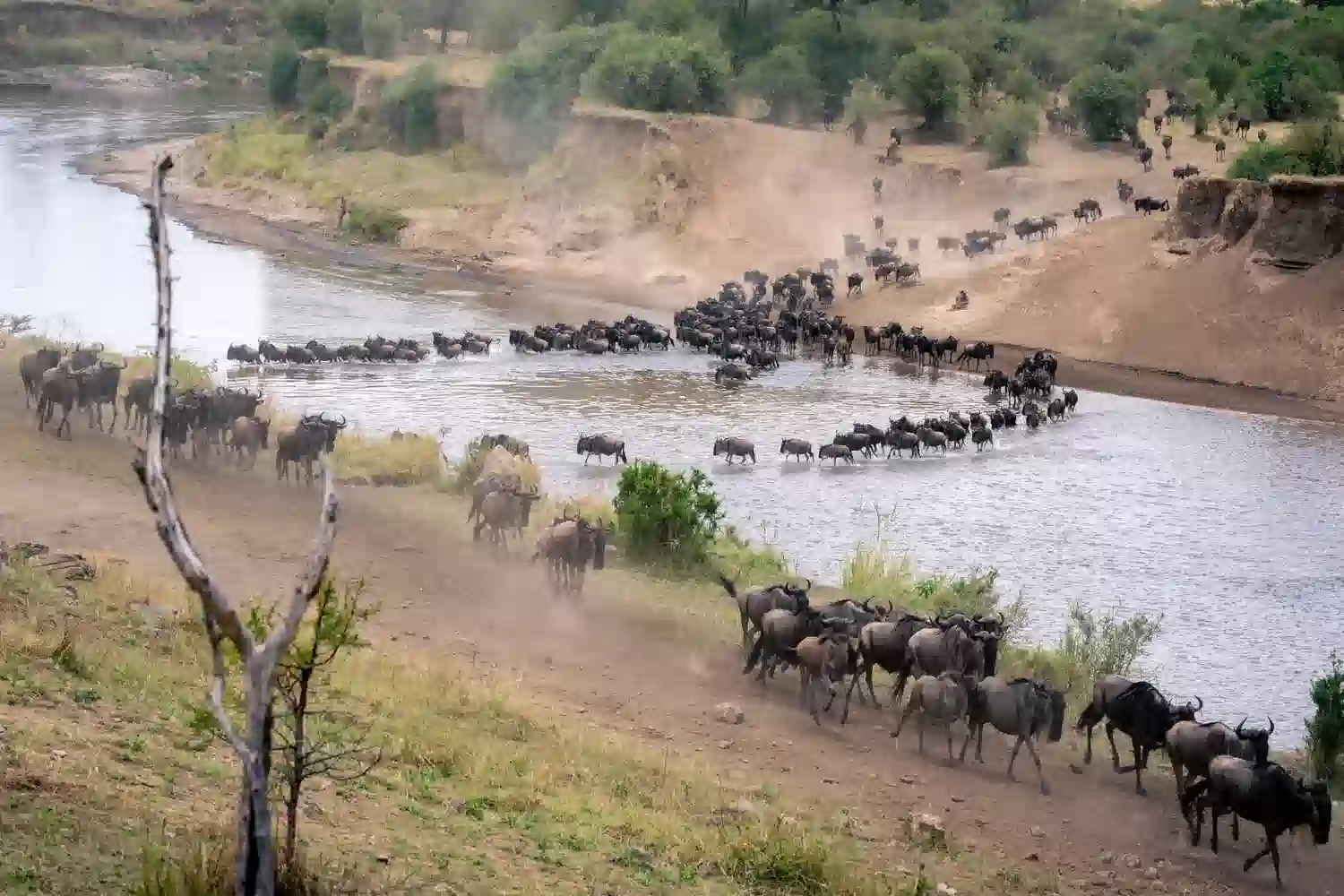
A Mara River crossing begins long before the first animal enters the water. Herds gather at the riverbanks, often forming massive clusters as they assess the danger ahead. This buildup phase can last hours, creating anticipation and tension.
When one or a few animals finally commit, the entire herd follows in a sudden surge. Thousands of wildebeest may enter the river at once, creating chaos as they push, jump, and scramble over one another.
The crossing itself is filled with danger. Strong currents, steep riverbanks, and hidden obstacles make navigation difficult, while crocodiles wait patiently for opportunities to strike.
On the opposite bank, another challenge awaits. Steep and muddy exits can cause bottlenecks, leading to dramatic scenes as animals struggle to climb out while others continue to arrive from behind.
This sequence creates one of the most intense wildlife spectacles in Africa. It is unpredictable, emotional, and deeply powerful to witness in person.
When Do Mara River Crossings Happen
The Mara River crossings typically occur between July and October, aligning with the dry season in East Africa. During this period, the migration reaches the northern Serengeti and Maasai Mara regions in search of water and fresh grazing.
Timing varies each year depending on rainfall patterns. Early or late rains can shift the movement of the herds, affecting when crossings begin and how frequently they occur.
July and August often mark the beginning of crossing activity. September is usually the peak month, with frequent and dramatic crossings. By October, some herds begin moving back south, creating return crossings.
There is no fixed schedule for crossings. They can happen at any time of day, and patience is essential for witnessing this event.
Best Locations to Witness the Crossings
The Mara River flows through both northern Serengeti and the Maasai Mara, creating multiple crossing points. Certain areas are known for more consistent activity.
In northern Serengeti, key areas include Kogatende and Lamai. These regions offer excellent vantage points and are less crowded than the Maasai Mara side.
In the Maasai Mara, crossings are often seen near popular river points such as the Mara Triangle and central reserve areas. These locations can offer dramatic scenes but tend to attract more visitors.
Choosing the right location depends on your priorities. Northern Serengeti offers exclusivity, while Maasai Mara provides accessibility and higher chances of sightings during peak periods.
Why the Mara River Crossings Happen
The crossings are driven by the search for food and water. As the dry season intensifies, grazing conditions in the south deteriorate, forcing the herds to move northward.
The Mara River acts as both a barrier and a lifeline. It provides essential water but also presents a dangerous obstacle that must be crossed to access better grazing lands.
Instinct plays a critical role. Wildebeest follow traditional migration routes, repeating patterns that have existed for generations.
This combination of environmental pressure and instinct creates the conditions for crossings. It is a natural response to survival needs rather than a coordinated or predictable event.
The Role of Predators
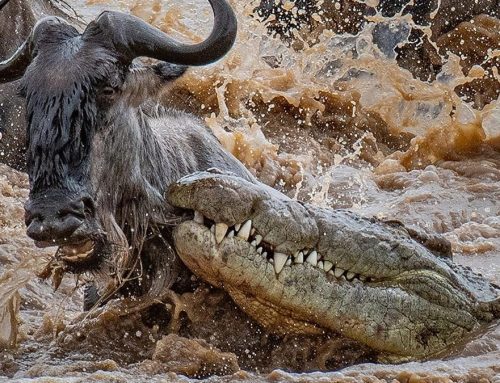
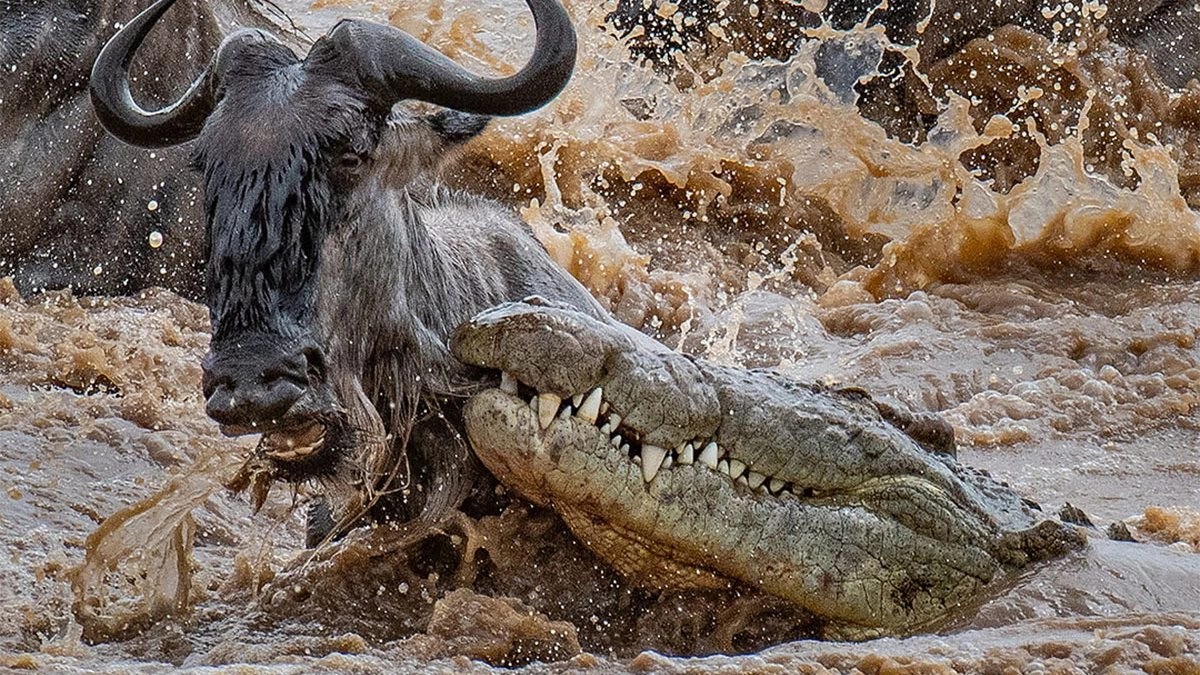
Predators play a central role in the drama of the Mara River crossings. Large Nile crocodiles are the most famous participants, lying in wait for crossing animals.
Crocodiles use stealth and power to capture prey. Their presence adds a constant sense of danger to the river.
Other predators are also involved. Lions, hyenas, and leopards often patrol riverbanks, targeting exhausted or injured animals that have completed the crossing.
This convergence of predators creates a complete ecosystem interaction. It highlights the balance between life and death that defines the migration.
What Makes the Crossings So Unpredictable
Unpredictability is one of the defining features of Mara River crossings. Herds may gather for hours without crossing, only to disperse and return later.
Weather and water levels influence behavior. High water levels can deter crossings, while lower levels may encourage them.
Animal behavior is also a key factor. Wildebeest rely on instinct and group dynamics, which can lead to sudden and unexpected decisions.
This unpredictability requires patience and flexibility from travelers. Being in the right place at the right time is often a matter of luck combined with expert guiding.
Safari Strategy: How to Maximize Your Chances
Timing your safari during peak months increases your chances of witnessing crossings. Planning your trip between late July and September is generally the most reliable approach.
Choosing the right region is equally important. Staying in northern Serengeti or the Maasai Mara near known crossing points improves access.
Working with experienced guides is critical. Guides track herd movements and communicate with other vehicles to locate active crossing sites.
Patience is essential. Spending extended time near riverbanks increases the likelihood of witnessing a crossing event.
Flexibility in your itinerary allows you to adapt to movement patterns. This is key to a successful migration safari.
Photography Tips for Mara River Crossings
Capturing a Mara River crossing requires preparation and adaptability. Fast-moving action and unpredictable behavior demand quick reflexes and proper camera settings.
Use fast shutter speeds to freeze motion. This is essential for capturing animals jumping into the water or climbing steep banks.
Positioning is crucial. Being at the right angle can dramatically improve composition and storytelling.
Anticipation is key. Observing herd behavior can help predict when a crossing might occur.
Dust, water splashes, and dramatic light enhance images. These elements add depth and emotion to photographs.
Advantages of Witnessing the Mara River Crossings
The crossings offer one of the most thrilling wildlife experiences in the world. The scale, intensity, and unpredictability create unforgettable moments.
They provide a complete view of the migration cycle. From movement to survival challenges, this phase encapsulates the essence of the Great Migration.
The combination of wildlife and landscape is extraordinary. River systems, open plains, and dramatic skies create a powerful setting.
For many travelers, this is the highlight of an African safari. It represents the pinnacle of wildlife viewing.
Challenges and Realistic Expectations
Crossings are not guaranteed. Even during peak season, there is no certainty that you will witness one.
Crowds can be significant, especially in the Maasai Mara. Popular crossing points may attract multiple vehicles.
Weather and environmental conditions can affect visibility and timing. Flexibility is essential.
Understanding these realities helps set appropriate expectations. The experience is rewarding even without witnessing a crossing.
Conclusion
The Mara River crossings represent the most dramatic and iconic stage of the Great Migration, showcasing the raw power of nature and the instinct-driven struggle for survival. From the buildup of herds to the chaotic plunge into the river, every moment is filled with tension and emotion.
For travelers willing to plan carefully and remain patient, witnessing a crossing is a once-in-a-lifetime experience. Even without a crossing, the surrounding wildlife and landscapes provide an exceptional safari adventure.
Ultimately, the Mara River crossings are not just about spectacle—they are a profound reminder of the resilience and complexity of life in the wild.