

Mara North Conservancy: Low-Density Safari In Wildlife
Imagine you are sitting in a vehicle at sunrise. The only sound you hear is a lion breathing thirty feet away. No engines are idling behind you. There is no radio chatter from trucks trying to get a better angle. It is just you, your guide, and the lion. The lion has no reason to notice you are there. This moment is rare in most of East Africa’s parks today. In the Maasai Mara reserve, a single leopard sighting can pull in fifteen or twenty vehicles within minutes. North of that boundary in the Mara North Conservancy, something different has been built. This is the story of why many seasoned safari travelers skip the crowded reserve gates and head straight for the Mara North Conservancy instead.
What Sets Mara North Conservancy Apart
The Mara North Conservancy covers 74,000 acres of rolling grassland bordering the northern edge of the Maasai Mara National Reserve. It was formed in 2009 through an agreement between twelve camps and more than 800 Maasai landowners. The Maasai landowners agreed to lease their land rather than sell it off in pieces. This decision changed everything about how wildlife tourism works in the Mara North Conservancy.
Of hundreds of vehicles funneling through a handful of viewing points, the Mara North Conservancy caps the number of beds and vehicles allowed at any time. You will not find souvenir stalls at the gate or tour buses parked at a river crossing. What you will find is space. There is physical space between you and the next group of tourists. There is space between the wildlife and the pressure of being watched. This is what Mara North Conservancy: Low Density Safari In Wildlife means. It is not a marketing phrase. It is a set of rules written into the land lease agreements that camp operators follow.
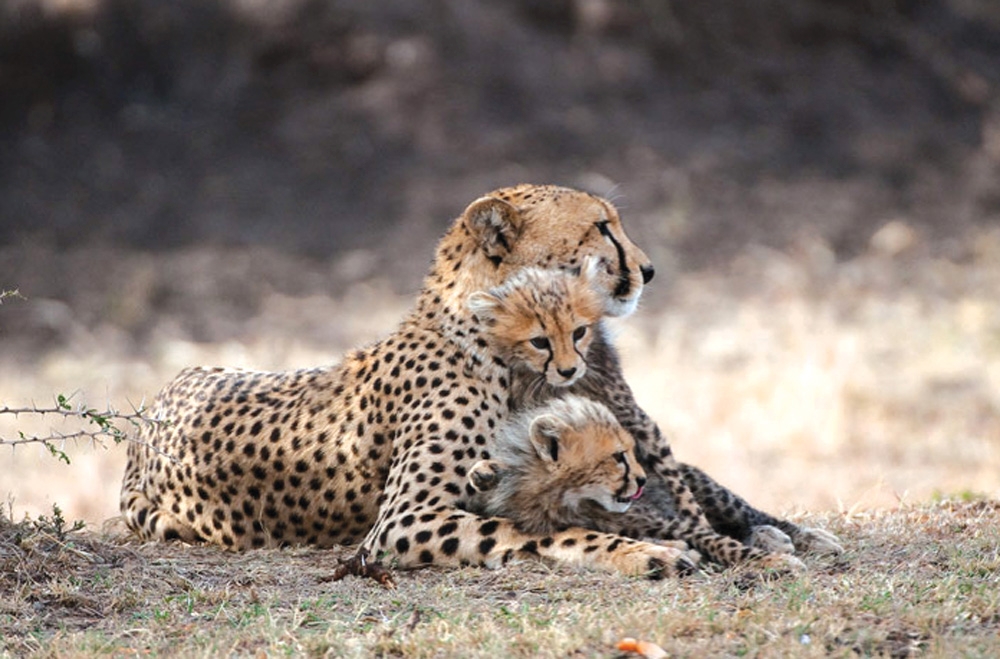
leopard resting undisturbed on open grassland at Mara North Conservancy, Kenya
The Wildlife You Will See
Lions are the attraction in the Mara North Conservancy. The Mara North Conservancy has one of the highest lion densities in the Mara ecosystem. Several established prides move through the conservancy’s grasslands. Because vehicle numbers are limited, you can often watch a hunt unfold from start to finish without another car in sight. Cheetahs use the plains for what they need: room to run. Leopards favor the riverine forest along the Mara North’s streams.
Then there is the migration. Between July and October, over a million wildebeest and zebra move through this corridor on their way to and from the Serengeti. Most travelers picture the river crossings. Those do happen in the Mara North Conservancy, too. The Mara North Conservancy also gives you something the main reserve cannot: the chance to watch the herds graze, move, and interact away from the noise of mass tourism. Elephants pass through in family groups daily. Hyena clans den in the conservancy’s outcrops year-round. So outside migration season, there is rarely a quiet game drive.
What makes this consistent is the vehicle ratio. Camps in the Mara North Conservancy typically allow one vehicle per sighting. Guides communicate by radio to avoid stacking up on the animals. You get longer, calmer viewing time. The animals behave naturally because they are not surrounded.
BirdLife adds another layer. Over 400 species have been recorded in this part of the Mara ecosystem. You can see martial eagles hunting hares over the plains. You can see lilac-breasted rollers flashing color along the tree lines. Guides in the Mara North Conservancy know bird calls as well as they know big cat behavior. So a slow afternoon can turn into a lesson in identifying secretary birds, ground hornbills, and the various vultures that arrive within minutes of a kill. This is a detail that rarely makes the brochures. It fills the gaps between the bigger sightings. It keeps every drive, even on the days when the lions are sleeping under a bush, and the cheetahs are nowhere to be found.
The Numbers Behind Mara North Conservancy: Low-Density Safari In Wildlife
To understand this better, let us look at some numbers. Mara North Conservancy has one guest bed for every 350 acres of land. This is very different from the national reserve, where there are more guests in a smaller area. At any given time, there are a few hundred beds in the entire 74,000-acre area. These beds are spread across camps that have between six and twelve tents each.
In contrast, lodges in the reserve can have over a hundred guests at a time. All these guests use the roads and river crossing points, which can get very crowded. The low number of beds in Mara North Conservancy is not an accident. The landowners and camp operators planned it this way to protect the land and the wildlife. They wanted to make sure that the Maasai people’s cattle have grazing land and that the wildlife has a safe habitat.
As a result, when you go on a game drive in Mara North Conservancy, you are likely to have a peaceful experience. You might see three or four animals in a two-hour drive. You will have time to watch them without being rushed. This is very different from the experience you might have in the national reserve, where you might see animals but only for a brief moment and with many other people around.
Walking Safaris And Night Drives You Won’t Get In The Main Reserve
Mara North Conservancy is outside the national reserve, so it has rules. One of the things you can do here that you cannot do in the reserve is go on a guided walking safari. This is a different way of experiencing the landscape. Instead of sitting in a vehicle, you are walking on foot with a guide, learning about the animals and the land. You can see tracks in the dirt. Learn how to identify different animals by their footprints. You can also see dung beetles rolling their cargo across the path and learn about the sounds that animals make.
You can also go on night drives in Mara North Conservancy, which is not allowed in the national reserve. At night, different animals are active, such as genets, civets, aardvarks, and bush babies. You can also see lions hunting at night, which is a special experience. One of the things about night drives is the feeling of being in the dark with only the sound of animals around you. It is a peaceful and exciting experience.
How The Conservancy Benefits Local Maasai Communities
The people who own the land in Mara North Conservancy are very important to its success. The Maasai families who lease their land to the conservancy receive a payment, which helps them to support their families. This payment is made every month regardless of how many tourists are visiting. The money from tourism has helped to fund classrooms, water boreholes, and healthcare clinics in the local communities.
The landowners also get to keep their grazing rights for their cattle in areas of the conservancy. This means that they can still use the land to support their livestock while also helping to protect the wildlife. The conservancy is managed in a way that balances the needs of the wildlife and the livestock, which is a special thing. Many other conservancies in Kenya are trying to learn from Mara North Conservancy’s example.
Most of the guides, trackers, and camp staff in Mara North Conservancy are from the villages. They have grown up in the area. Have a deep understanding of the land and the animals. When you go on a game drive, you will be learning from people who have spent their lives watching the animals and the landscape. This is a unique and special experience.
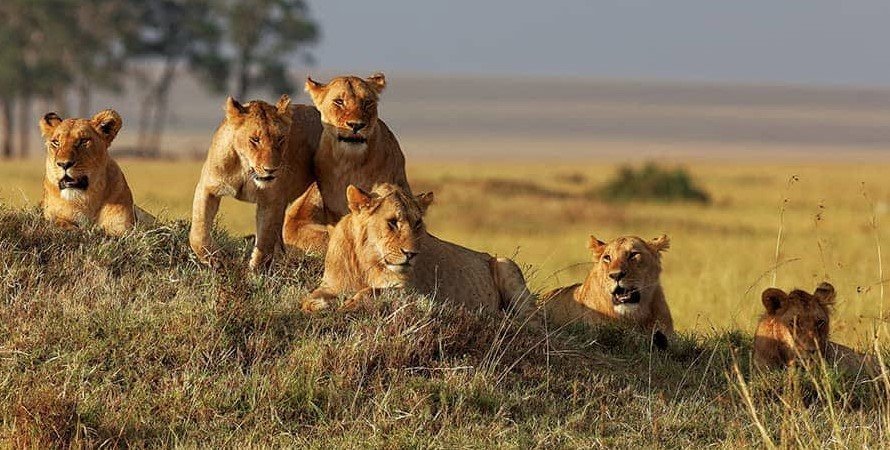
leopard resting undisturbed on open grassland at Mara North Conservancy, Kenya
Planning Your Trip
If you are thinking about visiting Mara North Conservancy, you might be wondering when the best time to go is. The wildebeest migration, which happens between July and October, is a popular time to visit. However, the conservancy is beautiful at any time of year. During the season from June to October, you can see animals more clearly because they gather near the water.
During the rains in November and December, the landscape is green, and there are fewer visitors. This is also a time to see newborn animals. Most of the camps in Mara North Conservancy can be reached by flying or driving in from Nairobi. Because there are a limited number of beds, it is a good idea to book your trip several months in advance, especially if you want to visit during the peak season.
You should expect to pay a higher price for your stay in Mara North Conservancy than you would in the national reserve. However, this price includes the cost of supporting the communities and protecting the wildlife. Many people who have visited Mara North Conservancy say that it is worth the cost because you get to experience the wildlife in a more peaceful and natural way. You are not just paying for a luxury vacation; you are paying for the chance to see animals in their habitat without the crowds and noise of the national reserve.
There is a reason why people keep coming to Mara North Conservancy even after they have been on many other safaris. It is a special place where you can experience the beauty of nature in a way that feels authentic and peaceful. If you want to have a trip that feels earned rather than rushed, Mara North Conservancy is the perfect place to visit. You will have the chance to see animals up close and to experience the beauty of the landscape in a way that you will never forget.


