



Lake Tanganyika Swimming Guide: Snorkeling and Beaches
Lake Tanganyika is a special place in Africa. It has freshwater, beautiful scenery, and quiet beaches. The lake is in four countries. Is one of the deepest lakes in the world. When you visit Lake Tanganyika, you get an experience from going to the ocean. You find water, colorful fish, hidden bays, and friendly lakeside communities.
Lake Tanganyika Swimming Guide: Snorkeling and Beaches tells you about a place in East Africa for swimming, relaxing, and seeing underwater life. You can spend an afternoon floating in the warm water, see bright fish under the surface, or just rest on a quiet beach. The lake has experiences all year round.
Lake Tanganyika is not like popular beach places that get crowded. You can still find stretches of peaceful lake. You can enjoy nature without a lot of noise or tourists. Every sunrise makes the lake look golden, and every sunset makes the water look like a mirror.
The lake’s great variety of life, clean water, and beautiful coastline make it perfect for people who like adventure and relaxation.
Why Lake Tanganyika Is Perfect for Swimming
Lake Tanganyika is very old. Over 9 million years old. It is one of the lakes on Earth. The lake’s depth helps keep the water clear around rocky beaches. You can see several meters underwater.
The lake’s shoreline stays clear after rain. The gentle waves make swimming easy for everyone.
The freshwater is also good for your skin. You do not get irritation as you do with saltwater. You can swim, dry off, and keep exploring without feeling sticky.
The water temperature is pleasant most of the year. The water stays warm enough for swimming all year on Tanzania’s western shoreline.
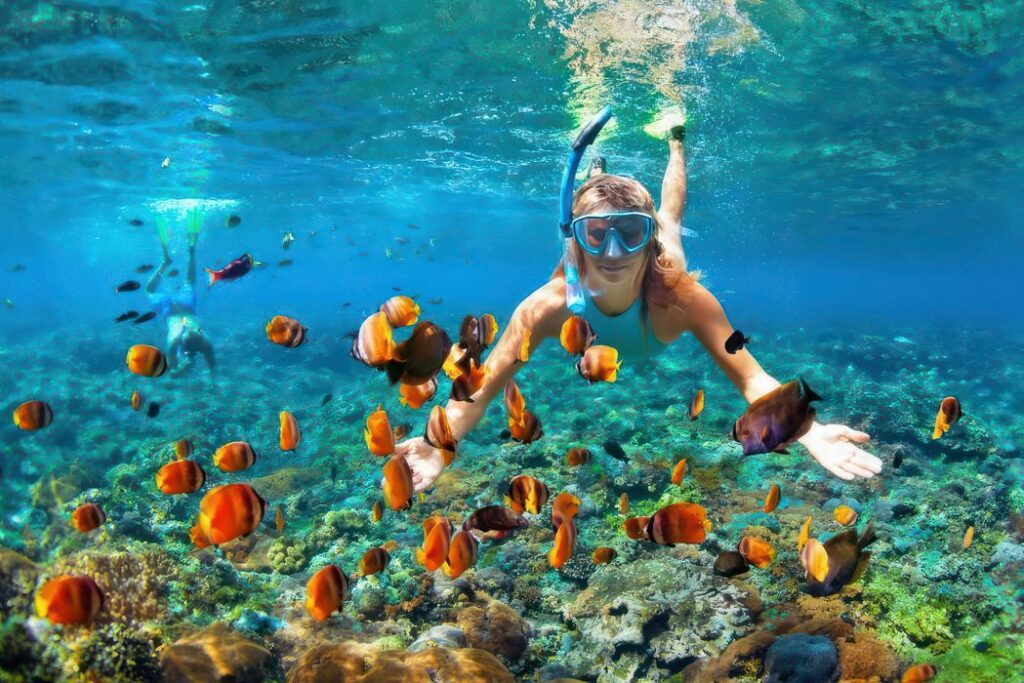
Peaceful swimmers enjoying crystal clear waters along Lake Tanganyika’s scenic sandy shoreline during sunrise together
Beaches That Invite You to Stay
I think one of the main reasons people love Lake Tanganyika so much is because of its amazing beaches. You can find beaches with soft golden sand and others that have smooth stones and super clear water.
The beaches near Kigoma are really easy to get to. You can walk around between hotels, public beaches, and small fishing villages. You can see the lake the whole time.
If you go a bit south, you can find some really quiet beaches where you can be alone. Sometimes these beaches are empty for hours. All you can hear is the water and the birds.
There are palm trees along some parts of the shore that give you shade in the afternoon. A lot of people spend their whole day swimming, reading, relaxing, and watching the fishing boats on Lake Tanganyika.
The way the lake looks changes a lot during the day. In the morning, the sun makes the water look really shiny, and in the evening, the sky turns all these colors that people who take pictures love.
Discover a Colorful World Beneath the Surface of Lake Tanganyika
A lot of people who visit Lake Tanganyika for the first time do not think they will see many fish because it is a freshwater lake and not a coral reef. They are wrong.
The Lake Tanganyika Swimming Guide would not be complete without talking about the variety of fish in the lake. Scientists have found hundreds of kinds of cichlid fish, and you can only find many of them in Lake Tanganyika.
These fish are really colorful with blues and yellows and reds and oranges and shiny greens. They swim around rocks and underwater cliffs, and plants in Lake Tanganyika. There are a lot of them.
You do not need to be an expert to go snorkeling in Lake Tanganyika. The water is really calm near some of the beaches so beginners can see the fish and other things in the water without having to swim far from shore.
If you bring your snorkeling gear, you can go whenever you want, but some hotels and tour companies in Lake Tanganyika also have gear you can rent.
If you go snorkeling in the morning, you can see the fish clearly before the wind picks up and the water gets a bit choppy.
Best Snorkeling Locations
The lake has great spots for snorkeling.
* Rocky shores have lots of hiding spots for fish, making them great for snorkeling.
* Areas with underwater rocks have many different species in a small area.
* Protected bays are calm. Have clear water, making them perfect for families and beginners.
Snorkeling near parks is great because the parks help keep the underwater environment healthy.
People often see different fish species while snorkeling in these areas.
Some guided tours include snorkeling and a short boat ride to get to spots that’re hard to reach from the shore.
Local guides know where the water is clearest depending on the time of year and weather.
Safety Tips Before Entering the Water
Swimming in a lake requires some preparation.
* Choose a designated swimming area, one recommended by your hotel or local guide.
* Don’t swim alone in places you don’t know.
* It’s safer with someone nearby in case the weather changes.
The waves are usually calm. The weather can change in the afternoon.
Strong winds can make the water rougher.
Wear water shoes when walking on shores.
The rocks can be slippery under the water.
Use sunscreen that is safe for the reef to protect your skin and the environment.
Bring drinking water because swimming in the sun can make you thirsty.
If you are snorkeling, don’t touch the rocks. Disturb the fish habitats.
This helps keep the lake healthy for visitors.
Wildlife You May Encounter
The lake is home to different kinds of wildlife, not just fish.
* Kingfishers dive into the water to catch fish.
* African fish eagles fly overhead. Then dive to catch their prey.
In areas, butterflies fly between flowers and dragonflies skim over the water.
* The nearby forests are home to monkeys and many different bird species in protected areas.
There are crocodiles in some parts of the lake. The swimming beaches are chosen because they are safe.
Always follow advice on where it is safe to swim.
Watching wildlife from a distance is best so both the animals and visitors can enjoy the environment without being disturbed.
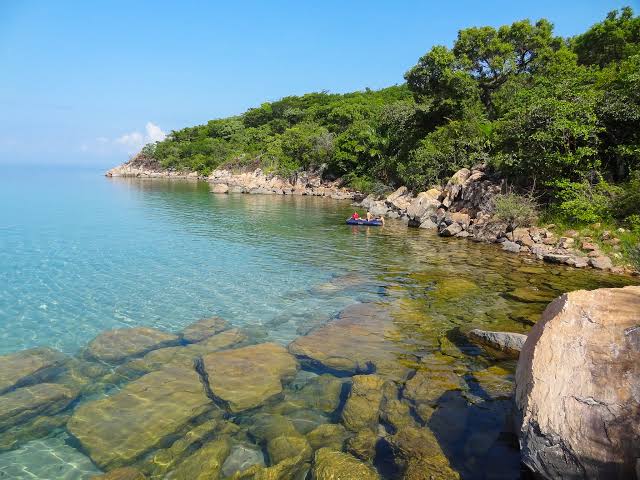
Crystal clear Lake Tanganyika shoreline with colorful fish visible beneath the calm freshwater surface today
Combining Swimming With Local Experiences
Visiting Lake Tanganyika is a way to do outdoor things and have real cultural experiences at the same time.
Lake Tanganyika is a place where you can do this.
Fishing communities have been depending on Lake Tanganyika for a long time.
If you watch fishermen get their boats ready before the sun comes up, you can learn about traditions that have not changed much.
You can eat fish that was caught that day in restaurants around the area.
Grilled tilapia with vegetables and rice is a favorite meal to have after swimming in the morning.
There are markets in towns near the lake where you can buy things that people made themselves, like baskets and colorful fabrics.
When you buy things directly from the people who made them, you are helping them make a living. You get something meaningful to remember your trip by.
Many people like to take wooden boats to beaches that you cannot get to by car.
These short trips show you how big Lake Tanganyika is and give you views of the mountains around it.
The Best Time to Visit
The weather is important when you are planning a trip to the lake.
The dry season is usually the time to swim and snorkel because the water is the clearest and calmest.
It does not rain much, so you can see underwater better, and the beach is nicer.
The morning is usually the time to snorkel, take pictures, and kayak because the water is smoothest.
The afternoons are great for relaxing on the beach. Sometimes the wind can make small waves that make it harder to see underwater.
Even when it is hot outside, it gets nice and cool by Lake Tanganyika in the evenings.
Many places to stay have areas where you can watch the sunset and then have dinner looking out at the water.
If you plan to stay for days, you can see different beaches and experience different kinds of weather.
Protecting This Extraordinary Lake
Lake Tanganyika is a special place, and we need to take care of it.
Some things can hurt the lake, like climate change, pollution, and too many people.
If we are careful and respectful when we visit, we can make a difference.
Do not leave trash on the beach or in the towns near the lake.
Try to use bottles that you can use again instead of throwing them away.
Choose places to stay that try to be good to the environment.
Do not bother the animals that live in and around the lake.
Help the guides who are trying to protect the lake.
Every small thing we do can help keep Lake Tanganyika clean and beautiful.
We want to make sure that people can still swim in the water and see the colorful fish and peaceful landscapes for a long time.
A Freshwater Escape Unlike Any
Many people come to Lake Tanganyika expecting it to be beautiful, but they leave having experienced something even more special.
The combination of water, colorful fish, friendly people, and amazing scenery creates memories that last a long time.
Whether you spend your days snorkeling, relaxing on the beach, exploring the lake by boat, or just watching the sunset, every experience feels like it is connected to nature.


