


Kimana Sanctuary: A Stop on the Amboseli Circuit
Kimana Sanctuary is a place to visit when you are on the Amboseli Circuit. Kenya has a lot of wildlife destinations, but Kimana Sanctuary is special because it gives you a really personal experience. This is because it is a conservation area that works closely with the local community. Kimana Sanctuary is located near Amboseli National Park. It is a fantastic place to see animals without all the crowds.
Lots of people drive through Kimana Sanctuary when they are exploring Kenya, but if you take the time to stop and visit, you will have a really amazing safari experience. The sanctuary has grasslands and wetlands that fill up with water during certain times of the year and beautiful acacia trees, which make it a perfect home for many of Africa’s most famous animals. When you visit Kimana Sanctuary, you are helping to protect the animals and the land, which is really important for the ecosystem.
If you are planning your safari or if you have been to Kenya before, Kimana Sanctuary is a great place to visit. It is really peaceful. You can take some amazing photos of the animals. You can also learn about the conservation work that is being done to protect the ecosystem, which is really interesting.
The Story Behind Kimana Sanctuary
Kimana Sanctuary is an important part of Kenya’s conservation history. It was one of the community-managed wildlife sanctuaries in the country, and it was created when local Maasai landowners worked together with conservation organizations. Rather than letting farms and houses be built on the land, the local community decided to protect it so that the animals could keep moving freely.
This was a decision because now elephants, giraffes, zebras, and many other animals can still roam freely between Amboseli National Park and the surrounding landscapes. Kimana Sanctuary shows that people and animals can live together in harmony, which’s really important for the long-term health of the ecosystem.
When you visit Kimana Sanctuary, your money helps to support the community, which is really important. The money from park fees goes towards community development projects, education, and job creation, which help to protect the habitat and the animals.
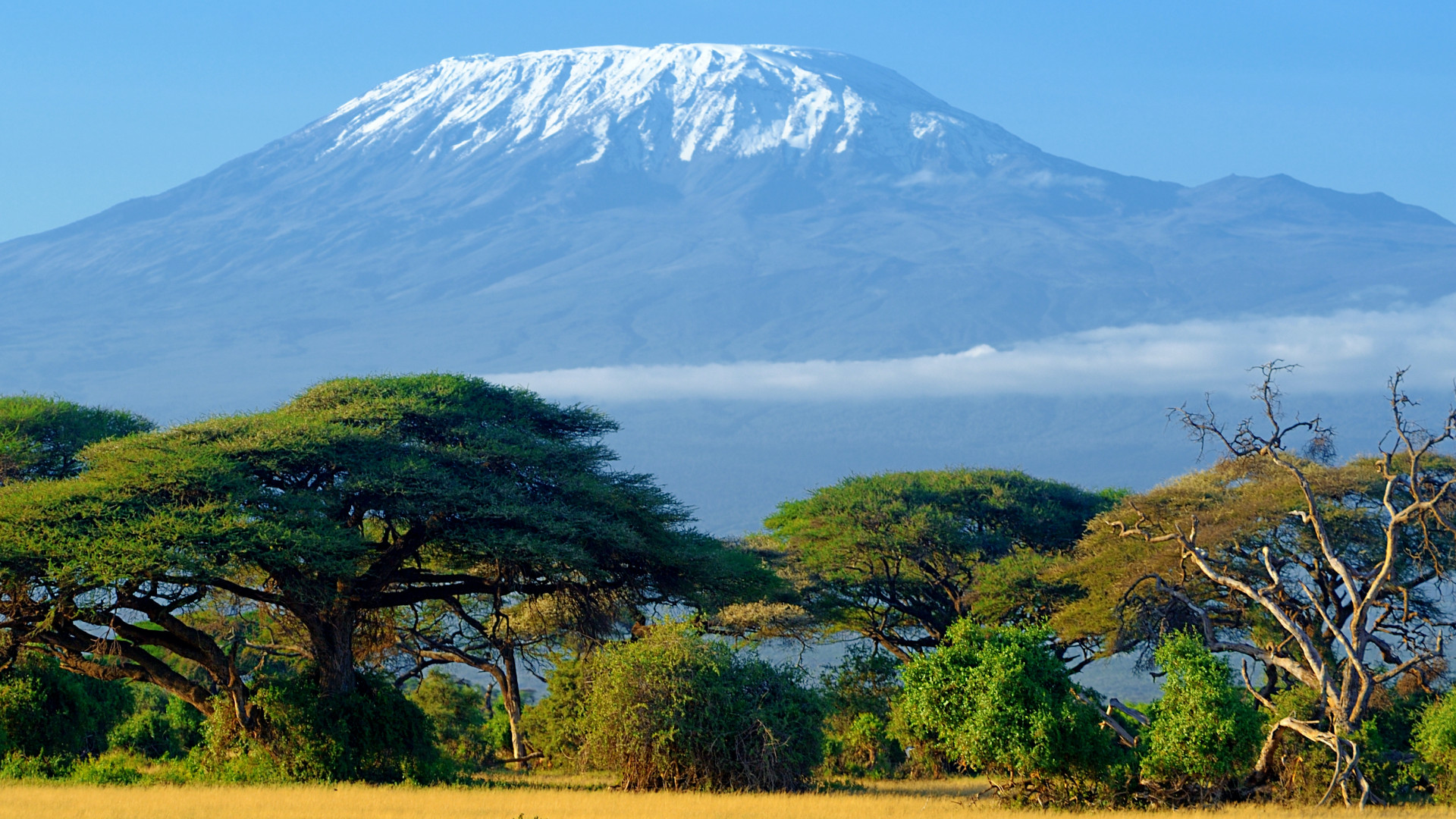
Elephants grazing peacefully across Kimana Sanctuary with Mount Kilimanjaro rising behind them majestically.
Why Kimana Sanctuary Is a Part of the Amboseli Ecosystem
Animals do not care about park boundaries; they just keep moving to find food, water, and a place to breed. Kimana Sanctuary is a corridor that connects Amboseli National Park to the Chyulu Hills and Tsavo ecosystems.
If we do not protect these corridors, many animal populations will become isolated, which can lead to problems. When animals are isolated, they can lose their diversity, and they can come into conflict with people. By protecting Kimana Sanctuary, we can help to keep the animal populations healthy across Kenya.
Kimana Sanctuary is especially important during seasons when animals leave Amboseli National Park to find food and water. It is an important place, and we need to do everything we can to protect it. Kimana Sanctuary and the Amboseli ecosystem are really important. We need to take care of them.
Kimana Sanctuary is a place to visit when you are on the Amboseli Circuit. Kenya has a lot of wildlife destinations, but Kimana Sanctuary is special because it gives you a really personal experience. This is because it is a conservation area that works closely with the local community. Kimana Sanctuary is located near Amboseli National Park. It is a fantastic place to see animals without all the crowds.
Lots of people drive through Kimana Sanctuary when they are exploring Kenya, but if you take the time to stop and visit, you will have a really amazing safari experience. The sanctuary has grasslands and wetlands that fill up with water during certain times of the year and beautiful acacia trees, which make it a perfect home for many of Africa’s most famous animals. When you visit Kimana Sanctuary, you are helping to protect the animals and the land, which is really important for the ecosystem.
If you are planning your safari or if you have been to Kenya before, Kimana Sanctuary is a great place to visit. It is really peaceful. You can take some amazing photos of the animals. You can also learn about the conservation work that is being done to protect the ecosystem, which is really interesting.
The Story Behind Kimana Sanctuary
Kimana Sanctuary is an important part of Kenya’s conservation history. It was one of the community-managed wildlife sanctuaries in the country, and it was created when local Maasai landowners worked together with conservation organizations. Rather than letting farms and houses be built on the land, the local community decided to protect it so that the animals could keep moving freely.
This was a decision because now elephants, giraffes, zebras, and many other animals can still roam freely between Amboseli National Park and the surrounding landscapes. Kimana Sanctuary shows that people and animals can live together in harmony, which’s really important for the long-term health of the ecosystem.
When you visit Kimana Sanctuary, your money helps to support the community, which is really important. The money from park fees goes towards community development projects, education, and job creation, which help to protect the habitat and the animals.
Why Kimana Sanctuary Is a Part of the Amboseli Ecosystem
Animals do not care about park boundaries; they just keep moving to find food, water, and a place to breed. Kimana Sanctuary is a corridor that connects Amboseli National Park to the Chyulu Hills and Tsavo ecosystems.
If we do not protect these corridors, many animal populations will become isolated, which can lead to problems. When animals are isolated, they can lose their diversity, and they can come into conflict with people. By protecting Kimana Sanctuary, we can help to keep the animal populations healthy across Kenya.
Kimana Sanctuary is especially important during seasons when animals leave Amboseli National Park to find food and water. It is an important place, and we need to do everything we can to protect it. Kimana Sanctuary and the Amboseli ecosystem are really important. We need to take care of them.
Tourism Supports Local People at Kimana Sanctuary
Kimana Sanctuary is different from other protected areas that are managed by the government. At Kimana Sanctuary, local communities work with the people in charge. Maasai families play a role in taking care of the wildlife at Kimana Sanctuary. They also benefit from tourism at Kimana Sanctuary.
The money made from conservation at Kimana Sanctuary helps pay for schools, makes healthcare better, creates jobs, and supports community projects at Kimana Sanctuary.
Local guides at Kimana Sanctuary know a lot about the animals, the seasons, plants that can be used for medicine, and the traditions of the Maasai people. They have a connection to the land at Kimana Sanctuary. This makes every safari to Kimana Sanctuary special. The guides tell stories that go beyond just seeing animals at Kimana Sanctuary.
When people visit Kimana Sanctuary, they learn how important it is for local communities to help take care of the resources at Kimana Sanctuary.
Activities Beyond Traditional Game Drives at Kimana Sanctuary
Even though seeing animals is the reason people visit Kimana Sanctuary, there are many other things to do at Kimana Sanctuary. These activities help people understand the area around Kimana Sanctuary better.
Guided walks at Kimana Sanctuary let people see the details that they might miss when they are in a vehicle at Kimana Sanctuary. The guides at Kimana Sanctuary explain the tracks of animals, the sounds of birds, the plants that grow at Kimana Sanctuary, the insects, and how everything works together at Kimana Sanctuary.
People who like photography love the paced trips at Kimana Sanctuary that are planned around the light and the behavior of the animals at Kimana Sanctuary.
Visits to the Maasai communities near Kimana Sanctuary teach people about their dances, how they take care of their animals, the jewelry they make for their homes, and their daily life at Kimana Sanctuary. These visits help people understand and respect the culture at Kimana Sanctuary. They also help the families at Kimana Sanctuary by giving them more money.
Many people visit Kimana Sanctuary. Then go to Amboseli National Park, Chyulu Hills National Park, or Tsavo West National Park to see different ecosystems at Kimana Sanctuary.
Best Time to Visit Kimana Sanctuary
People can visit Kimana Sanctuary at any time of the year. Each season at Kimana Sanctuary has its good things.
The dry months from June to October are usually good for seeing animals at Kimana Sanctuary because they gather near water at Kimana Sanctuary. The plants are shorter. It is easier to see the animals at Kimana Sanctuary.
January to March is also a time to visit Kimana Sanctuary. The weather is warm the skies are clear. It is good for taking pictures at Kimana Sanctuary.
When it rains at Kimana Sanctuary, the land becomes green and beautiful. There are wildflowers at Kimana Sanctuary. Even though the animals are harder to find at Kimana Sanctuary, it is a good time for birdwatching at Kimana Sanctuary. Many birds come to visit Kimana Sanctuary. They build their nests at Kimana Sanctuary.
People who like taking pictures of landscapes love the months at Kimana Sanctuary. The clouds and the plants make the pictures look beautiful at Kimana Sanctuary.
Photography Opportunities at Kimana Sanctuary
Capturing Classic Safari Scenes at Kimana Sanctuary
There are no places like Kimana Sanctuary that have a good mix of animals, scenery, and natural light at Kimana Sanctuary. In the morning at Kimana Sanctuary, the light is soft and perfect for taking pictures of elephants, giraffes, and birds at Kimana Sanctuary.
In the afternoon at Kimana Sanctuary, the light is warm and golden at Kimana Sanctuary. It makes the animals and the landscapes look beautiful at Kimana Sanctuary. When the elephants move at Kimana Sanctuary, they kick up dust that catches the sunlight at Kimana Sanctuary. It creates silhouettes at Kimana Sanctuary.
Using a wide-angle lens at Kimana Sanctuary is great for taking pictures of Mount Kilimanjaro in the background at Kimana Sanctuary. A telephoto lens at Kimana Sanctuary lets you get close to the animals at Kimana Sanctuary without disturbing them.
If you are patient at Kimana Sanctuary, you can take pictures of moments at Kimana Sanctuary. You can see elephants with their babies at Kimana Sanctuary or giraffes eating leaves from the trees at Kimana Sanctuary.
Responsible Tourism at Kimana Sanctuary Protects the Future
Every time you go on a safari at Kimana Sanctuary, you have to be responsible at Kimana Sanctuary. You can help take care of Kimana Sanctuary by respecting the animals at Kimana Sanctuary, staying in the areas that are allowed at Kimana Sanctuary, listening to the guides at Kimana Sanctuary, and not making much noise at Kimana Sanctuary.
Staying in lodges that are owned by people at Kimana Sanctuary, buying things made by the Maasai artisans at Kimana Sanctuary, and hiring guides from the community at Kimana Sanctuary all help the local economy at Kimana Sanctuary.
Simple things like carrying a water bottle at Kimana Sanctuary and not using much plastic at Kimana Sanctuary can also help at Kimana Sanctuary.
When you visit Kimana Sanctuary, you become a partner in taking care of the resources at Kimana Sanctuary. This way, future generations can also enjoy the biodiversity at Kimana Sanctuary.
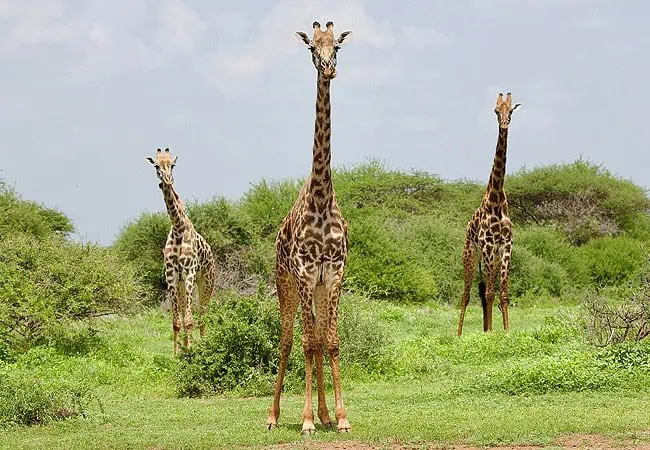
Safari vehicle observing giraffes crossing open grasslands inside Kimana Sanctuary during early morning drive.
Planning Your Safari Itinerary at Kimana Sanctuary
Most people visit Kimana Sanctuary as part of a trip to southern Kenya at Kimana Sanctuary. It is easy to combine Kimana Sanctuary with Amboseli National Park at Kimana Sanctuary because they are close to each other at Kimana Sanctuary. You can see ways of taking care of the land at Kimana Sanctuary.
Many people start their trip in Nairobi at Kimana Sanctuary. Then go to Amboseli at Kimana Sanctuary. After visiting Kimana Sanctuary, they might go to Tsavo West at Kimana Sanctuary, Chyulu Hills at Kimana Sanctuary, or even the coast of Kenya at Kimana Sanctuary. This way, they can see animals, mountains, and beaches at Kimana Sanctuary.
There are places to stay near Kimana Sanctuary, from simple tents to luxury lodges at Kimana Sanctuary. This means that people with budgets can visit Kimana Sanctuary.
The best time to go on a game drive at Kimana Sanctuary is in the morning at Kimana Sanctuary. This is when the animals are most active at Kimana Sanctuary. The afternoons at Kimana Sanctuary are great for taking pictures of the sunset at Kimana Sanctuary.
A Destination That Leaves an Impression at Kimana Sanctuary
There are reasons why people remember Kimana Sanctuary long after they leave at Kimana Sanctuary. The peaceful atmosphere at Kimana Sanctuary, the conservation at Kimana Sanctuary, the many animals at Kimana Sanctuary, and the friendly local communities at Kimana Sanctuary all make for a special safari experience at Kimana Sanctuary.
Kimana Sanctuary does not compete with the national parks at Kimana Sanctuary. Instead, it offers a more meaningful experience at Kimana Sanctuary. People can see how the protected areas at Kimana Sanctuary help the animals at Kimana Sanctuary and the local people at Kimana Sanctuary.


