



Kilwa Kisiwani: Tanzania’s Forgotten Ancient Swahili Ruins
Along Tanzania’s coastline, where the Indian Ocean waves meet quiet islands and historic fishing communities, there is a place filled with stories from a long time ago. Kilwa Kisiwani is one of East Africa’s remarkable archaeological treasures. It lets travelers explore the remains of a Swahili trading civilization that once connected Africa with Arabia, Persia, India, and other places.
Exploring Kilwa Kisiwani: Tanzania’s Forgotten Ancient Swahili Ruins
The island of Kilwa Kisiwani remembers a time when merchants sailed across the Indian Ocean with gold, ivory, spices, and textiles. In the 16th century, Kilwa grew into a major trading center on the East African coast. Its wealth came from trade, cultural exchange, and the skills of architects who built impressive stone structures from coral rock.
Today, visitors can walk among the ruins and imagine the busy streets, markets, mosques, and palaces that once shaped life on the island.
The quiet surroundings make the experience unique because the remains are surrounded by nature, not crowded tourist areas.
Each wall, doorway, and carved stone shows the achievements of a civilization that played a role in African and global history.
The story of Kilwa Kisiwani is closely connected to the rise of Swahili culture along the coast. Swahili communities developed an identity through interactions between African societies and overseas traders. This blend influenced architecture, language, religion, and daily life. Kilwa Kisiwani became a symbol of this connection, showing how coastal Africa was part of an international network long before modern transportation existed.
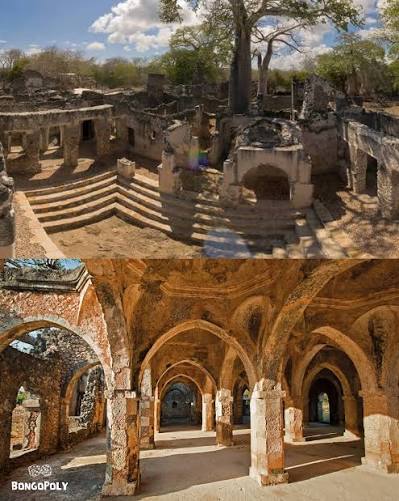
Ancient Kilwa Kisiwani ruins showing Tanzania’s historic Swahili coastal civilization and heritage
The Rise of an Island Kingdom
Kilwa Kisiwani’s golden age came when it controlled important trade routes along the East African coastline. The island became famous for its connection to gold-producing regions, especially areas around present-day Zimbabwe.
Traders arrived by ship from lands, and Kilwa Kisiwani became a place where different cultures met and exchanged ideas.
The city’s prosperity allowed rulers to build structures that demonstrated their power and wealth.
One of the famous landmarks is the Great Mosque of Kilwa Kisiwani, which was expanded over several periods and became one of the largest mosques in medieval East Africa.
Another remarkable site is the Husuni Kubwa Palace, a royal complex believed to have belonged to Kilwa Kisiwani’s rulers.
The palace included rooms, courtyards, storage areas, and a swimming pool.
Its size reflects the strength of the kingdom and the wealth generated through ocean trade.
Walking through these ruins gives travelers an understanding of Africa’s historical achievements.
Kilwa Kisiwani was not. Forgotten during its peak.
It was a center of commerce where ideas, goods, and traditions moved between continents.
Discovering the Ancient Architecture and Culture
A journey through Kilwa Kisiwani offers more than sightseeing.
It provides an opportunity to connect with the people who built and lived in this city.
The remains tell stories of merchants, craftsmen, sailors, religious leaders, and families who created a community.
The architecture found on the island shows craftsmanship.
Builders used stone and traditional techniques to create strong structures suited to the coastal environment.
Decorative details, carved entrances, and designed spaces reveal the creativity of Swahili builders.
The ruins also show how religion shaped the community.
Mosques were places for worship and gathering, while homes and public buildings reflected the social organization of the city.
The combination of traditions and Islamic influences created a distinctive coastal culture that continues to influence Tanzania today.
A visit to Kilwa Kisiwani allows travelers to experience history in a setting.
Unlike famous historical destinations around the world, Kilwa Kisiwani offers a more personal experience where visitors can explore ancient locations without large crowds.
The island encourages travel, allowing time to appreciate the details of each structure and the stories behind them.
A Journey Through Tanzania’s Southern Coast
Kilwa Kisiwani is in the Lindi Region of Tanzania. This area is really beautiful with villages and a coastline that is still untouched. To get to Kilwa Kisiwani, you have to plan, but that is all part of the adventure. Usually, people get to Kilwa Kisiwani by going through the mainland and then taking a short boat ride.
The area around Kilwa Kisiwani is very peaceful. This makes it perfect for people who like to experience cultures without all the hustle and bustle of tourist areas. The coastline is beautiful. You can try local seafood. You can also meet people who still follow Swahili traditions.
Kilwa Kisiwani is great for people who love history, take pictures, and want to learn about African culture. The old ruins, the ocean views, and the local culture all come together to make a special place. It is very different from the wildlife parks that Tanzania’s famous for.
Tanzania is known for places like the Serengeti National Park and Mount Kilimanjaro. Kilwa Kisiwani shows that there is more to Tanzania than just those places. It shows that Tanzania has a history with many centuries of people achieving great things, trading, and developing their culture.
Preserving a Historic Treasure
It is very important to preserve the ruins of Kilwa Kisiwani for future generations. These old structures have been around for centuries. Have seen a lot of changes in the weather, the coastline, and human activity. Conservation efforts help protect these remains so that visitors can keep learning from the history of Kilwa Kisiwani.
When people visit Kilwa Kisiwani, they can help by being respectful of the ruins, following the local rules, and supporting the nearby communities. Even small actions can help take care of the site and create jobs for the people.
Kilwa Kisiwani is not just important because of its structures. It represents the history of the communities along the African coast and their connections to the rest of the world. By protecting the site, we can make sure that future generations can learn about the achievements of the people.
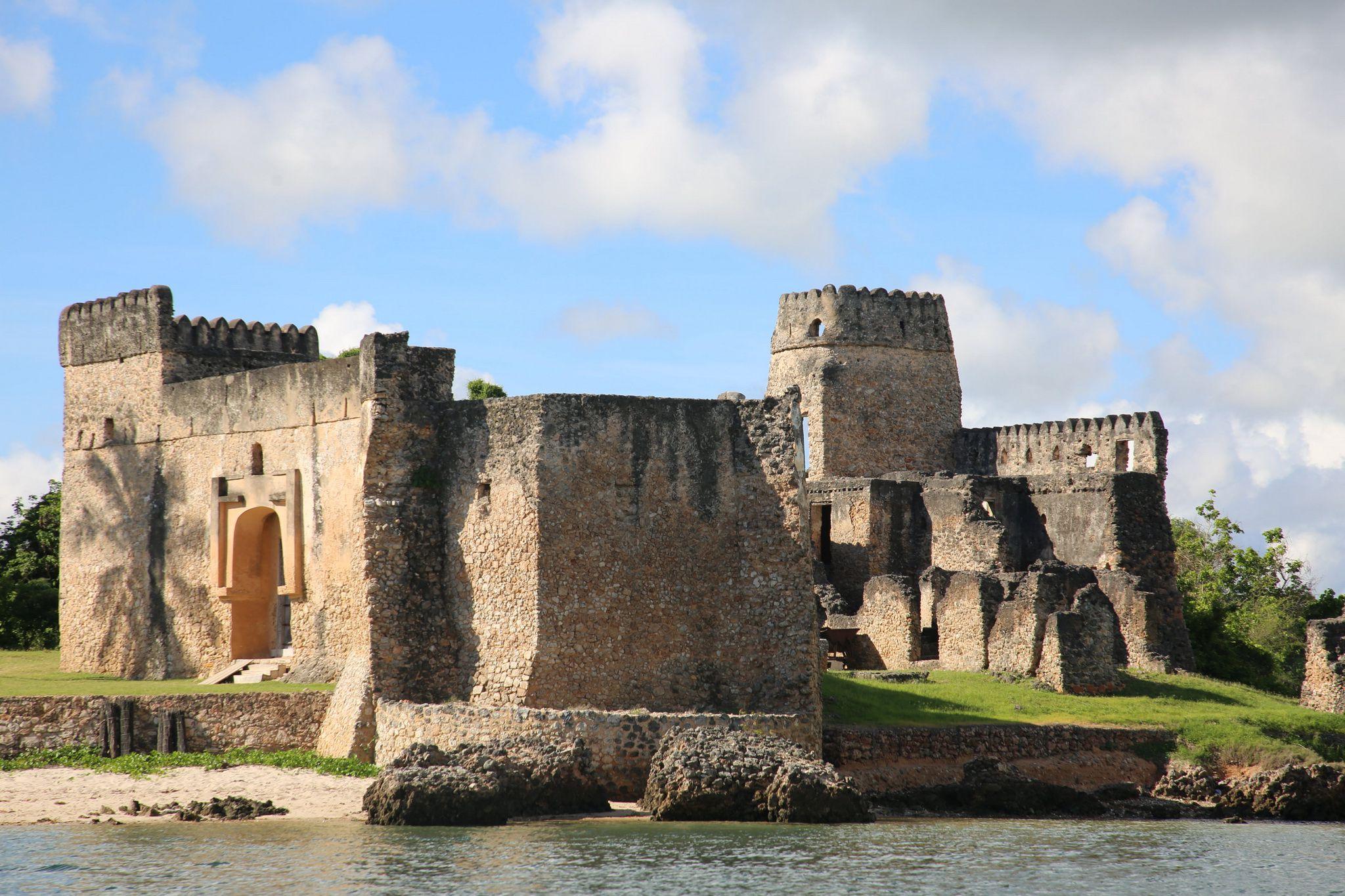
Historic coral stone mosque ruins on Kilwa Kisiwani overlooking Indian Ocean coastline
Why Kilwa Kisiwani Should Be on Your Tanzania Travel List
A lot of travelers are looking for places to visit that will give them meaningful experiences. Kilwa Kisiwani is one of those places. It is a place where history, culture, and natural beauty all come together. The island lets visitors get away from the tourist routes and learn about a part of African history that deserves more attention.
The atmosphere on the island is very quiet and peaceful. You can walk through the streets, admire the buildings made of coral stone, and imagine the ships that used to come to the island carrying traders from all over the world. Every part of the island makes you want to learn more about the people who lived there and the history of the place.
For people looking for a cultural adventure, Kilwa Kisiwani is a great destination. It is a place of discovery where you can learn about the history of the people and their connections to the rest of the world. It reminds visitors that Africa has a history with powerful kingdoms, international connections, and great achievements that still inspire people today.
The story of Kilwa Kisiwani is still alive through its ruins, the local communities, and the visitors who come to the island. Visiting Kilwa Kisiwani is not a trip to an old site; it is a chance to learn about the rich heritage of Tanzania’s coastline.
Kilwa Kisiwani is a symbol of strength and cultural pride. Its old walls tell stories of people who were ambitious, creative, and connected to the rest of the world. This makes it one of the most meaningful historical destinations in Tanzania for people who want to experience something more than just the usual tourist attractions.


