



Jambiani Beach, Zanzibar: Traditional Seaweed Farming and Calm Waters
Jambiani Beach, Zanzibar, is a special place. It is located on the coastline of Zanzibar. Jambiani Beach, Zanzibar, is where life is simple and peaceful. The village has a pace of life that lets you enjoy nature and the local culture.
You will see stretches of white sand and swaying coconut palms. The water is clear and turquoise. This makes Jambiani Beach, Zanzibar, feel very relaxing and authentic. Jambiani Beach, Zanzibar, is different from the beaches in the north.
Jambiani Beach, Zanzibar, introduces visitors to a community. Here you can see how the locals live and work. The community has centuries-old traditions. You can experience Zanzibar, not just the luxury resorts. The beach has a lagoon and dramatic tides. The women who cultivate seaweed are really remarkable. Seaweed farming is a part of the local economy.
If you want to spend mornings by the sea or experience the local culture, Jambiani Beach, Zanzibar, is the place to go. You can enjoy ocean views. Jambiani Beach, Zanzibar, has something for everyone. Your visit to Jambiani Beach, Zanzibar, will be memorable.
A Village That Preserves Zanzibar’s Coastal Heritage
Jambiani is a village that preserves Zanzibar’s heritage. It is a fishing village. The village is kilometers long. Daily life in Jambiani revolves around fishing, seaweed farming, and small-scale agriculture. The locals are very welcoming to visitors.
When you walk through the village, you will see stone houses and friendly residents. There are shops and narrow sandy paths. The paths connect the homes to the beach. Jambiani is not a destination. It has retained its character.
Life in Jambiani moves slowly. The fishermen prepare their boats before sunrise. Children walk to school under coconut trees. The local markets have fruits, spices, and seafood. You can buy crafts. These everyday scenes show you what real island life is like.
The Story Behind Zanzibar’s Seaweed Farming
Seaweed farming is a part of Jambiani. It has changed the communities in Zanzibar over the years. Today, it is one of the important economic activities. Seaweed farming is particularly important for women.
The seaweed farmers work when the tide is out. They walk into the water with ropes and young seaweed plants. The seaweed is tied to lines secured by stakes. The plants grow naturally with sunlight, seawater, and changing tides.
After a week, the seaweed is harvested. It is. Dried under the sun. The seaweed is sold for processing. Jambianis seaweed is used in products all over the world. These products include cosmetics, toothpaste, and pharmaceuticals. Seaweed farming may seem simple. It supports international industries. It also provides income for families.
Watching the seaweed farmers at work is really interesting. They spend hours under the sun taking care of their crops. They work hard despite the changing weather and tidal conditions.
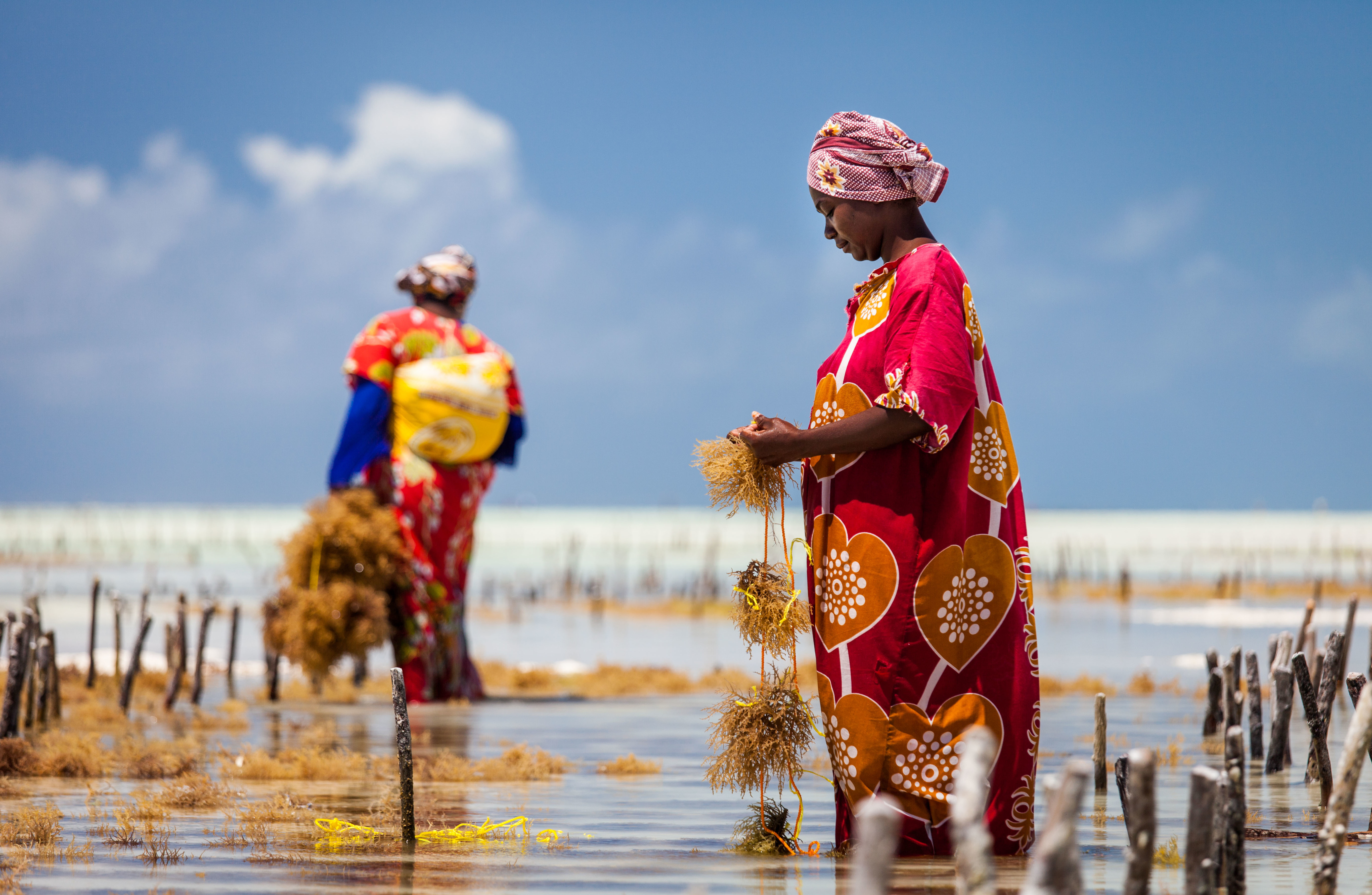
Women harvesting seaweed along Jambiani Beach with calm turquoise waters under bright morning sunshine
Meeting the Women Behind the Seaweed Farming Industry
I had an inspiring experience in Jambiani. It was meeting the women who have built livelihoods through seaweed farming. Many families depend on seaweed farming for school fees, healthcare, household expenses, and food. Seaweed farming is very important to these families.
Generations of women have developed knowledge about planting seasons, tidal movements, harvesting techniques, and drying methods. They know everything about seaweed farming. Several community groups now transform harvested seaweed into soaps, body scrubs, lotions, and skincare products sold to visitors. This is a way for women entrepreneurs to make a living.
Purchasing these produced items directly supports women entrepreneurs while encouraging sustainable tourism. I think this is a way to help the community. Conversations with farmers reveal stories of resilience, determination and community cooperation. The women are very strong. Determined.
By simply observing the seaweed farming process, many visitors gain a genuine understanding of how tourism and traditional livelihoods can support each other. This is a way to learn about the community.
Calm Waters Perfect for Relaxation
One of the defining features of Jambiani Beach is its lagoon. The coral reefs located offshore protect much of the coastline from waves, creating calm conditions throughout much of the year. The waters are very calm and peaceful.
The shallow waters are ideal for travelers seeking relaxation or high-energy beach activities. Gentle waves allow you to enjoy walks through warm water while admiring marine life revealed during low tide. This is a way to relax.
Families with children often appreciate these conditions because the gradual shoreline provides an environment for paddling and swimming during high tide. The kids can play safely in the water.
The peaceful atmosphere encourages visitors to slow down. You can read beneath a palm tree, listen to the ocean, or simply watch fishing boats crossing the horizon. This is a way to unwind.
The Magic of Jambianis Tides
The tides shape life in Jambiani more dramatically than on many other beaches. During low tide, the ocean can retreat hundreds of meters from the shoreline, exposing fascinating coral formations, tidal pools, shells, sea stars, and patches of sea grass. This is a time to explore the ocean.
Walking across the exposed seabed offers an opportunity to observe marine ecosystems up close. You can see all sorts of life. As the tide returns, the lagoon gradually fills with crystal-clear water, creating excellent conditions for swimming and paddleboarding. This is a time to enjoy the water.
Understanding the tide schedule allows you to enjoy experiences throughout the same day. You can go for a morning walk across exposed reefs. Then go swimming in the afternoon. This is a way to experience the ocean.
Snorkeling Beyond the Reef
Although Jambiani itself has excellent snorkeling opportunities lie just offshore near the coral reefs. Boat excursions take visitors to reef systems filled with colorful tropical fish, coral gardens, sea urchins, starfish, and occasionally sea turtles or dolphins. This is a way to see marine life.
The Indian Ocean surrounding Jambiani supports marine biodiversity. Snorkeling trips often combine exploration with visits to nearby sandbanks where travelers can relax before returning to shore. This is a way to experience the ocean.
Local guides understand the snorkeling locations depending on tides and weather, making the experience enjoyable for beginners and experienced snorkelers alike. The guides are very knowledgeable.
Traditional Fishing Culture
Fishing remains a part of life in Jambiani. Each morning, traditional wooden dhow boats leave the shoreline carrying fishermen who use methods passed down through generations. The fishermen are very skilled.
Depending on the season, they catch tuna, snapper, octopus, squid, and other reef fish. The seafood is very fresh. Returning boats often create scenes as white sails appear against the blue Indian Ocean. This is a sight to see.
Many beachfront restaurants purchase seafood from local fishermen, allowing you to enjoy exceptionally fresh meals. The food is very delicious. Watching fishermen repair nets or prepare boats offers another glimpse into the village’s connection with the sea. The villagers are very proud of their fishing culture.
Fresh Seafood with Swahili Flavors
Dining in Jambiani combines ocean ingredients with Jambiani’s famous spice heritage. Grilled lobster, octopus curry, coconut fish stew, prawns, calamari, and caught snapper frequently appear on local menus. The food is very flavorful.
Spices such as cinnamon, cloves, turmeric, cardamom, ginger, and black pepper give recipes their distinctive flavor. The spices are very aromatic. Fresh tropical fruits, including mangoes, pineapples, papayas, bananas, and passion fruit, provide desserts after meals. The fruit is very sweet.
Many restaurants overlook the ocean, allowing you to enjoy dinner while watching the changing colors of the sunset. This is a way to enjoy a meal.
Responsible Tourism That Supports the Community
Visitors increasingly choose Jambiani because tourism directly benefits residents. Many accommodations are locally owned, while village tours, handicraft purchases, seaweed products, restaurants, and guided excursions generate employment within the community. This is a way to help the community.
Choosing businesses helps preserve traditional livelihoods while encouraging sustainable development. This is a way to make a positive impact. Respecting customs also enhances your experience. You should dress modestly when walking through the village, ask permission before photographing people, and support artisans. This is a way to show appreciation for the community.
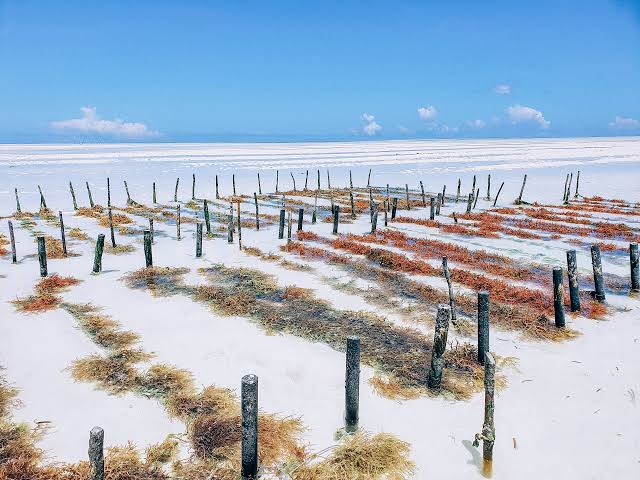
drying harvested seaweed beside Jambiani Beach under clear tropical blue skies daily.
Activities Beyond the Beach
Although relaxation attracts travelers, Jambiani also offers numerous opportunities for exploration. Cycling through villages provides insight into everyday island life. You can see how the locals live.
Guided walking tours introduce visitors to schools, local markets, seaweed farms, and traditional homes. This is a way to learn about the community. Yoga retreats have become popular thanks to the peaceful surroundings and gentle ocean breeze. This is a way to relax.
Water sports such as stand-up paddleboarding, kayaking, and kiteboarding are available depending on wind conditions. This is a way to have fun in the water. Boat excursions may include dolphin watching, snorkeling trips, or visits to reefs. This is a way to experience the ocean.
Photography enthusiasts particularly enjoy the changing light created by the tides, fishing boats, dramatic sunrises, and daily village activities. The scenery is very picturesque.


