Is the Great Migration Worth It? Honest Traveller Review
The question of whether the Great Migration is truly worth it is one that many travellers ask before committing to what is often a once-in-a-lifetime safari investment. Set across the iconic landscapes of Serengeti National Park and Masai Mara National Reserve, the Great Migration is widely marketed as Africa’s greatest wildlife spectacle.
But beyond the brochures and dramatic photography, what is the real, on-the-ground experience like in 2026? Is it always as epic as it looks, or are there nuances travellers should understand before booking?
This honest review breaks down the highs, the realities, and whether the experience truly delivers value, helping you decide if it aligns with your expectations.
The First Impression: Scale Beyond Expectation
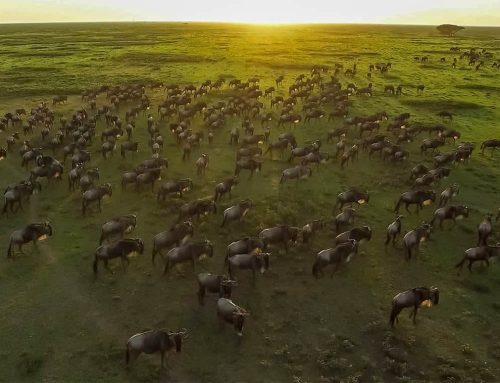
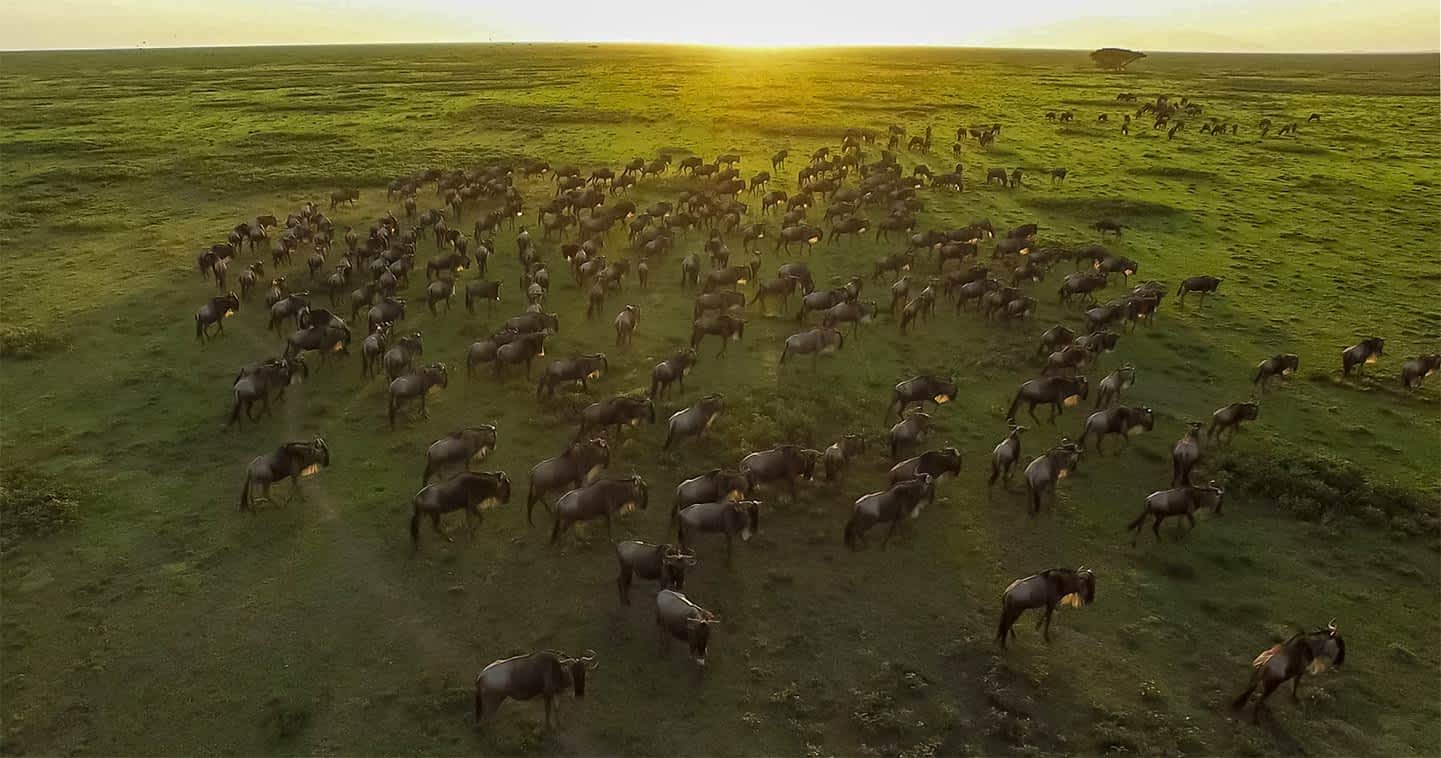
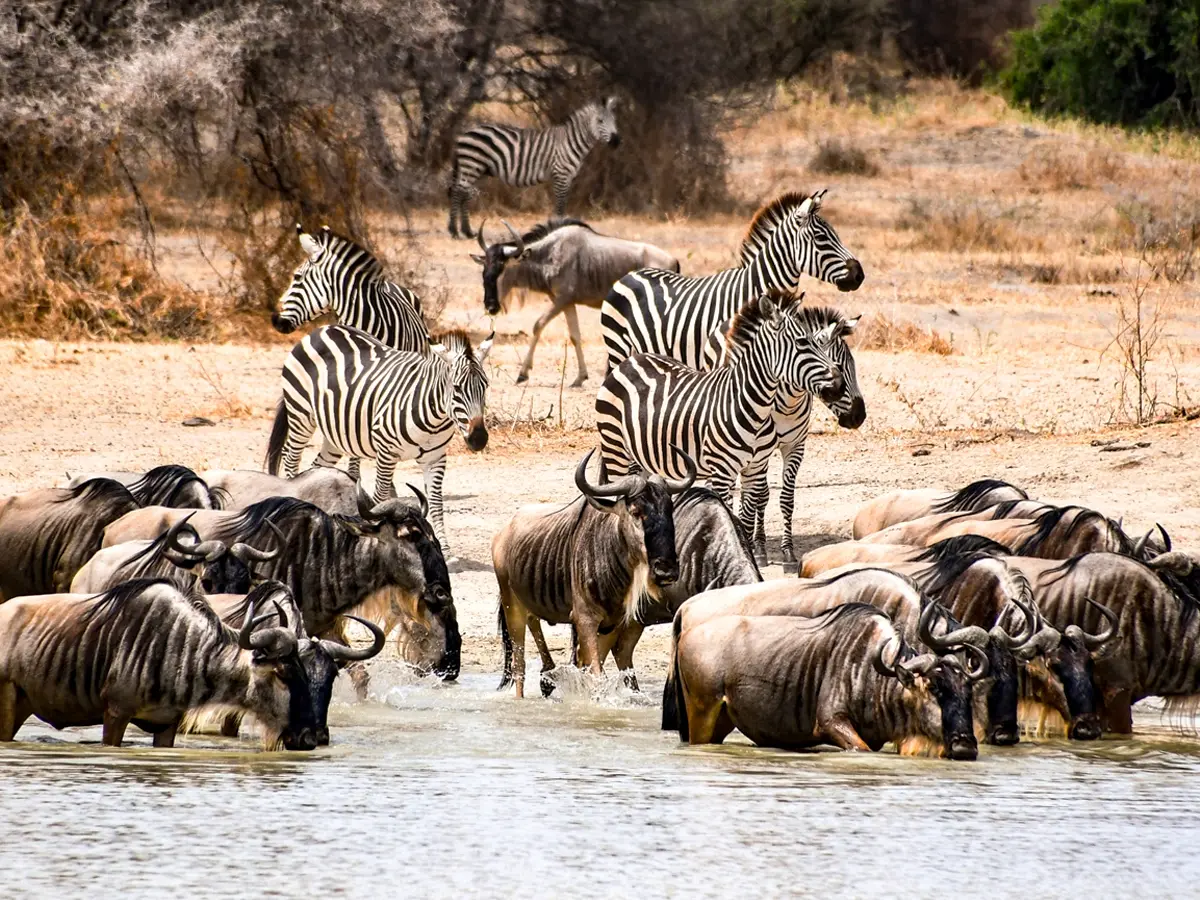
The moment you see the herds, everything changes. No matter how many documentaries you’ve watched, nothing prepares you for the sight of thousands—sometimes hundreds of thousands—of Blue Wildebeest spread across the plains.
The scale is not just visual; it is sensory. You hear the constant rumble of hooves, see dust rising across the horizon, and feel the movement as if the land itself is alive. This is where the Great Migration immediately justifies its reputation.
For many travellers, this first encounter alone makes the journey worthwhile. It is not just about seeing animals—it is about witnessing a living, moving ecosystem on a massive scale.
The Reality Check: It’s Not Always Dramatic
Here is the honest truth most brochures don’t emphasize: the Great Migration is not constantly dramatic.
There are moments of intense action—river crossings, predator hunts, calving season—but there are also long periods where the herds are simply grazing, resting, or slowly moving. If you arrive at the wrong time or in the wrong location, you may see scattered groups rather than massive concentrations.
This does not mean the experience is disappointing, but it does require proper expectations. The migration is a natural event, not a staged show. Timing and itinerary planning are critical to maximize your chances of witnessing the most dramatic moments.
River Crossings: The Highlight Everyone Wants
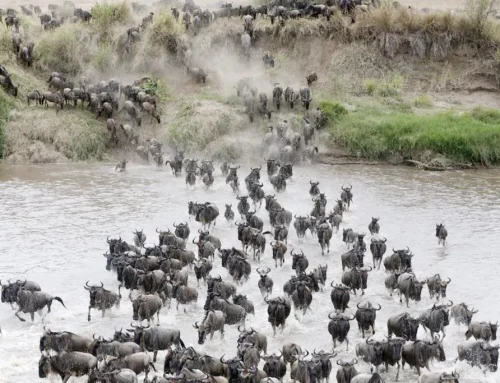
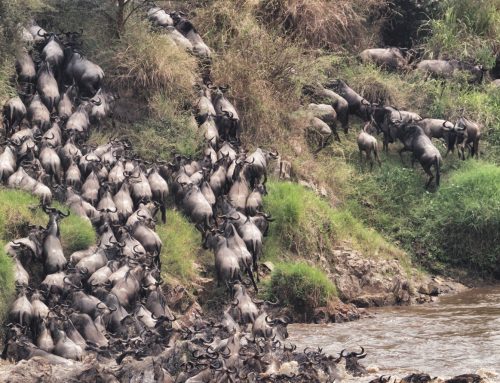
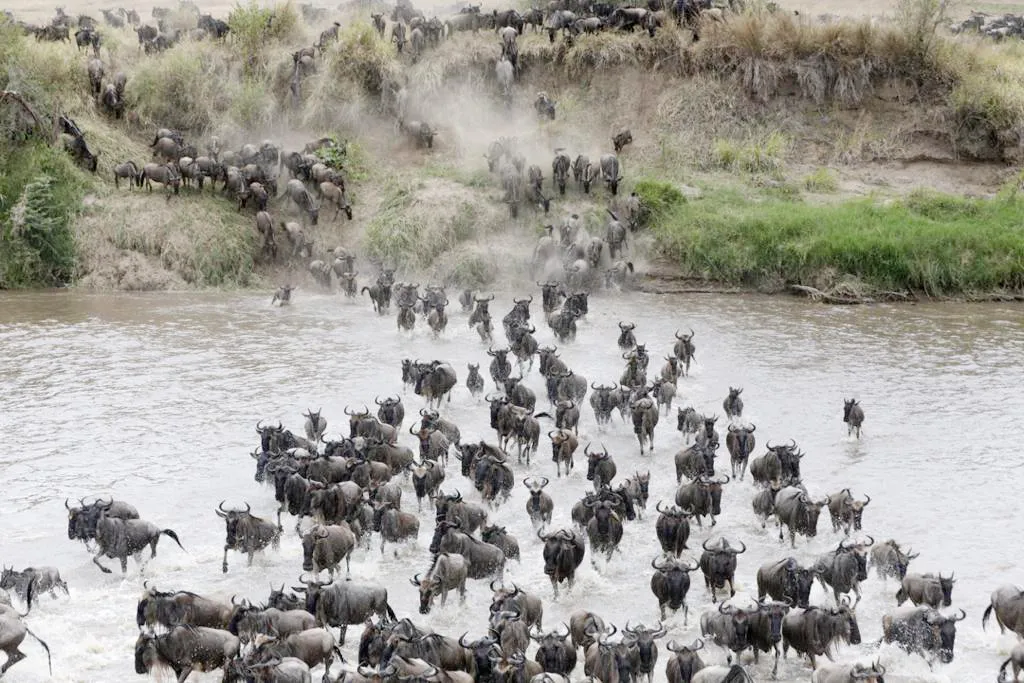
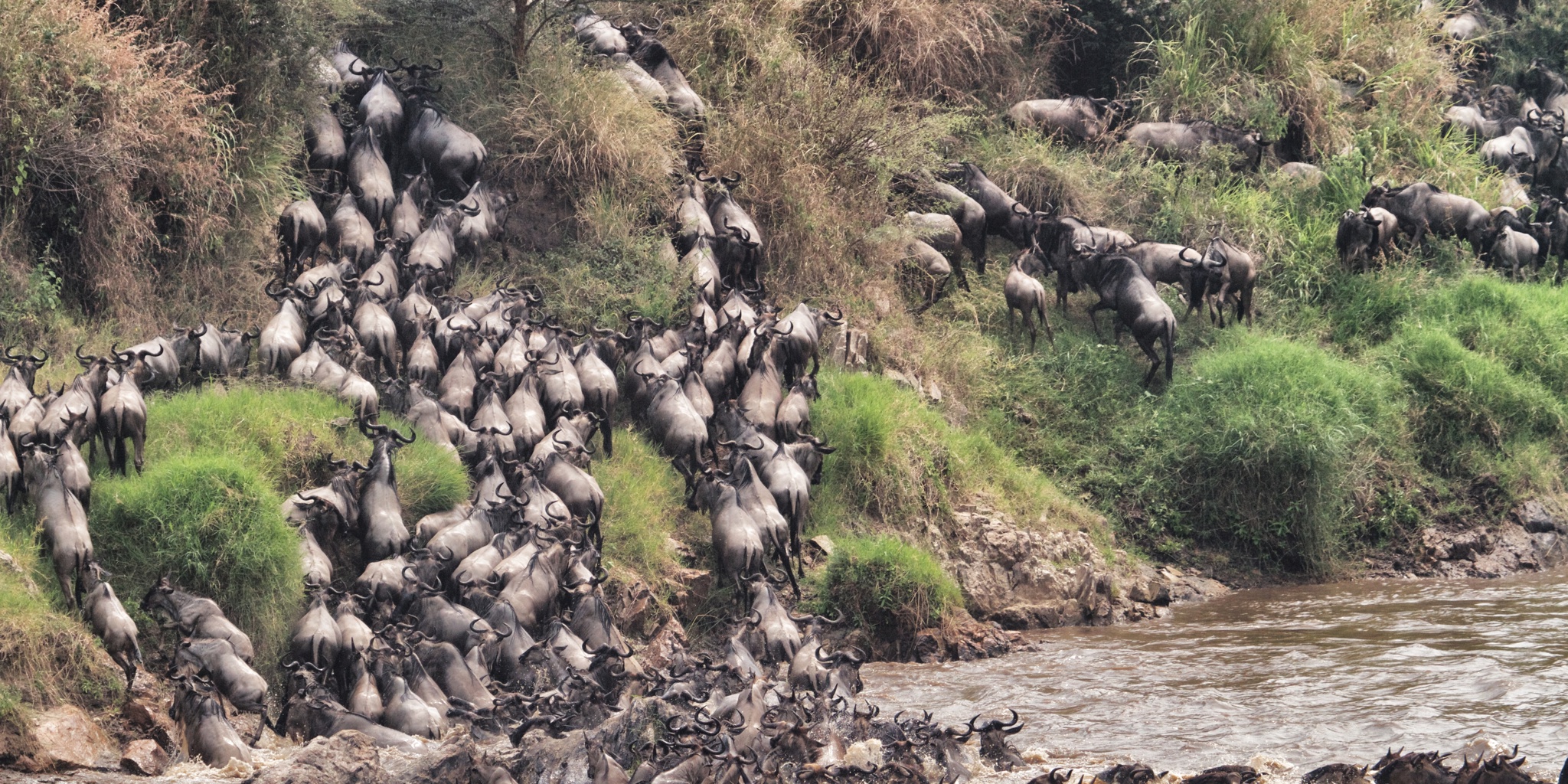
River crossings are the most sought-after part of the migration, typically occurring between July and October as herds move into the Masai Mara.
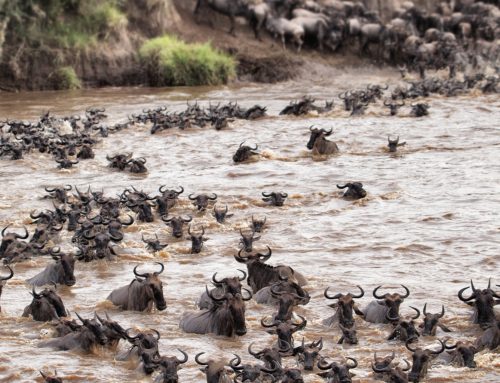
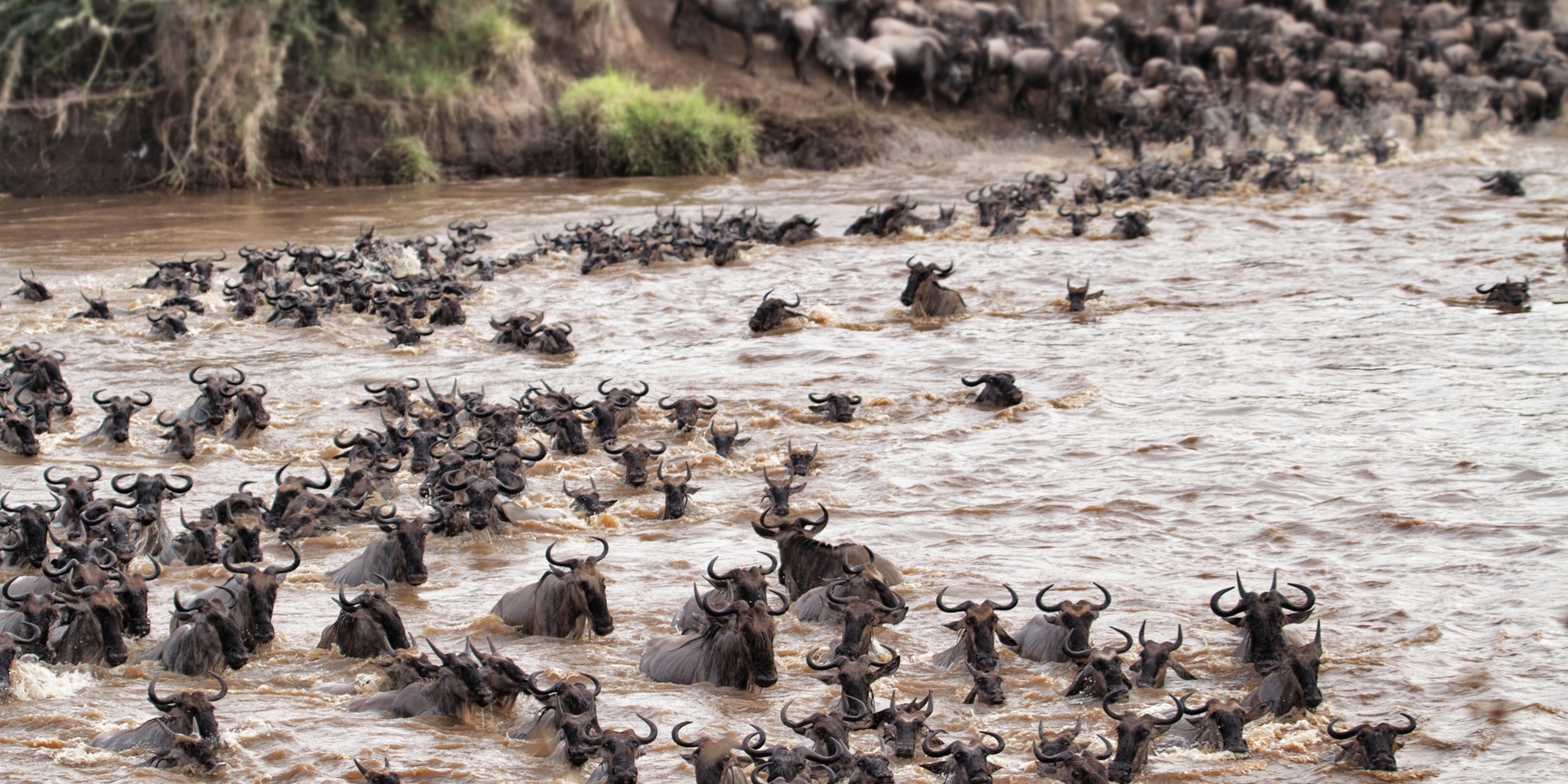
These moments are chaotic, emotional, and unpredictable. Thousands of wildebeest gather at riverbanks, hesitating before plunging into waters filled with strong currents and crocodiles. The tension builds slowly, and when the crossing finally happens, it can be over in minutes.
However, there is an important reality: you might wait hours—or even days—without seeing a crossing. Timing is everything, and even experienced guides cannot guarantee when or where it will happen.
When it does happen, though, it is one of the most powerful wildlife spectacles on Earth, and for many travellers, it becomes the defining moment of their safari.
Calving Season: A Different Kind of Magic
If you visit between January and March, the migration offers a completely different experience in the southern Serengeti. Instead of dramatic crossings, you witness the birth of hundreds of thousands of calves within weeks.
This period is less about movement and more about life and survival. Newborn wildebeest take their first steps within minutes, while predators such as lions and hyenas take advantage of the abundance of vulnerable prey.
For travellers who appreciate behavioral wildlife viewing and photography, this season can be even more rewarding than river crossings. It is quieter, less crowded, and deeply immersive.
Crowds and Cost: The Trade-Off
One of the biggest downsides of the Great Migration is popularity. During peak months, especially in the Masai Mara, popular viewing spots can become crowded with safari vehicles.
This can affect the sense of wilderness, particularly during river crossings where multiple vehicles gather along the banks. While guides often try to find quieter areas, the reality is that you are sharing the experience with other travellers.
Cost is another factor. Migration safaris are generally more expensive than regular safaris, especially when staying in prime locations close to the herds. Flights, luxury camps, and peak-season pricing can significantly increase the overall budget.
However, many travellers feel that the unique scale and drama justify the higher cost, especially for a once-in-a-lifetime trip.
Wildlife Beyond the Migration
Another important consideration is that the migration is not the only wildlife experience available. The Serengeti and Masai Mara are rich ecosystems with year-round wildlife, including lions, elephants, cheetahs, and leopards.
Even when the herds are not concentrated, the parks still offer excellent game viewing opportunities. This means your safari is rarely “wasted,” even if the migration is less dramatic during your visit.
In fact, some travellers find that combining the migration with other destinations—such as Queen Elizabeth National Park or Bwindi Impenetrable National Park—creates a more balanced and diverse safari experience.
The Emotional Impact: Why It Stays With You
What truly makes the Great Migration worth it is not just what you see, but how it makes you feel.
There is something profoundly humbling about witnessing such a vast, natural system operating without human control. The constant movement, the struggle for survival, and the raw beauty of the landscape create an experience that is both emotional and unforgettable.
For many travellers, the migration becomes more than a safari—it becomes a personal connection to nature, a reminder of how ecosystems function on a scale far beyond everyday life.
Who Should Absolutely Do It
The Great Migration is especially worth it for travellers who are drawn to big, dramatic wildlife events and photography opportunities. If you have always dreamed of seeing massive herds, predator action, and iconic African landscapes, this experience delivers in a way few others can.
It is also ideal for first-time visitors to East Africa who want to witness one of the continent’s most famous natural phenomena.
Who Might Prefer Something Else
Travellers who prefer quiet, uncrowded experiences or highly predictable wildlife viewing may find certain aspects of the migration less appealing. The need for precise timing, the possibility of waiting for key events, and the presence of other vehicles can be drawbacks.
In such cases, a regular safari in parks with stable wildlife populations may offer a more relaxed and consistent experience.
Final Verdict: Is It Worth It?
Yes—but with realistic expectations.
The Great Migration is absolutely worth it if you understand that it is a natural, unpredictable phenomenon rather than a guaranteed spectacle at every moment. When timed well, it delivers some of the most powerful and unforgettable wildlife experiences in the world.
However, its value depends on how well your itinerary is planned, your flexibility, and your expectations.
For most travellers in 2026, the answer remains clear: the Great Migration is not just worth it—it is one of the defining wildlife experiences on Earth, offering scale, drama, and emotion that few other safaris can match.