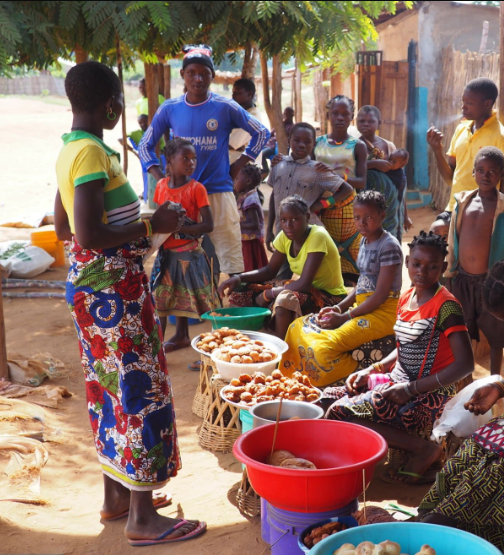
Is Mozambique Good for Families?
But the pressing question remains: Is Mozambique good for families? The answer is a resounding yes, but with some considerations. Mozambique offers a unique blend of adventure, cultural immersion, and a relaxed lifestyle that can be incredibly rewarding for families willing to embrace its charms. In this article, we’ll explore why Mozambique is good for families, covering key aspects such as safety, education, healthcare, recreational opportunities, and community life.
1. Safety and Security in Mozambique
Safety is a top priority for families, and Mozambique has made significant strides in improving stability over the years. While certain areas, particularly in the northern regions, may experience sporadic unrest due to insurgent activities, the southern and central regions—including Maputo, Matola, and Beira—are generally safe for expatriates.
Key Safety Considerations:
-
Expatriate Communities: Many foreign families live in gated communities or secure compounds, offering peace of mind.
-
Low Crime in Expat Areas: Tourist and expat-heavy zones like Ponta do Ouro, Vilankulo, and Pemba are known for their safety.
-
Local Friendliness: Mozambicans are known for their warmth and hospitality, making it easier for families to integrate.
While no country is entirely free from risks, exercising common sense—such as avoiding isolated areas at night—can ensure a safe and enjoyable experience.
2. Education: Schools for Expatriate and Local Families
One of the biggest concerns for families moving abroad is the quality of education. Fortunately, Mozambique offers several excellent schooling options:
International Schools:
-
American International School of Mozambique (AISM) – Maputo: Follows a U.S.-based curriculum.
-
Maputo International School (MIS): Offers the International Baccalaureate (IB) program.
-
Escola Portuguesa de Moçambique: A great option for Portuguese-speaking families.
Local Schools:
While public schools may not meet the standards expat families are accustomed to, some private Mozambican schools provide quality bilingual education (Portuguese and English).
Homeschooling & Online Learning:
With improving internet infrastructure, some families opt for hybrid or online schooling, especially in more remote areas.
3. Healthcare: Access and Quality
Mozambique’s healthcare system is developing, with private hospitals offering better services than public ones. For families, access to reliable medical care is crucial.
Top Healthcare Facilities:
-
Hospital Privado (Maputo): The best-equipped private hospital in the country.
-
Clínica da Sommerschield (Maputo): Popular among expats for general care.
-
Vilankulo Private Hospital: Serves the coastal expat community.
Health Insurance:
Expatriate families should invest in comprehensive international health insurance to cover emergencies and medical evacuations if needed.
4. Cost of Living: Affordable Yet Varied
Mozambique can be surprisingly affordable compared to Western countries, but costs vary depending on lifestyle choices.
Housing:
-
Maputo: High-end apartments can be expensive (up to $2,000/month), but suburban homes are more affordable.
-
Coastal Towns (Vilankulo, Tofo, Pemba): Rental prices are lower, and beachfront living is a major perk.
Daily Expenses:
-
Groceries: Local markets offer fresh produce at low costs, while imported goods are pricier.
-
Transport: Owning a car is advisable, as public transport is limited.
For families willing to adapt to local shopping habits, the cost of living can be very manageable.
5. Family-Friendly Activities and Lifestyle

What truly makes Mozambique good for families is its incredible lifestyle—blending adventure, relaxation, and cultural richness.
Outdoor Adventures:
-
Beach Life: From snorkeling in the Bazaruto Archipelago to dolphin watching in Ponta do Ouro, Mozambique’s coastline is a paradise for kids.
-
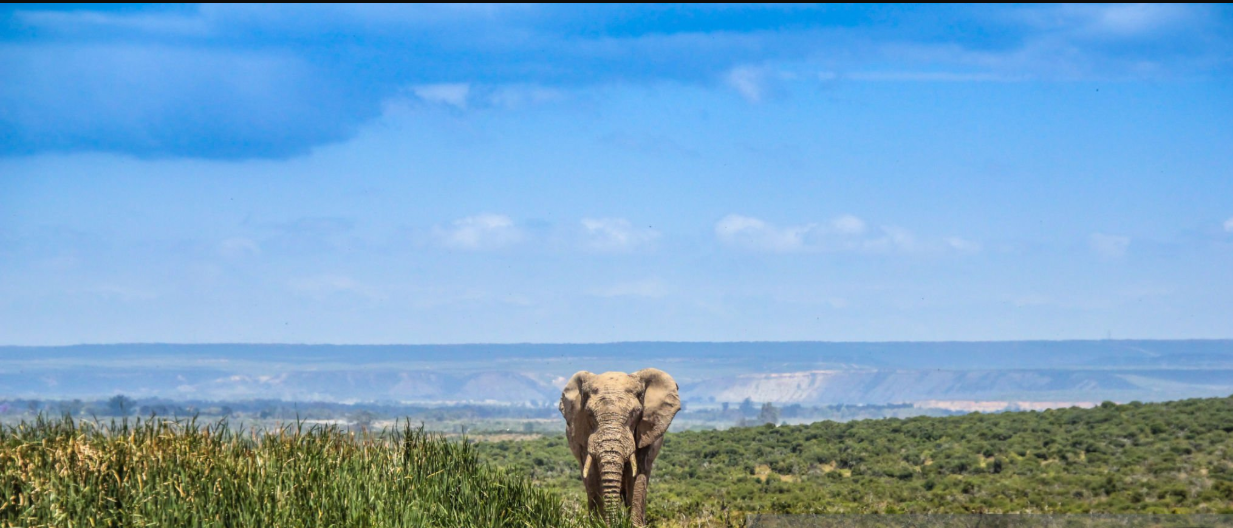
Wildlife Safaris: Gorongosa National Park offers incredible family-friendly safari experiences.
-
Island Getaways: The Quirimbas and Primeiras & Segundas archipelagos provide unforgettable escapes.
Cultural Experiences:
-
Local Festivals: Events like the Maputo International Music Festival expose children to diverse cultures.
-
Language Learning: Portuguese is the official language, but English is widely spoken in expat circles—great for multilingual upbringing.
Community & Social Life:
Expatriate communities in Mozambique are tight-knit, with regular family events, sports clubs, and volunteer opportunities.
6. Challenges to Consider
While Mozambique is good for families, it’s important to acknowledge potential challenges:
-
Infrastructure: Outside major cities, roads and utilities can be unreliable.
-
Bureaucracy: Visa processes and paperwork can be slow.
-
Healthcare Limitations: Serious medical conditions may require evacuation to South Africa.
However, for adaptable families, these challenges are often outweighed by the country’s beauty and slower pace of life.
Is Mozambique the Right Choice for Your Family?
For families seeking adventure, cultural enrichment, and a close-knit community, Mozambique is indeed good for families. With its stunning natural beauty, welcoming locals, and improving amenities, it offers a unique upbringing for children—one filled with exploration and appreciation for diverse cultures.
If your family values resilience, adventure, and a slower, more meaningful way of life, Mozambique could be the perfect place to call home.
Moving abroad is never without its hurdles, but for those who embrace it, Mozambique offers a life less ordinary—one where family bonds grow stronger amidst sunsets over the Indian Ocean and the laughter of children playing on untouched beaches.
So, is Mozambique good for families? Absolutely—if you’re ready for the adventure of a lifetime.