How to Track the Great Migration in Real Time
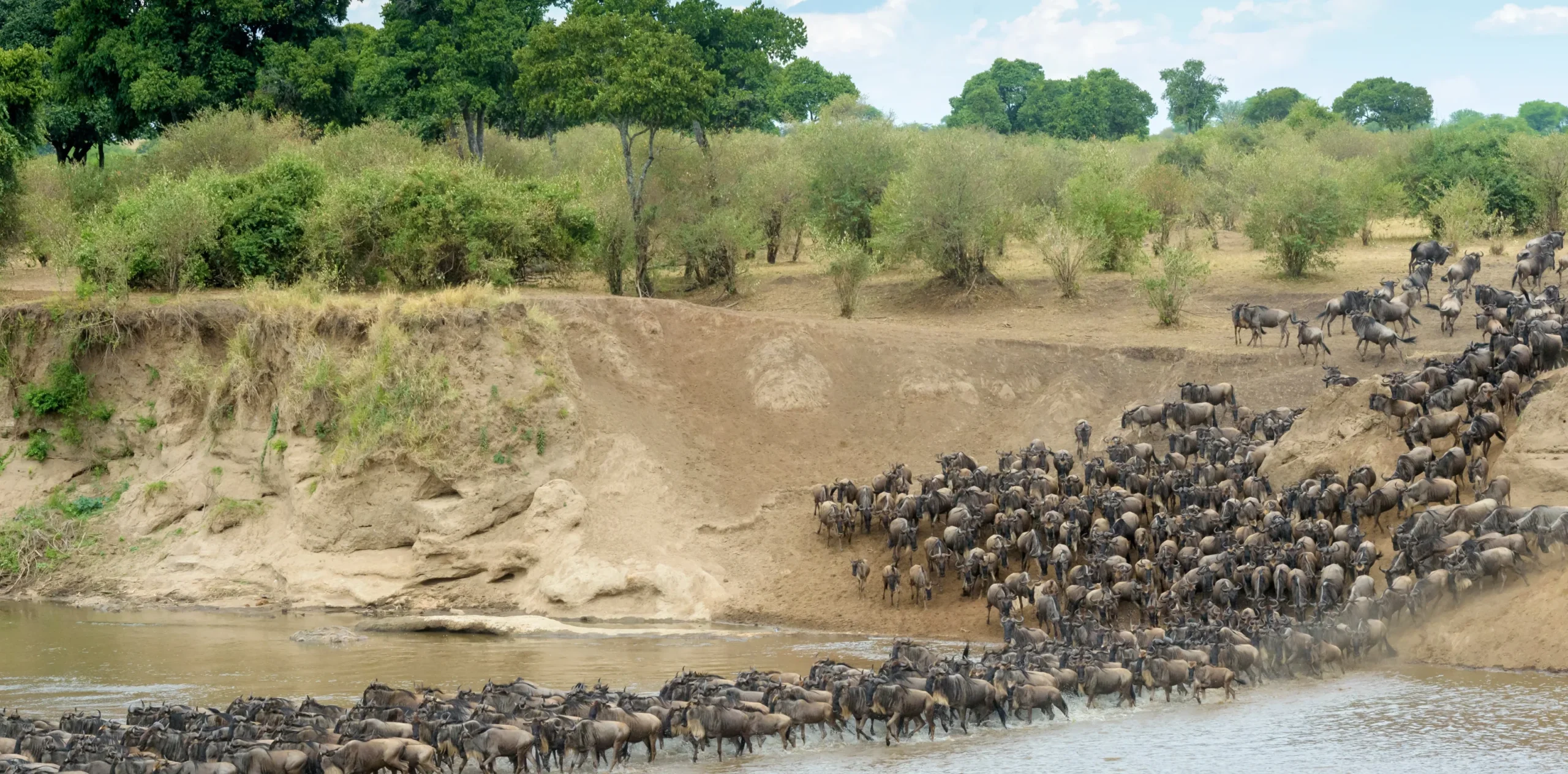
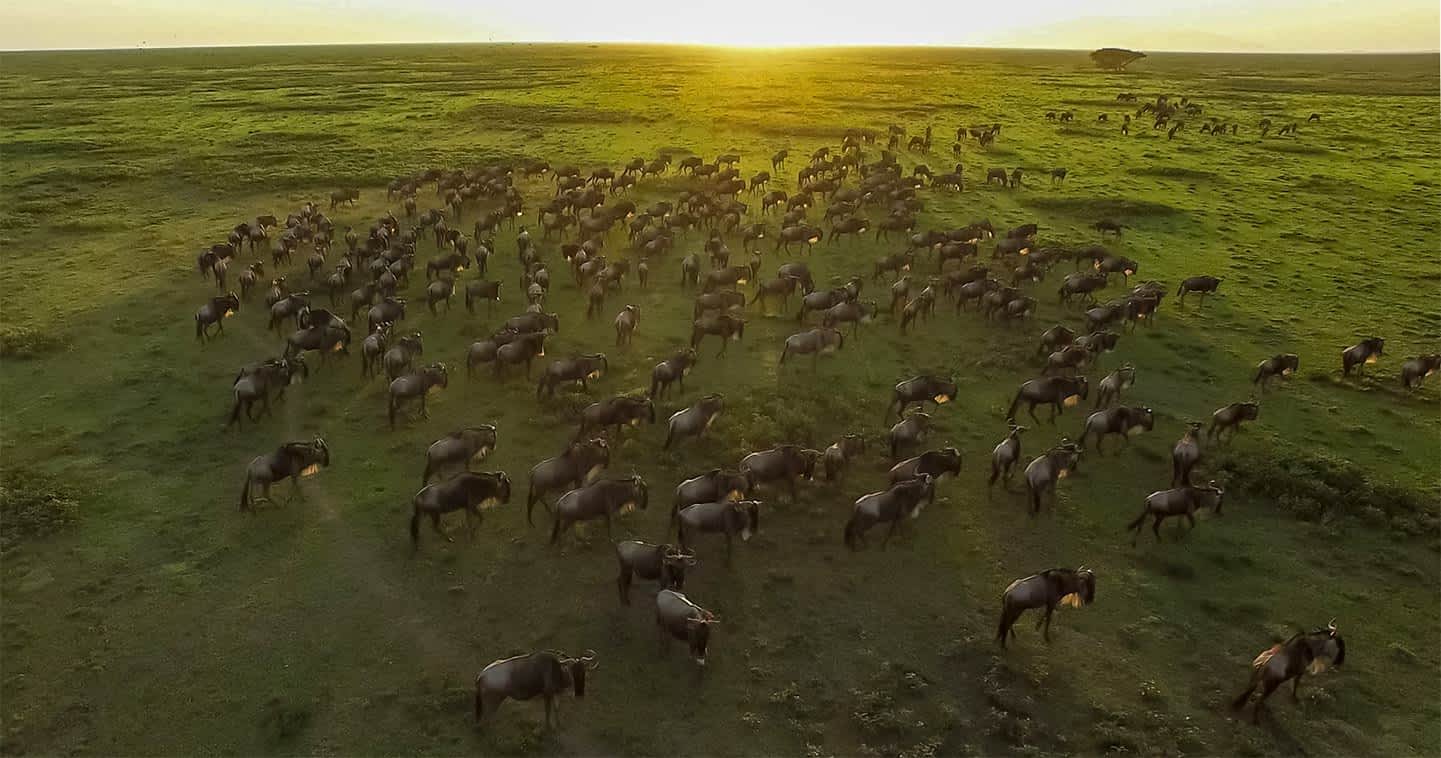
Tracking the Great Migration in real time requires understanding both movement patterns and the environmental triggers that drive them, rather than relying on fixed dates. The migration is not a single event but a continuous circular movement of over 1.5 million wildebeest across the Serengeti National Park and Maasai Mara National Reserve, dictated primarily by rainfall and grass availability.
Unlike many wildlife events, the Great Migration does not follow a strict calendar, meaning that real-time tracking depends on interpreting seasonal changes, monitoring herd reports, and using up-to-date safari intelligence. Travelers, guides, and researchers rely on a combination of satellite data, ranger updates, and local expertise to predict where the herds will be at any given time.
Understanding the Migration Cycle and Movement Patterns
The migration follows a predictable annual loop, but its exact timing shifts slightly each year depending on rainfall patterns, making flexibility the key to tracking it successfully. From January to March, the herds concentrate in the southern Serengeti for calving season, where thousands of wildebeest are born daily.
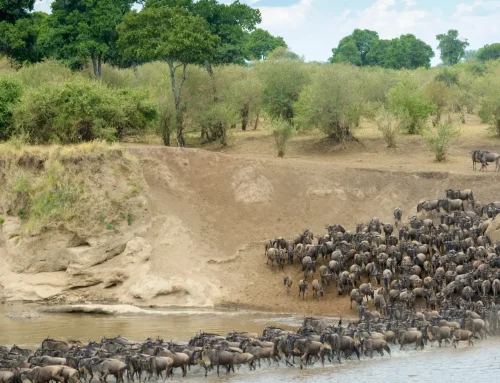
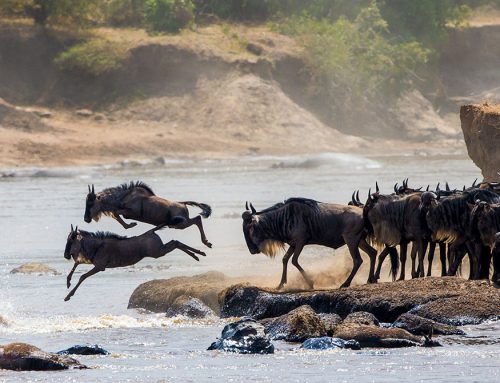
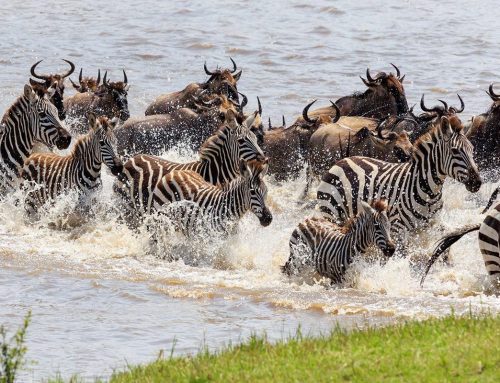
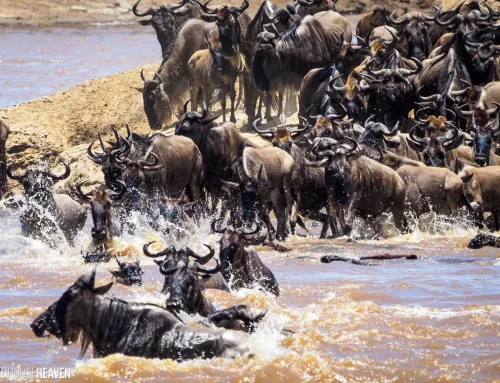
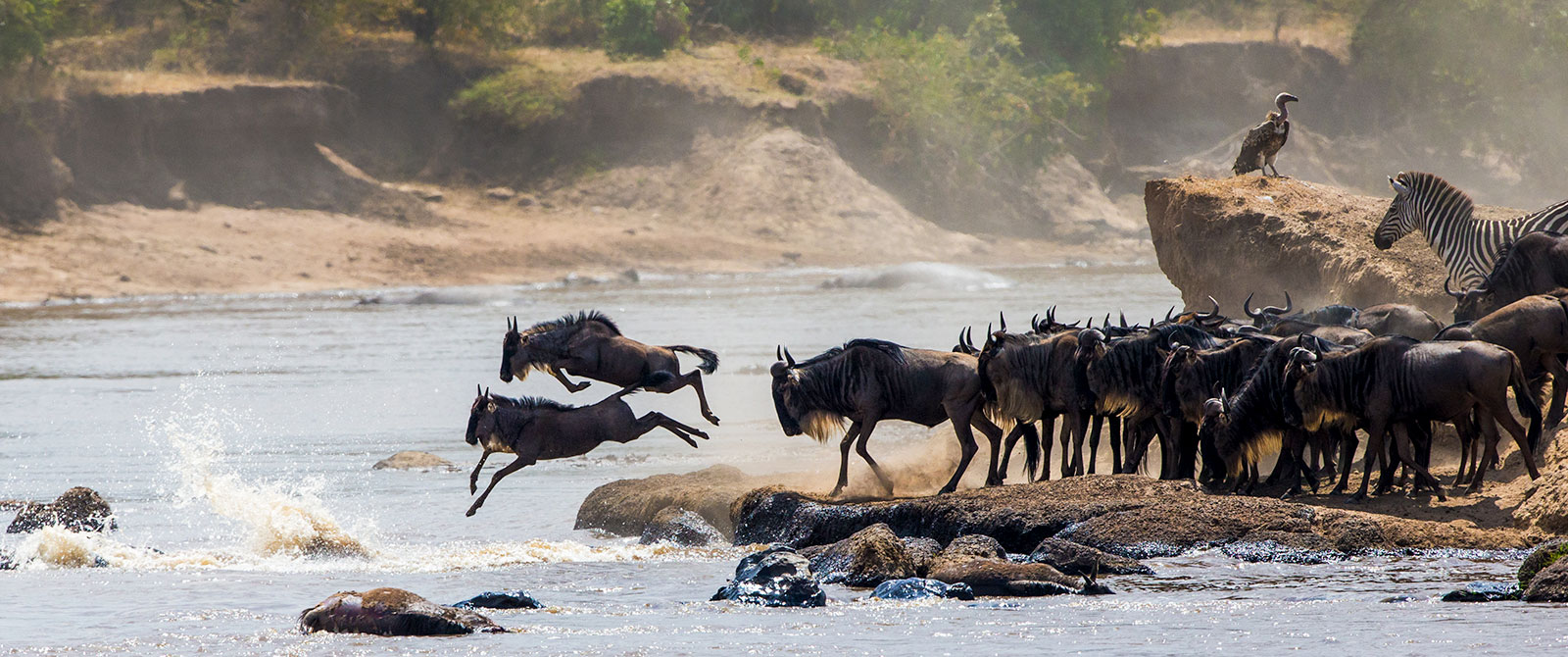
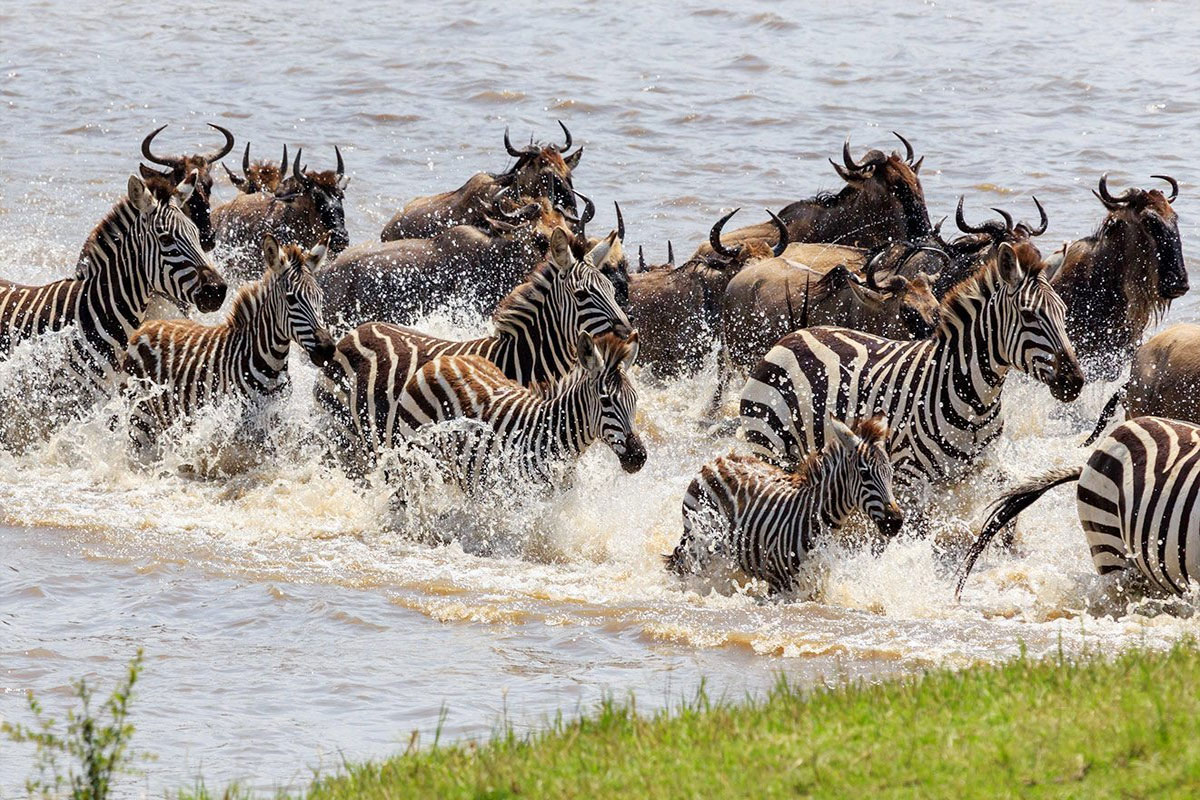
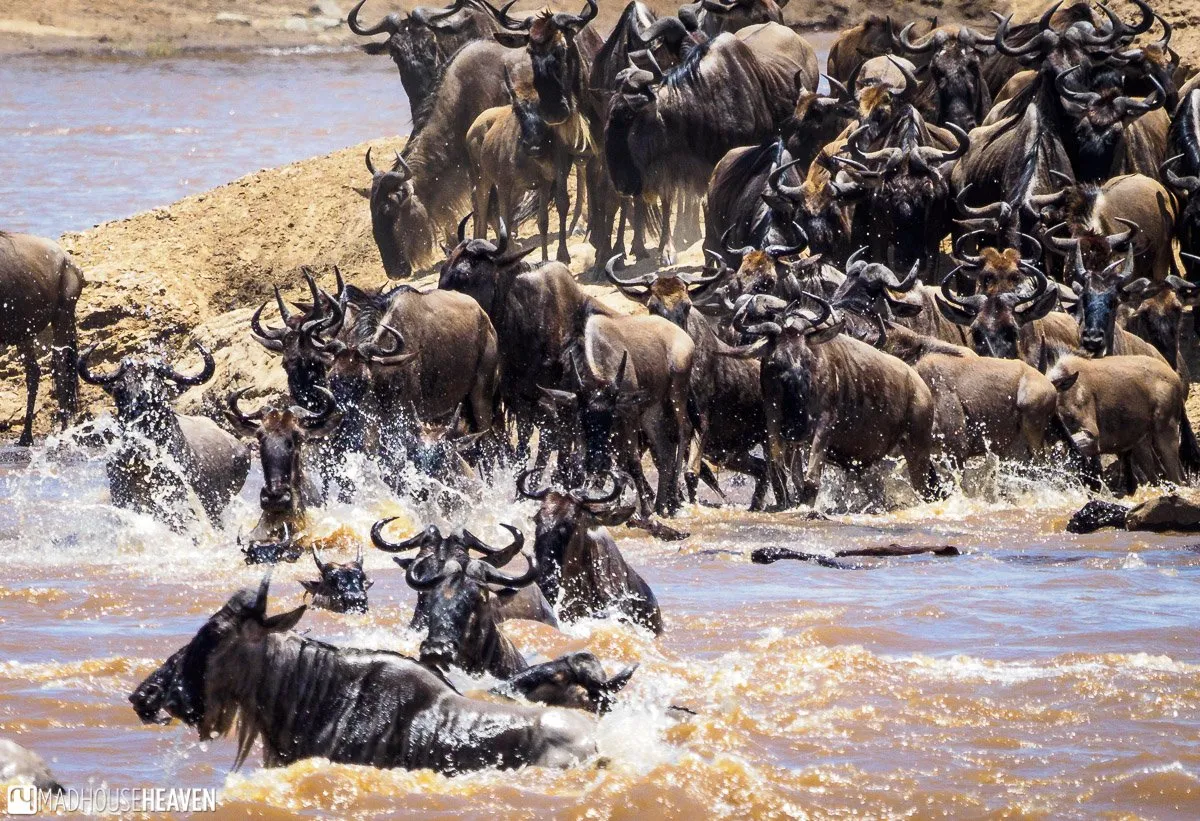
As the dry season begins, the herds start moving northwest and then north toward the Mara River, typically between June and October. This is when dramatic river crossings occur, attracting intense predator activity and global attention.
After reaching the Maasai Mara, the herds gradually begin their return journey south, moving back into the Serengeti as the short rains begin around November. This continuous loop means that the migration is always happening somewhere, even if it is not always in the same location.
Real-Time Tracking Tools and Methods
Modern technology has made it easier than ever to track the Great Migration in real time, with several digital tools providing regular updates on herd locations. Safari operators, conservation organizations, and guides frequently share movement updates based on sightings and aerial surveys.
Live tracking maps and wildlife reporting platforms offer near real-time data, often updated daily or weekly depending on conditions. These maps rely on GPS collar data from select animals, ranger patrol observations, and tourist sightings.
Social media has become a surprisingly powerful real-time tracking tool, where safari guides and camps post immediate updates about herd movements, river crossings, and predator action. Following reputable safari companies operating in the Serengeti and Maasai Mara can provide highly accurate, ground-level insights.
Working with Local Safari Experts
The most reliable way to track the migration in real time is through experienced local guides and safari operators, who spend every day in the field observing animal behavior and environmental changes. These professionals understand subtle signs such as grass condition, wind direction, and herd restlessness.
Guides often communicate with each other across vast مناطق, sharing information about herd movements and predator sightings. This network creates a dynamic, constantly updated picture of where the migration is heading next.
Booking a flexible safari itinerary increases your chances of witnessing key migration moments, as camps and guides can adjust game drives based on the latest information. Mobile tented camps, in particular, are designed to move with the herds, offering front-row access to the action.
Key Locations to Monitor Throughout the Year
Certain regions within the Serengeti-Mara ecosystem act as migration hotspots at different times of the year, making them essential reference points when tracking herd movements. The southern plains of the Serengeti dominate early in the year, while the western corridor becomes active as the herds move toward the Grumeti River.
The northern Serengeti and Maasai Mara become the focal point during peak migration season, especially around river crossings. Monitoring reports from these areas during mid-year provides strong indications of where the most dramatic action is taking place.
Understanding these geographical zones allows you to anticipate movement rather than simply react to it, giving you a strategic advantage when planning or following the migration in real time.
Challenges of Real-Time Tracking
Tracking the Great Migration is inherently unpredictable due to its dependence on weather patterns, particularly rainfall. A delay in rains can slow movement, while early rains can accelerate the herds’ return south.
The vast scale of the ecosystem also makes precise tracking difficult, as herds can spread out over large areas or split into smaller groups. This dispersion can create the illusion that the migration has “disappeared” when it has actually just shifted location.
Despite these challenges, combining multiple tracking methods significantly improves accuracy, allowing travelers and wildlife enthusiasts to stay informed and adapt their plans accordingly.
Conclusion: Staying Ahead of the Herds
Successfully tracking the Great Migration in real time is about combining knowledge, technology, and local expertise, rather than relying on fixed schedules. By understanding seasonal patterns, following real-time updates, and working with experienced guides, you can position yourself in the right place at the right time.
Ultimately, the migration rewards flexibility and awareness, offering unforgettable wildlife encounters to those who are prepared to follow its ever-changing path across East Africa’s most iconic landscapes.