How Many River Crossings Happen Per Day During Peak Season?
Overview of Daily Crossing Frequency
During peak Great Migration season, there is no fixed number of Mara River crossings per day, but the activity can range from zero to several major crossing events within a single 24-hour period. This variability is driven by herd movement, weather conditions, predator pressure, and the unpredictable nature of wildebeest decision-making.
In the most active periods, typically between August and September, it is possible to witness between 1 and 5 distinct crossing events per day across different points of the Mara River system. However, this is an upper range scenario rather than a guaranteed daily pattern.
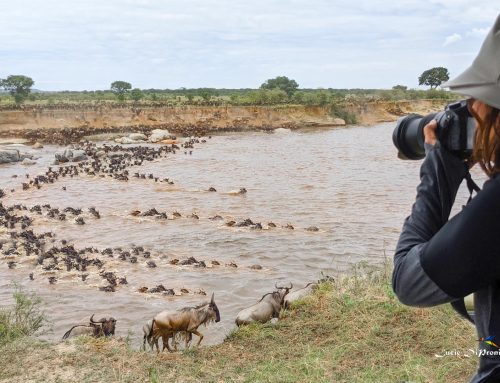
The crossings occur between the northern Serengeti National Park and the Maasai Mara National Reserve, where multiple herds approach different sections of the river simultaneously or in staggered waves.
What Counts as a “River Crossing Event”
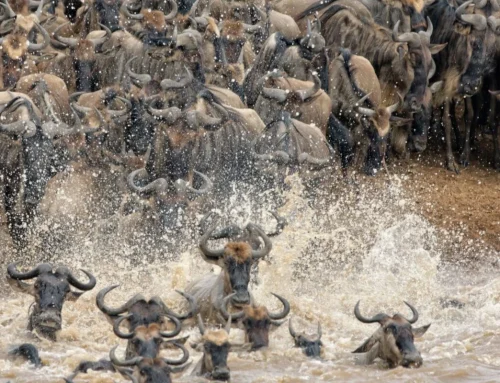
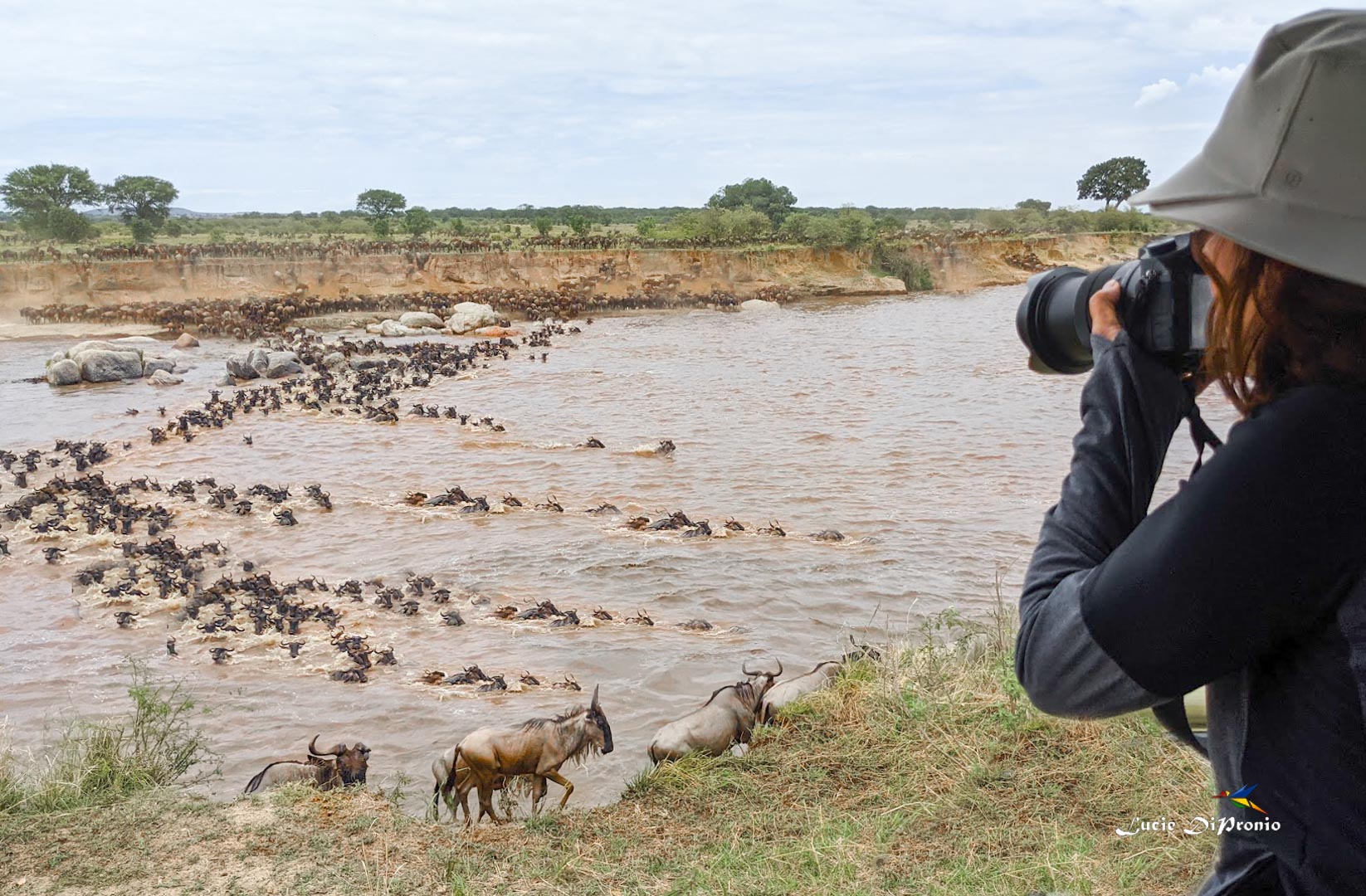
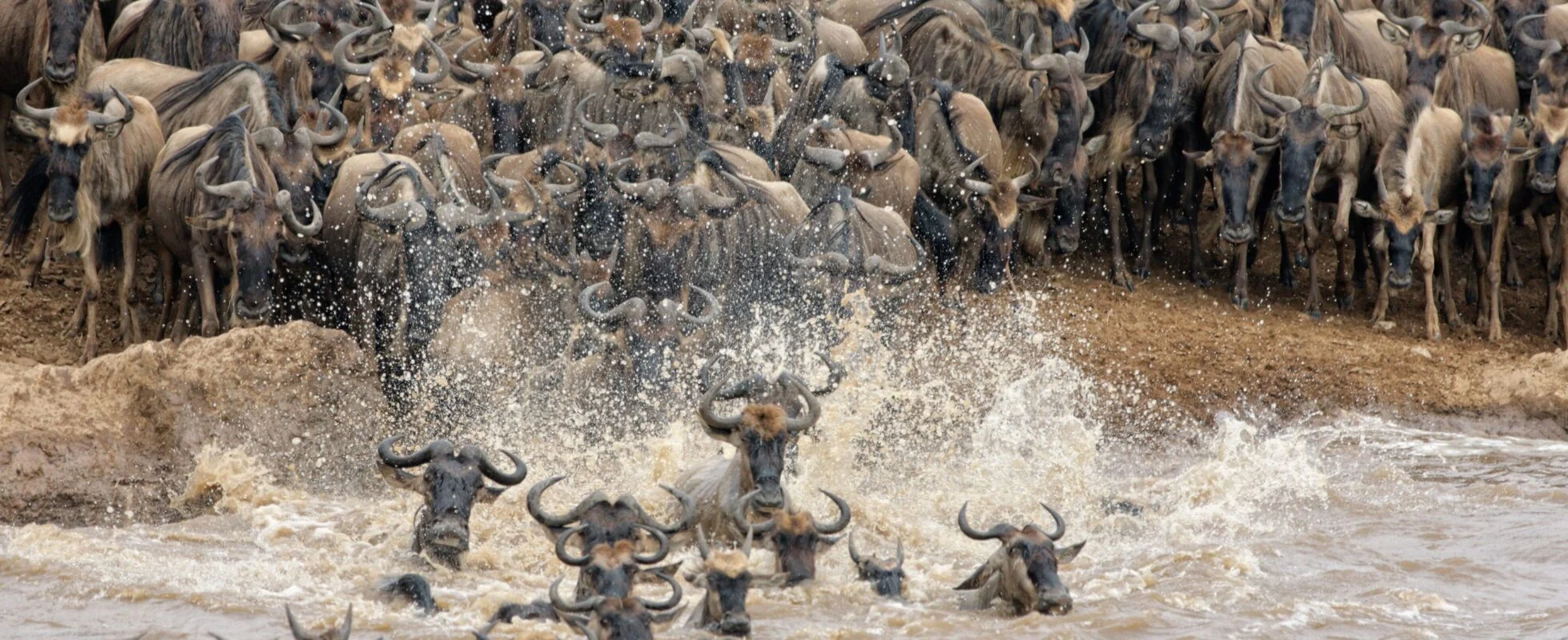
A river crossing event refers to a single coordinated movement of a herd entering, crossing, and exiting the Mara River at one specific location. This may involve hundreds to thousands of animals at once.
Each event is distinct and separate, even if multiple groups cross within the same general area on the same day. For example, two herds crossing at different bends of the river would count as two separate crossings.
Crossings can also be classified as major or minor depending on herd size. Major crossings involve large synchronized movements, while minor crossings may involve smaller groups breaking away from the main herd.
Typical Daily Pattern During Peak Season
During peak season (late July through September), river activity follows an irregular but recognizable rhythm. Most days fall into one of three general patterns.
On quiet days, there may be zero crossings if herds are not positioned at the river or if they are still migrating toward crossing zones.
On moderate activity days, you may see 1 to 2 crossings, usually spaced several hours apart, often in the morning and late afternoon.
On high-activity days, especially in September, it is possible to witness 3 to 5 crossings, sometimes from different herds or different crossing points along the river.
Why Crossing Frequency Changes Daily
The number of daily crossings is controlled by herd distribution along the migration corridor rather than any fixed schedule. Wildebeest move in waves, and each wave may reach the river at different times.
Rainfall patterns in both the Serengeti and Maasai Mara influence how quickly herds gather at riverbanks. Fresh grazing areas can delay crossings, while dry conditions accelerate movement.
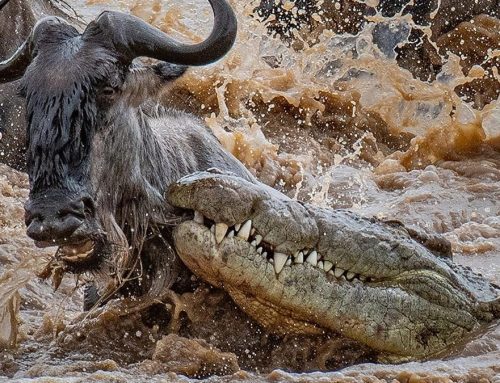
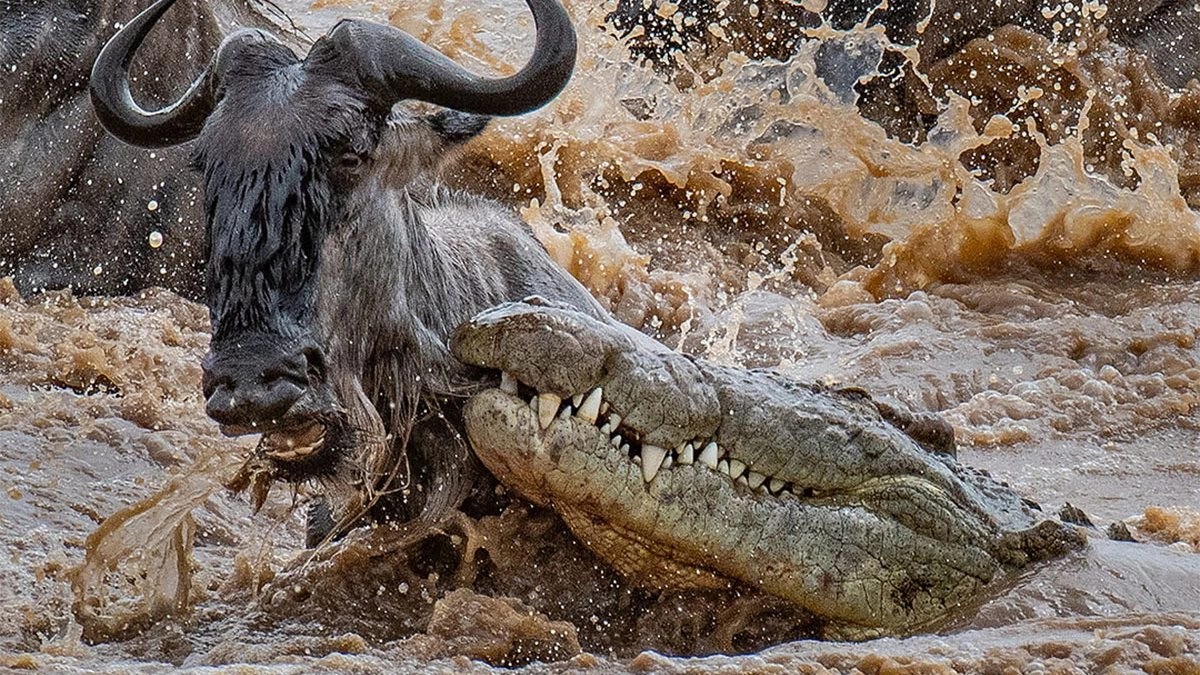
Predator presence also affects timing. If crocodiles or big cats are highly active near a crossing point, herds may delay or relocate, reducing the number of crossings that day.
River conditions such as water depth and current strength further impact whether crossings occur frequently or are temporarily suspended.
Peak Months and Their Crossing Intensity
August is generally considered the beginning of high-frequency crossing activity, with increasing consistency as herds settle near the river. During this month, daily crossings are common but still uneven.
September is the peak month for Mara River crossings. This is when you are most likely to see multiple crossings per day, especially in active zones like Kogatende or the Mara Triangle.
Early October still offers crossing opportunities, but frequency begins to decline as herds start dispersing or moving southward.
Spatial Distribution of Crossings
Crossings do not happen at a single point along the river but across multiple known crossing sites. This means that while one location may remain inactive, another nearby site may experience intense activity.
In the northern Serengeti, key crossing points such as Kogatende and Lamai often alternate in activity depending on herd pressure. One site may see multiple crossings while another remains quiet on the same day.
On the Kenyan side, the Maasai Mara River sections within the Mara Triangle often experience concentrated but highly competitive crossing activity due to higher vehicle presence.
Why Some Days Have No Crossings at All
Even during peak season, it is completely normal for some days to have no crossings at all. This happens when herds are still moving through grazing areas away from the river.
Weather changes can temporarily halt migration movement. Heavy rain or storms may spread herds across wider areas, reducing pressure at riverbanks.
Herd hesitation is another major factor. Wildebeest may gather for hours or even days without committing to cross, resulting in quiet river conditions.
The Difference Between “Activity Days” and “Crossing Days”
Safari guides often distinguish between active days and crossing days. An active day is when herds are present near the river, while a crossing day is when actual river crossings occur.
Not every active day becomes a crossing day. Sometimes herds gather and retreat multiple times without entering the water.
However, during peak season, most active days eventually lead to at least one crossing somewhere along the river system.
Time Distribution of Crossings Within a Day
Crossings are not evenly spread throughout the day. They often cluster in specific time windows based on herd behavior and temperature conditions.
Morning hours (around 7:00 AM to 11:00 AM) are highly productive, as cooler temperatures encourage movement.
Late afternoon (around 3:00 PM to 6:00 PM) is another peak window, when herds regroup and attempt crossings after midday rest periods.
Midday crossings are less common but still possible, especially when herd pressure builds rapidly.
Realistic Expectations for Travelers
For most safari visitors, the realistic expectation is to witness 0 to 2 crossings per day, depending on location and timing. This is the most common outcome even in peak season.
On exceptional days, especially with expert guiding and optimal positioning, you may witness 3 or more crossings across different river points.
However, success should not be measured only by quantity. Even a single well-positioned crossing can provide a complete and unforgettable wildlife experience.
Why Quantity Does Not Always Equal Experience Quality
More crossings per day do not necessarily mean a better safari experience. A single large, dramatic crossing can be far more memorable than multiple small or distant ones.
The intensity of the crossing—herd size, predator interaction, and river conditions—often matters more than frequency.
Some of the most iconic wildlife moments come from a single perfectly timed crossing rather than multiple scattered events.
Unpredictable but Intensely Dynamic
During peak migration season, Mara River crossings range from zero to several per day, with 1 to 3 crossings being the most common pattern in active regions. The system is highly dynamic and changes continuously based on ecological conditions.
The key to understanding crossing frequency is recognizing that it is not a scheduled event but a fluid response to survival pressures within the migration ecosystem.
For travelers, the goal should not be to count crossings but to maximize time in active zones where multiple opportunities may unfold naturally.