How Long Do You Need to See a Mara River Crossing?
Overview of Timing Reality in the Mara River Crossings
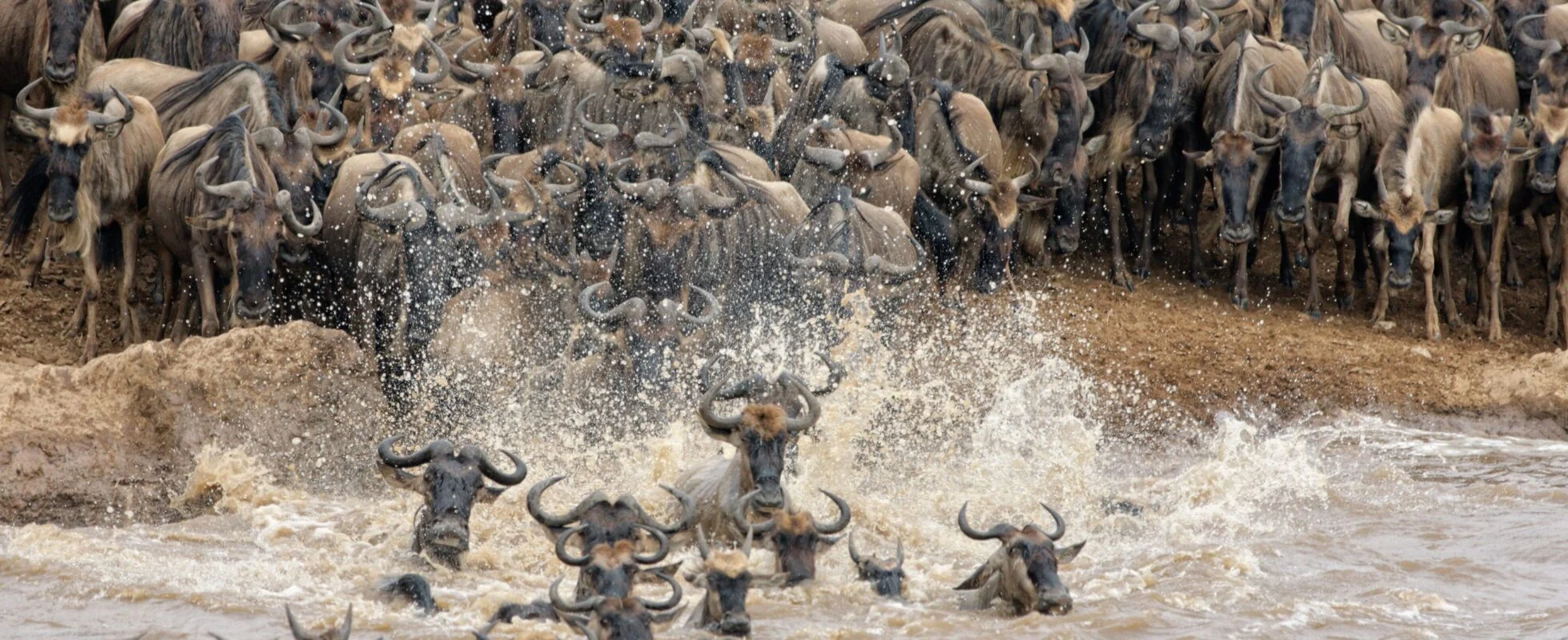
The Mara River crossing experience is one of the most unpredictable wildlife events in Africa, meaning timing cannot be scheduled or guaranteed in the same way as standard safari sightings. Unlike general game viewing in savannah ecosystems, where animals can often be located within a few hours, the river crossing phase of the Great Migration depends entirely on herd decision-making, water conditions, predator pressure, and collective instinct.
In practical safari terms, this means the time required to witness a crossing ranges widely from a few hours to several days, with success heavily dependent on how long you remain positioned in active crossing zones. Most experienced guides emphasize that the single most important variable is not “when you arrive,” but “how long you stay within the river ecosystem during peak migration months.”
The crossings occur primarily between the northern sector of the Serengeti National Park and the Maasai Mara National Reserve, where herds encounter the Mara River multiple times as they move north and south during seasonal cycles. This corridor becomes the stage for one of the most dramatic survival events in the natural world, but also one of the most patience-demanding safari experiences.
Why Timing a Mara River Crossing Is So Difficult
The fundamental reason timing is unpredictable is that wildebeest and zebra do not follow a fixed schedule when approaching the river. Herd movement is influenced by rainfall patterns, grass quality, predator density, and internal group pressure, all of which fluctuate daily and even hourly.
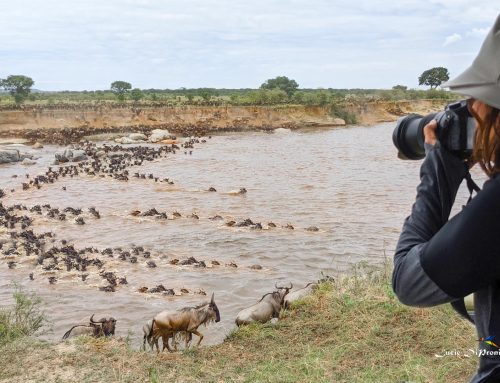
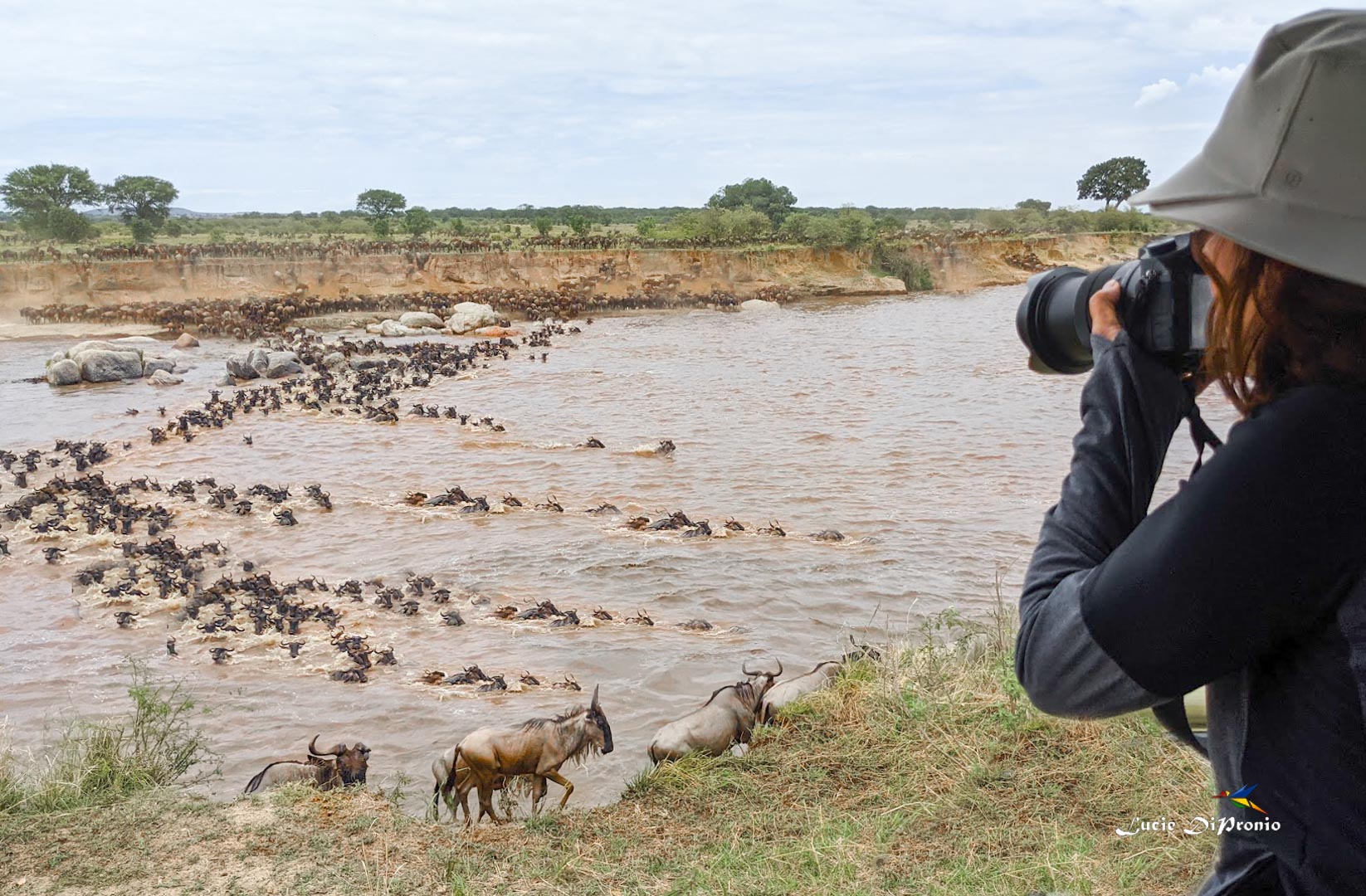
At riverbanks, herds often arrive in massive numbers and then hesitate for long periods before committing to cross. This hesitation phase is critical. It can last anywhere from 30 minutes to over 24 hours, with multiple false starts where animals approach the water, retreat, and regroup repeatedly.
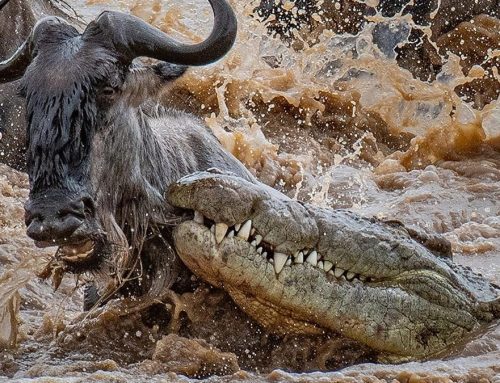
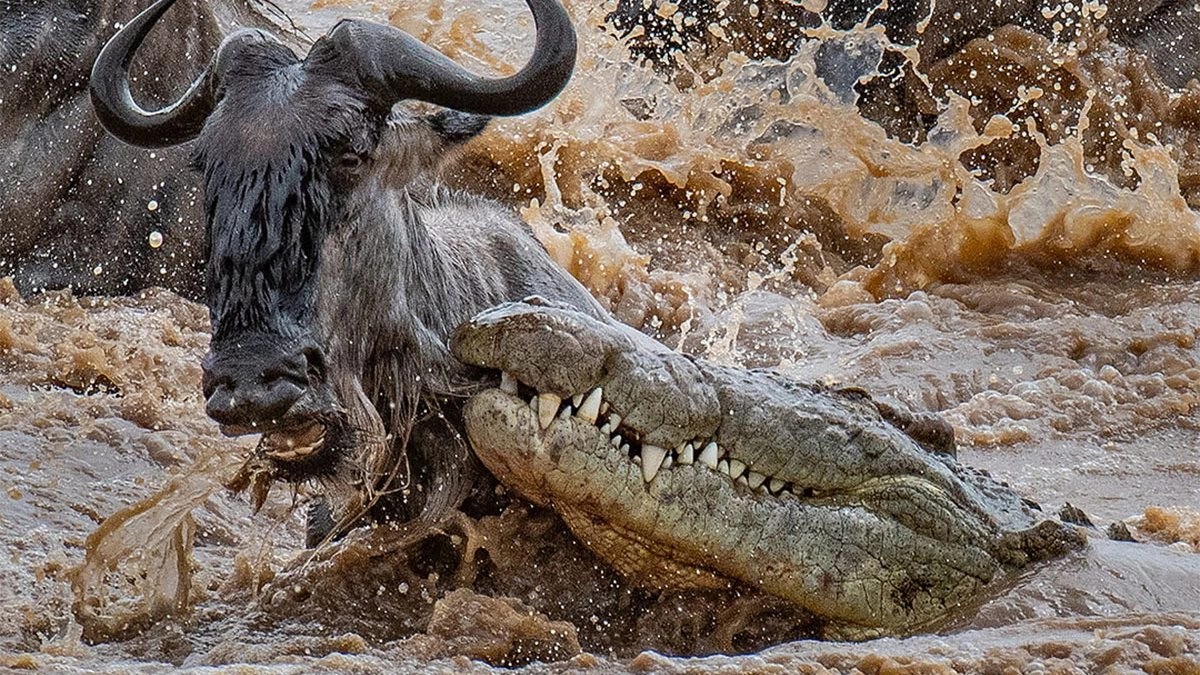
Environmental conditions also play a major role in delaying crossings. High water levels, strong currents, and crocodile activity can discourage immediate movement, while calmer conditions may encourage quicker crossings. However, none of these factors provide reliable predictability.
This unpredictability is what makes the Mara River crossings both frustrating and extraordinary. Even experienced safari guides with decades of tracking experience often describe the crossings as “waiting for nature to decide.”
Typical Waiting Time at a River Crossing Point
When positioned correctly at an active crossing site, the average waiting time before a crossing occurs is typically between 2 and 6 hours. This is the most realistic expectation for most travelers during peak migration season.
However, this is only an average, not a guarantee. Some travelers may witness a crossing within 15 to 30 minutes of arriving if they arrive at the exact moment a herd is ready to move. Others may wait an entire day without seeing any crossing activity.
In many cases, the most common pattern is arrival during a lull phase. Herds may have already crossed earlier or may still be gathering on the opposite bank, creating extended periods of waiting with no visible action.
During peak months such as July through September, river activity increases significantly, but so does competition among herds at crossing points. This can result in multiple waiting cycles throughout a single day, with short bursts of intense action followed by long pauses.
Minimum Recommended Time in Migration Territory
To meaningfully increase your chances of witnessing a Mara River crossing, safari planners typically recommend a minimum stay of 2 to 3 nights in a known crossing region. This duration allows multiple opportunities across different times of day and different river points.
A one-night stay is generally considered insufficient for reliable crossing sightings. While it is still possible to witness a crossing in a short timeframe, it relies almost entirely on chance alignment of timing and location.
A 3-night stay significantly improves probability because it allows exposure to multiple herd movements and different crossing windows. Herds often shift between different crossing points along the river depending on pressure, water levels, and predator presence.
Extended stays beyond 4 nights provide even greater reliability, especially when combined with flexible daily game drives and mobile guiding strategies.
Ideal Duration for a High-Success Migration Safari
For travelers whose primary goal is to witness at least one Mara River crossing, a stay of 4 to 7 days in the migration corridor is considered the optimal planning window. This duration balances cost, time, and probability of success.
Within this timeframe, guests can experience multiple river monitoring sessions, different herd groups, and varying levels of crossing activity. It also reduces the pressure of “missing the moment,” which is one of the most common frustrations among short-stay visitors.
Longer stays also allow exposure to different phases of migration behavior, including pre-crossing buildup, actual river crossings, and post-crossing predator interactions. This creates a more complete understanding of the migration ecosystem rather than a single event focus.
How Location Affects Waiting Time
Your base location has a direct impact on how long you need to wait for a crossing. Staying closer to known crossing zones significantly reduces response time when herd movement begins.
In the northern sector of the Serengeti, areas such as Kogatende and Lamai are strategically positioned near multiple crossing points. These areas offer faster access to riverbanks and better visibility of herd buildup behavior.
On the Kenyan side, the Mara Triangle within the Maasai Mara is one of the most active crossing zones. However, increased visitor density can sometimes affect positioning and viewing comfort.
If your lodge or camp is far from the river, travel time can delay arrival at active crossings, sometimes causing missed opportunities even when a crossing is occurring nearby.
The Role of Daily Game Drive Duration
The amount of time spent in the field each day is just as important as the number of days in the region. Full-day game drives dramatically increase your probability of witnessing a crossing compared to half-day excursions.
Most successful safari itineraries during migration season include early morning departures and extended stays near riverbanks. Guides often remain stationed in potential crossing areas for several hours, tracking herd movement patterns and communicating with other vehicles.
Short game drives reduce exposure time and therefore reduce chances of witnessing spontaneous crossings. Since crossings can occur at any time, longer field presence is a key advantage.
Seasonal Impact on Waiting Time
The peak crossing season typically occurs between late July and early October, with September often considered the most active month. During this period, herd density near the river is highest, increasing the likelihood of frequent crossing attempts.
In early July, herds are still approaching the river, which can mean fewer but highly dramatic initial crossings. August and September usually provide the most consistent activity, with multiple crossings possible in a single week.
By October, movement becomes more fragmented as herds begin dispersing or returning south, which can lead to less predictable crossing behavior.
Outside of this window, waiting time increases significantly and crossings become rare or absent depending on herd location.
Why Some Visitors See Crossings Quickly
Some travelers report witnessing a crossing within minutes of arrival, which often creates the impression that crossings are frequent and easily predictable. However, these cases typically occur due to perfect timing alignment rather than consistent behavior patterns.
These quick sightings usually happen when guides have already been tracking herd buildup for hours before arrival. In such cases, vehicles are positioned in anticipation of imminent movement.
This highlights the importance of expert guiding rather than luck alone. Experienced guides dramatically reduce waiting time by positioning vehicles based on real-time herd intelligence.
Why Others Wait for Days Without Success
On the other end of the spectrum, some travelers spend multiple days without seeing a crossing, even during peak season. This is usually due to herd movement shifting away from accessible crossing points.
Wildebeest may delay crossing for long periods or move to alternative river sections that are less visible from tourist-accessible locations. Additionally, sudden weather changes or predator pressure can disrupt crossing behavior entirely.
This variability is normal and expected. It reflects the wild, unstructured nature of the migration ecosystem.
Safari Strategy for Minimizing Waiting Time
The most effective strategy is to maximize time spent in known active crossing zones while maintaining flexibility in daily movement. Staying near river access points reduces reaction time when herd movement begins.
Combining multiple days with full-day game drives creates a layered strategy that increases exposure without relying on fixed timing predictions.
Communication between guides also plays a critical role, as sightings are often shared in real time across different camps and vehicles.
Ultimately, reducing waiting time is less about controlling nature and more about optimizing positioning within it.
Emotional Reality of Waiting at the River
One of the most overlooked aspects of Mara River crossings is the psychological experience of waiting. Extended periods of silence and inactivity are often followed by sudden, chaotic bursts of movement.
This contrast creates intense emotional highs and lows. Travelers may feel uncertainty during waiting phases, followed by overwhelming excitement when crossings begin.
Understanding this rhythm helps manage expectations and enhances overall safari enjoyment. The waiting is not wasted time; it is part of the buildup that makes the event so powerful.
Final Realistic Expectation Framework
If you are planning a dedicated migration safari, the most realistic expectation is that you may need between 2 hours and 3 days of cumulative waiting time to witness a single crossing event. This range reflects the full variability of natural behavior.
A 2 to 3 night stay gives you a reasonable chance of success, while a 4 to 7 night stay significantly increases reliability and reduces dependence on luck.
Even with perfect planning, there is no absolute guarantee, but longer exposure dramatically improves your probability of witnessing at least one crossing.
Conclusion: Time Is the True Currency of the Mara River Experience
The Mara River crossing is not a timed attraction but a living ecological process that unfolds on its own terms. Unlike scheduled tourism experiences, it rewards patience, endurance, and presence rather than precision timing.
The longer you stay within the migration ecosystem, the more you align yourself with the natural rhythm of the herds. This alignment is what ultimately determines success.
For travelers seeking the most iconic wildlife moment in Africa, time is the most important investment. Not speed, not luck, but sustained presence in the right place during the right season.