Great Migration Safari: Fly-In vs Overland — Cost and Experience
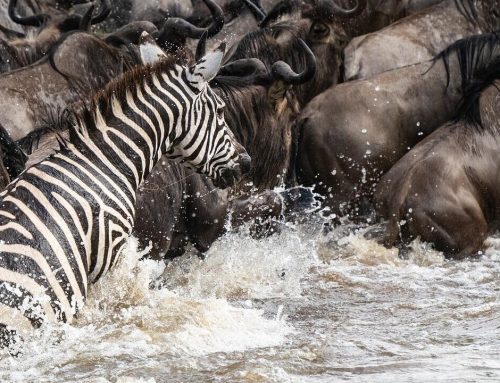
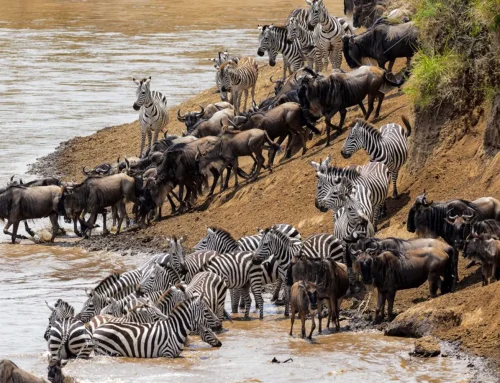
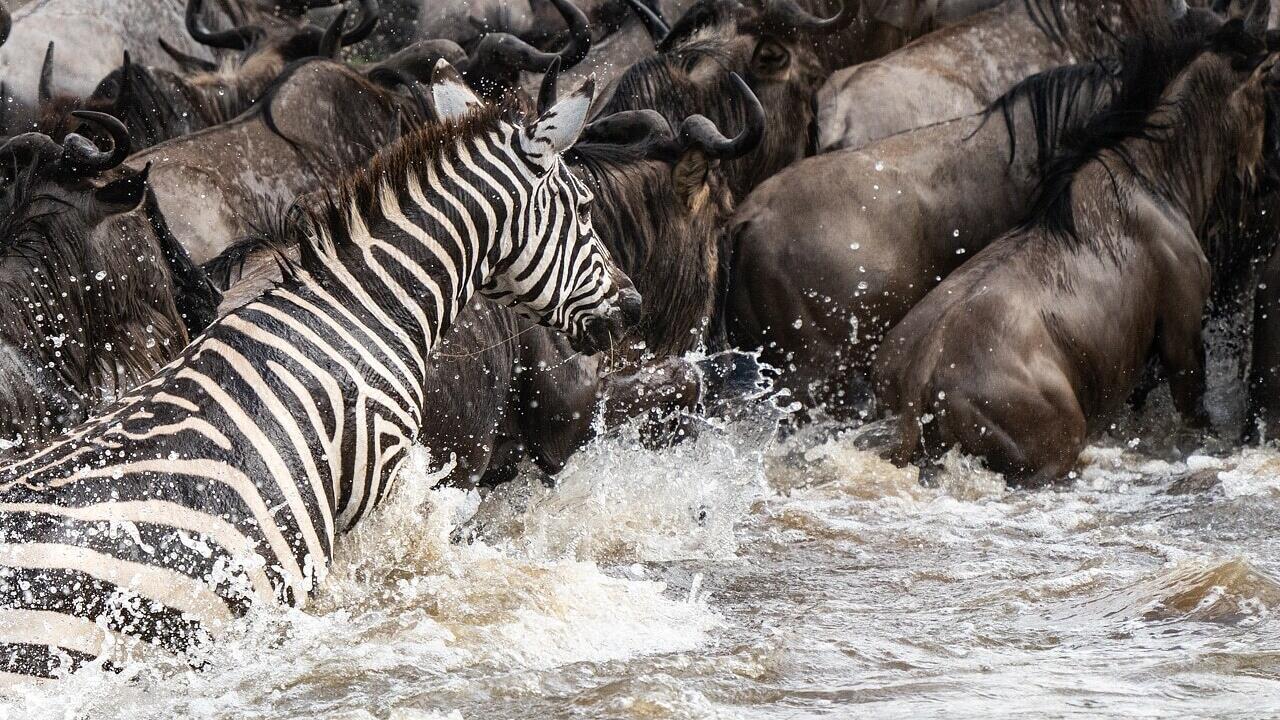
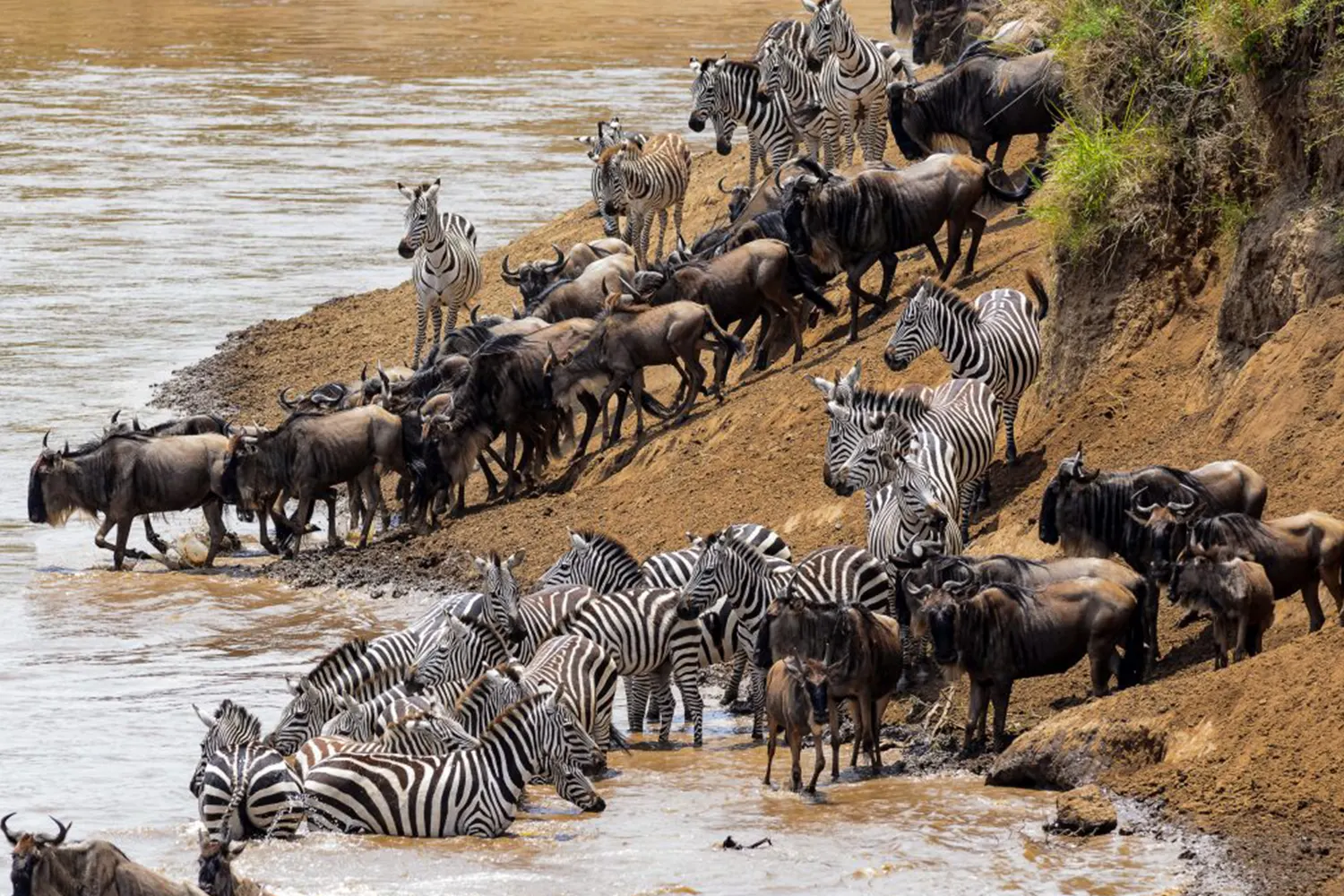
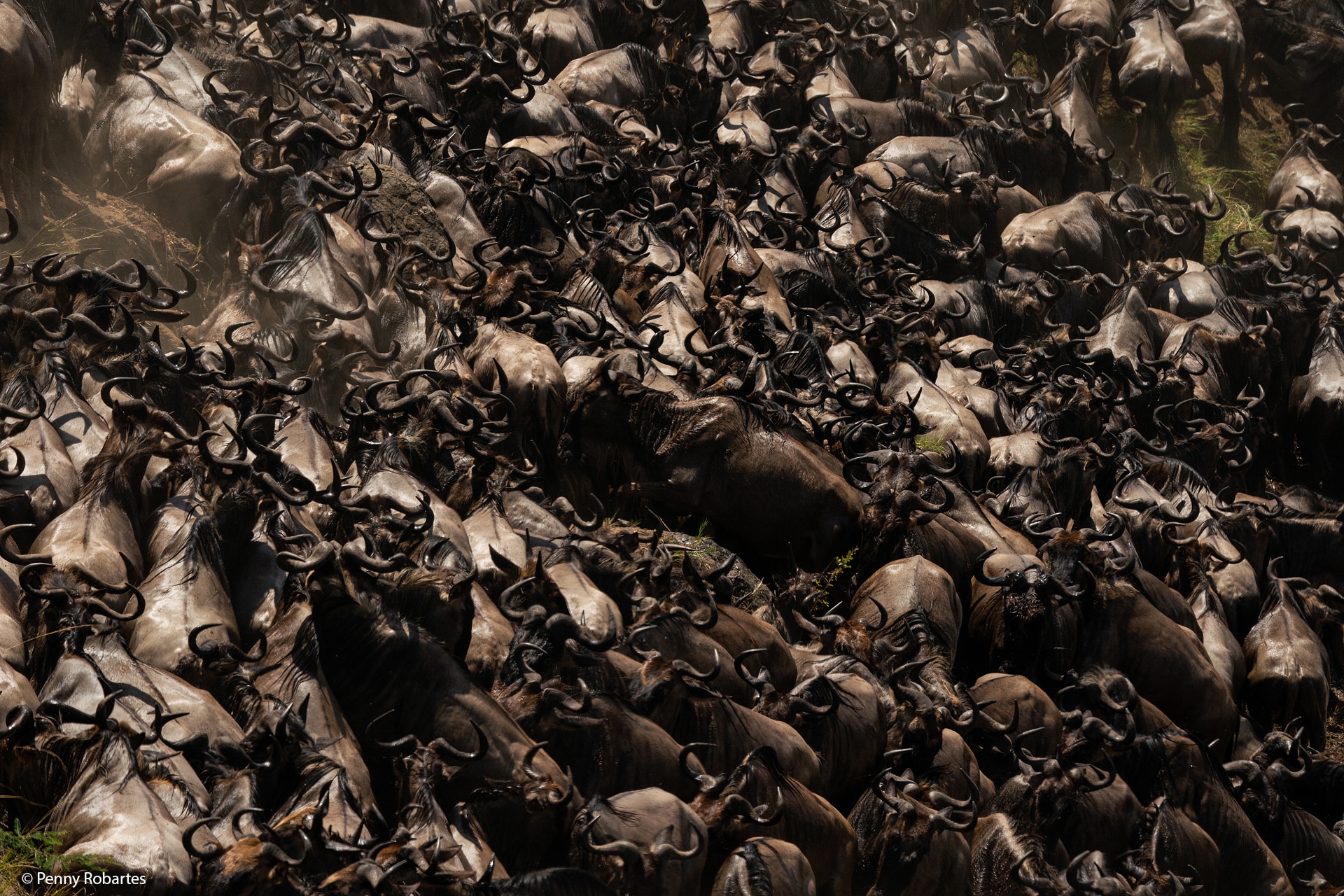
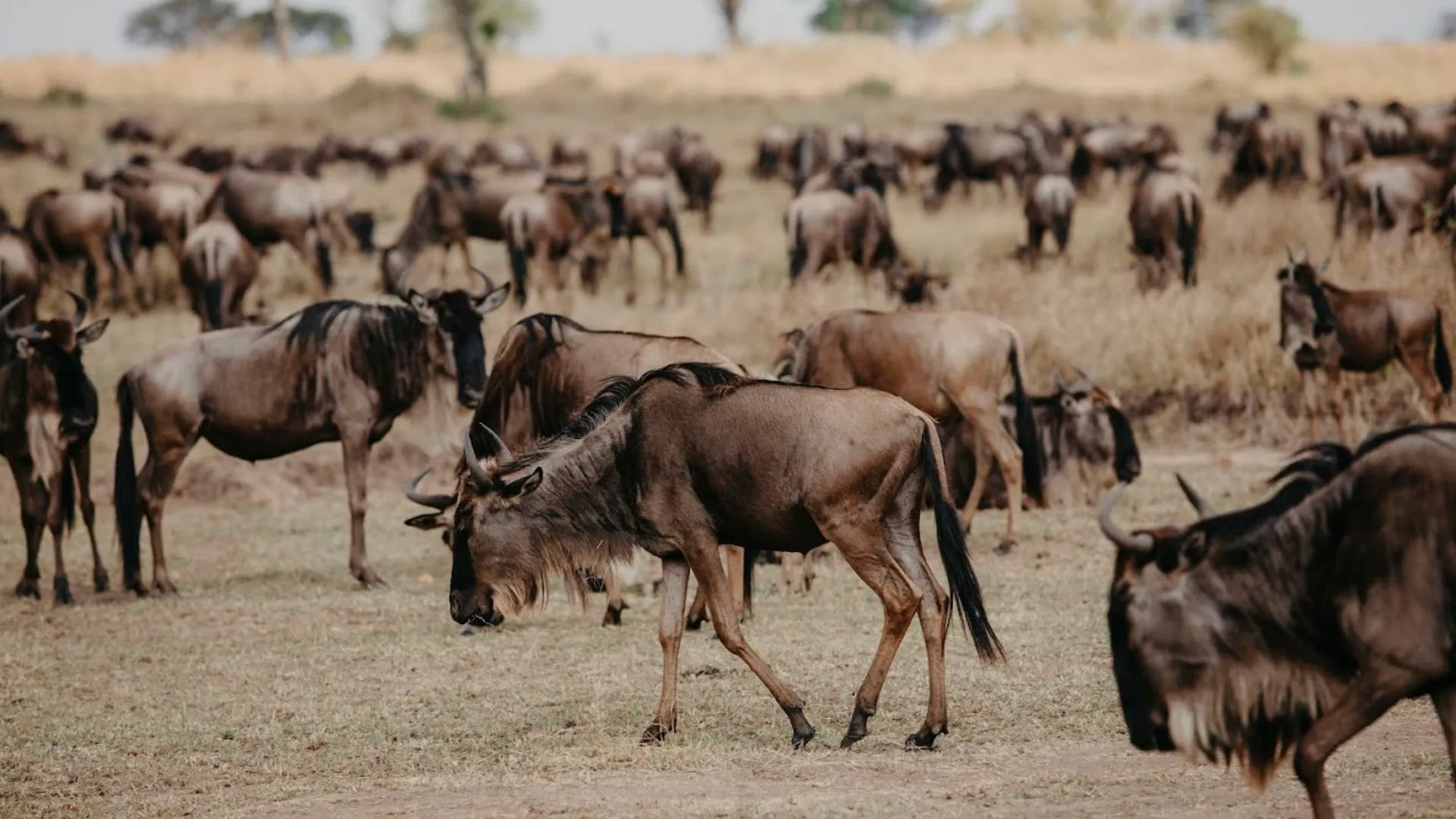
The Great Wildebeest Migration is arguably the most spectacular wildlife event on Earth. Every year, over a million wildebeest, zebras, and gazelles traverse the plains of Serengeti and Masai Mara, attracting wildlife enthusiasts, photographers, and safari travelers from across the globe.
Planning a Great Migration safari involves key decisions, and one of the most important is choosing between a fly-in safari and an overland safari. Both options have their advantages, and the choice can impact cost, convenience, wildlife viewing opportunities, and the overall safari experience.
Understanding Fly-In Safaris
Fly-in safaris involve charter flights that transport guests directly from Nairobi, Arusha, or other regional airports to remote airstrips near safari lodges and camps.
Advantages of Fly-In Safaris:
- Time-Saving: Fly directly to your destination, skipping long drives across rough roads. Perfect for travelers with limited time.
- Access to Remote Areas: Some of the best migration corridors and private conservancies are difficult to reach by road. Flying allows immediate access to places like Grumeti, Lobo, and northern Serengeti.
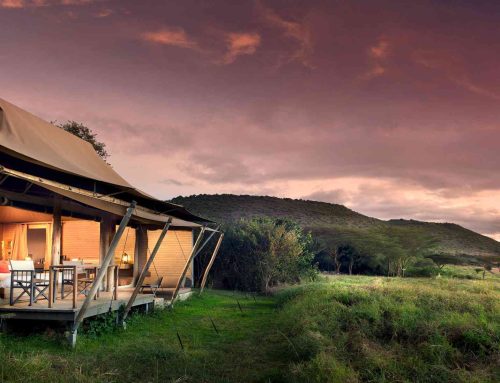
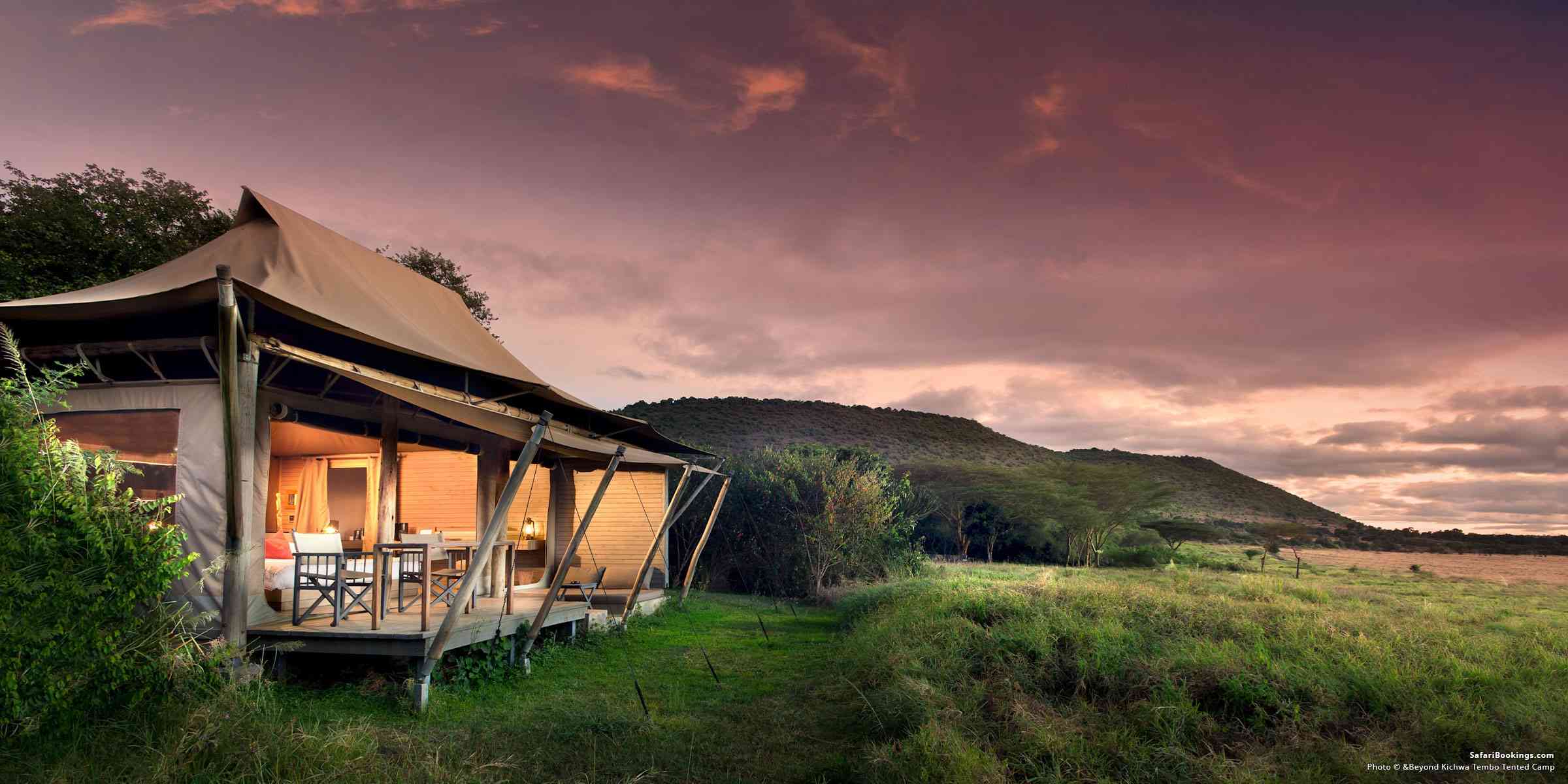
- Luxury Experience: Many fly-in packages are tied to high-end lodges or luxury tented camps, offering personalized service and fewer crowds.
Disadvantages of Fly-In Safaris:
- Higher Cost: Charter flights significantly increase the overall budget. Prices can range from $500–$1,200 per person per flight depending on the route and aircraft size.
- Less Scenic Drive Experience: You miss the overland journey, including stops in local towns, scenic landscapes, and smaller wildlife sightings along the way.
Understanding Overland Safaris
Overland safaris are road-based adventures, often in custom 4×4 safari vehicles, sometimes combined with guided game drives along the route.
Advantages of Overland Safaris:
- Cost-Effective: Overland safaris are generally cheaper than fly-in options. A typical 5–7 day migration overland safari can cost $2,500–$4,500 per person including accommodation, park fees, and guided game drives.
- Scenic and Immersive: Traveling by road allows you to experience the African landscape fully, stop for roadside sightings, and interact with local communities along the way.
- Flexible Itinerary: You can adjust the route, make unscheduled stops, or explore additional parks such as Ngorongoro Crater, Lake Manyara, or Tarangire.
Disadvantages of Overland Safaris:
- Long Driving Hours: Roads in Tanzania and Kenya can be rough, requiring long hours on dusty or bumpy terrain.
- Slower Access to Remote Areas: Some migration hotspots are far from main roads, limiting your ability to reach them quickly during peak herd movement.
Cost Comparison: Fly-In vs Overland
| Feature | Fly-In Safari | Overland Safari |
|---|---|---|
| Typical Price (5–7 days) | $6,000–$10,000 per person | $2,500–$4,500 per person |
| Transportation | Chartered flights | 4×4 safari vehicles |
| Access to Remote Areas | Excellent | Limited by road |
| Time Required | 5–7 days ideal | 7–12 days |
| Comfort Level | High, luxury camps | Moderate to high, depends on lodge/camp |
| Wildlife Encounters | Exclusive, fewer crowds | Can be crowded at hotspots |
| Scenic Experience | Limited to flight views | Full landscape immersion |
Experience Comparison
Great Migration Safari
Fly-In Safari Experience:
- Guests often stay in exclusive luxury lodges or tented camps.
- Fewer vehicles in conservancies allow private wildlife encounters.
- Ideal for photographers wanting the best angles on river crossings, predator hunts, and migration herds.
- Flight schedules dictate the itinerary; flexibility is somewhat limited.
Overland Safari Experience:
- Journey through rural Tanzania or Kenya offers cultural immersion and varied scenery.
- Daily drives mean you see both big migration events and incidental wildlife, like elephants, giraffes, and smaller predators.
- Best suited for adventure travelers or those seeking a more traditional, road-based safari.
- Longer travel times may restrict access to peak migration hotspots depending on road conditions.
Which Is Better for the Great Migration?
- Choose Fly-In If:
- You have limited time.
- You want luxury, comfort, and exclusive access.
- Photography and close predator action are priorities.
- Choose Overland If:
- You want a more immersive and adventurous safari.
- You are on a tighter budget.
- Scenic drives, cultural encounters, and variety in wildlife viewing matter.
Many travelers combine both approaches: an overland safari to experience the landscapes and parks, followed by a fly-in to a private conservancy or remote migration hotspot for exclusive, high-quality viewing.
Tips for Planning
- Book Early: Both fly-in charters and high-end conservancy camps sell out quickly during peak migration (July–October).
- Check Migration Predictions: Timing can vary yearly; consult guides or operators for herd locations.
- Factor in Extra Costs: Fly-in safaris often include high landing fees, fuel surcharges, and additional park fees.
- Consider Your Travel Style: Comfort vs adventure, photography vs scenic immersion, time availability, and budget will determine the best choice.
Final Thoughts
Whether you fly-in or travel overland, witnessing the Great Wildebeest Migration is an unforgettable experience. Fly-in safaris offer exclusive access and luxury, perfect for those focused on photography and intimate wildlife encounters. Overland safaris deliver adventure, immersion, and cost-efficiency, allowing travelers to explore the Mara and Serengeti at a more relaxed pace.
The ideal Great Migration safari often blends both: start with an overland journey to soak in the landscapes and local culture, then fly into a private conservancy for prime migration action and exclusive wildlife moments.