Great Migration Month-by-Month Guide: Where to Go Every Month of the Year
Great Migration is one of the most spectacular wildlife phenomena on Earth, involving millions of wildebeest, zebras, and gazelles moving across the Serengeti ecosystem in Tanzania and the Masai Mara in Kenya. This annual journey follows seasonal patterns dictated by rainfall, food availability, and river crossings, offering travelers ever-changing wildlife spectacles throughout the year.
Understanding the migration’s month-by-month movement allows safari-goers to plan their trips strategically. Each period highlights different wildlife behaviors, landscapes, and encounters, from calving season in southern Serengeti to predator action at river crossings in the north. The migration is dynamic, and observing it at the right time ensures unforgettable photographic and observational opportunities.
January: Southern Serengeti Calving Season Begins
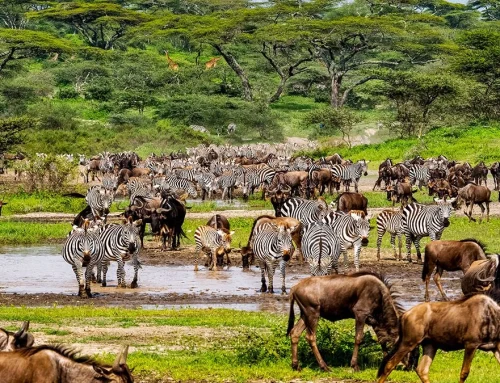
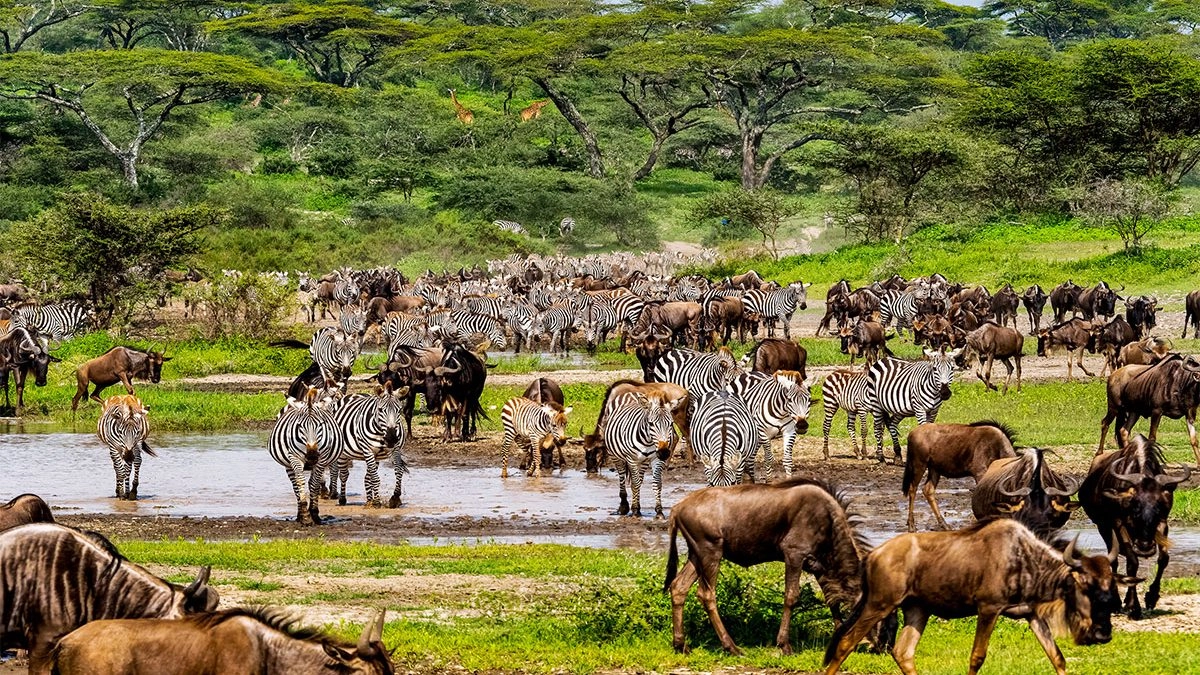
January marks the start of the calving season in the southern Serengeti, particularly around Ndutu Plains. Thousands of wildebeest give birth, creating a spectacle of newborns and protective herds. This period offers exceptional predator-prey action, as lions, hyenas, and cheetahs target vulnerable calves.
Visitors during this month witness dense herds, vibrant landscapes, and the interaction between newborns and predators. Birdlife is also abundant, with migratory species returning to the plains. Safari photography thrives in the soft morning and evening light, highlighting both wildlife and the lush grassy plains.
February: Peak Calving in Ndutu
February continues the calving peak in southern Serengeti. Large herds dominate the Ndutu region, and predator activity is at its highest. The dry conditions concentrate animals around remaining water sources, making wildlife sightings frequent and predictable.
This is an ideal time for photographers seeking dramatic action shots, predator behavior, and intimate herd interactions. Early morning and late afternoon game drives are recommended for optimal light and activity. Accommodation options around Ndutu are limited but strategically located near the migration’s core.
March: Herd Movement Northwards Begins
By March, the southern plains begin to dry, prompting herds to move northwest towards the central Serengeti. Grasslands are still green, offering both food for herbivores and scenic landscapes for photographers. Predators follow closely, resulting in dynamic wildlife encounters along migratory corridors.
March is also the start of the short rainy season, which can make dirt roads muddy but enhances the scenery with lush greenery and blooming flora. Travelers should prepare for variable driving conditions and take advantage of fewer tourists compared to peak calving months.
April: Green Season with Scattered Herds
April is typically the wettest month in the Serengeti, dispersing the herds across wide areas. While large concentrations may be less predictable, the scenery is at its most vibrant. Photography benefits from dramatic skies, flowing rivers, and flourishing vegetation.
Wildlife encounters may require longer drives to locate animals, but the reduced tourist numbers allow a more private experience. Birds and other species, such as elephants and hippos, are abundant in water-rich areas, providing diverse observational opportunities.
May: Northern Migration Initiates
By May, herds continue their movement towards the western corridors of Serengeti, approaching Grumeti River. Predator-prey dynamics remain intense, particularly around riverine forests and crossing points.
Travelers experience a mix of open plains sightings and riverine habitats, ideal for varied wildlife photography. May marks the transition into the dry season in the west, with improving road conditions and concentrated wildlife along diminishing water sources.
June: Grumeti River Crossings Begin
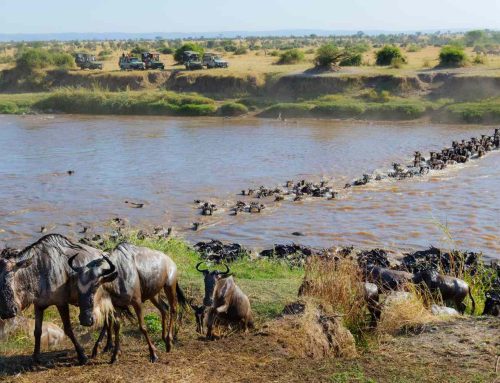
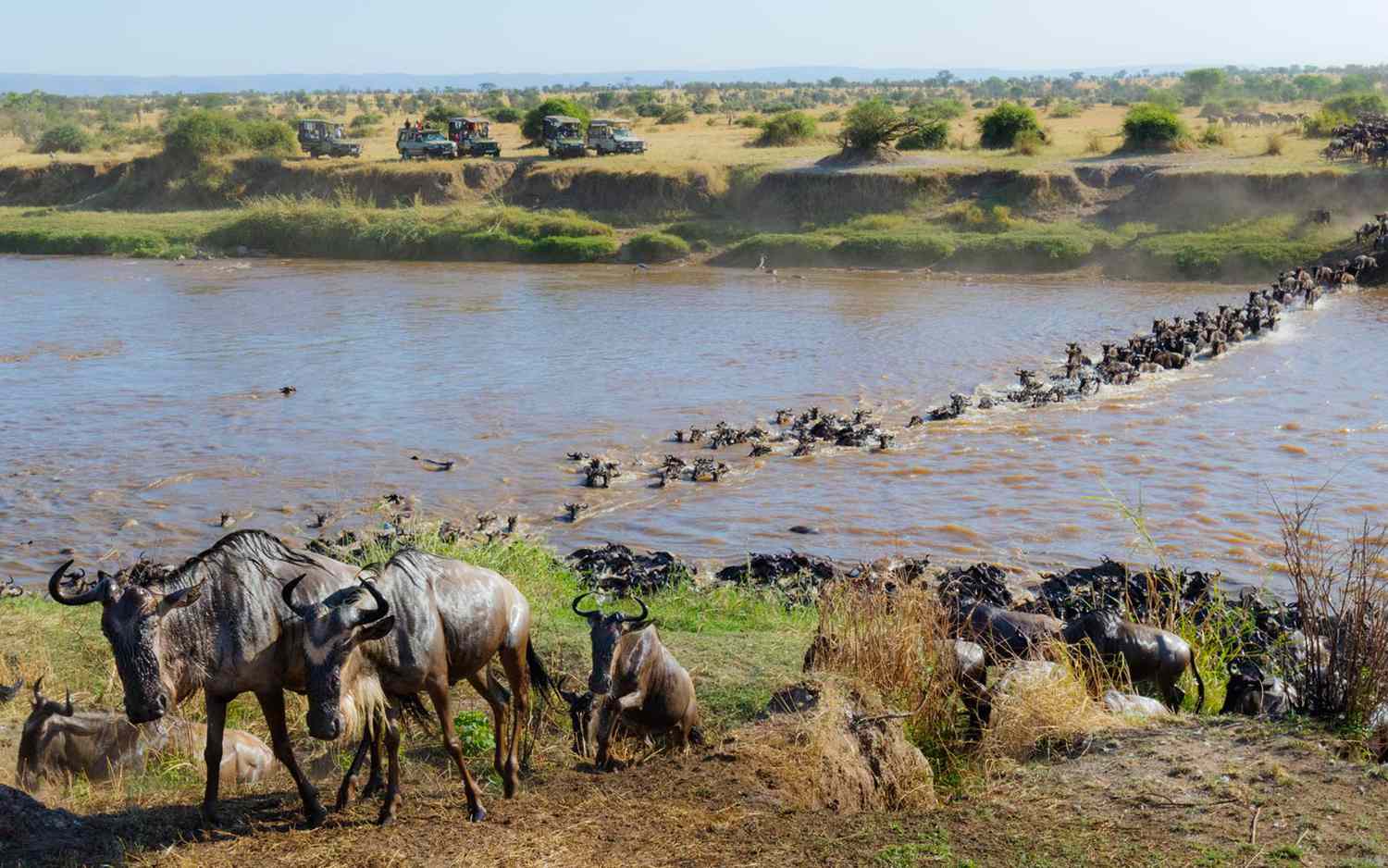
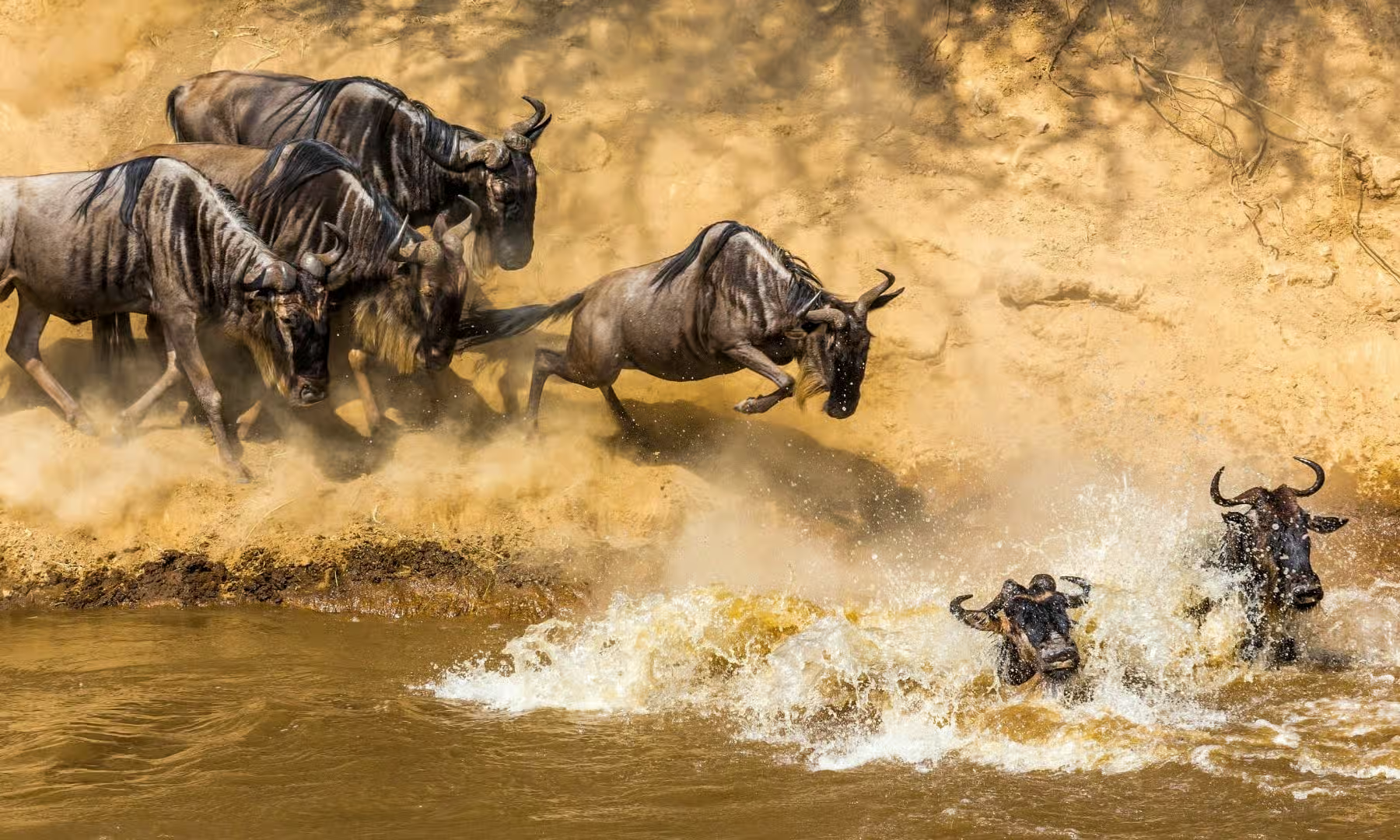
June is the start of dramatic river crossings at the Grumeti River. Crocodiles lie in wait, and wildebeest navigate strong currents, creating iconic wildlife spectacles. This month offers the chance to witness tension, survival instincts, and predator-prey interactions in real-time.
The northern Serengeti remains lush, and the migration is concentrated along predictable corridors, making it easier to plan game drives. Early bookings are recommended, as this period attracts photographers and wildlife enthusiasts seeking dramatic river crossing imagery.
July: Northern Serengeti and Masai Mara Migration
By July, herds move into northern Serengeti and begin entering Masai Mara National Reserve. The Mara is famous for large concentrations of wildebeest and zebra, often accompanied by intense predator activity, including lion and cheetah hunting.
July offers excellent viewing conditions due to dry landscapes, clear skies, and predictable migration routes. River crossings, particularly over the Mara River, provide iconic photographic moments. This is one of the most popular months for international safari travelers, so accommodations and guides should be booked well in advance.
August: Peak Mara Migration
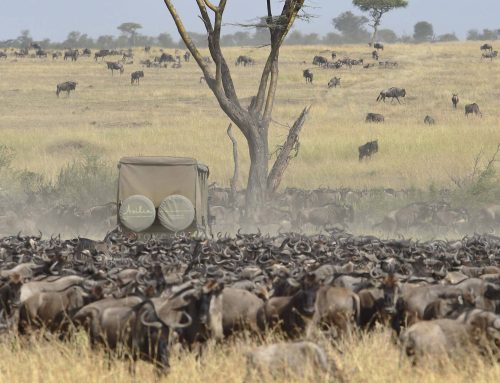
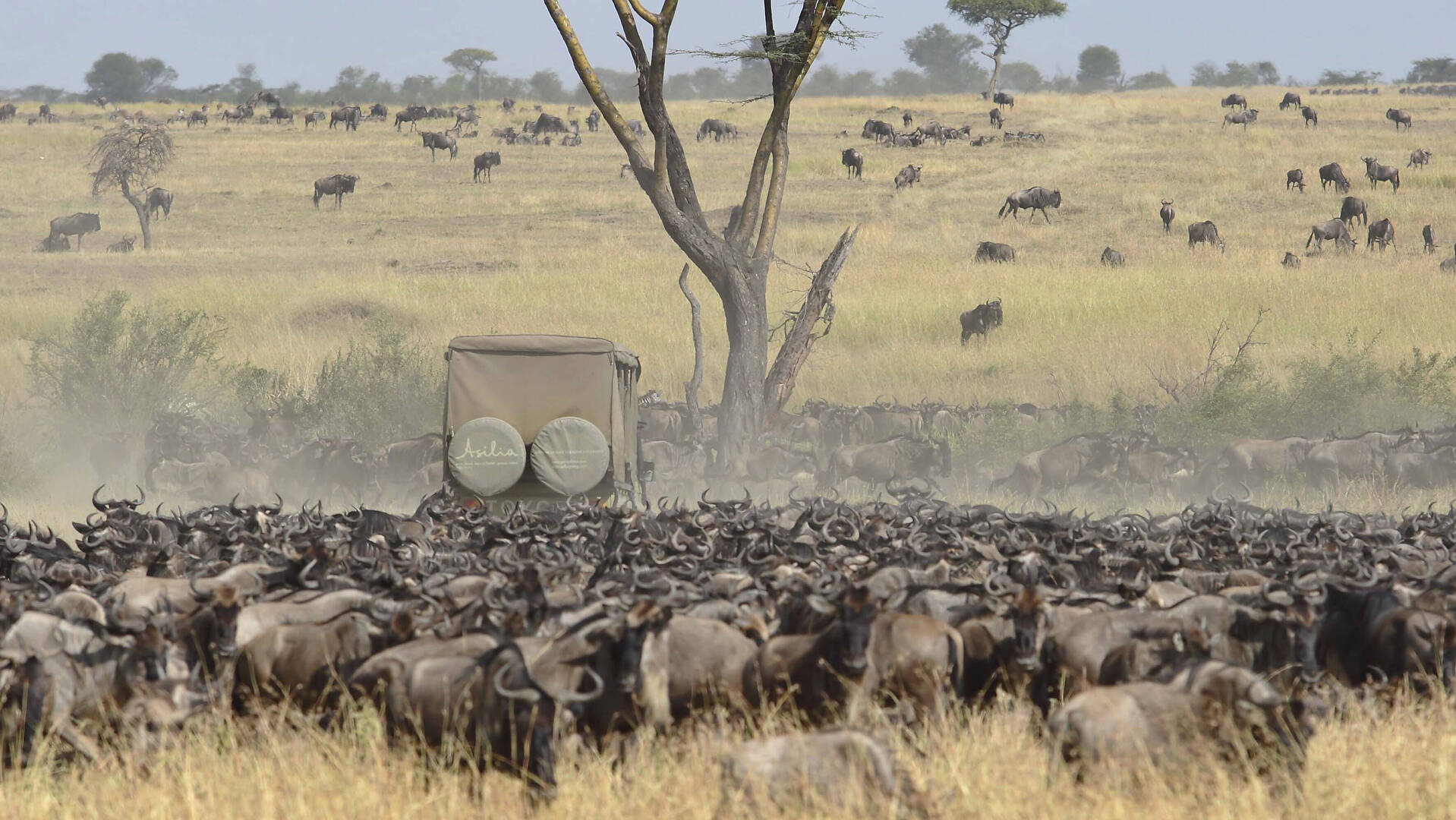
August represents the height of the migration in the Masai Mara. Herds are dense, river crossings frequent, and predator activity high. Photographers and wildlife enthusiasts can witness breathtaking scenes of mass movement, crocodile ambushes, and dramatic landscapes.
The dry season ensures firm roads and optimal conditions for game drives. August is ideal for extended safari stays, focusing on multiple river crossings, predator tracking, and photography of large, sprawling herds against open plains.
September: Mara to Northern Serengeti
In September, herds start moving back south towards northern Serengeti as grass in the Masai Mara begins to dry. This transition period allows visitors to experience both ecosystems, including river crossings and predator-prey interactions.
Safari logistics should consider travel between Kenya and Tanzania, ensuring permits, border crossings, and guide arrangements are efficiently coordinated. Wildlife is concentrated along watercourses and savannah corridors, providing excellent photographic and viewing opportunities.
October: Western Serengeti and Short Rains
October coincides with the short rainy season in western Serengeti, with herds dispersing slightly but remaining concentrated near rivers and grazing areas. Vegetation becomes lush, offering scenic landscapes and vibrant colors for photography.
Short rains can improve the visual appeal of landscapes but may create muddy roads. Travelers benefit from fewer tourists and intimate wildlife experiences, ideal for those prioritizing serene observation over large crowd spectacles.
November: Western Corridor and River Crossings
By November, herds congregate in western Serengeti corridors, particularly around the Grumeti and Mara River systems. Predator activity remains high, and river crossings continue, although less predictable than peak months.
The combination of green landscapes and concentrated herds provides excellent photographic opportunities. Travelers should prepare for mixed road conditions, layering for cooler early mornings, and flexible itineraries to track animal movement.
December: Southern Serengeti Return
In December, the migration begins its return to the southern Serengeti and Ndutu areas as the short rains subside. Young calves born earlier in the year strengthen, and predator-prey interactions shift accordingly.
This period provides excellent viewing of herd dynamics, dramatic landscapes, and scenic sunsets across southern plains. December is popular for festive season safaris, offering both wildlife spectacle and holiday travel experiences.
The Great Migration is a dynamic, year-round phenomenon, offering unique wildlife encounters in every month. From calving in the southern Serengeti to river crossings in northern Serengeti and Masai Mara, timing your visit determines the type of experiences, photographic opportunities, and wildlife behaviors you will encounter.
Understanding the month-by-month patterns allows travelers to align safari itineraries with peak wildlife activity, scenery, and crowd levels. By combining careful planning with expert guides, flexible accommodations, and seasonal knowledge, safari-goers can witness one of nature’s most extraordinary events in all its complexity and grandeur.