Great Migration May: Herds Gather in Western Serengeti
Overview of the Great Migration in May
May marks a powerful transitional stage in the Great Migration, as vast herds of wildebeest consolidate and move toward the western reaches of Tanzania’s iconic savannah. After the calving season and early green season movements, this is the period when the migration begins to take on a more defined directional flow. The scattered herds of March and April gradually regroup, forming long columns that stretch across the plains.
The focus of activity shifts toward the western corridor of Serengeti National Park, particularly areas leading toward the Grumeti River system. This region becomes increasingly important as the herds prepare for one of the next major phases of their journey.
For travelers, May offers a unique blend of scale, movement, and atmosphere. While it falls within the tail end of the rainy season, it delivers dramatic landscapes, fewer crowds, and the opportunity to witness the migration in motion rather than in static concentrations.
The Western Serengeti: A Key Migration Zone
The western Serengeti, often referred to as the Western Corridor, becomes the central stage of the migration during May. This region is characterized by rolling grasslands, riverine forests, and seasonal watercourses that support large concentrations of wildlife.
The Grumeti River emerges as a critical feature of this landscape. Although not as famous as the Mara River crossings later in the year, it plays a vital role in shaping herd movement and predator behavior.
Vegetation in the western corridor is denser compared to the southern plains. This creates a more varied and textured environment, influencing both grazing patterns and wildlife visibility.
This shift in habitat marks an important change in the migration experience. Visitors move from open, short-grass plains to a more complex ecosystem where movement, cover, and water sources all interact.
Migration Movement: Consolidation and Direction
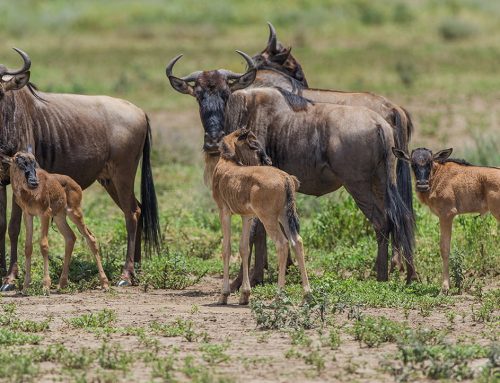
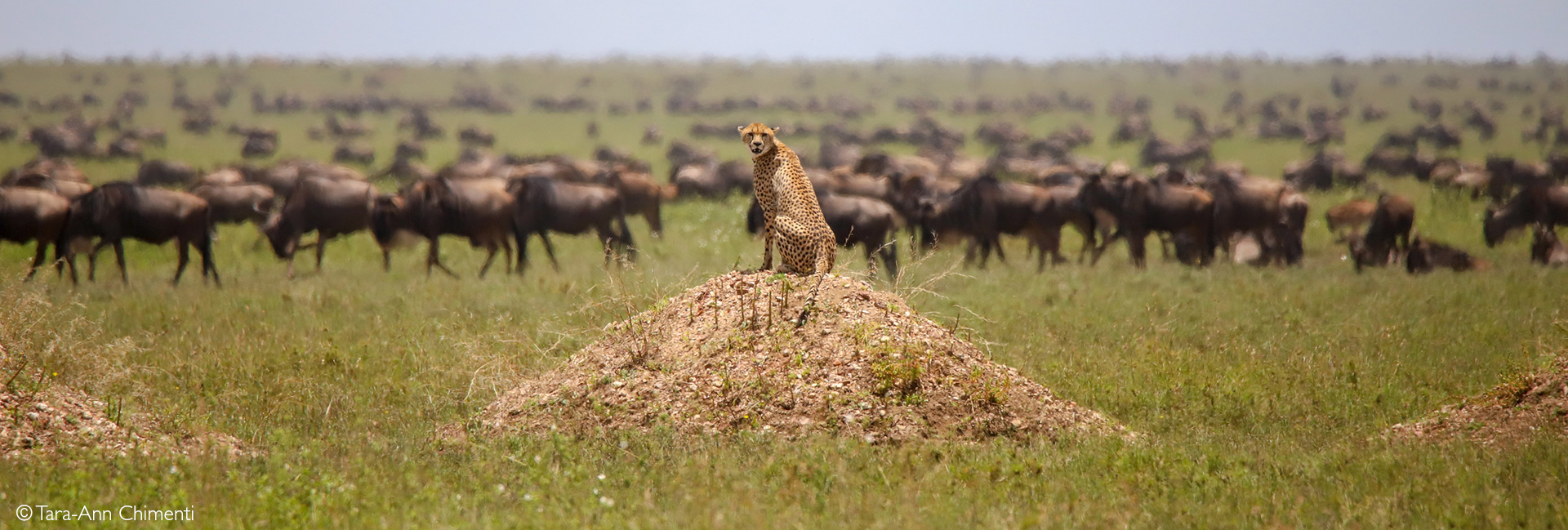
By May, the Great Migration becomes more organized and directional. Wildebeest that were previously dispersed begin to gather into larger groups, forming massive herds that move steadily westward.
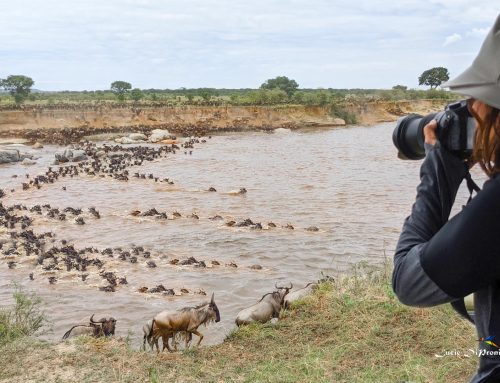
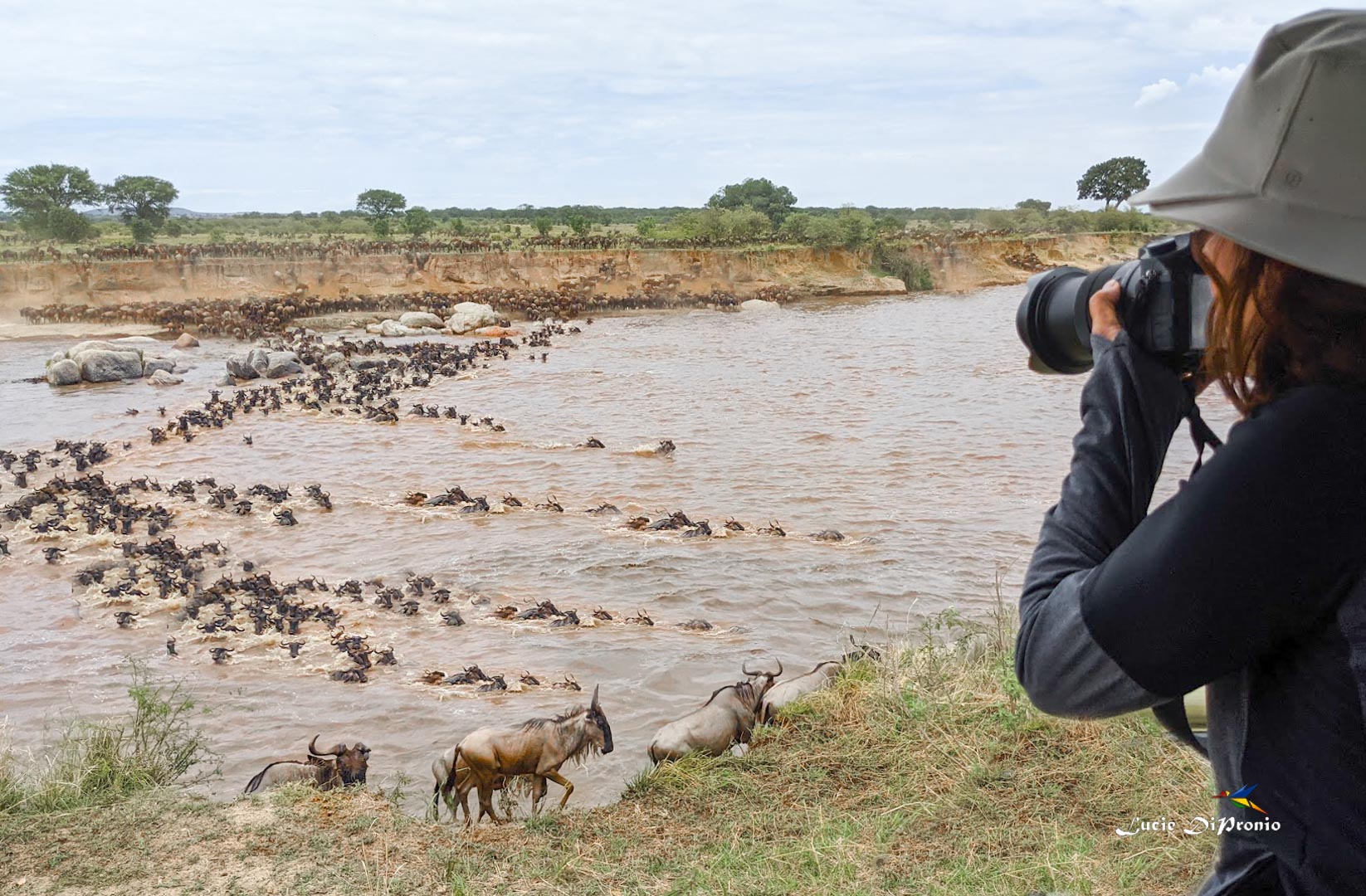
The visual scale of the migration is particularly striking during this period. Long lines of animals stretch across the horizon, creating one of the most iconic images of the Serengeti.
This is a time of preparation. The herds are building strength and cohesion as they move toward the river systems that will later define their journey north.
The pace of movement increases. Unlike the slower, grazing-focused behavior of earlier months, May sees more purposeful travel, with animals covering greater distances each day.
The Role of the Grumeti River
The Grumeti River becomes an important focal point for the migration in May. While water levels may vary depending on rainfall, it acts as both a barrier and a resource for the herds.
Early river crossings can occur during this period. These crossings are less dramatic than those seen at the Mara River later in the year but still provide exciting wildlife encounters.
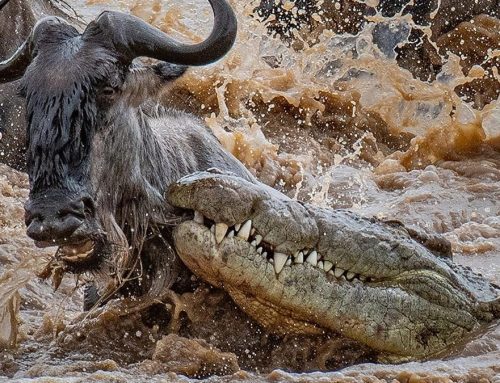
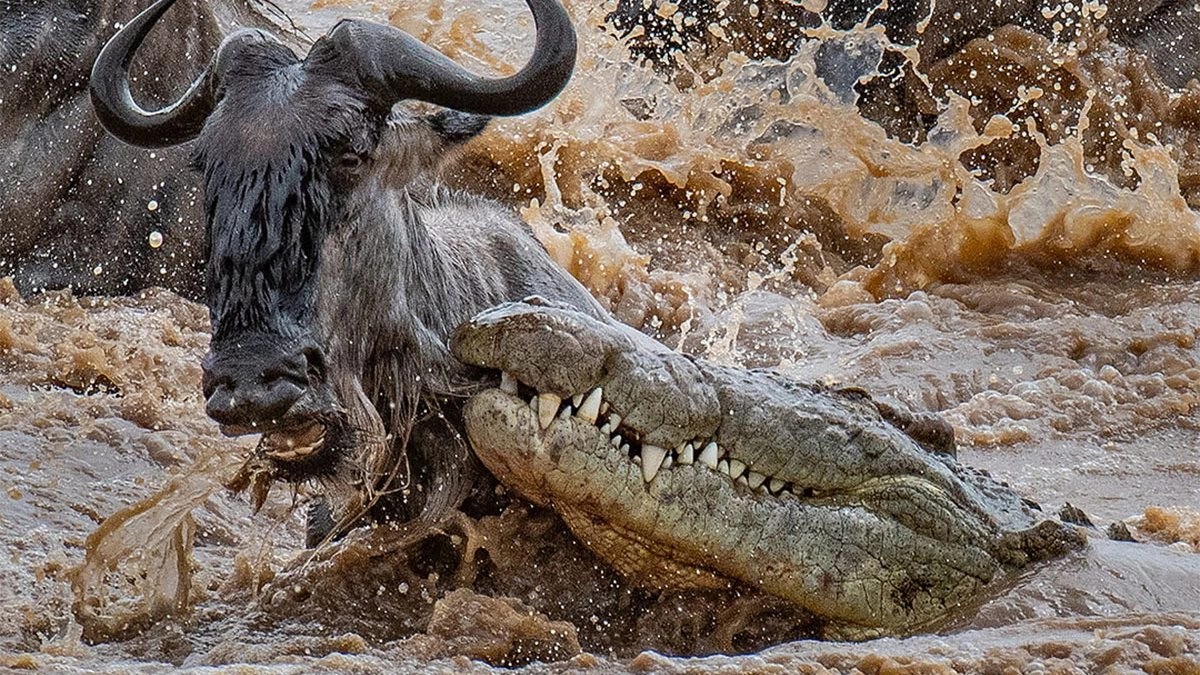
The river attracts predators, particularly large crocodiles. These reptiles take advantage of crossing attempts, adding an element of tension and unpredictability to the migration.
Riparian vegetation along the river supports diverse wildlife. This creates opportunities to observe a range of species beyond the migrating herds.
Predator Activity in the Western Corridor
Predator dynamics shift as the migration enters the western Serengeti. With herds becoming more concentrated again, predators adjust their territories and hunting strategies accordingly.
Lions are commonly found along river systems and wooded areas. These locations provide cover for ambush hunting, making encounters both dramatic and strategic.
Hyenas thrive in this environment. Their adaptability allows them to follow the migration and exploit both hunting and scavenging opportunities.
Crocodiles play a more visible role near river crossings. Their presence adds a new dimension to predator-prey interactions during this stage of the migration.
Cheetahs are still present but less dominant than in the open plains. The denser vegetation of the western corridor is less suited to their high-speed hunting style.
Landscape and Weather in May
May represents the end of the long rainy season, bringing lush landscapes and a sense of renewal to the Serengeti. Grass remains green and abundant, supporting the large herbivore populations.
Rainfall becomes less frequent toward the end of the month. This gradual transition improves travel conditions while maintaining the visual richness of the environment.
The scenery is particularly dramatic. Rolling hills, scattered trees, and flowing rivers create a diverse and photogenic landscape.
Temperatures are moderate and comfortable. While humidity may still be present, conditions are generally pleasant for safari activities.
Safari Experience: Fewer Crowds, More Space
One of the defining advantages of May is the significant reduction in tourist numbers. As it falls within the shoulder season, many travelers avoid this period, leaving the parks quieter and more exclusive.
Game drives feel more personal and immersive. With fewer vehicles, wildlife encounters are less crowded and more natural.
Accommodation availability is high. This allows for greater flexibility in choosing lodges and camps, often at reduced rates compared to peak season.
This sense of space enhances the overall safari experience. Visitors can spend more time observing wildlife without the pressure of busy viewing areas.
Photography Opportunities in May
May offers exceptional opportunities for landscape and migration photography. The combination of moving herds and lush scenery creates visually compelling compositions.
Lighting conditions improve as rains begin to ease. Soft, diffused light enhances colors and reduces harsh shadows, making it ideal for photography.
Capturing movement becomes a key focus. Long lines of wildebeest crossing the plains provide dynamic and storytelling-rich imagery.
River scenes add variety. Reflections, water interactions, and dramatic crossings create diverse photographic opportunities.
Advantages of Visiting in May
May provides a rare balance between active migration and peaceful safari conditions. The herds are large and moving, yet the environment remains quiet and uncrowded.
Pricing is often more favorable. Lodges and camps may offer lower rates, making high-quality safaris more accessible.
Wildlife viewing remains strong. While not as concentrated as during calving, the scale of the migration ensures consistent sightings.
The overall experience feels authentic and less commercialized. This appeals to travelers seeking a deeper connection with nature.
Challenges to Consider
Residual rain can still affect road conditions. Some areas may be muddy, requiring experienced drivers and suitable vehicles.
Wildlife can be more spread out than during peak months. This requires patience and skilled guiding to locate herds.
River crossings are less predictable. Unlike the dramatic Mara crossings, May’s crossings are more subtle and less frequent.
However, these challenges are manageable. With proper planning and expectations, May remains a highly rewarding time to visit.
Who Should Travel in May
May is ideal for travelers who value space, atmosphere, and the movement of the migration. Those seeking a quieter experience will find this period particularly appealing.
It suits photographers looking for unique compositions. The combination of green landscapes and moving herds offers creative opportunities not found in peak months.
Repeat visitors often appreciate this stage. Having seen the migration in other phases, they can enjoy a deeper understanding of its progression.
Adventurous travelers benefit the most. Those willing to embrace variable conditions are rewarded with a rich and immersive safari.
Conclusion
May in the Serengeti marks the gathering of the Great Migration as herds move into the western corridor, preparing for the next dramatic stages of their journey. It is a time defined by movement, scale, and ecological transition.
For those willing to look beyond peak-season expectations, May offers a unique and rewarding safari experience. With fewer crowds, lush landscapes, and powerful migration scenes, it reveals a different but equally captivating side of the Serengeti.
This is the month where the migration truly begins to travel with purpose, setting the stage for the iconic river crossings that lie ahead.